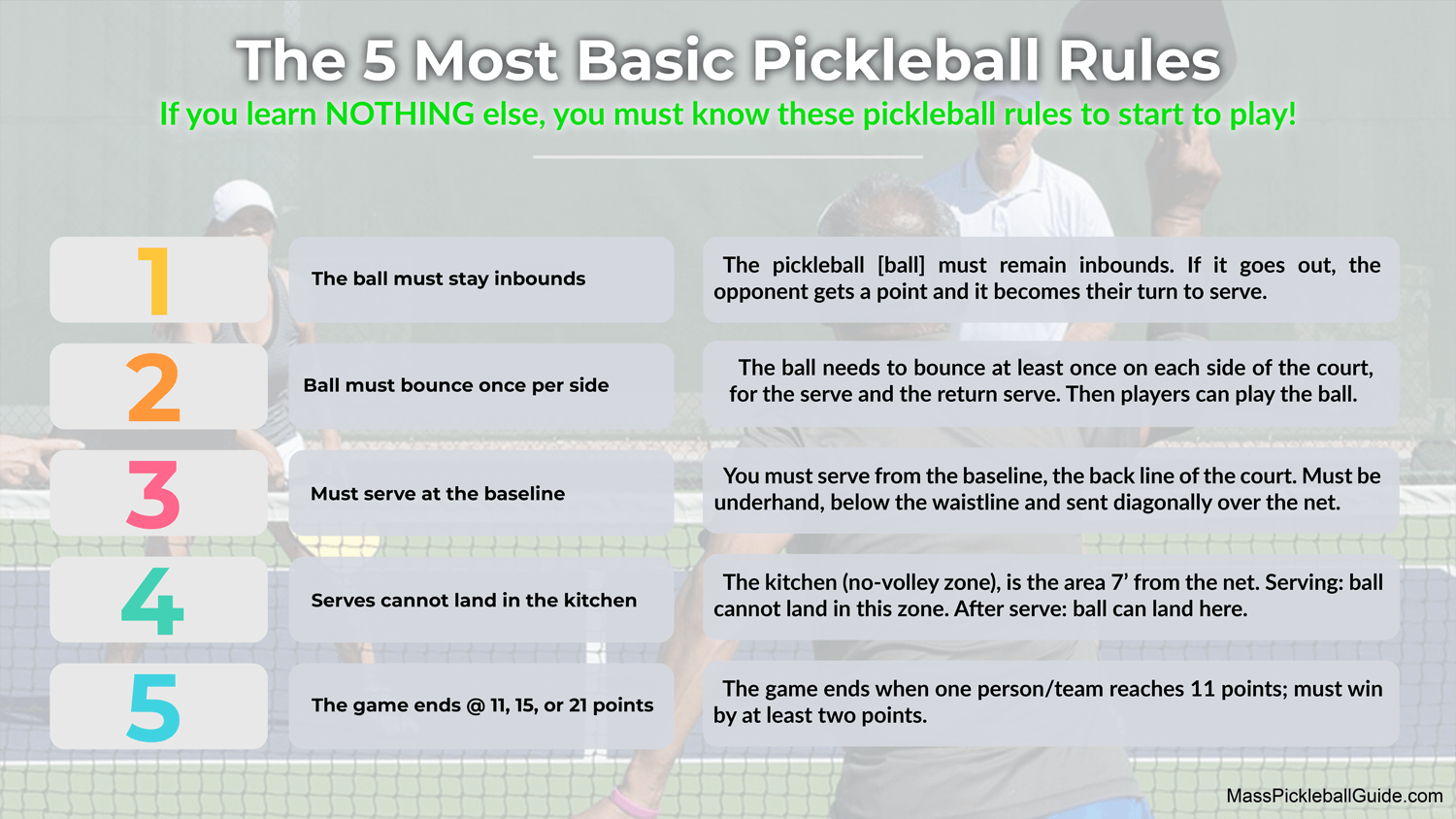
Serve underhand below waist, from behind baseline, diagonally, clear the kitchen, follow correct rotation.
If you want simple, solid answers to what are the 5 serving rules in pickleball, you’re in the right place. I’ve taught new and seasoned players for years, and I’ll break each rule into clear steps you can trust. Stick with me to learn what are the 5 serving rules in pickleball, get real examples, and avoid the sneaky faults that cost points.
The 5 serving rules in pickleball explained
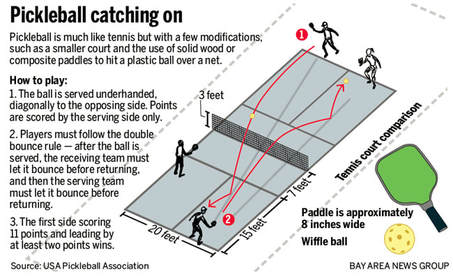
What are the 5 serving rules in pickleball? They cover how you swing, where you stand, where the ball lands, who serves when, and how many tries you get. If you’ve ever asked what are the 5 serving rules in pickleball during a match, this guide will settle it for good.
Rule 1: Use a legal underhand motion (or a drop serve)
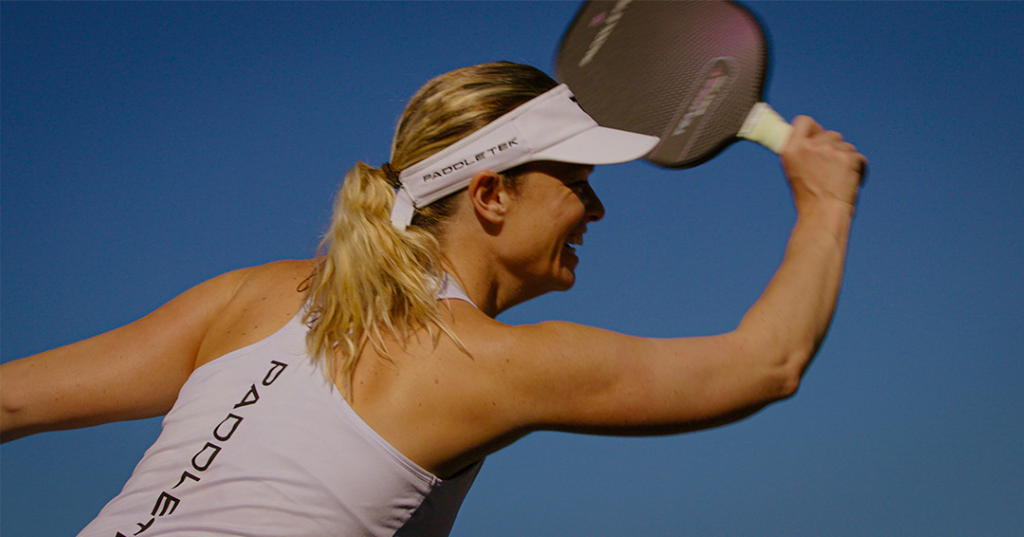
- The classic serve is underhand. The ball must be hit below your waist.
- The paddle head must be below your wrist at contact.
- The swing path must be up, not flat or downward.
Drop serve option:
- You may drop the ball and let it bounce, then hit it.
- No toss. Just drop from your hand. Let it bounce first.
- After the bounce, your swing can be any motion.
Coach tip:
- I teach new players the drop serve first. It is easy and steady.
- It also calms nerves on big points.
Common mistake:
- Striking the ball at or above the navel. That is a fault.
How this fits what are the 5 serving rules in pickleball:
- It defines the motion and contact point, so your serve is legal.
Rule 2: Stand behind the baseline with no foot faults
- At contact, at least one foot must touch the ground.
- Neither foot may touch the baseline or the court.
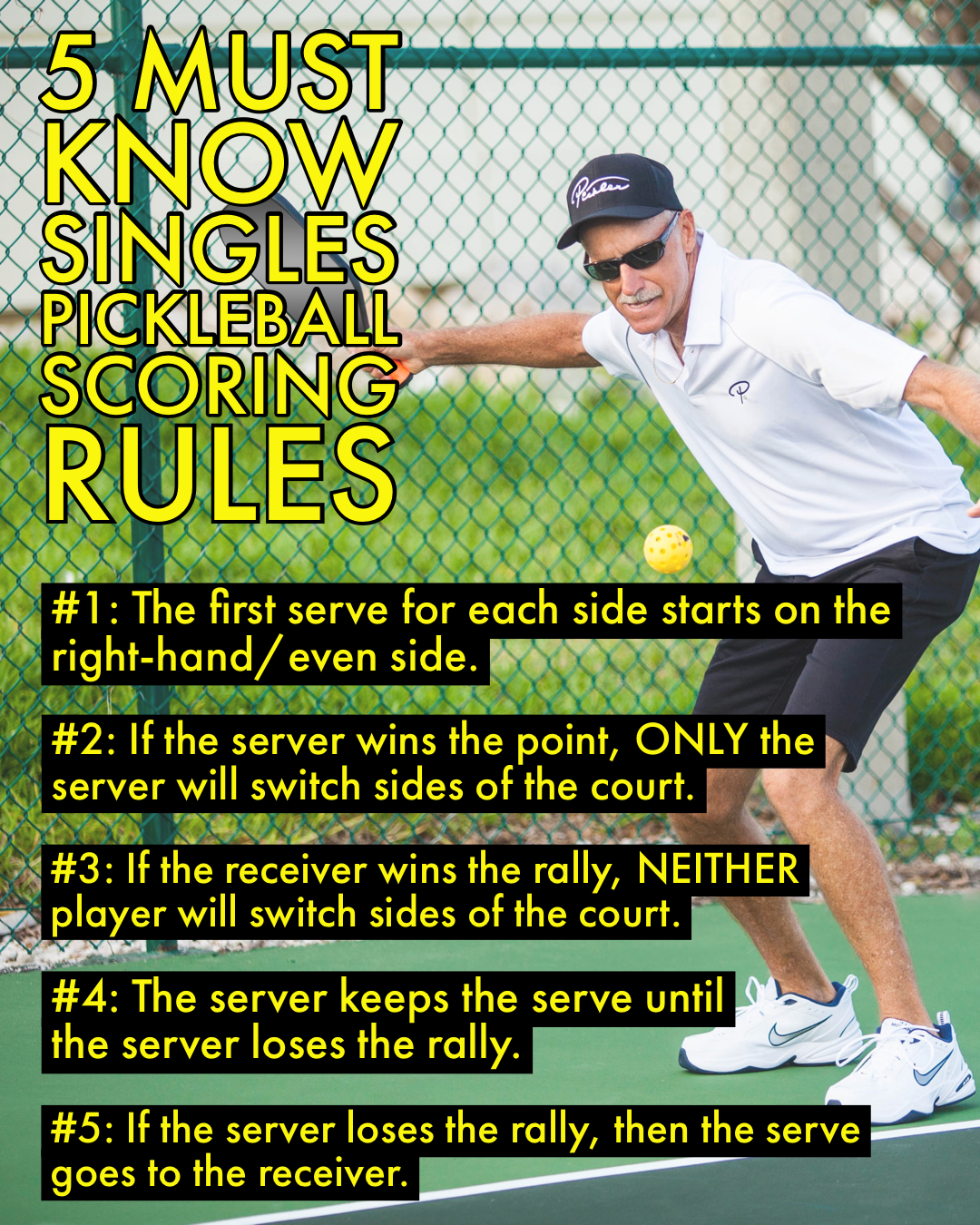
- Start in the correct box. Even score serves from right. Odd from left.
Position check:
- To open a game, the server starts on the right side.
- Face crosscourt. Aim to the opposite service box.
Personal tip:
- I set my back foot well behind the line. It stops foot faults.
- Think “toe behind paint.” Simple and safe.
How this fits what are the 5 serving rules in pickleball:
- It covers where to stand and how to avoid easy faults.
Rule 3: Serve diagonally and clear the non-volley zone line
- The serve must land in the crosscourt service box.
- The ball must clear the kitchen (non-volley zone).
- The kitchen line is short on a serve. If it clips that line, it’s a fault.
- Sidelines, centerline, and baseline are good. Those lines are in.
Target ideas:
- Aim deep to the backhand corner. Keep returns weak.
- Picture a “postage stamp” at the back corner. Hit that spot.
How this fits what are the 5 serving rules in pickleball:
- It sets the target and explains which lines count on a serve.
Rule 4: Follow the serve order, score call, and the two-bounce rule
- Call the score before you serve. Be clear and loud.
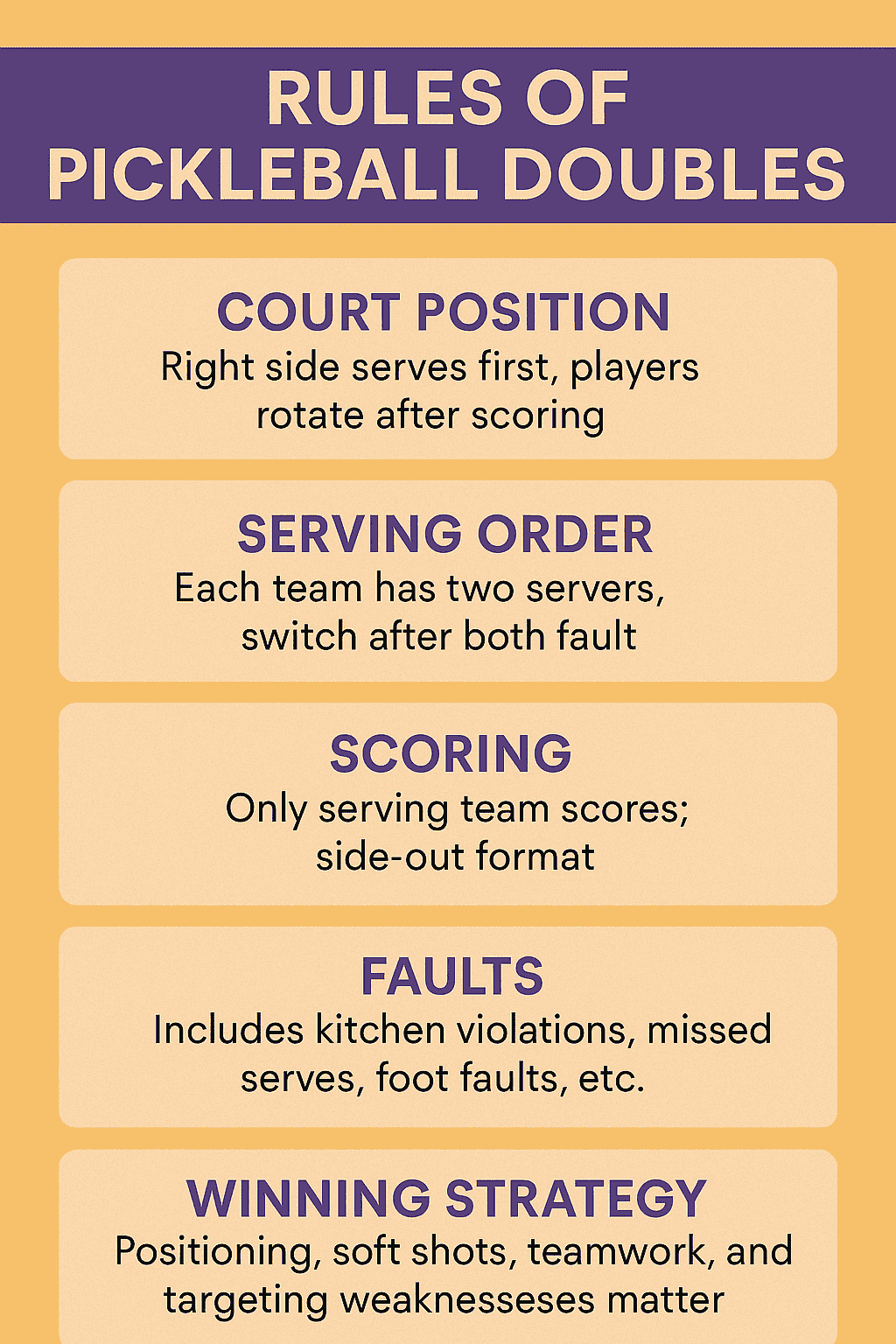
- In doubles, call three numbers: server score, receiver score, server number.
- Serve alternates sides after each point won by the serving team.
- Only the correct server may serve. Wrong server is a fault.
- Start of a game is 0-0-2 in doubles. It limits early advantage.
Two-bounce rule:
- After the serve, the return must bounce.
- Then your next shot must bounce too. Only then may anyone volley.
From my matches:
- I say the score, pause a beat, then serve. It helps rhythm and fairness.
- If you ever ask what are the 5 serving rules in pickleball mid-rally, remember this one. It decides many points.
Rule 5: One serve attempt only, and no lets
- You get one serve attempt per rally. A whiff is a fault.
- Net-cord serves that land in are live. Keep playing. No let replays.
- You have 10 seconds to serve after the score call.
Pro habit:
- Build a pre-serve routine. Bounce the ball, look up, breathe, serve.
- Simple routine. Fewer rushed faults.
How this fits what are the 5 serving rules in pickleball:
- It defines tries and the no-let rule so play stays smooth.
Common serving faults and easy fixes
- Foot on the line at contact. Fix: Set your back foot well behind the line and freeze it through contact.
- Serve hits the kitchen line. Fix: Aim two feet deeper than you think. Err on the deep side.
- Paddle not below wrist. Fix: Relax your grip. Feel the paddle tip lower than your hand.
- Tossed drop serve. Fix: Open your hand. Let the ball fall. No toss at all.
- Wrong box or server. Fix: Do a quick “even-right, odd-left” check before you call the score.
If you still wonder what are the 5 serving rules in pickleball, these fixes map to each rule and stop the most common faults I see.
Practice drills to master the serve
- Deep corner targets: Serve 20 balls to each deep corner. Track how many land past the service line.
- Kitchen-clear drill: Place a towel one foot past the kitchen line. All serves must land beyond it.
- Accuracy ladder: Five serves to backhand, five to body, five to forehand. Repeat twice.
- Pressure reps: Miss two in a row? Reset the count. Build focus under stress.
- Drop-serve groove: Ten drop serves each side. Focus on the same drop height and rhythm.
These reps lock in what are the 5 serving rules in pickleball through muscle memory.
Smart serving strategy for all levels
- Serve deep and through the middle to limit angles.
- Mix speeds. A slow, deep serve can be just as tough as a hard one.
- Scout the weaker return side. Most players struggle with backhands.
- On big points, target safe margins. Win with depth, not risk.
- After the serve, be ready for the drop. The two-bounce rule shapes the next shot.
If a friend asks what are the 5 serving rules in pickleball, add this: rules set the base, strategy wins points.

Equipment and rule nuances you should know
- Grip pressure matters. Softer grip equals better touch and fewer wrist faults.
- Check your paddle height at contact. Keep the paddle head below your wrist on volley serves.
- For drop serves, the below-waist rule does not apply after the bounce, but your feet rules still do.
- Call the score clearly. It helps opponents and prevents wrong-server calls.
- Rules can update yearly. Check the latest rulebook before league play.
These points support what are the 5 serving rules in pickleball and keep you current and clean on calls.
Frequently Asked Questions of what are the 5 serving rules in pickleball
What does “even-right, odd-left” mean?
If your team score is even, you serve from the right. If it is odd, you serve from the left.
Is a serve that hits the net and lands in good?
Yes. There are no let serves. If it lands in the correct box, play on.
Do the service court lines count?
Yes, the sideline, baseline, and centerline are in. The kitchen line is short on a serve.
How many serve attempts do I get?
Only one. A miss-hit or whiff is a fault. There are no second serves.
What is the two-bounce rule?
After the serve, the return must bounce. Then the serving team’s next shot must bounce before any volley.
Can I use a drop serve in tournaments?
Yes. The drop serve is legal. Drop the ball from your hand, let it bounce, then hit.
Why do I have to call the score before serving?
It sets order and clarity. It also gives receivers a fair cue to be ready.
Conclusion
You now know what are the 5 serving rules in pickleball and how to apply them with confidence. Use a legal motion, stand right, aim right, follow order, and own the one-try rule. Add smart targets and a steady routine, and your serve will set the tone every game.
Take this to the court today. Run the drills, fix one fault at a time, and track your deep-serve rate. Want more tips like this? Subscribe, share this with your doubles partner, and drop your toughest serve questions in the comments.