Use an underhand motion, hit below your waist, and serve diagonally with control.
If you want to master how to serve in pickleball for beginners, you are in the right place. I teach new players every week, and I know the exact steps that build a smooth, legal, and confident serve. This guide breaks it down, from rules and grip to drills and fixes. Stay with me, and you will learn how to serve in pickleball for beginners the easy, smart, and proven way.
What Makes a Legal Serve
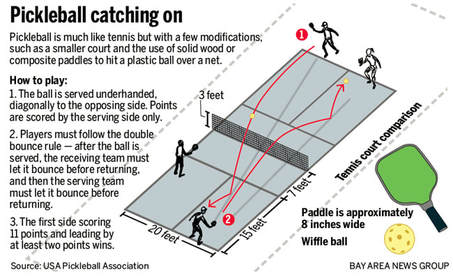
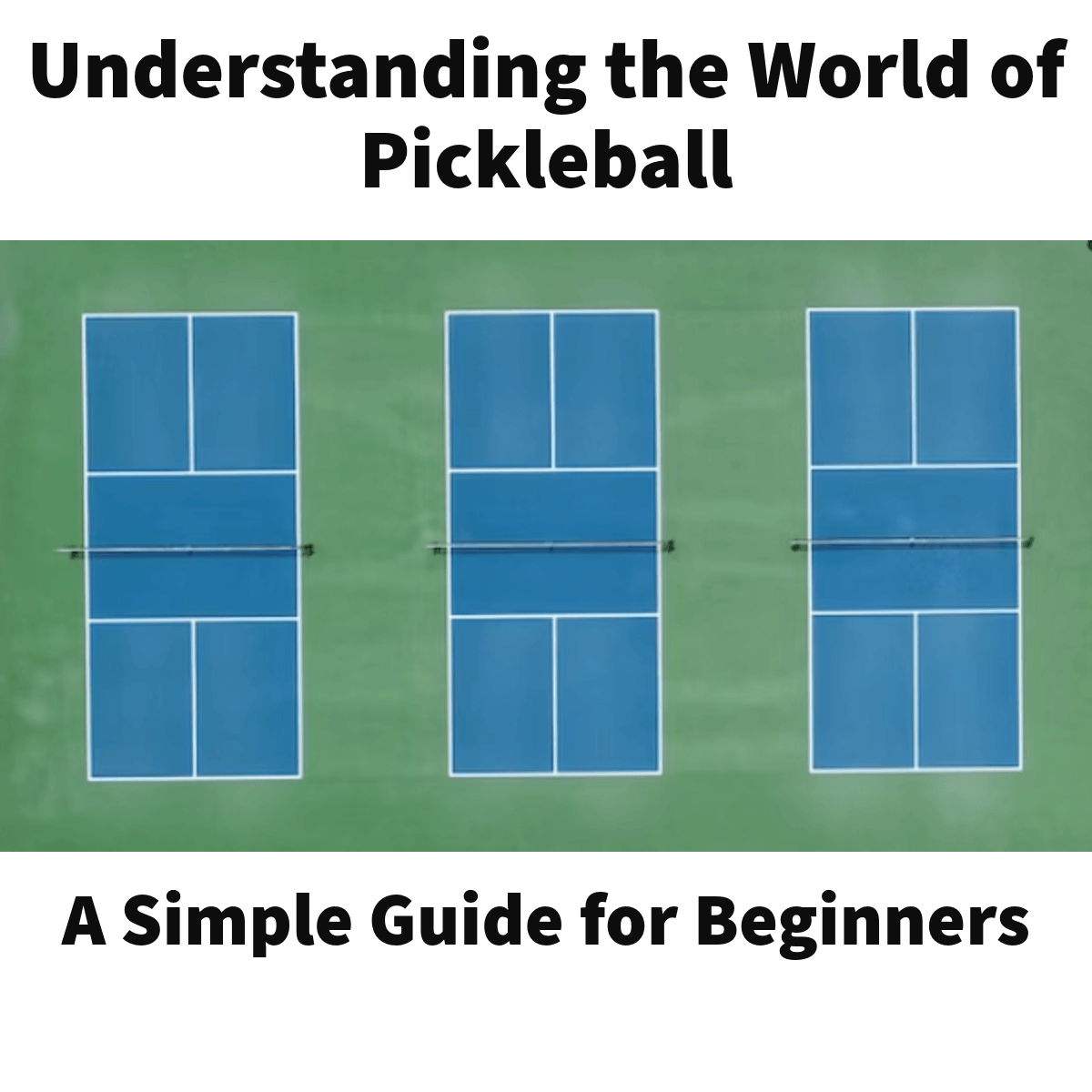
A legal serve starts behind the baseline. Both feet must stay behind the line until you hit the ball. Aim to the diagonal service box. The ball must land beyond the kitchen line. Hitting the kitchen line on a serve is a fault.
You have two legal serve styles. The volley serve uses an underhand motion. The paddle moves up. You strike the ball below your waist, and the paddle head stays below your wrist at contact. The drop serve is simpler for many beginners. You drop the ball, let it bounce once, then hit it in any motion you like.
Lines count except the kitchen line. Baseline, centerline, and sideline are in. The kitchen line is out on the serve. There is no let serve. If the ball clips the net but lands in the right box, play on.
By rule, the receiver must let the serve bounce. Then you must let the return bounce. This is the two-bounce rule. Learn it early, and rallies will make sense fast. Check the latest USA Pickleball rulebook, since rules can update each year. These basics set the stage for how to serve in pickleball for beginners with confidence.

Grip, Paddle, and Stance That Help
Pick a grip that feels natural. The continental grip is easy and steady. Hold the paddle like you are shaking hands. Keep it light and relaxed.
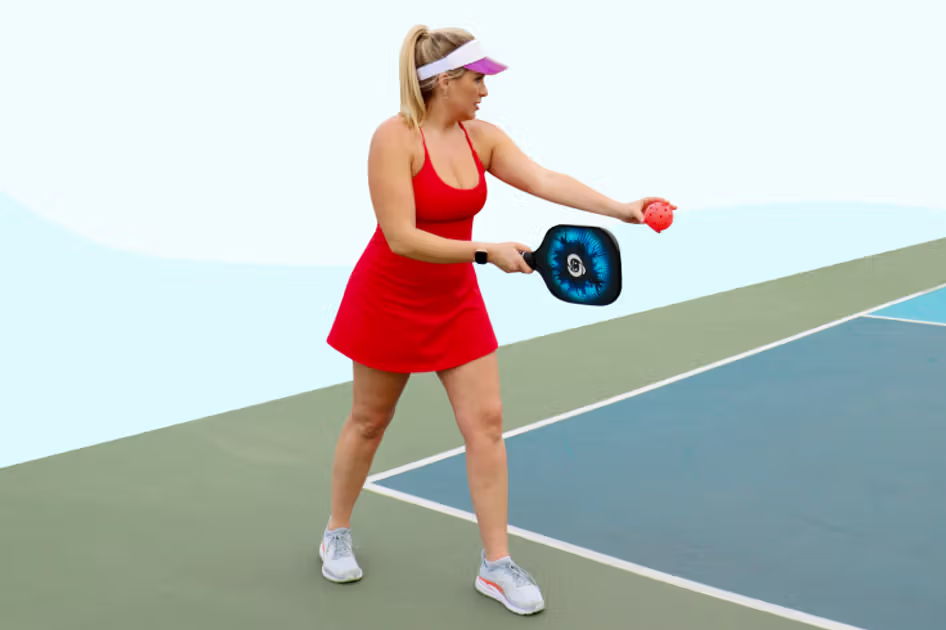
Stand sideways to the net. Place your lead foot back, both feet behind the baseline. Line up your shoulders with your target. Keep your non-paddle hand on the ball at waist height. Breathe out as you swing.
Use a paddle you can swing with control. A midweight paddle gives a good mix of feel and pop. Wear court shoes that grip. Stable feet lead to a more stable serve. This foundation makes how to serve in pickleball for beginners feel simple, not scary.
Step-by-Step: How to Serve in Pickleball for Beginners
Start with the drop serve. It is the most forgiving for new players. Follow these steps.
- Set your target. Pick a corner of the diagonal service box. Look at it for a second.
- Ready your stance. Both feet behind the baseline. Turn your body slightly sideways.
- Hold the ball out. Relax your shoulders. Keep your paddle head below your wrist.
- Drop the ball. Do not push it down. Just release it from your hand and let it bounce.
- Swing smooth. From low to high. Brush up on the back of the ball.
- Contact in front. Hit the ball in front of your body. Keep your eyes on the ball.
- Finish forward. Point your paddle toward the target. Hold your balance.
For the volley serve, keep three points in mind. Make an upward arc. Contact below the waist. Keep the paddle head below the wrist at contact. If one of these is off, it can be a fault.
When I teach how to serve in pickleball for beginners, I use short cues. Drop, brush, point, hold. Say them in your head. It keeps your tempo steady and your mind calm.

Common Serving Faults and Easy Fixes
Foot on the line. If your foot touches the baseline at contact, it is a fault. Stand an extra shoe-length back. It gives you a buffer.
Ball long or wide. Aim for the safe middle third of the box. Reduce power by 10 percent. Focus on the height of the arc, not just speed.
Kitchen line hit. Remember, the serve must clear the kitchen line. Picture a small landing zone two feet past that line. Serve to that zone until it feels natural.
Illegal motion. For a volley serve, keep an underhand path and contact below the waist. If that feels hard, switch to the drop serve. It removes underhand limits and helps beginners stay legal.
Rushing the score call. Say the full score out loud. Then pause a beat. This helps your timing and shows respect. When learning how to serve in pickleball for beginners, patience beats power every time.
Spin, Power, and Placement for New Players
Spin adds control. Topspin helps the ball dip in. Slice keeps the ball low and skids on the bounce. Start small. Add a little brush, not a big flick.
Power is a bonus, not a goal. Smooth speed beats raw force. Keep your swing even. Hit through the ball. Aim for a waist-high contact and a calm follow-through.
Placement wins points. Three great targets:
- Deep to the backhand. This is often the weakest wing.
- Middle of the court. It causes confusion in doubles.
- At the right hip of a righty. It jams the swing.
Remember the goal of how to serve in pickleball for beginners is a safe, deep, and consistent ball. Do not chase fancy spin before you can land eight of ten serves.
Practice Drills That Build Consistency
Bullseye boxes. Place two targets in the deep corners. Hit 20 balls to each. Count how many land in the box.
The ladder. Serve five balls to the safe middle. Then five to the far corner. Then five to the near corner. Repeat the ladder twice.
Pressure set. Make 10 serves in a row to score. If you miss, reset the count. This adds match-like nerves to your practice.
One-minute rhythm. Set a timer. Serve, collect one ball, and serve again for one minute. Keep your tempo steady. Relax between swings.
Track your numbers. Write down your make rate each week. When I coach how to serve in pickleball for beginners, I ask for 80 percent in before adding pace. Data keeps you honest and proud.

Rules and Scoring You Must Know on the Serve
Announce the score before every serve. In doubles, say server score, receiver score, and then server number. It sounds like 6-4-1. Speak it clear, then take a short pause.
In doubles, both partners serve before a side out. At the start of a game, only one server starts, and the score begins 0-0-2. This keeps things even. With even scores, serve from the right. With odd scores, serve from the left.
In singles, it is simpler. Even scores serve from the right. Odd scores from the left. You only score on your serve. Keep these rules tight if you want to master how to serve in pickleball for beginners.
Troubleshooting: Fast Fixes For Common Serve Issues
Hitting into the net. Lift more with your legs and shoulder. Aim two feet higher over the net tape. A small arc makes a big change.
Ball sailing long. Brush up more to add topspin. Shorten your backswing. Aim for the deep middle, not the far corner.
Inconsistent contact. Watch the ball to the paddle. Say “bounce-hit” on a drop serve. Make contact in front of the hip, not beside your body.
Nerves during games. Slow your breath. Hum one long note before you serve. It keeps the swing smooth. For how to serve in pickleball for beginners, calm is your secret edge.

Warm-Up and Body Mechanics That Protect You
Do 60 seconds of arm circles. Add 10 bodyweight squats. Do 10 gentle shadow swings. Warm joints before power.
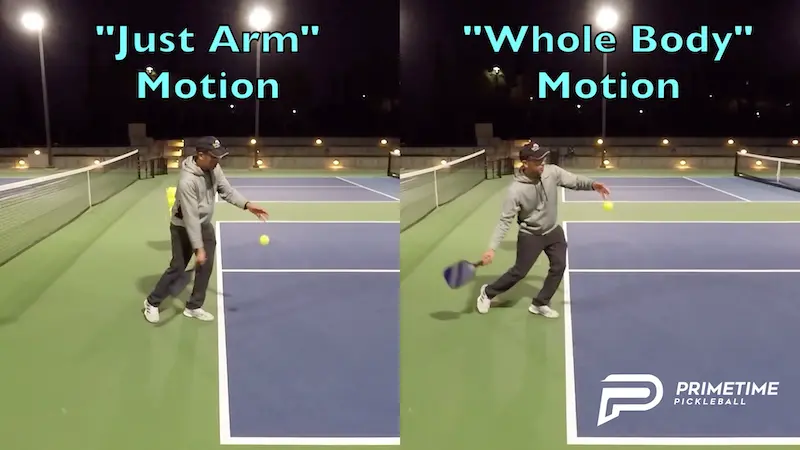
Use your legs. Bend a little. Push the ground away as you swing up. This reduces stress on the elbow and wrist.
Keep a tall spine. Rotate your hips and shoulders together. Think of your body as one piece. Treat your serve like a smooth dance, not a punch. This mindset helps anyone learning how to serve in pickleball for beginners.
Etiquette and Smart Serving Strategy
Say the score loud enough for all to hear. Wait until your opponent is ready. Face the right box and do not quick-serve.
Scout the returner. If they hug the backhand, serve to the forehand. If they crowd the line, serve deeper. Aim for comfort over flash.
Talk with your partner in doubles. Choose a target before the point. A clear plan removes doubt. It also speeds your growth in how to serve in pickleball for beginners.
Frequently Asked Questions of how to serve in pickleball for beginners
What is the easiest serve for a beginner?
The drop serve is easiest. You drop the ball, let it bounce, and swing up and through with control.
Can my serve hit the net and still be good?
Yes. If it touches the net but lands in the correct service box, it is in play. There are no let serves.
Where should my serve land?
Aim deep into the diagonal box and past the kitchen line. Hitting the kitchen line on a serve is a fault.
Can I step into the court while serving?
Not before contact. Both feet must stay behind the baseline until you strike the ball.
What grip should I use to start?
Try the continental grip. It balances control and power and works well for many serve styles.
How hard should I swing as a beginner?
Use a smooth, medium swing. Focus on getting eight of ten serves in before adding speed.
What is the two-bounce rule?
The serve must bounce before the return, and the return must bounce before you hit it. After that, you may volley.
Conclusion
You now have a clear plan for a steady, legal serve. Keep it simple. Use a smooth drop serve, aim deep, and land most balls in. That is the core of how to serve in pickleball for beginners, and it works at every level.
Take action today. Do one drill, track your makes, and build your rhythm. If this helped, share it with a friend, subscribe for more tips, or drop a question in the comments.