The best shoes for pickleball are stable court shoes with grippy, durable outsoles.
If you want real answers to what are the best shoes for pickleball, you are in the right place. I coach league players, test shoes across indoor and outdoor courts, and track what actually prevents slips and sore knees. In this guide, I break down features that matter, share play-test notes, and show you how to pick a shoe that helps you move faster and stay safe.
:max_bytes(150000):strip_icc():focal(1454x0:1456x2)/peo-pickleball-shoes-test-asics-gel-resolution-9-rafa-soriano-17_crop-1-217e986ae4bf4b78b84896614b0fb799.jpeg)
What are the best shoes for pickleball? Key takeaways
- Choose court shoes made for quick side steps and hard stops. You need lateral support, not just soft cushioning.
- Get the right outsole for your court. Gum rubber shines indoors. A harder herringbone tread grips outdoor asphalt.
- Look for a stable base and a locked-in heel. This stops ankle rolls on split steps and pivots.
- Pick balanced cushioning. Too soft feels comfy but can feel wobbly on cuts.
- Fit matters more than the brand. A snug midfoot and thumb-width in the toe box works for most.
- Replace shoes about every 60 to 100 hours of play. Worn tread means lost grip.
If you want a fast answer to what are the best shoes for pickleball, start with stable court shoes that match your surface, fit your foot, and support your style.

How pickleball movement stresses your shoes
Pickleball is all about quick starts, sharp lateral cuts, and sudden stops. Those moves create side loads on your ankles and knees. That is why stability beats squishy comfort here.
Good pickleball shoes support side-to-side moves with a firm midsole, strong sidewalls, and a secure heel counter. A supportive upper holds the foot in place on split steps. A wider base gives you confidence when you plant and change direction.
From my testing, shoes with a stable shank and a low to moderate stack help control torsion. That means less twisting underfoot when you pivot at the kitchen line.
Indoor vs outdoor courts: pick the right outsole
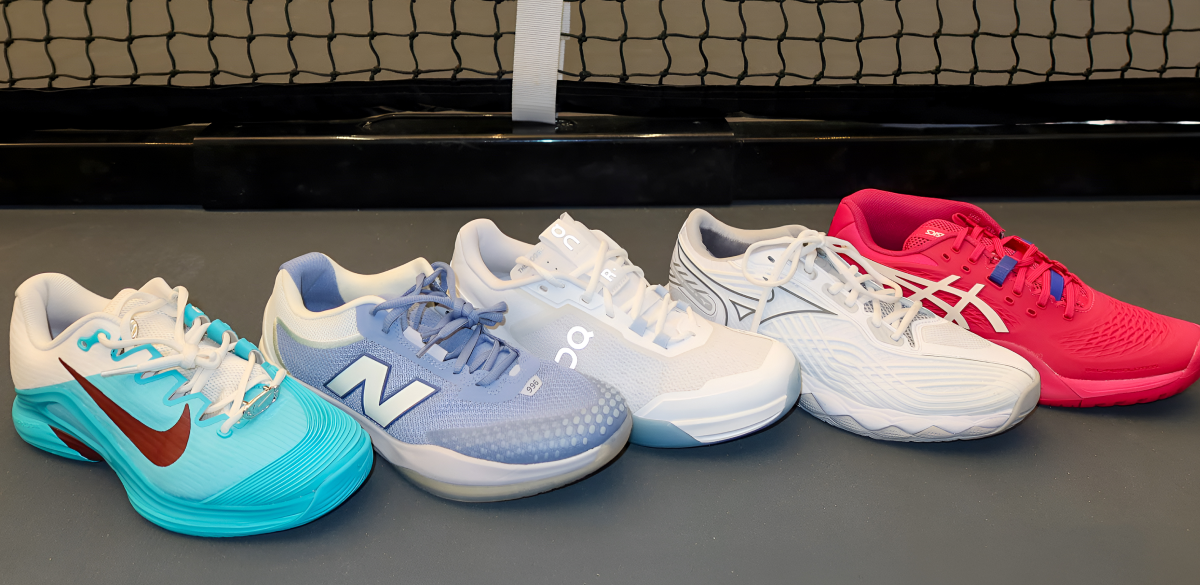
Indoor courts are often wood or smooth gym floors. You want gum rubber that feels tacky and grips even when dust is on the floor. Deep flex grooves help you stop without sliding.
Outdoor courts have grit and small pebbles. You need a harder rubber with a clear tread pattern, often herringbone. It sheds debris and bites into textured acrylic or asphalt.
If you ask what are the best shoes for pickleball on mixed surfaces, go with a durable outdoor tread. It will last longer outside and still work in a pinch indoors.
Types of shoes compared
-
Pickleball-specific court shoes
These blend tennis-like stability with indoor traction options. Many add reinforced toecaps and medial support for slides and digs. -
Tennis shoes
Great outdoors. They have strong sidewalls, tough outsoles, and toe drag guards. They can feel a bit firm indoors unless you pick a flexible model. -
Volleyball shoes
Best indoors. Gum rubber outsoles grip well. Some models are lighter and more flexible, which feels great on hardwood. -
Running shoes
Not ideal. They are built for forward motion, not lateral cuts. Soft foam and tall stacks can feel unstable during quick stops. -
Cross-trainers
Better than running shoes. Look for low, wide bases and side support. Still, true court shoes are more reliable under pressure.
When people ask what are the best shoes for pickleball on a budget, a solid volleyball shoe for indoor or a durable tennis shoe for outdoor is often the sweet spot.

Best shoes by foot type and playing needs
Wide feet
Look for a roomy toe box and available wide sizes. A stable base stops roll-in when you push off.
- Try models that offer 2E or D wide fits.
- Choose stretch-knit uppers with reinforced sides.
Plantar fasciitis or heel pain
You need stable cushioning with a supportive heel cup. A mild heel-to-toe drop can ease strain.
- Add an insole with arch support if needed.
- Avoid very soft midsoles that bottom out.
Overpronation or flat feet
Prioritize midfoot support and torsional control. A firm shank helps keep the arch from collapsing.
- Check for sidewalls that rise up on the medial side.
- Lock-lacing helps hold the heel.
High arches or supination
Seek balanced cushioning that is not rock hard. A flexible forefoot helps with toe-off.
- Choose shoes with a responsive midsole foam.
- Look for gentle cushioning under the heel and ball.
Knee comfort
Stability and balanced cushioning reduce stress on joints. Low to moderate stack height feels connected and safe.
- A supportive, not mushy, midsole is best.
- Keep your shoe fresh. Worn foam transmits more shock.
Lightweight and quick movers
A lighter upper with strong sidewalls keeps you fast and safe. A grippy forefoot helps with quick plants.
- Aim for shoes around 10 to 12 ounces if possible.
- Check flex in the forefoot but firmness in the midfoot.
Durability for toe draggers
A reinforced toecap and sturdy outsole matter. Tennis-style guards pay off.
- Choose thicker rubber at high-wear spots.
- Rotate pairs to extend life.
These guidelines answer what are the best shoes for pickleball when your feet have special needs. Fit comes first, then features.
Fit and sizing tips you can trust
- Try shoes late in the day with your match socks. Feet swell a bit after play.
- Aim for a thumb-width of space at the toes. The midfoot should feel snug and secure.
- Use lock lacing to stop heel slip. It boosts stability on cuts.
- Break-in should be short. If a shoe hurts after two sessions, it is likely the wrong fit.
- Keep the box and receipt until you test on a clean court at home.
I fit players weekly. When they dial in fit, they move better and worry less about blisters or hot spots. That is the real answer to what are the best shoes for pickleball for your feet.
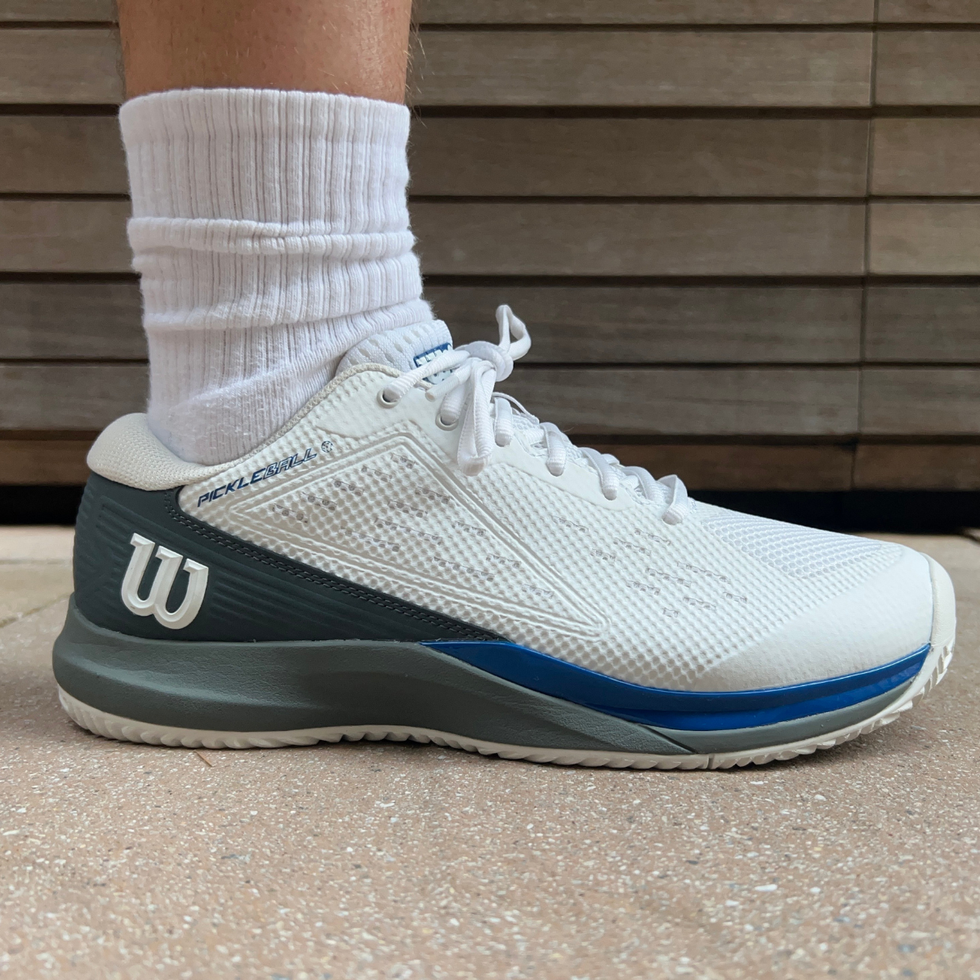
Care, rotation, and when to replace
- Rotate two pairs if you play often. Foam rebounds better with rest.
- Clean outsoles with a damp cloth. Dust kills grip indoors.
- Air dry after play. Heat breaks down glue and foam.
- Replace shoes every 60 to 100 hours of play. Watch for smooth tread, a leaning heel, or new aches.
Players often ask what are the best shoes for pickleball if they only buy one pair a year. I say choose a durable outdoor-ready model and keep it clean. It will serve you well in most cases.

Budget and value: spend smart
-
Entry level
Great for new players. You get basic support and decent grip. Perfect for one to two sessions a week. -
Mid tier
Best value for most. Stronger outsoles, better uppers, and more support. Great for league play. -
Premium
Top materials and extra stability features. Worth it if you play many hours weekly or need specific support.
What are the best shoes for pickleball when money is tight? Choose a mid-tier tennis shoe for outdoor play, or a volleyball shoe for indoor courts. You get safety, grip, and good life for the price.
:max_bytes(150000):strip_icc()/peo-pickleball-shoes-test-asics-gel-resolution-9-rafa-soriano-19_crop-b3d9be7027c04351b00a58bd4f2a0993.jpeg)
Editor-tested favorite picks right now
Note: Models change often. Try on before you buy. Fit and comfort are personal. These are standouts based on grip, support, and durability from my play tests.
-
Best overall stability on outdoor courts
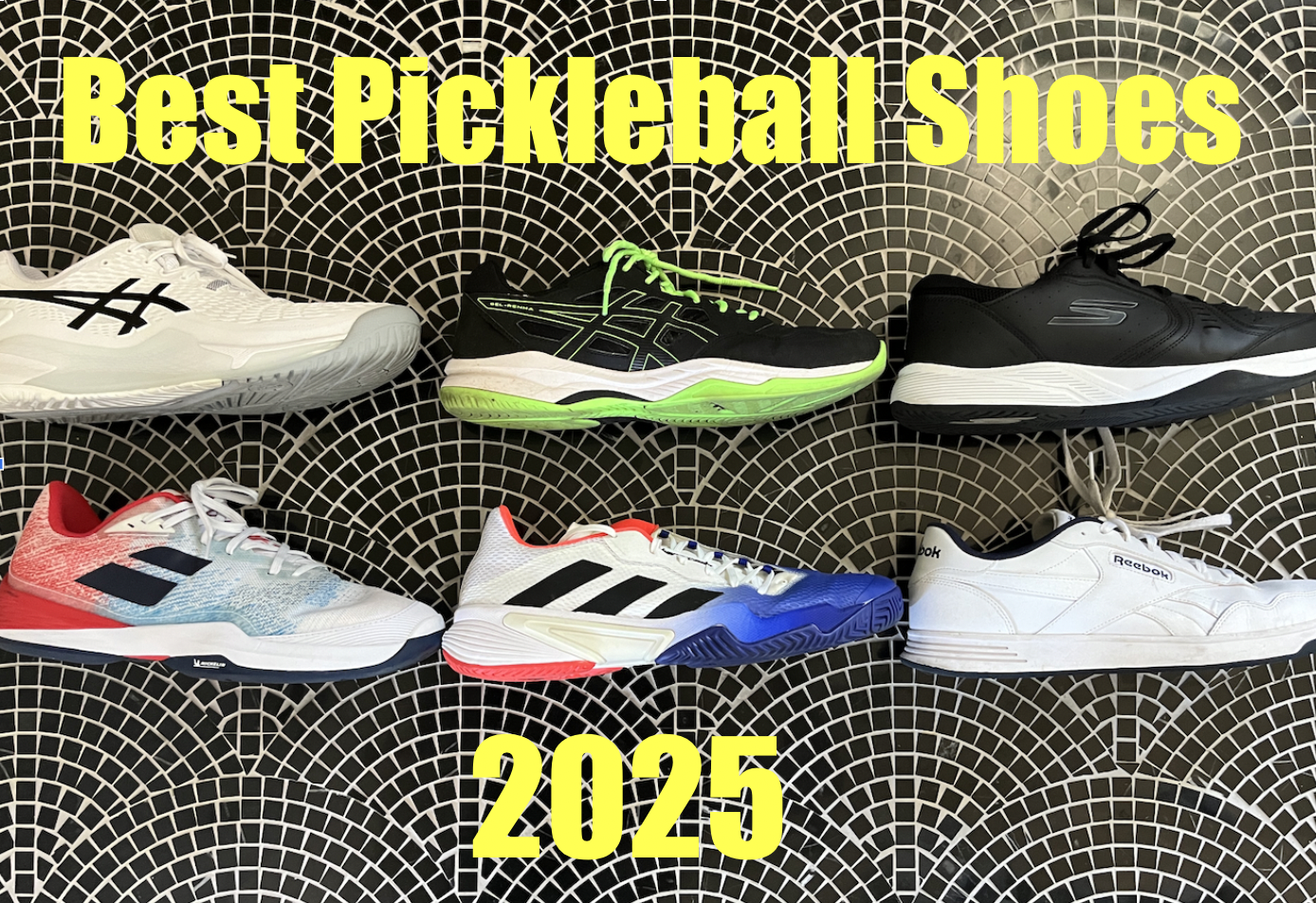
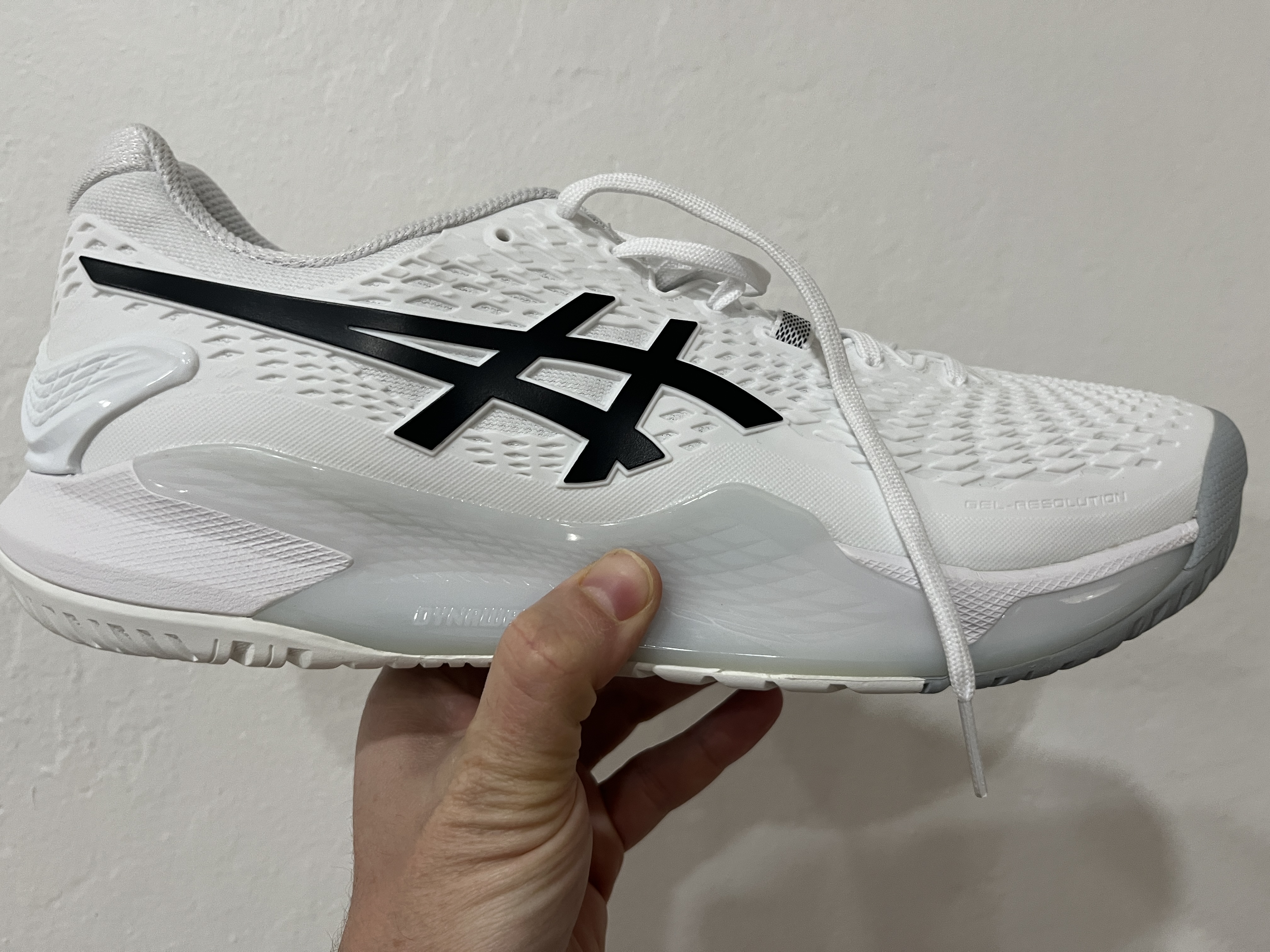
ASICS Gel-Resolution series, Adidas Barricade series, Babolat Jet Mach series
Grippy herringbone, firm sidewalls, durable toecaps. -
Best indoor traction and quick feel
ASICS Gel-Rocket series, Mizuno Wave Lightning series
Tacky gum rubber, light feel, good court feedback. -
Best wide fit options
New Balance 806 and 996 series, K-Swiss Express Light Pickleball
Roomy toe box with strong support. -
Best value pick
ASICS Gel-Renma, Skechers Viper Court
Solid grip and stability at a friendly price. -
Most comfortable out of the box
K-Swiss Express Light series, Head Revolt Pro series
Minimal break-in with dependable support.
Use these as a starting point in your hunt for what are the best shoes for pickleball. Test for fit, then choose the one that keeps you stable and fast.
Frequently Asked Questions of what are the best shoes for pickleball
Are running shoes okay for pickleball?
They are not ideal. Running shoes are built for forward motion, not side support, so they can feel unstable on quick cuts.
How often should I replace pickleball shoes?
Most players should replace them every 60 to 100 hours of play. If the tread is smooth or the shoe leans, it is time.
Do I need different shoes for indoor and outdoor courts?
It helps. Gum rubber grips better indoors, while harder herringbone rubber lasts longer and grips outdoor courts.
What are the best shoes for pickleball if I have flat feet?
Pick a stable shoe with a firm midfoot and a supportive insole. A secure heel and strong sidewalls help control pronation.
How tight should pickleball shoes fit?
Snug in the midfoot with room at the toes. Your heel should not slip, and your foot should not slide on side steps.
Can insoles improve my pickleball shoes?
Yes. Supportive insoles can add arch support and heel comfort. They help fine-tune fit and reduce strain.
What are the best shoes for pickleball if I want a light shoe?
Look for court shoes under 12 ounces with solid side support. Test indoor volleyball models for great grip and low weight.
Conclusion
Shoes can make or break your game. The best plan is simple: choose a stable court shoe, match the outsole to your surface, and lock in a fit that feels secure and natural. That is the heart of what are the best shoes for pickleball for real players.
Test two or three pairs, try lock lacing, and keep your outsoles clean. Your feet and your scores will thank you. Want more gear tips and tested picks? Subscribe, share your questions, or drop a comment with your current setup.