Yes, you can smash in pickleball, but follow NVZ and volley rules.
If you’ve ever asked can you smash in pickleball, you’re in the right place. I coach new players and compete in local leagues. In this friendly deep-dive, I’ll break down rules, smart tactics, and safe form. You’ll learn when a smash is legal, how to set it up, and how to return one with calm control.

The rules: when a smash is legal and when it’s a fault
A smash is an overhead hit, often on a ball that sits high. In pickleball, you can smash on a volley or after a bounce. The key is where you are when you contact the ball and what your momentum does next.
Here are the core rules that guide can you smash in pickleball:
- You may not volley while in the Non-Volley Zone (the kitchen) or touching the NVZ line.
- If you volley while airborne and your momentum carries you into the NVZ, it is a fault, even after the ball is dead.
- You may smash after the ball bounces anywhere, including in the kitchen.
- The serve and the return must bounce. You cannot smash a serve or a return as a volley.
- You can reach over the net on a ball that spins back over, as long as the ball first crosses to your side. Do not touch the net or the opponent’s court.
These are based on standard rulebook language used in sanctioned play. I teach players to picture a simple test: did the ball bounce, and where were your feet before, during, and after contact?

The kitchen explained: how the NVZ affects a smash
The kitchen controls most smash chances. The NVZ is a seven-foot area on both sides of the net. It stops you from standing too close and hammering volleys.
Can you smash in pickleball from the kitchen? Yes, but only after a bounce. You cannot volley a smash with your feet in the NVZ or on the line. If you jump from outside the NVZ to volley and then land in the NVZ, that is still a fault. If the ball bounces first, you can step in and hit an overhead safely.
In practice, I tell players to call out “bounce” or “volley” in their head. It keeps you clear on your feet and your follow-through.
Smash technique 101: simple, safe, and powerful
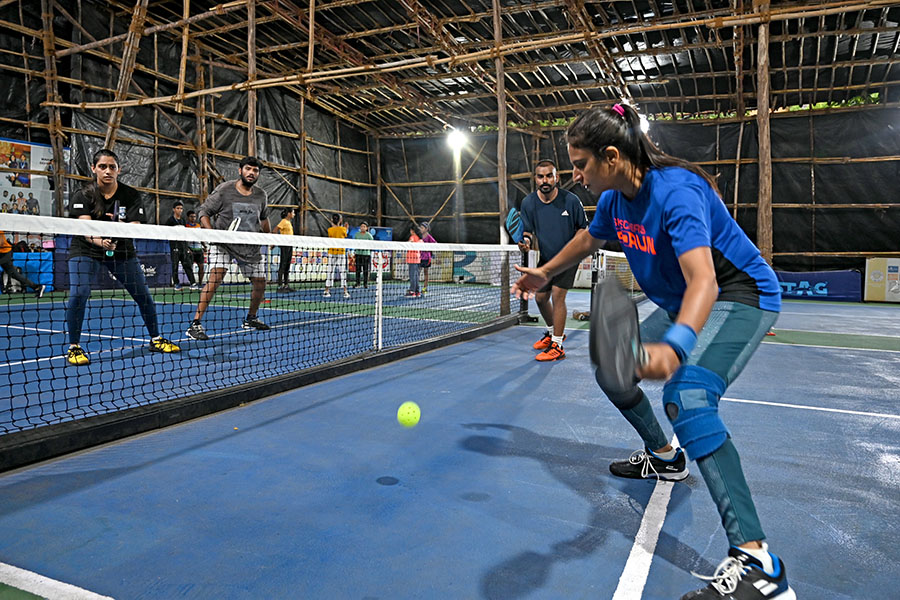
Great smashes feel smooth, not forced. Think of throwing a ball. The paddle is your hand and the ball is light.
Try this step-by-step:
- Stance and split step
- Stay light on your feet.
- Use a relaxed, athletic stance.
- Split step as your opponent contacts the ball.
- Turn and load
- Turn your shoulders.
- Get your paddle up early.
- Weight on your back foot.
- Move and set the contact
- Shuffle to the spot.
- Strike the ball in front of your body.
- Keep your head still at contact.
- Swing path and finish
- Use a throwing motion with gentle forearm pronation.
- Snap the wrist only at the end.
- Finish down toward the target, often at the opponent’s feet.
Power comes from timing and height, not muscle. A small, clean swing beats a big, wild one. When clients ask can you smash in pickleball with a short player’s reach, I show them how early prep and footwork make up for height.

How to set up the smash in real play
Most smashes are earned, not given. Your goal is to force a high ball. Then you finish.
Try these simple setups:
- Dink to the backhand. Many players pop up balls when stretched wide on the backhand side.
- Aim deep at the feet. A low, deep drive rushes their contact and produces a floaty reply.
- Lob after a few soft dinks. Mix in one surprise lob to push them back. The next ball often sits high.
- Third-shot drop, then speed-up. Work the kitchen first. When a sitter comes, you can smash in pickleball without risk.
I often bait a middle ball by dinking cross-court three times. On the fourth, I roll a slightly faster dink at the paddle hip. Many players lift it. That is your green light.
How to defend against a smash
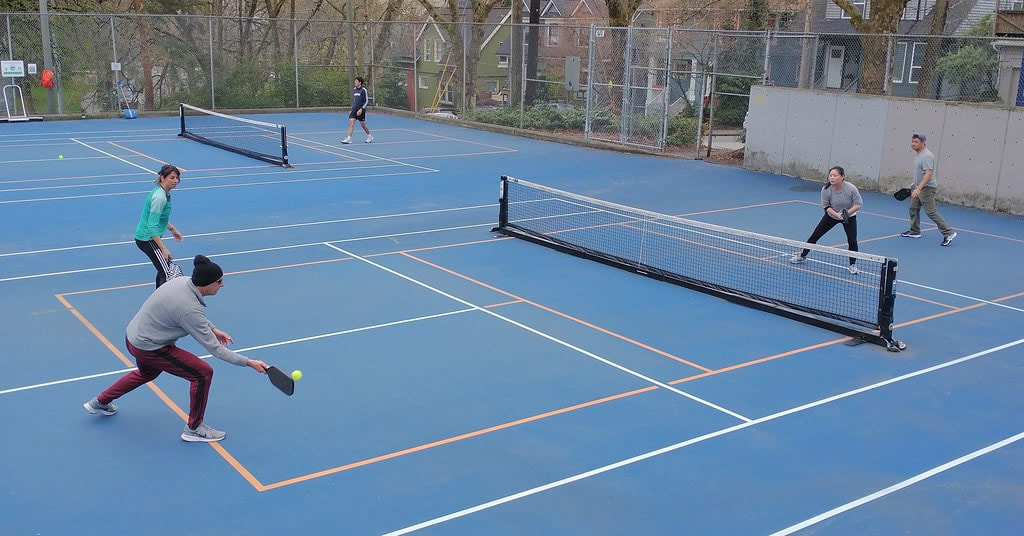
Defense wins rallies you should lose. Think calm, soft hands, and a firm base.
Use these simple tools:
- Play the reset. Hold the paddle in front. Use a short block to the kitchen.
- Watch the shoulder. When you see the shoulder coil, get lower and square up.
- Use the back fence as a friend. If deep, let the smash bounce high and block it back softly.
- Lob blocker. If the smasher leans in, a soft lob can flip the point.
When people ask can you smash in pickleball and still get beat, I say yes. A smart block to the kitchen can turn their “winner” into your setup.

Common mistakes and fast fixes
Smashes go wrong for simple reasons. Keep your fixes simple too.
Frequent errors:
- Hitting from behind the ball. Fix: Move your feet first. Contact in front.
- Over-swinging. Fix: Shorten the swing. Aim for the feet or open space.
- Foot faults in the kitchen. Fix: Call “volley” in your head and land outside.
- Staring at where you aim. Fix: Keep your head still through contact.
- Smashing every high ball. Fix: If the ball is deep and low, drive it, do not force a full smash.
One student kept sailing balls long. We set a target two feet inside the baseline. Within ten minutes, the miss rate dropped in half.

Safety, etiquette, and injury prevention
Smashes are fun, but your body matters more. Shoulder and elbow care comes first.
Smart tips:
- Warm up shoulders with easy throws and band pulls.
- Use eye protection. A smash to the face is no joke.
- Do not aim at the head. Aim at the feet or open court.
- Mind the net post and the NVZ line when you jump.
Can you smash in pickleball and stay safe? Yes, if you keep your swing smooth, respect space, and keep your balance under control.

Paddle and gear tips for better smashes
Your gear helps more than you think. Paddles differ in weight, core, and surface.
What to consider:
- Weight. Slightly heavier paddles add plow-through. Keep control as the first priority.
- Shape. Elongated heads add reach for overheads.
- Core and face. A raw carbon face grips the ball well. A softer core helps control.
- Grip size. Use a size that lets you relax your hand. A death grip kills touch.
People often ask can you smash in pickleball better with a power paddle. You can, but only if you keep clean form and a loose wrist.
Drills to build a reliable smash
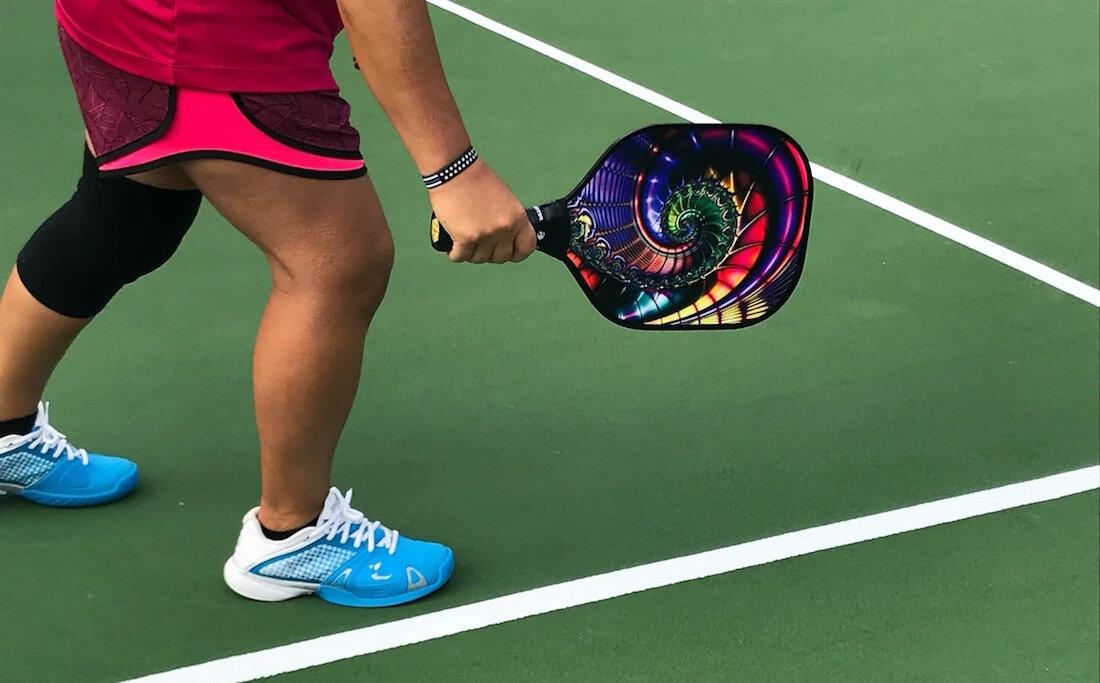
Drills turn nerves into habits. Keep the reps short and crisp.
Try these:
- Toss-and-smash. Partner tosses lobs. You set feet and finish at the feet. Ten reps per side.
- Bounce-overhead. Let it bounce, then hit a controlled overhead to a corner. Great for kitchen legality.
- Block-and-counter. Partner smashes at 50 percent. You block to the kitchen. Then trade roles.
- Target box game. Place cones near each sideline and one at the middle line. Aim to hit three in a row.
Can you smash in pickleball with control and not just power? These drills make the answer a steady yes.
Match strategy by skill level
Your plan should fit your level and goals. Keep it simple and clear.
Beginner focus:
- Learn the double-bounce rule cold.
- Only smash balls that are shoulder-high or above.
- Aim at feet, not lines.
Intermediate focus:
- Work dinks to create pop-ups.
- Use the Erne setup outside the NVZ for angles.
- Mix pace. One soft, one fast.
Advanced focus:
- Read paddle face and contact height fast.
- Use disguised speed-ups to earn sitters.
- Vary depth to pull the smasher off balance.
At all levels, ask yourself mid-rally: can you smash in pickleball here without risking a kitchen fault? If not, wait one more shot.
Frequently Asked Questions of can you smash in pickleball
Can you smash in pickleball from inside the kitchen?
Yes, but only after the ball bounces. You cannot volley a smash from the NVZ or the NVZ line.
Can you smash a serve or a return?
No. The serve and the return must bounce. After those two bounces, you can volley or smash.
Is jumping to smash over the kitchen legal?
Yes, if you jump from outside and land outside. If your momentum carries you into the NVZ after a volley, it is a fault.
Can you reach over the net to smash?
You can reach over only if the ball crossed to your side first and is spinning back. You must not touch the net or the opponent’s court.
Where should I aim a smash?
Aim at feet, into the body, or to open space. Corner lines are fine, but a safe smash at the feet wins more points.
Conclusion
You can smash in pickleball, and you can do it the right way. Know the kitchen rules, control your feet, and use smart setups. A smooth swing, clear targets, and calm eyes will lift your win rate.
Want a quick next step? Pick one drill above and do 30 focused reps this week. If this helped, subscribe for more simple guides, or drop a comment with your biggest smash challenge.
