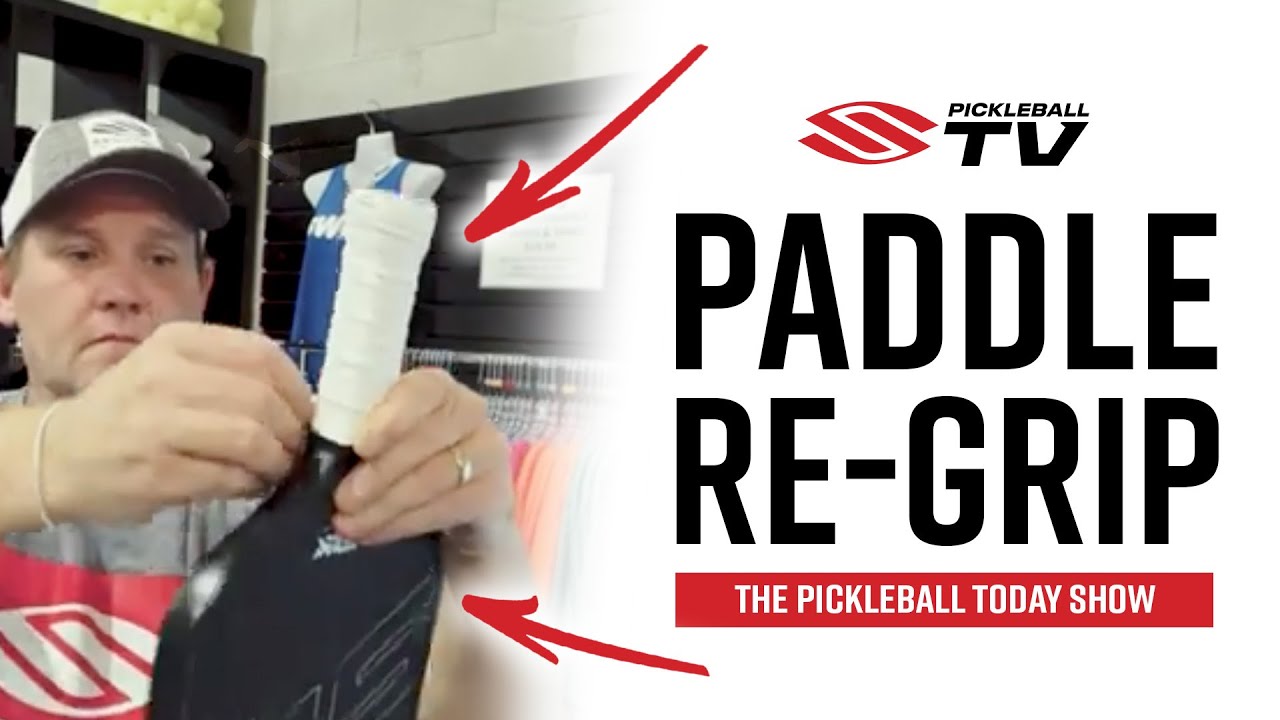
Peel old grip, clean handle, wrap new grip snugly, and seal with tape.
If your paddle slips or stings on impact, a fresh wrap can help fast. I’ve regripped hundreds of paddles for players at every level. I’ll show you how to regrip pickleball paddle the right way, with simple steps, smart tools, and pro tips. Follow along and you’ll get a clean, comfy, and secure handle in minutes.

Why a fresh grip changes your game
A worn grip is like slick tires. You lose control and feel. Your hand works harder. That stress can lead to arm pain and mishits. A new wrap restores bite, comfort, and touch.
You’ll notice less twist on off-center shots. You’ll get better spin from a firmer hold. It also reduces blisters and hot spots. Learning how to regrip pickleball paddle can add real confidence on big points.
If you sweat a lot or play in heat, a tacky or absorbent grip keeps your hand dry. In cool weather, a softer grip can ease shock. Regripping is cheap, fast, and high impact.
Tools and materials you need
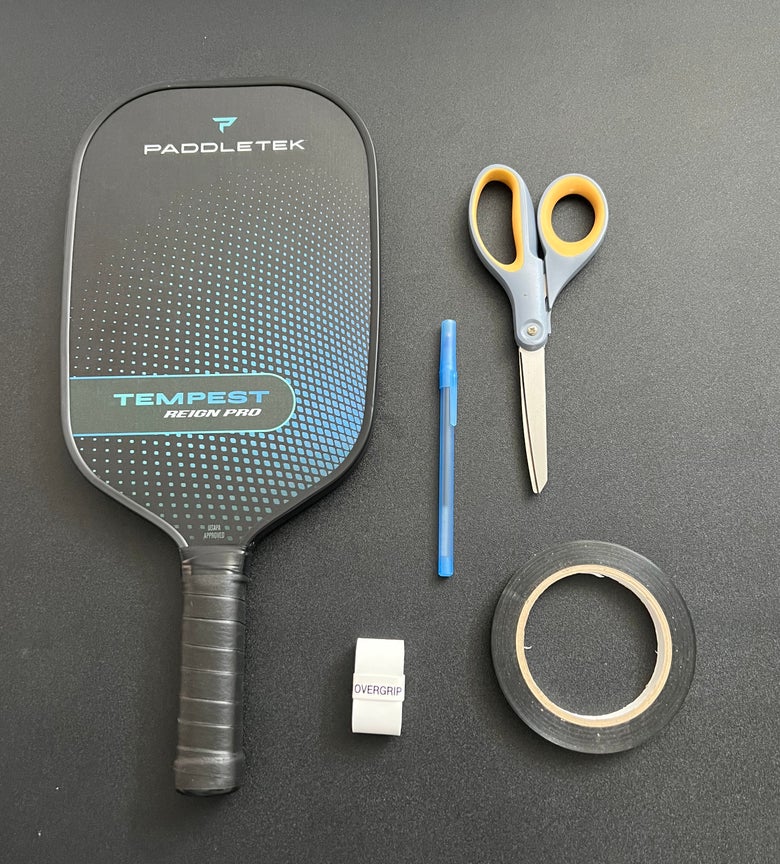
You do not need a workbench. A small kit works.
- New overgrip or full replacement grip
- Finishing tape or high-quality electrical tape
- Small scissors or a sharp blade
- Rubbing alcohol and a lint-free cloth
- Optional: adhesive remover, double-sided grip tape, hair dryer, ruler or cloth tape
- Optional: rosin, grip powder, or sweat towels
Keep it simple for your first time. If you want to learn how to regrip pickleball paddle fast, start with an overgrip.

Choose the right grip and size
There are two main options. An overgrip goes on top of your current grip. It adds thin padding and tack, and it is easy to swap often. A replacement grip takes the place of the old one. It is thicker, cushioned, and lasts longer.
Pick a texture that fits your hands and climate:
- Tacky grips boost hold with light pressure.
- Dry or perforated grips wick sweat fast.
- Soft foam or PU layers add comfort and shock relief.
Get the right size. Most pickleball grip sizes range from about 4 to 4.5 inches in circumference. Use the index finger test: grip the handle in your usual hold. If you can slide your index finger between your palm and fingertips without gaps, the size is close. If it is tight, add an overgrip. If there is space, remove layers or pick a thinner grip.
A grip that is too thick slows wrist snap and spin. A grip that is too thin can cause squeeze stress. This sizing step is key when you learn how to regrip pickleball paddle for lasting comfort.
Step-by-step: how to regrip pickleball paddle
- Remove the old finishing tape. Peel off the old overgrip or grip. If residue remains, use a bit of adhesive remover on a cloth. Do not soak the handle.
- Clean the handle. Wipe with rubbing alcohol. Let it dry for one minute. A clean base helps the new wrap stick.
- Check the butt cap. Make sure it is secure. If it wiggles, add a tiny strip of tape around the base to firm it up.
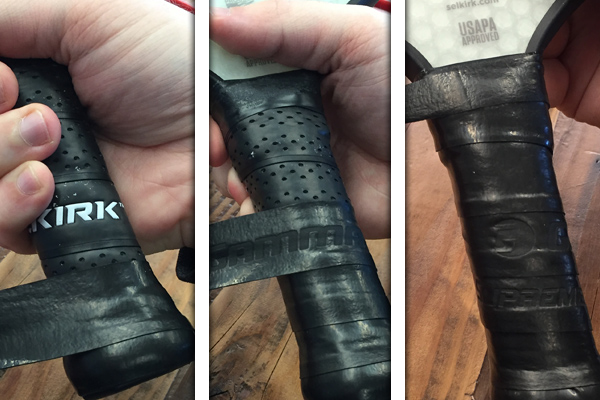
- Start at the butt end. Most grips have a tapered start. Place the thin edge at the butt, angled so the wrap climbs up the handle.
- Anchor and wrap. Hold light, steady tension. Wrap the first turn flat to lock the start.
- Overlap evenly. Aim for about 1/8 inch overlap each turn. Keep the angle and spacing the same. This prevents ridges and gaps.
- Smooth as you go. Press out bubbles with your thumb. If you see a crease, unwrap a little and redo.
- Mind the bevels. On octagonal handles, guide the tape along edges. Even pressure keeps a clean shape and feel.
- Trim near the throat. When you reach the neck, mark the cut line. Use scissors for a neat angle that matches the slope.
- Finish with tape. Wrap the finishing tape around the top edge. Two clean turns hold best.
- Optional heat set. A quick pass with a hair dryer on low can relax the wrap and help adhesion. Do not overheat the paddle.
- Test the feel. Take a few shadow swings. Adjust tension or overlap if a ridge bothers you.
Personal tip: I pre-stretch the last two wraps just a touch. It prevents the end from lifting. If you play five days a week, keep two spare overgrips in your bag. Knowing how to regrip pickleball paddle courtside can save a match.

Common mistakes to avoid
- Overstretching the wrap so it thins and tears later.
- Uneven overlap that causes raised seams and blisters.
- Trapping sweat or dirt under the new grip.
- Cutting into the base grip or handle with a blade.
- Finishing tape placed over a wrinkle so it peels early.
A clean wrap looks simple, but small steps matter. When in doubt, unwrap and try again. That patience is part of how to regrip pickleball paddle like a pro.
Make it last: care and maintenance
Wipe your grip after play. Salt and sweat break down tack. A quick towel rub keeps it fresh. Rotate two paddles if you train daily.
Store the paddle out of a hot car. Heat can loosen glue. In humid areas, use a perforated or dry-feel overgrip. If you sweat through in a week, carry extras. Good care beats constant rewraps, even when you know how to regrip pickleball paddle well.
Troubleshooting and quick fixes
If the grip slips: Rewrap with slightly more overlap and tension. Add a strip of double-sided tape under the first inch.
If you feel a ridge: Unwrap two turns. Even the spacing. Press the seam flat with your thumb.
If the butt end lifts: Use an extra turn of finishing tape. Align the seam on the bottom side so it does not rub your palm.
If the handle feels too big: Switch to a thin overgrip or remove one layer. Comfort first. That is the heart of how to regrip pickleball paddle for performance.
Cost, frequency, and when to replace
Overgrips cost a few dollars each. Replacement grips cost a bit more. Many players replace overgrips every 10 to 20 hours of play. If you sweat a lot, do it more often. Replacement grips often last a season for casual play.
Signs it is time: smooth shiny spots, peeling edges, soreness in your forearm from extra squeeze, or more paddle twist on contact. Weather also matters. Heat and rain speed wear. Plan ahead, and you will never need to rush how to regrip pickleball paddle before a match.

Advanced grip setups
Want more control? Try a thinner, dry overgrip for fast grip changes. Need shock comfort? Use a cushioned replacement grip, then a light overgrip on top.
For a two-handed backhand, build up the top half with one extra wrap. For sweaty hands, add rosin or a towel between games, not during play. If you add lead tape for balance, place it under the grip near the throat, then wrap over it so the surface stays smooth. These tweaks pair well with how to regrip pickleball paddle to match your style.
Safety and warranty notes
Do not scrape or cut into the handle core. Many paddles use foam or thin composite walls. A deep nick can weaken it. Use minimal solvent and let it dry.
Some brands have grip or handle warranty terms. If your handle is loose or cracked, contact the brand first. A careful approach keeps your paddle safe while you practice how to regrip pickleball paddle without risk.
Frequently Asked Questions of how to regrip pickleball paddle
How often should I regrip my pickleball paddle?
Most players replace an overgrip every 2 to 6 weeks, based on play and sweat. Replacement grips last longer, often 3 to 6 months for casual use.
What is the difference between an overgrip and a replacement grip?
An overgrip goes on top of your current grip and is thin and tacky. A replacement grip is thicker and replaces the base layer for more cushion.
Can I learn how to regrip pickleball paddle without tools?
Yes. You only need the new grip, scissors, and finishing tape. Rubbing alcohol and a towel help, but are optional.
How do I know my grip is the right size?
Use the index finger test between your palm and fingers when holding the handle. If it is too tight, go up in size; if it is loose, use a thinner grip.
Will a new grip reduce elbow pain?
It can help by lowering grip force and shock. A softer or more cushioned grip may ease stress, but also check stringy overuse and technique.
Should I start wrapping from the top or bottom?
Start at the butt end and wrap upward for a secure anchor. Finishing tape goes at the top near the throat.
Can I regrip a cracked handle?
No. Do not cover damage with a grip. Contact the maker for repair or replacement to avoid injury.
Conclusion
A solid grip is the easiest upgrade in your bag. With simple tools and a few minutes, you can boost comfort, control, and confidence. Now that you know how to regrip pickleball paddle step by step, set a reminder to refresh it before league night.
Give it a try on your current paddle today. Share your setup, ask questions, or request a gear checklist in the comments. If you found this helpful, subscribe for more quick, practical pickleball tips.