
Illegal pickleball serves break rules on contact height, swing path, feet, or spin.
If you play long enough, you will see them. A serve looks fine, but a ref calls a fault. Here, I break down illegal pickleball serves in plain words. You will learn the rules, the gray areas, and how to fix bad habits fast. I coach players weekly and review calls from tournaments. This guide blends real court notes with the official standards for illegal pickleball serves.

What makes a serve illegal in pickleball?
A serve becomes illegal when any core rule is broken. The rulebook sets three main checks for the volley serve. It also sets foot rules and release rules. Miss one and it is a fault.
The basic volley serve must meet three points:
- Contact below the waist. Think navel line, not hips.
- The paddle moves up at contact. No downward or level chop.
- The paddle head stays below your wrist at contact.
Your feet must also be right:
- At contact, no foot may touch the baseline or the court.
- No foot may cross the sideline or centerline extensions.
- At least one foot must be on the ground behind the baseline.
The release rules matter too:
- For a volley serve, you cannot add spin with the release hand.
- You must release the ball with the non-paddle hand or let it fall from the paddle face with no shove or toss.
Do any of these wrong and you now have illegal pickleball serves. Refs look for these cues. So do sharp opponents.
Volley serve vs drop serve: different ways to be illegal
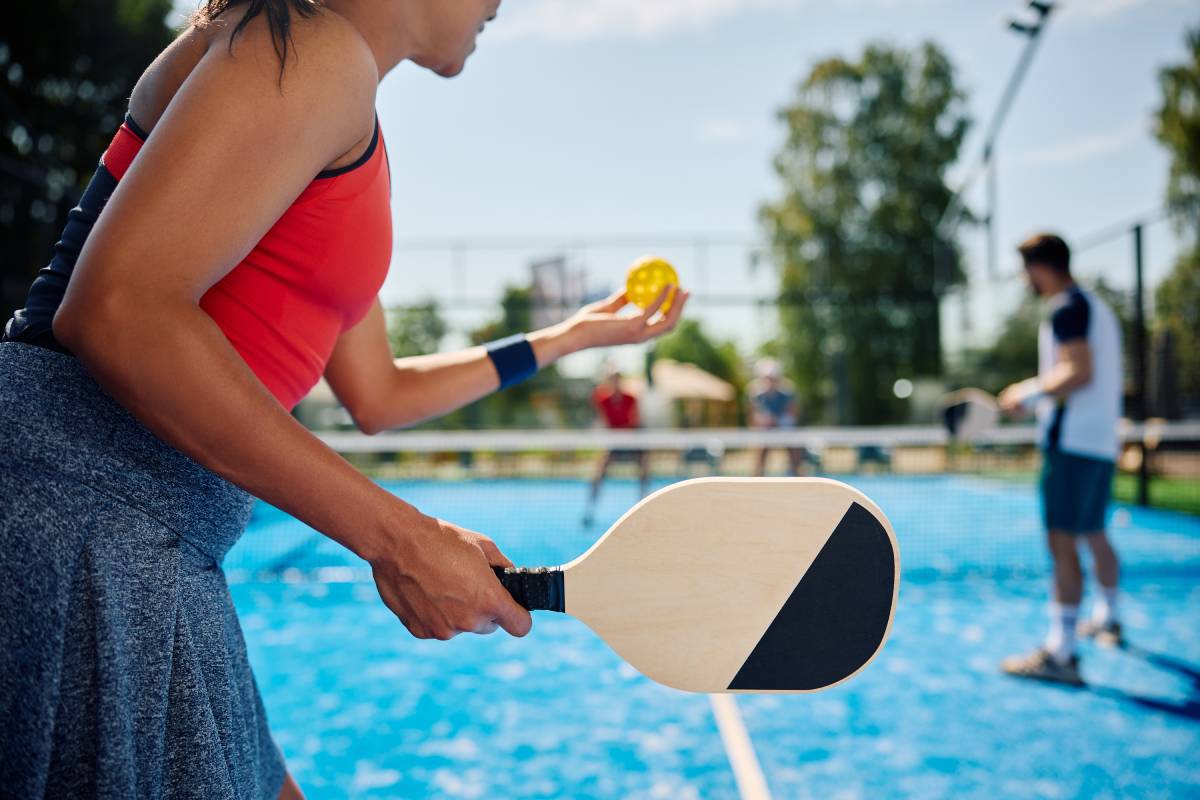
You can serve two ways. Each has its own traps.
For the volley serve:
- You hit the ball out of the air.
- You must follow the three-point motion rule. Below waist. Paddle rising. Paddle head below wrist.
- You cannot spin the ball with your release hand.
- A toss upward is illegal. A shove down is illegal. It must be a true release.
For the drop serve:
- You drop the ball. It bounces. Then you hit it.
- The three-point motion rule does not apply after the bounce.
- You may strike with any swing path after the bounce.
- You may add spin before the drop. But you must not propel the ball. No throw up or down. Just a drop.
- Foot rules still apply. Stay behind the baseline until contact.
Many players use the drop serve to avoid illegal pickleball serves. It is simple. It is stable under stress.

The most common illegal pickleball serves on real courts
Over and over, I see the same faults. Here are the big ones.
- Contact above the waist. This is the top reason for illegal pickleball serves with new players.
- Sidearm or downward chop. The paddle must rise at contact for the volley serve.
- Paddle head above the wrist. A flat hammer swing often breaks this.
- Foot on the line. Even a toe on the baseline is a fault.
- Pre-spin with the volley serve. Any active spin at release is illegal for a volley serve.
- Tossing the ball. You must release, not toss up or push down.
- Wrong server or from the wrong side. That leads to a fault right away.
- Delay or fake starts that mess with timing. That can draw a warning or fault with a ref.
If your group has many illegal pickleball serves, film two points. Watch in slow motion. You will spot the pattern fast.
How refs judge serves and how you can self-check
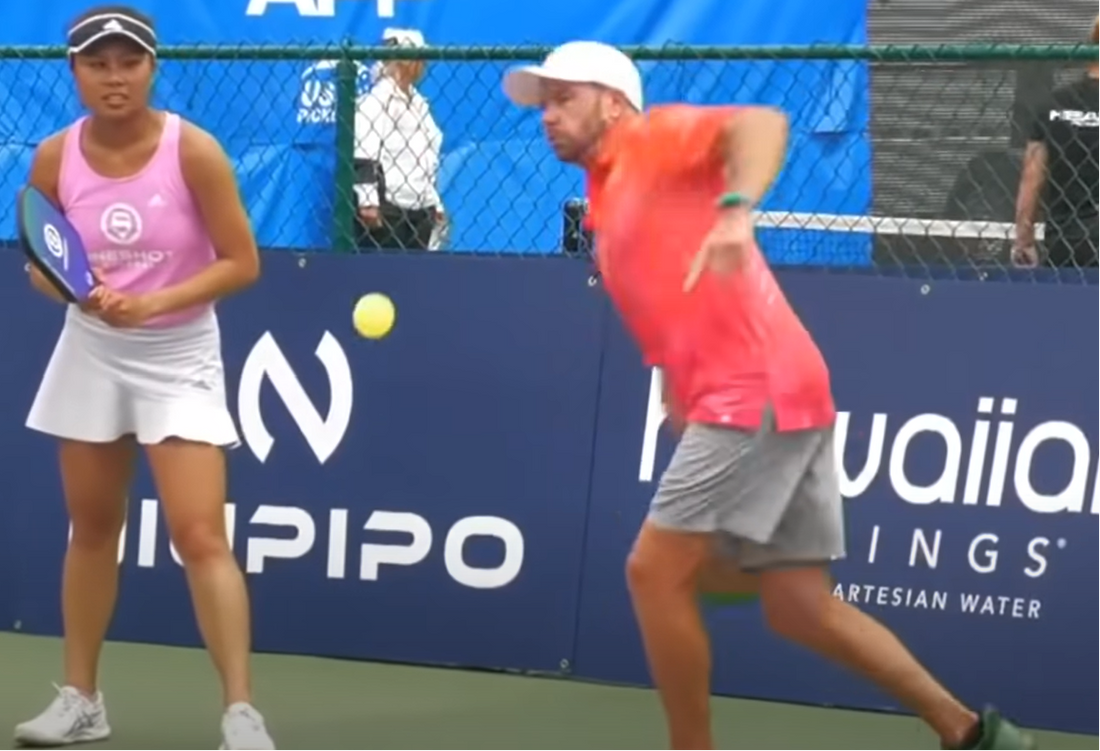
Refs use a simple flow. They check feet. They check contact height. They check the swing path and paddle head. They also watch the release.
Use this quick self-check:
- Set your contact at the bottom of your belly button line.
- Keep your wrist above your paddle head at contact.
- Think “brush up” through the ball.
- Place a cone behind your right heel or left heel. Do not step on it.
- For a volley serve, release the ball from shoulder height. Do not add spin.
- For a drop serve, let the ball fall from an open hand. No shove.
Drills that help:
- Shadow swings in a mirror. Pause at contact.
- Serve from a chalk line one shoe back from the baseline.
- Use slow-mo on your phone. Check wrist and paddle head.
With a ref, close calls still go to the player’s benefit. But clear illegal pickleball serves will be called.

Fixes and cues to stay legal under pressure
Match nerves make form slip. Simple cues keep you in bounds.
- Cue 1: Belly button, not belt. Aim to strike one ball under the navel line.
- Cue 2: Lift the logo. Picture the paddle face logo rising at impact.
- Cue 3: Wrist tall. Keep the wrist bone higher than the paddle tip.
- Cue 4: Heel anchor. Keep your back heel grounded behind the line.
- Cue 5: Drop and pop. For drop serves, drop the ball, let it bounce, then swing.
Practice plan:
- Serve 20 volley serves with the cues above.
- Then 20 drop serves. Switch sides.
- End with 10 pressure serves. Score out loud. Breathe. Keep form.
Do this three times a week. Illegal pickleball serves will fade out fast.

Edge cases and myths that cause confusion
Players swap lots of myths. Here is what trips people.
- Myth: You can lean over the line as long as your feet are back. Fact: Your body may lean. Your feet may not touch the line or court at contact.
- Myth: A flat, level swing is fine if contact is low. Fact: For the volley serve, the paddle must move up at contact.
- Myth: You cannot use spin at all. Fact: You cannot add spin in the release for a volley serve. Spin from your paddle at contact is fine. For a drop serve, spin before the drop is allowed if you only drop the ball.
- Myth: Let serves are replayed. Fact: There are no let serves. If the ball hits the net and lands good, it is live.
- Myth: The ball must be released from the non-paddle hand only. Fact: You may also release by letting it fall off the paddle face, with no push.
These gray spots lead to illegal pickleball serves. Clear them now to save free points later.

My court lessons: what fixed my illegal serve habits
When I moved from tennis, I had a sidearm habit. My paddle head rose after contact, but not at contact. Refs warned me twice at a small event. That woke me up.
I set my cue to brush up early. I also marked a small dot one ball under my navel. I aimed there. In three weeks, the habit was gone. Now, when I coach, I find the same fix works. Film, cue, and repeat. Illegal pickleball serves usually come from one tiny motion. Fix that one, and the call stops.
What happens if you serve illegally?
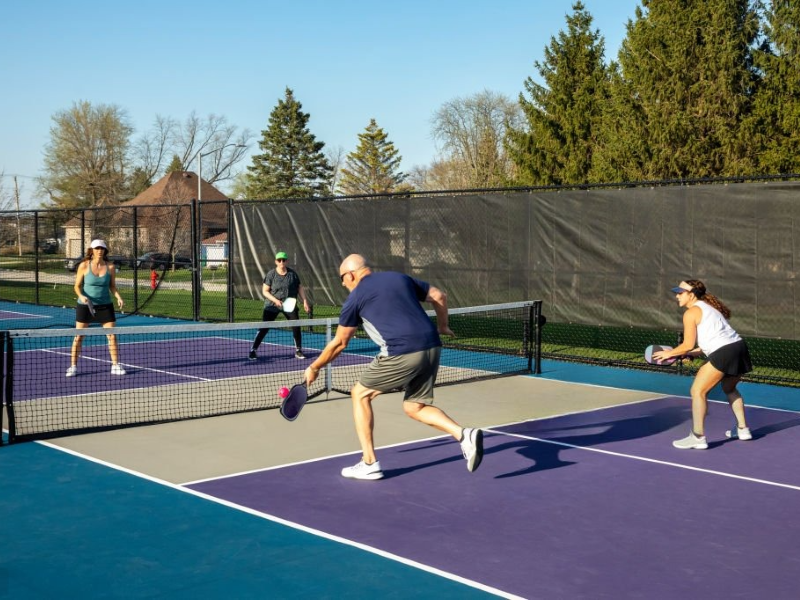
In open play, most groups give a warning. Fix it and play on. If it keeps going, many call faults.
In sanctioned play, the ref calls a fault at once. The serve is lost. Repeated issues can draw a technical warning. If there is no ref, players may request a replay or call a fault on clear cases. The safest path is to switch to a clean drop serve if calls start stacking up. It kills most illegal pickleball serves.

2024–2025 rule notes you should know
The rulebook has kept the drop serve. This is great for most players. It removes the three-point motion test. Yet, the foot rules still apply.
For the volley serve, the release spin ban remains. You must not add spin with the non-paddle hand. The contact still must be below the navel. The paddle must rise. The paddle head must sit below the wrist. These keep many illegal pickleball serves out of play.
Rules update as the sport grows. Read the current official rulebook each season. Small words there can save big points here.
Frequently Asked Questions of illegal pickleball serves
What is the most common illegal serve in pickleball?
The most common is contact above the waist with a level or downward swing. Foot on the baseline is a close second.
Is the spin serve illegal in pickleball?
For a volley serve, adding spin with your hand at release is illegal. You may still hit with spin using your paddle on contact.
Can I toss the ball up when I serve?
No. You must release the ball without a toss or shove for a volley serve. For a drop serve, you must only drop the ball.
Does the drop serve remove all motion rules?
It removes the upward arc and wrist rules. But foot rules and the need to drop, not throw, still apply.
What happens if my toe is on the baseline at contact?
That is a foot fault. It is one of the clearest illegal pickleball serves and results in a fault.
Can my body lean over the line while serving?
Yes, as long as your feet do not touch the line or court at contact. Keep both feet behind the baseline.
Are let serves still replayed?
No. Let serves were removed. If the ball hits the net and lands in, play continues.
Conclusion
Illegal pickleball serves waste free points and break your rhythm. Use simple cues, film a few reps, and lean on the drop serve when in doubt. You will stay legal and start each point with confidence. Put these tips into play this week, share them with your group, and level up your serve game. Want more deep dives like this? Subscribe and drop your questions in the comments so we can tackle them together.