
Open play pickleball is drop in, mixed skill games with rotating partners and courts.
If you’ve been asking what is open play pickleball, you’re in the right place. I’ve run community sessions, coached new players, and learned tons from busy parks. This guide breaks down how it works, why it’s so popular, and how to jump in with confidence. You’ll get practical tips, real examples, and friendly advice you can use today.
What Is Open Play Pickleball?
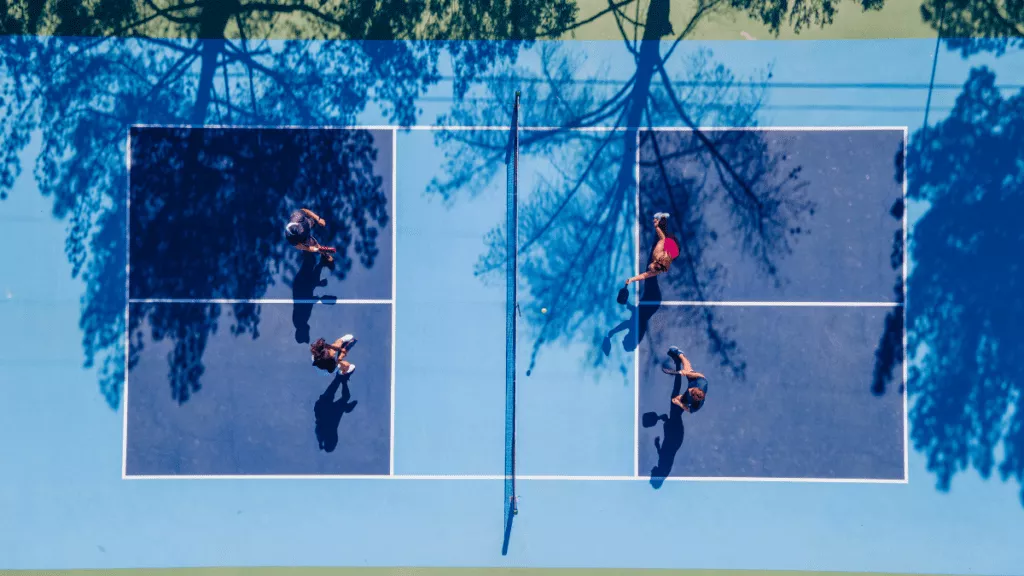
Open play is a drop-in format where anyone can show up, place their paddle in a queue, and rotate into short games with new partners. It’s casual, fast, and social. Games are usually to 11 points, win by 2, and players swap in after each game so the queue moves.
People search “what is open play pickleball” because it can look chaotic from the outside. In practice, it runs on simple rules and shared courtesy. You don’t need a partner or a reservation at many parks. Just bring a paddle, a smile, and be ready to rotate.
At city courts, rec centers, and clubs, open play may be set by time blocks. Some sites offer beginner, mixed, or advanced open play windows. This helps players find the right fit and keeps games flowing for everyone.
How Open Play Works
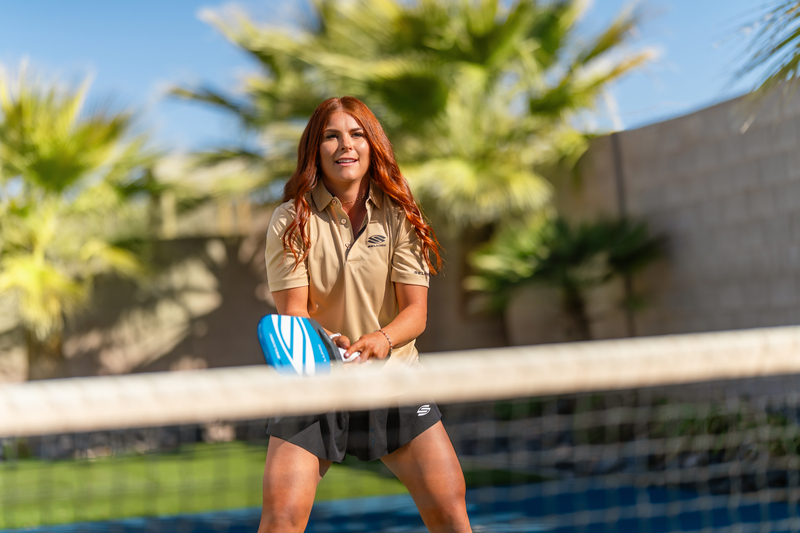
Most places use a paddle rack or whiteboard. You place your paddle in the queue. When a court opens, the next four paddles go on, often randomizing or matching by level if posted. Winners may stay for one more game, or all four rotate off so more people get a turn.
I’ve seen three common systems work well:
- Four-on, four-off rotation All four players come off after one game. Next four go on. Fast and fair.
- Winners stay, two off Winners play one more game, then rotate. Good for balanced courts.
- Challenge courts Advanced players queue to challenge the winners. Great when crowds are skilled.
When courts are packed, some locations switch to games to 9 or rally scoring so queues move. If you’re still unsure what is open play pickleball at your park, check posted signs or ask a regular. Most are happy to help.
Why Players Love Open Play
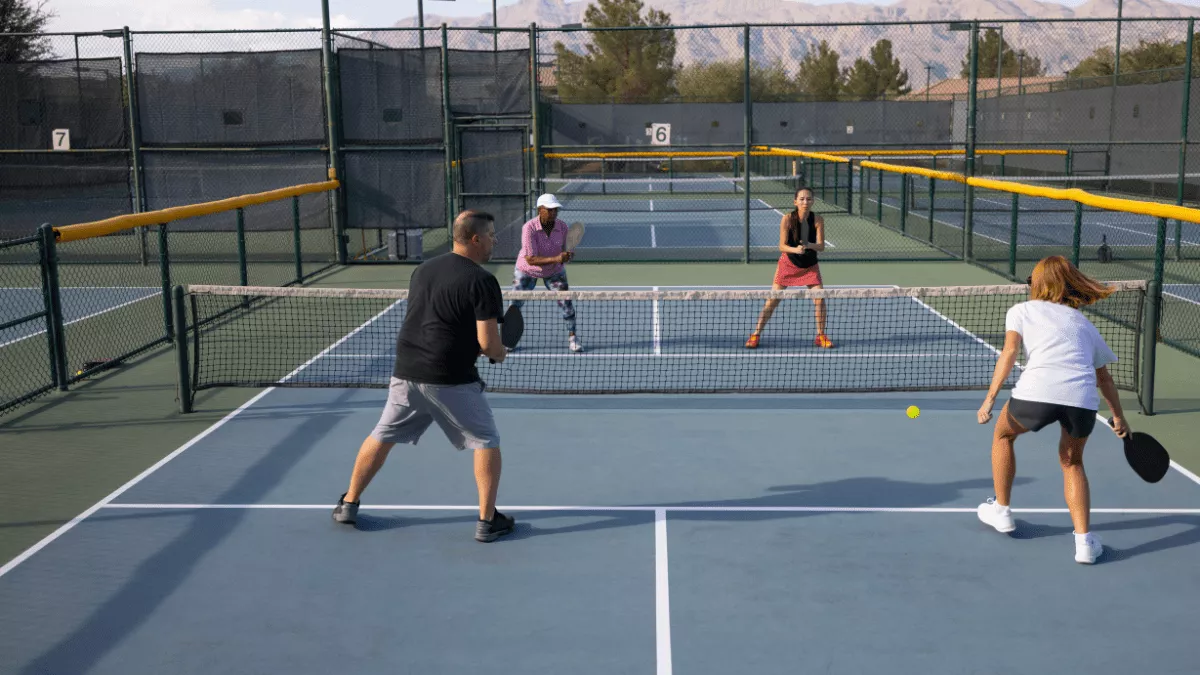
Open play grows skills fast. You face different styles, speeds, and partner habits in minutes. That variety is like a workout for your pickleball brain.
It’s also the easiest way to plug into a friendly community. I’ve watched new players make friends, find regular partners, and get coaching tips from folks they just met. Open play is low cost, low pressure, and big on fun.
For busy lives, open play is flexible. Show up when you can, get real games, and head out without needing a team. If you were wondering what is open play pickleball and why it’s everywhere, this is a big reason.

Skill Levels and Etiquette in Open Play
Levels help set expectations:
- Beginner Learning rules, scoring, and basic shots. Focus on control and safety.
- Intermediate Consistent serve and return, starting to dink and drop.
- Advanced Strong footwork, soft game, and teamwork at the kitchen.
Some courts mark beginner times or split by skill. If you’re not sure where you fit, ask a host or start in mixed play. Respect the posted level. It keeps games fair and fun.
Etiquette matters:
- Call the score before each serve Loud and clear helps everyone.
- Invite new players We all started once.
- Keep points honest Make quick, kind line calls. Give replays when in doubt.
- Share courts Don’t camp on a court if there’s a long queue.
- Be kind to partners Cheer effort, not just results.
These small habits define what is open play pickleball at its best.

Finding Open Play Near You
You have many options:
- Local parks and rec centers Check their schedules online or on-site.
- Pickleball apps Many communities use scheduling tools to post open play times.
- Community groups Facebook, Meetup, and local club pages post weekly sessions.
- YMCAs and colleges Many offer drop-in hours and beginner clinics.
A simple plan:
- Search “what is open play pickleball near me.”
- Check today’s schedule and any level guidelines.
- Pack your gear and water.
- Arrive a bit early to learn the rotation system.

What to Bring and How to Prepare
Pack smart:
- Paddle and balls Bring a ball type that matches the surface and rules.
- Court shoes Non-marking with good grip to prevent slips.
- Water, hat, sunscreen Dehydration creeps up fast.
- Towel and tape Athletic tape helps for quick finger or grip fixes.
Warm up in five minutes:
- Light jog or brisk walk Get the blood moving.
- Dynamic stretches Ankles, calves, hips, shoulders.
- Short dinks, then soft drops Find your touch before you blast drives.
If you’re nervous about what is open play pickleball, this prep gives you a calm start.
Strategy Tips for Thriving in Open Play
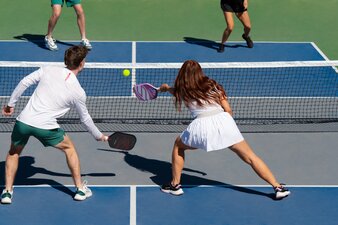
Adapt fast. Your partner’s style may change every game. Ask one quick question before you start: “Dink more or drive more?” That sets a simple plan.
Use high-percentage plays:
- Deep, safe returns Push opponents back and buy time.
- Third-shot drop or drive Choose based on ball height and your partner.
- Reset under pressure Soften hard balls into the kitchen to slow the rally.
- Target open space Not the hero shot. Keep it smart and steady.
When you face hard hitters, try soft blocks and early preparation. When rallies get tense, breathe and play one ball at a time. This mindset shift is part of what is open play pickleball and why it builds real match skills.
Costs, Scheduling, and Busy-Court Hacks
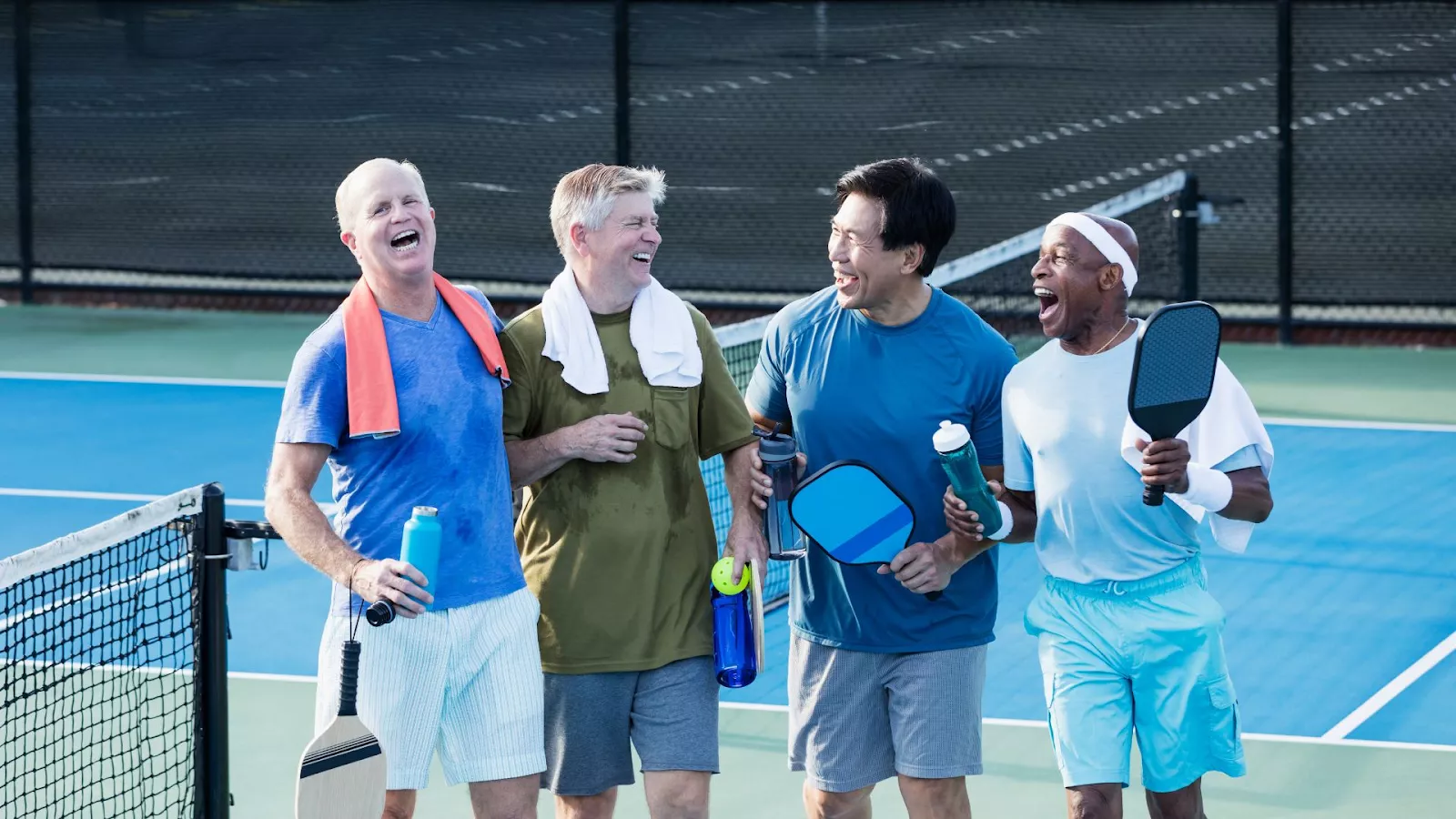
Costs vary. City parks may be free. Clubs or rec centers may charge a drop-in fee or small membership. Some use wristbands during peak hours.
Beat the rush:
- Go early mornings or midday weekdays Lines are shorter.
- Use shorter games to keep play moving If your group agrees, go to 9.
- Make a challenge or beginner court Clear signs help set expectations.
If crowds overwhelm you on the first try, ask the host for beginner times. A friendly start shapes how you feel about what is open play pickleball long term.

Safety, Inclusivity, and Accessibility
Stay safe:
- Watch your footwork No backpedaling on lobs. Turn and run.
- Give space at the kitchen Avoid paddle clashes and trips.
- Hydrate and cool down Heat sneaks up fast on hard courts.
Many communities run inclusive and adaptive sessions. Open play is for all ages and backgrounds. If you need a slower court or a softer ball, ask. Kind hosts will help. That welcoming spirit defines what is open play pickleball in many cities today.
Frequently Asked Questions of "what is open play pickleball"
What is open play pickleball versus reserved courts?
Open play is drop-in with rotating partners and no fixed teams. Reserved courts are booked times for private games with your chosen group.
How long are open play games?
Most go to 11, win by 2. Busy parks may play to 9 to move queues faster.
Do I need a partner for open play?
No partner needed. Show up, place your paddle in the queue, and you’ll be matched with others.
Is open play good for beginners?
Yes, but look for beginner or mixed sessions. You will learn faster with friendly players and clear level signs.
What should I say if I’m new?
Tell the group you’re new and ask how the rotation works. Most open play crews are happy to guide you.
How do I know if I’m ready for advanced open play?
If you can serve deep, return deep, dink with control, and reset under pressure, try advanced sessions. If not, stay in mixed or intermediate to grow your base.
What gear is best for open play?
Court shoes, a comfortable paddle, and the right outdoor or indoor ball. Bring water, a towel, and sunscreen.
What if I keep getting paired with much stronger players?
Be honest and ask for balanced matchups or a beginner court. It keeps play fair and fun for everyone.
Conclusion
Open play is the heartbeat of modern pickleball. It’s simple, social, and the fastest way to learn. If you came wondering what is open play pickleball, now you know how it works, what to bring, how to play well with strangers, and how to find sessions that match your level.
Show up once this week. Be kind, call the score, and keep the ball in play. Then share your best tip or question with the community, subscribe for more guides, and keep building your game.