Pickleball works your legs, glutes, core, shoulders, forearms, and back with every rally.
If you want a clear, friendly guide to what muscles does pickleball work, you are in the right place. I coach new and seasoned players, and I’ve seen how the right muscle focus boosts power, control, and joint health. Keep reading for a simple, research-backed tour of the muscles you use, how to train them, and real court tips that help you play longer and feel better.
The Pickleball Muscle Map: The Big Picture
Pickleball is a full-body sport. Your whole chain works from the ground up. If you ask what muscles does pickleball work, start with this list.
- Lower body: glutes, quads, hamstrings, calves, and hip stabilizers drive movement.
- Core: abs and obliques brace your trunk for shots and quick stops.
- Upper body: shoulders, rotator cuff, back, chest, forearms, and wrists guide the paddle.
- Posture muscles: mid-back and deep core keep you tall, stable, and ready.
Think of your legs as the engine, your core as the gearbox, and your arms as the steering. When these parts sync, your game feels smooth and strong. This is the simple answer to what muscles does pickleball work.

Upper Body: Shoulders, Arms, Forearms, and Back
Your upper body does more than swing. It sets angles, absorbs force, and adds touch.
- Shoulders and rotator cuff: supraspinatus, infraspinatus, teres minor, and subscapularis guide your arm. They help you serve, volley, and hit overheads with control.
- Scapular stabilizers: lower traps, mid traps, serratus anterior, and rhomboids keep your shoulder blade stable. This protects the joint and improves reach.
- Forearms and wrists: flexors and extensors manage grip, spin, and soft hands at the kitchen.
- Biceps and triceps: help with volleys, resets, and quick blocks.
- Chest and lats: add power to drives and overheads by linking trunk and arm.
On court, I cue players to “set the shoulder blade” before they swing. This one habit saves many elbows and shoulders. If you are still asking what muscles does pickleball work up top, focus on cuff, forearms, and mid-back.
Lower Body and Hips: Your Power Base
Footwork rules pickleball. Your legs set up every shot.
- Glutes: the main drivers for push-offs, lunges, and stops.
- Quads and hamstrings: help with knee bend, speed, and safe decel.
- Calves and Achilles: support split-steps and quick hops at the kitchen line.
- Hip adductors and abductors: control side steps and change of direction.
Most errors start with slow feet, not slow hands. Train your base, and your shots improve. A good test is this: can you hold a low ready stance with even weight? If yes, you already feel what muscles does pickleball work in your legs and hips.

Core and Stability: The Shot Maker
Great players do not swing with arms alone. They use the trunk to transfer force.
- Rectus abdominis and obliques: rotate, resist rotation, and keep ribs stacked.
- Transverse abdominis and multifidus: deep stabilizers that protect the spine.
- Pelvic control: helps you load and unload from either leg without wobble.
Think of the core as a seatbelt for your spine. It lets your shoulders stay calm while your hips drive. When people ask what muscles does pickleball work for control, I point to anti-rotation strength. It keeps dinks soft and drives clean.
Movement Patterns, Power, and Energy
Pickleball is a game of quick bursts and short rests. You use many movement skills.
- Split-step and shuffle: quick prep for any ball.
- Lunge and reach: low shots and stretch volleys.
- Cross-over steps: chase lobs and deep balls.
- Short sprints: cover angles and regain center.
You tap both aerobic and anaerobic systems. Most rallies last seconds, with many spikes of effort. Strong legs and a braced core reduce energy leaks. That is another layer to what muscles does pickleball work during real play.

Common Imbalances and How To Prevent Injuries
A smart plan builds strength and shields your joints. Here are patterns I see often.
- Stiff calves and tight Achilles: ease in with good warm-ups and calf raises.
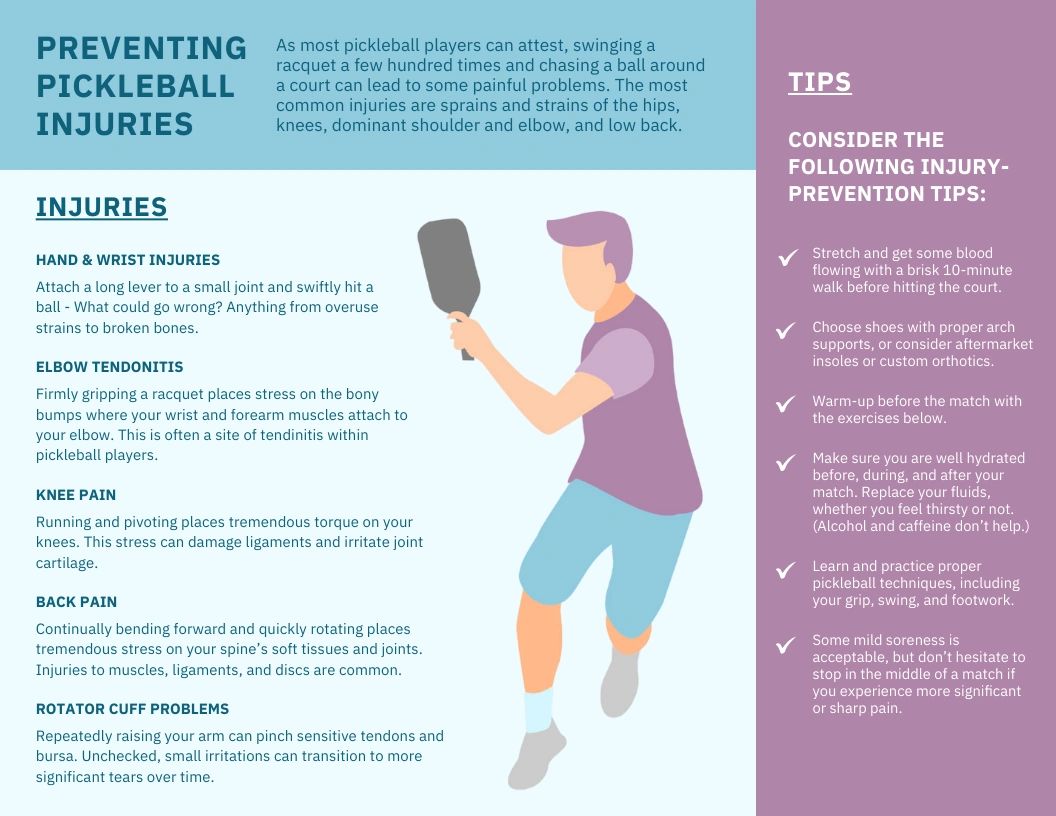
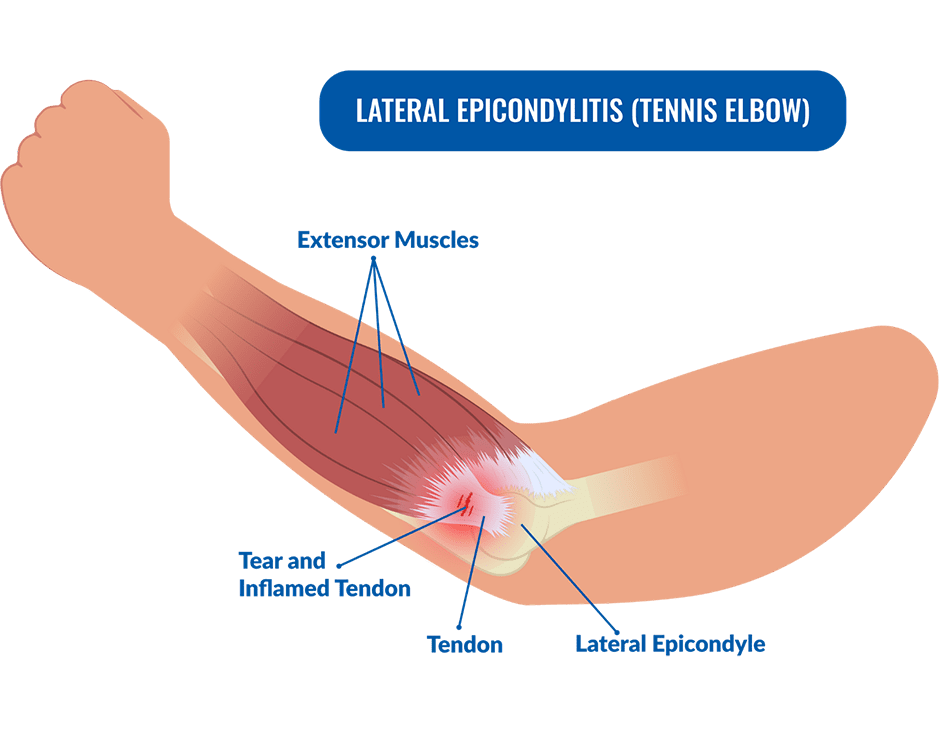
- Tender elbow or forearm: add forearm extensor work and vary grip pressure.
- Sore shoulder: strengthen rotator cuff and scapular muscles; avoid only overhead work.
- Knees that ache: improve hip strength and landing control; keep feet active.
Warm-up I use and teach, in 6 minutes:
- Light jog or jump rope, 60 seconds.
- Ankle rocks, 20 each side.
- World’s greatest stretch, 4 each side.
- Band pull-aparts, 20 reps.
- Split-step practice, 30 seconds.
- Dink and volley pattern, 2 minutes.
This prep fits all levels. It speaks to what muscles does pickleball work without fatigue. Sports medicine research supports warm-ups that raise body temp and activate key muscles before play.
How To Train The Right Muscles For Pickleball
Use a simple plan, 2 to 3 days a week. Keep sets short and crisp.
Strength
- Goblet squat or split squat: 3 sets of 6 to 8.
- Hip hinge or Romanian deadlift: 3 sets of 6 to 8.
- Single-leg bridge: 3 sets of 8 each side.
- Row plus Y-raise: 3 sets of 8 each.
- External rotation with band: 2 sets of 12.
Power and agility
- Medicine ball side toss: 3 sets of 6 each side.
- Low pogo hops: 3 sets of 15.
- Lateral shuffle to stick: 4 rounds of 10 seconds.
Core
- Pallof press: 3 sets of 10 each side.
- Dead bug or bear hold: 3 sets of 20 to 30 seconds.
Conditioning
- Court intervals: 15 seconds on, 45 seconds off, 10 rounds.
This plan mirrors what muscles does pickleball work in games. It builds legs, core, and shoulder control with low joint stress.

At-Home Exercises and Drills
No gym? You can still make gains fast.
- Sit-to-stand from a chair: add speed, 3 sets of 10.
- Reverse lunges: 3 sets of 8 each side.
- Calf raises on a step: 3 sets of 12.
- Wall slides and band pull-aparts: 2 to 3 sets of 12.
- Forearm eccentrics with a light dumbbell: 2 sets of 10.
- Shadow dinks and volleys: 5 minutes, focus on footwork and paddle path.
These moves target what muscles does pickleball work during real rallies. Keep form clean. Stop one rep before it gets sloppy.

Real-Life Tips From The Court
Here are lessons I share with new partners.
- Load the legs, not the elbow. Use a soft, bent-knee base before each shot.
- Relax your grip. Let forearms guide the paddle, not choke it.
- Land light. Think “quiet feet” to protect knees and Achilles.
- Reset posture after every shot. Tall chest, stacked ribs, eyes up.
- Build a tiny warm-up ritual. Mine is split-step, mini shuffle, dink, repeat.
These habits help you feel what muscles does pickleball work on every point. They also keep you fresh late in the match.
Frequently Asked Questions of what muscles does pickleball work
Does pickleball build muscle or just burn calories?
It does both. You will build strength in legs, glutes, core, and shoulders while also burning steady calories.
What muscles are most important for pickleball power?
Your glutes and core drive most of your power. Stable shoulders and lats transfer that power to the paddle.
How does pickleball work the core?
Your core braces and rotates with each shot. It stops extra twist so your hands stay steady.
Will playing pickleball tone my arms?
Yes, forearms, biceps, triceps, and shoulders all work. You will see better tone if you add light strength work.
Can pickleball help with balance and stability?
Yes, the split-step and lunges train balance. Hip and ankle muscles learn to react fast and keep you upright.
What is the best warm-up for shoulder safety?
Do band pull-aparts, external rotations, and scapular slides. Add light shadow swings before you serve.
How many days a week should I strength train for pickleball?
Aim for 2 to 3 short sessions. Keep sessions 20 to 40 minutes to avoid fatigue before matches.
Conclusion
Pickleball is a full-body workout that builds legs, hips, core, and upper body without long gym hours. If you ever wonder what muscles does pickleball work, think engine, gearbox, and steering: legs for drive, core for control, and arms for aim. Small, steady training is the fastest way to better rallies and safer joints.
Pick one tip from this guide and use it in your next match. Want more? Subscribe, share your progress, or drop a question so we can level up your game together.