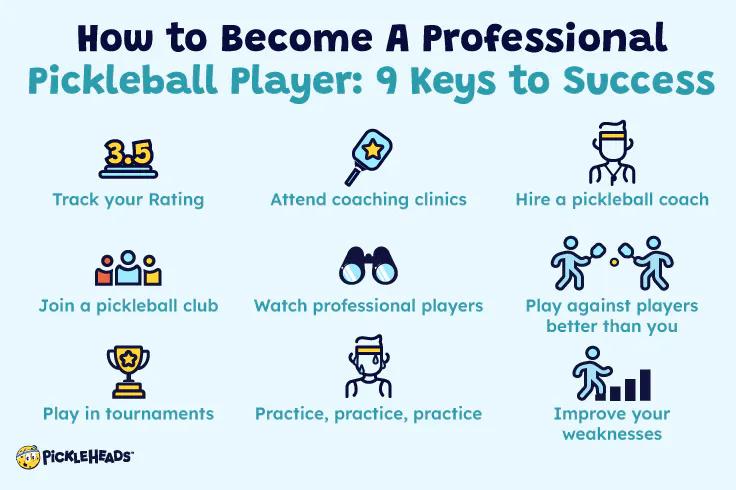
Master advanced skills, build ratings, compete often, and secure sponsors and coaching.
You want to know how to become a professional pickleball player. I’ve coached, trained, and traveled with players chasing that dream. In this guide, I’ll show you the full path with clear steps, real timelines, and honest tips. If you are serious about how to become a professional pickleball player, this roadmap will save you time, money, and guesswork.
Map the Pro Pathway: What “Pro” Really Means
Pro in pickleball is not just a label. It is a track with ratings, tours, contracts, and results. If you want how to become a professional pickleball player, you need to know the ladder.
- Ratings and entry points. Build a 5.0+ skill level and a strong DUPR rating. Most new pros first stand out at 4.5 and 5.0 divisions, then qualify into pro draws.
- Tours and leagues. The major stops are national pro tours and team leagues. They run qualifiers, main draws, and points lists. Many players start in open brackets and work up to pro brackets.
- Events and formats. Singles, doubles, and mixed doubles each have different demands. Doubles is the fastest path for many athletes.
- Gateways to the main draw. Win qualifiers, earn wild cards, or climb ranking points. Consistent regional wins get you noticed.
Key takeaway: how to become a professional pickleball player starts with ratings and results, not hype. Build proof on court, then doors open.

Master the Core Skills Pros Use Every Match
You cannot skip fundamentals. If you want how to become a professional pickleball player, make your base solid and sharp.
- Serve and return. High first-serve percentage, deep returns, and smart targets. Track depth and spin, not speed alone.
- Third shot options. Drop, drive, and lob mix. Use the drop when you want control. Use the drive to force a pop-up. Lob sparingly.
- Dink game. Keep dinks low, crosscourt heavy, and change pace. Aim for heavy spin and shape.
- Hand speed and counters. Learn speed-up patterns from both wings. Practice block, counter, reset.
- Advanced moves. ATP, Erne, shake-and-bake, poach timing, and stack patterns. Train footwork to arrive early.
- Transition zone. Reset under pressure. Stay calm. Use a softer grip. Aim for the kitchen.
Pro tip from the road: I reduced my unforced dinks by counting them per game. The moment I tracked, errors dropped by half. This small habit speeds up how to become a professional pickleball player.
Build a Training Plan That Scales to Pro Level
A plan beats random grinding. Here is a simple model to guide how to become a professional pickleball player.
- Periodization in three phases
- Base phase. Technical reps, aerobic base, mobility, and reset skills. Six to eight weeks.
- Build phase. Power, speed, match play, and scenario drills. Four to six weeks.
- Peak phase. Taper, scouting, and confidence reps. Two to three weeks.
- Weekly structure example
- Two technical drill days. Serve and return targets, third-shot progressions, dink ladders.
- Two match-play days. Set formats like first to 11, king-of-the-court, pressure tie-breaks.
- Two strength and conditioning days. Hinge, squat, push, pull, core, and ankle work.
- One recovery day. Mobility, soft tissue, and light cardio.
- Metrics to track
- First-serve in percentage over 85 percent.
- Return depth past the baseline box over 70 percent.
- Unforced errors per game under five in doubles.
- Dink length under the net tape more than 70 percent.
Consistency turns into results. That is how to become a professional pickleball player without burning out.

Compete Smarter: Ratings, Tournaments, and Progression
Your competition map matters. If you want how to become a professional pickleball player, choose events with a clear climb.
- Step-by-step path
- Dominate local 4.0 and 4.5 events. Aim for podium finishes, not random entries.
- Move into 5.0 and open brackets. Stack results in doubles first.
- Play qualifiers at major events. Learn the flow and pace.
- Secure main draw wins. Build points, then seek wild cards.
- Rating systems
- DUPR. Cross-event rating that helps compare levels. Many tours and clubs use it.
- Other rating lists. Some events track their own seeds and points. Keep profiles updated.
- Scouting and film
- Watch the players you want to beat. Note their patterns on big points.
- Build a notes sheet with serve targets, speed-up choices, and side preferences.
I learned to enter two events per trip, not three. Fresh legs improved my results and kept my rating rising. That small choice sped up how to become a professional pickleball player for me and my partners.
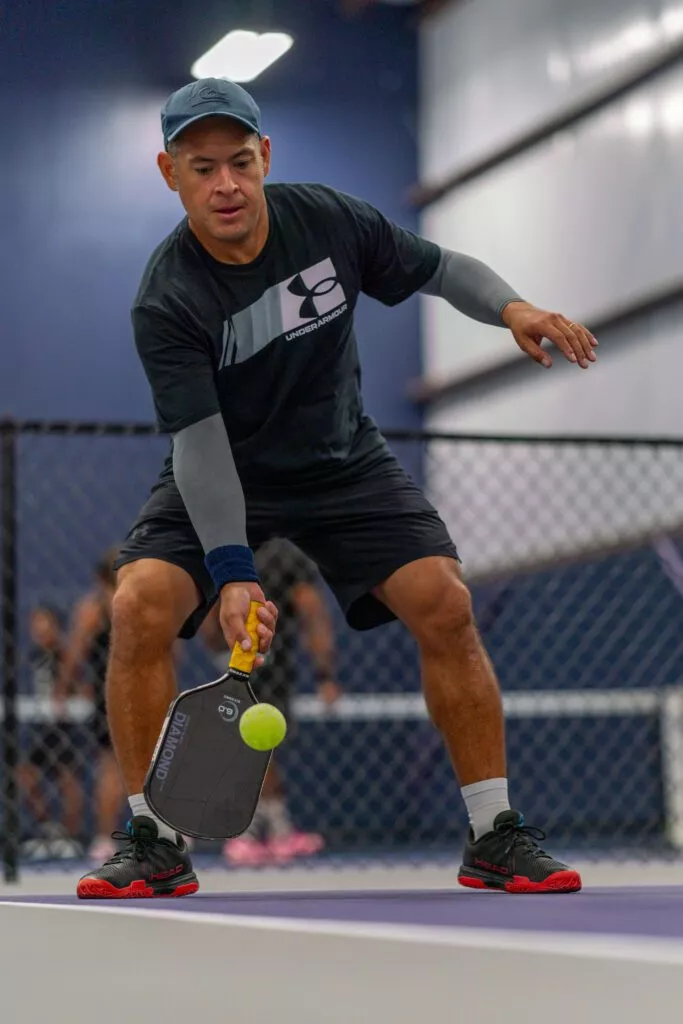
Fitness, Recovery, and Injury Prevention
Pickleball looks gentle until you play pro pace. To master how to become a professional pickleball player, your body must be ready.
- Strength and mobility
- Prioritize hips, hamstrings, calves, and shoulders.
- Do single-leg stability drills. Balance feeds power and safety.
- Conditioning
- Intervals with work-to-rest of 1:1 or 1:2. Mimic rally bursts.
- Add lateral shuffles and reaction drills with a ball drop or cue.
- Injury prevention
- Warm up 10 minutes before every hit. Skips, shuffles, band work.
- Focus on ankle and Achilles care. Eccentric calf raises are gold.
- Recovery
- Sleep 7 to 9 hours. It beats any tool.
- Hydrate with electrolytes. Add carbs and protein post-match.
Stay available. Availability is a pro skill. This is a core truth in how to become a professional pickleball player.

Mindset and Matchcraft
At 10-10, the match is mental. If you want how to become a professional pickleball player, train your head like your hands.
- Pressure plans
- Pre-point routine. Breath, cue word, target.
- Between points, reset posture and eyes.
- Focus tools
- Use one-tactical-change rule when tilted. Keep it simple.
- Fix shape and depth before speed. It calms nerves.
- Composure drills
- Play tiebreaks to 7 with consequences. Loser does extra cardio.
- Start games down 0-6 to practice comebacks.
- Team chemistry
- Agree on signals and stack plans.
- Own errors fast. Praise effort, not outcomes.
I learned to write one sentence on my paddle edge tape. Mine says, Shoulders loose, shape the ball. That alone helped me hold serve in finals and moved me closer to how to become a professional pickleball player.

Gear, Data, and Tech
Smart tools help, but they do not replace reps. They do speed up how to become a professional pickleball player.
- Paddle and setup
- Choose a shape that matches your game. Power shapes for drive-heavy players. Control shapes for reset-first players.
- Test grip size, lead tape, and overgrips to tune swing weight.
- Shoes and support
- Wear court shoes with strong lateral support. Replace often.
- Use ankle braces if you have a history of sprains.
- Data and video
- Track serve targets, dink errors, and speed-up wins.
- Record matches. Tag big points. Note patterns and nerves.
- Wearables and sensors
- Use basic heart rate tracking to pace intervals.
- Avoid data overload. Pick three metrics and stick with them.
Keep a simple log. Five minutes a day compounds into big gains and shortens the time for how to become a professional pickleball player.

Money, Sponsors, and Your Personal Brand
Pros do more than play. If you want how to become a professional pickleball player, treat it like a small business.
- Costs to plan
- Travel, entries, coaching, gear, and recovery tools.
- Build a simple budget by quarter. Track every expense.
- Income streams
- Prize money, appearance fees, clinics, lessons, brand deals, and content.
- Host camps when you enter new markets to offset costs.
- Sponsorships
- Create a one-page media kit. Add results, schedule, and audience.
- Offer value. Local events, social content, and product feedback.
- Branding
- Post match clips, drills, and tips. Share the journey, not just wins.
- Be reliable. Brands back pros who deliver on time.
Early on, a small local sponsor covered my flights. I delivered three clinics and honest gear feedback. That deal helped sustain how to become a professional pickleball player without debt.

Daily and Weekly Routines That Pros Use
Routines keep you moving forward when motivation dips. They make how to become a professional pickleball player feel doable.
- Daily
- Ten minutes of mobility after waking.
- One technical block or a focused lift.
- Ten minutes of film or journal review.
- Weekly
- Two heavy drill days and two match days.
- One travel buffer day for events.
- One deep recovery day after back-to-back matches.
- Monthly
- One test day for serve targets and hand-speed drills.
- One full budget and schedule review.
Keep it light, consistent, and trackable. Wins follow the routine.
Common Mistakes That Slow the Pro Journey
Avoiding traps is part of how to become a professional pickleball player.
- Playing too many events. Quality beats quantity. Plan peak windows.
- Skipping recovery. Soreness is not toughness. It is a warning.
- Ignoring doubles chemistry. Great teams beat great players.
- Chasing gear fixes. Technique and footwork matter more.
- Not filming matches. Memory lies. Video tells the truth.
I made the volume mistake early. Cutting one event per month raised my win rate and kept me healthy.
Timeline and Milestones You Can Use
Your pace may vary, but a clear plan helps. Use this template to manage how to become a professional pickleball player.
- Months 0 to 3
- Assess rating. Build technique base. Film matches.
- Enter local 4.5 and selected 5.0 draws.
- Months 4 to 6
- Add strength blocks. Target podiums at 5.0 and open.
- Travel to one higher-level qualifier. Learn the pace.
- Months 7 to 12
- Secure consistent partners. Focus on doubles results.
- Build points. Apply for wild cards. Pitch two sponsors.
- Year 2 and beyond
- Main draw consistency. Solid brand presence.
- Coach or run clinics to stabilize income. Plan recovery weeks.
Progress is not linear. Expect plateaus. Stay steady and keep the process simple.
Frequently Asked Questions of how to become a professional pickleball player
What rating do I need to turn pro?
Most new pros play at 5.0 or higher with a strong DUPR. Your results across open brackets matter more than one number.
How many hours should I train each week?
Aim for 10 to 16 hours across drills, matches, and strength. Keep one full recovery day to avoid injury.
Do I need a coach to go pro?
A coach shortens the learning curve. If money is tight, mix paid sessions with peer drills and video feedback.
Should I focus on singles or doubles first?
Doubles offers more entry paths and partner support. Singles builds fitness and weapons but can be harder on the body.
How long does it take to become pro-ready?
Many players need 12 to 24 months of focused work. Your background in racquet or paddle sports can speed this up.
Conclusion
Becoming a pro is a clear, practical journey. Build elite skills, plan your season, track your numbers, protect your body, and grow your brand. If you stay consistent, your results and rating will open doors.
Start today. Pick one skill to sharpen, one event to enter, and one habit to track. If this helped, subscribe for more guides, ask a question in the comments, or share your own path so others can learn.