

Play with a lower, safer trajectory, use compact swings, and aim bigger targets.
Wind does not have to ruin your match. I’ve coached and played on breezy beaches and gusty high plains, and I’m here to show you how to play pickleball in the wind with confidence. In this guide, we will break down real tactics, gear tweaks, and drills you can use today. If you want a clear, practical plan for how to play pickleball in the wind, you’re in the right place.

Why wind changes the game
Wind turns every rally into a moving puzzle. Pickleballs are light, perforated, and easy to push around. A steady breeze can carry your shots long. A gust can drop them at your feet. Understanding this helps you keep your cool.
Here’s what the wind does to the ball:
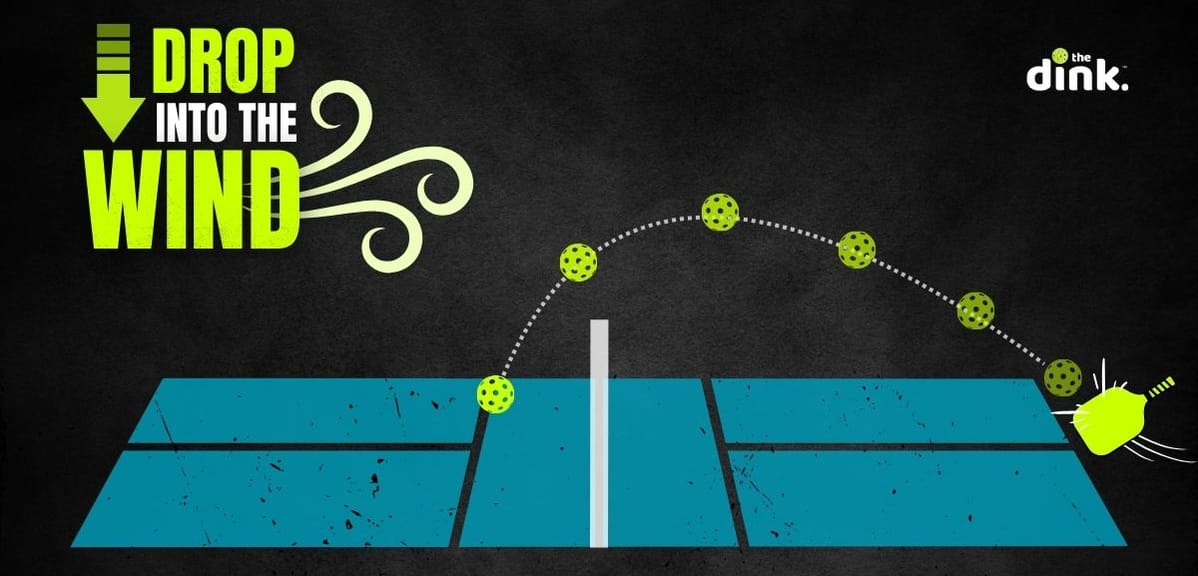
- Headwind slows the ball and makes it drop sooner. You may leave shots short.
- Tailwind speeds the ball and makes it carry long. Keep a lid on power.
- Crosswind curves the ball sideways. Big margins beat tight lines.
A few real-world checks help. Watch flags, trees, and your opponent’s shirt. Toss a bit of grass. Note gusts versus steady wind. This simple scan sets your plan for how to play pickleball in the wind before the first serve.
Gear tweaks for windy days
Your setup can stabilize your game without breaking rules.
What to adjust:
- Ball choice. Use a true outdoor ball with many smaller holes and a stiffer shell. It resists wobble better than soft or indoor balls.
- Paddle weight. A slightly heavier paddle adds stability and reduces flutter in gusts. If your arm is sensitive, add a thin lead strip at 3 and 9 o’clock.
- Paddle surface and core. A textured face helps you shape spin. A thicker core can feel calmer on off-center hits.
- Grip and eyewear. Use a fresh tacky overgrip. Wear a brimmed hat or visor and reliable sunglasses to cut glare and dust.
- Shoes and clothing. Stable shoes and layered, snug gear help you move and keep balance.
I learned this the hard way at a coastal tournament. A stiffer outdoor ball and two grams of lead tape turned my mishits into clean drives. It felt like cheating the wind, but it was just smart prep for how to play pickleball in the wind.

Serve and return adjustments
Your first two shots set the tone in wind. Keep them simple, deep, and safe.
Serving tips:
- Into a headwind. Add a little arc and drive through the ball. Aim deeper targets. Topspin is fine, but do not baby it.
- With a tailwind. Use a lower contact and a flatter path. Hit through the court, not up. Topspin helps bring the ball down.
- In a crosswind. Start your aim a foot or two into the wind. A touch of sidespin can hold the line.
Returning tips:
- Prioritize depth over power. A deep return gives you time to get to the kitchen.
- Keep your swing compact. Let your legs load the shot. The wind will punish big loopy swings.
- Aim big. Middle or heavy crosscourt is a safer lane when learning how to play pickleball in the wind.
Quick checklist:
- Stand a step farther back for tailwind serves.
- Step in on headwind serves so you do not leave the return short.
- Commit to contact out front. Hesitation is the wind’s best friend.

Dinking, volleys, and net play in the wind
Touch play is where wind does the most mischief. Use structure and clear targets.
Dinking:
- Into a headwind. Aim slightly deeper. The ball will stall and drop short if you under-hit.
- With a tailwind. Aim shorter and keep the ball low. Add a hint of topspin to land it.
- In a crosswind. Dink toward the wind side. Give yourself an extra foot of net clearance.
Volleys:
- Keep a short punch. Use your body weight to drive the ball, not a big arm swing.
- Find the middle. The wind widens gaps; the middle shrinks them.
- Reset often. When it gets messy, block and drop into the kitchen.
Lobs and overheads:
- Tailwind lobs can be lethal. Use them. They carry deep fast.
- Headwind lobs hang. Avoid them unless your opponent is glued to the net.
- For overheads, move early and keep your eyes level. Let the ball come to you.
I coach players to think “quiet hands, steady core” at the net. When you apply this, you will feel how to play pickleball in the wind without fear of fluffing dinks or sailing volleys.

Footwork, court positioning, and shot selection
Wind punishes poor balance more than poor form. Build a base first.
Footwork keys:
- Wider stance and soft knees. Stay grounded.
- Early split step. Land as your opponent hits.
- Small adjustment steps. Do not leap. Glide.
Positioning:
- Cheat a half-step into the wind’s push. It cuts reaction time.
- Close the middle in gusts. Partners should move as a unit.
- Back off one step in heavy tailwinds. It buys you space to defend.
Shot selection:
- Big targets. Middle, crosscourt, deep thirds.
- Fewer lobs into headwinds. More drives when the ball sits up.
- More resets. When the rally turns wild, slow it down.
This is the core of how to play pickleball in the wind: steady feet, honest targets, and a bias toward control.

Strategy by wind direction
Headwind:
- Hit through the ball. Aim deeper. Drive third shots more often.
- Serve with a touch more arc. Expect returns to land shorter.
- Dinks can be deeper. Let the wind do the softening.
Tailwind:
- Keep the ball low and fast. Topspin helps rein it in.
- Aim shorter on dinks and drops. Shots carry.
- Lobs are on. Use them to move teams back.
Crosswind:
- Aim into the wind and add margin over the net.
- Shape your shots. A hint of sidespin can hold the line.
- Attack through the middle. Reduce angles the wind can bend.
Gusts, not steady wind, cause most errors. When gusts rise, slow your tempo, shorten swings, and play bigger targets. These choices define how to play pickleball in the wind at a high level.

Practice drills for wind control
Train on windy days on purpose. You will leapfrog players who hide indoors.
Try these:
- Serve box ladder. Hit five serves to each quadrant with the wind, then against it. Track make rate.
- Return depth game. Partner serves; you return past a tape line near the baseline. Ten in a row under different winds.
- Crosswind dinks. Place a target cone upwind. Dink to it with extra net clearance. Switch sides.
- Punch volley wall. Stand close to a wall and punch volleys with a short stroke. Focus on quiet hands.
- Drop and drive mix. Feed yourself a ball, hit a drop, then a drive. Adjust aim with each wind change.
Pro tip: Use a simple wind note on your phone before you play. Log which cues worked. This habit sharpens how to play pickleball in the wind faster than any gadget.

Safety, etiquette, and mindset
Windy days demand patience and care.
Safety:
- Watch for dust, leaves, or wet spots blown onto the court.
- Avoid staring up into strong sun and wind without eye protection.
- Do not overreach on lobs. Let doubtful balls bounce.
- Pause a second if a big gust hits on the toss. Everyone gets it.
- Call lines with grace. The wind can fool eyes.
- Communicate with your partner on every ball. Loud and clear.
Mindset:
- Lower your ego. Fewer winners, fewer errors.
- Play point by point. Gusts come and go.
- Celebrate good decisions, not just outcomes.
When players ask me how to play pickleball in the wind without losing their cool, I tell them: win the mental match first. Wind rewards the calm and the prepared.
Frequently Asked Questions of how to play pickleball in the wind
What is the best ball for wind?
Choose a true outdoor ball with many small holes and a firm shell. It flies straighter and wobbles less in gusts.
Should I change my paddle weight on windy days?
A slightly heavier paddle adds stability and improves contact. Keep changes small so your timing stays the same.
How do I serve in a strong headwind?
Use a bit more arc and drive through contact. Aim deep targets and keep your toss consistent and low.
Are lobs a good idea in the wind?
Lobs with a tailwind work well and carry deep. Into a headwind, they tend to hang and get crushed.
How should I aim in a crosswind?
Aim into the wind and allow extra margin over the net. Add a touch of spin to help the ball hold its line.
What is the number one mistake in wind?
Big, loopy swings. Keep strokes compact, use your legs, and pick big targets.
Can I practice without a partner?
Yes. Serve ladder drills, wall punch volleys, and solo drop drills all work. Train in real wind when you can.
Conclusion
Wind turns pickleball into a test of control, patience, and smart choices. Choose stable gear, keep compact swings, and aim for big, honest targets. Adjust for headwind, tailwind, and crosswind, and build habits with simple drills.
Put these steps into play in your next session. You will feel calmer, hit cleaner, and win more windy points. If this helped, share it with a friend, subscribe for more guides, or leave a comment with your best windy-day tip.