Pop tennis is a softer, smaller-court take on tennis; pickleball is paddle-based with unique kitchen rules.
If you want a clear, friendly guide on pop tennis vs pickleball, you’re in the right place. I play and coach both. I know where they shine, where they overlap, and where beginners get stuck. This deep dive on pop tennis vs pickleball will help you pick the right sport, improve faster, and enjoy the ride.
Pop tennis vs pickleball at a glance
Both sports use paddles, small courts, and quick points. Yet they feel very different. Pop tennis looks like tennis but with a lower bounce and shorter swings. Pickleball is its own thing, with the kitchen, soft dinks, and side-out scoring.
Here is the simple view:
- Court size: Pop tennis is smaller than tennis, larger than pickleball.
- Serve: Pop tennis uses one underhand serve. Pickleball uses an underhand serve and allows a drop serve.
- Scoring: Pop tennis uses tennis-style games and sets. Pickleball uses side-out scoring to 11, win by 2.
- Play style: Pop tennis is net rush and baseline tools. Pickleball is dinks, drops, drives, and resets.
- Access: Pickleball courts are everywhere. Pop tennis courts exist but are less common.
From my sessions, pop tennis feels like tennis in a tighter frame. Pickleball feels like chess at the net with fast hands.
Rules and scoring differences
Pop tennis uses the tennis flow. You score 15, 30, 40, then game. You play sets to 6, win by 2. Serves are underhand and you get one serve per point.
Pickleball uses side-out scoring. Only the serving team can score. Games are often to 11, win by 2. There is a two-bounce rule to start each rally. The serve and the return must bounce before a volley can happen.
The non-volley zone, also called the kitchen, makes pickleball unique. You cannot volley while standing in the kitchen. In pop tennis, you can volley anywhere on your side.

Court, gear, and setup
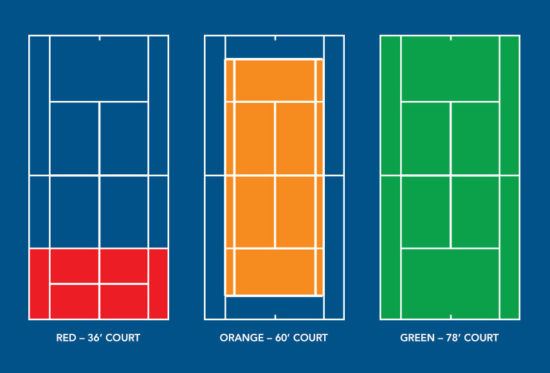
A pop tennis court is smaller than a tennis court. It is bigger than a pickleball court. The net is tennis-like and a bit lower than a standard tennis net. Lines mirror a tight tennis layout, with no kitchen.
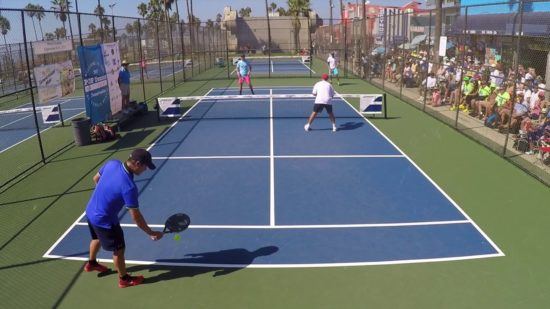
A pickleball court is 44 feet by 20 feet for both singles and doubles. The net is about 34 inches in the middle. There is a 7-foot kitchen on each side. Lines are simple and clear, which helps new players feel at ease.
Gear also feels different:
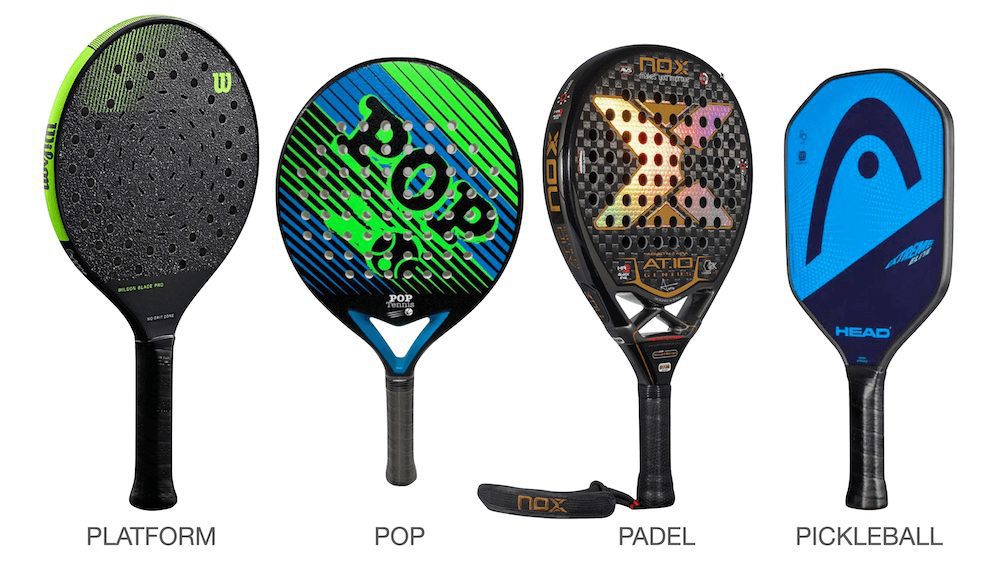
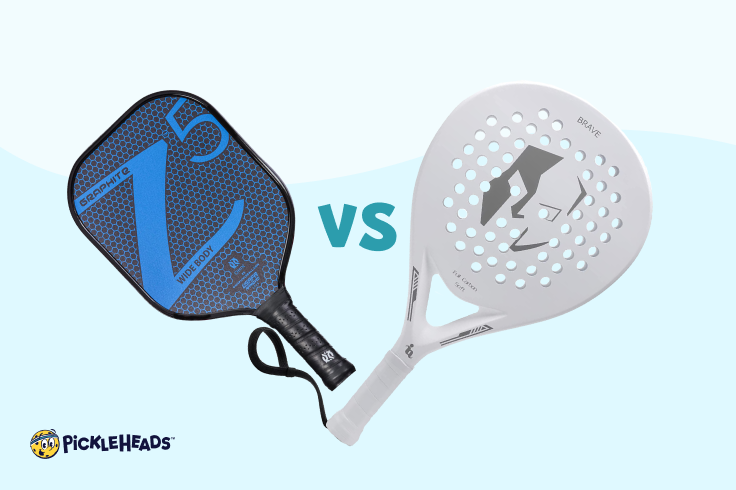
- Pop tennis paddle: Solid face, no strings. It is heavier than a pickleball paddle. You use a low-compression tennis ball with a softer bounce.
- Pickleball paddle: Composite or graphite face with a honeycomb core. You use a plastic wiffle-style ball with holes.
Set up is easier with pickleball. Portable nets and taped lines work fast. Pop tennis often uses marked courts at clubs or parks. You can also use junior tennis lines where allowed.
Skill, strategy, and learning curve
Pop tennis rewards compact strokes and early prep. Slices bite. Topspin helps you control depth. Net play is strong, and the court rewards sharp angles. If you have tennis in your past, you will feel at home fast.
Pickleball rewards touch and patience. Soft dinks pull errors. Third-shot drops set up the point. Hands battles at the kitchen win games. If you are new to racquet sports, you can rally on day one.
In my drills, I see this: Tennis players jump into pop tennis with ease. They need more time to master the pickleball kitchen. New players with no tennis past often pick up pickleball first and add pop tennis later.

Fitness and injury risk
Both sports are joint-friendly compared to full-court tennis. The courts are small. The pace is quick. You get a fun cardio hit with less pounding.
Pop tennis has longer swings than pickleball but a softer ball. It feels smooth and kind to the arm. Good footwork still matters. Ankles and knees need warm-up.
Pickleball is very stop-and-go. Quick lunges and fast hands can stress the shoulder, elbow, and Achilles. Sports medicine clinics report more overuse injuries as play volume grows. Warm up with bands, do calf raises, and keep points in control as you learn.
Helpful basics:
- Do a five-minute warm-up every session.
- Add light strength two or three days a week.
- Use shoes with court grip and side support.
- Rest when the elbow whispers, not when it screams.
Cost, access, and community
Pickleball shines on access. Many parks now have lined courts and open play blocks. Paddles start around a modest price and go up for pro models. Balls are cheap and easy to find.
Pop tennis exists in fewer places. Many clubs and beach spots host it. You can also find parks that lined old paddle courts. Paddles cost a bit more on average. Low-compression balls are easy to buy.
The culture is a key part of pop tennis vs pickleball:
- Pickleball has open play and quick rotation. You will meet people fast.
- Pop tennis has small but loyal groups. It can feel like a club within a club.
Which one should you choose?
Pick pickleball if you want easy access, a short learning curve, and a big social scene. It works well for most ages and fitness levels. It is great if you like net duels and quick hands.
Pick pop tennis if you love the feel of tennis but want less stress on the body. It suits players who enjoy volleys, slices, and smart angles. It is a sweet middle ground between ping-pong pace and full tennis movement.
Still unsure? Try both in one week. That is the best way to solve pop tennis vs pickleball for your needs. Pay attention to your joints, your smile, and your drive to come back.
Tips to switch between the two
Switching between pop tennis vs pickleball is fun. It also needs a few tweaks.
- Shorten your backswing. Both sports reward compact strokes.
- Change your grip pressure. Use a soft hand at the net in pickleball. Use a firm but relaxed hand at contact in pop tennis.
- Aim lower over the net in pickleball. Aim deeper to corners in pop tennis.
- Move your feet first. Small steps beat big lunges.
- Train touch. Practice dinks and third-shot drops for pickleball. Practice slice and approach patterns for pop tennis.
What worked for me: Ten minutes of targeted warm-up for each sport. It made my drops, dinks, and slices come alive.

Frequently asked questions on pop tennis vs pickleball
Is pop tennis the same as paddle tennis?
They share roots, but pop tennis is the modern brand and rule set. It uses a low-compression ball and a solid paddle on a small court.
Which sport is easier for beginners?
Pickleball is easier for most beginners due to simple strokes and smaller courts. You can rally fast and learn the kitchen with drills.
Can I use the same paddle for both?
No. Pop tennis paddles are heavier and built for a softer tennis ball. Pickleball paddles are lighter and tuned for a plastic ball.
How does scoring differ most?
Pop tennis follows tennis scoring with games and sets. Pickleball uses side-out scoring to 11, and only the serving team can score.
Which is better for fitness?
Both offer great cardio with less impact than tennis. Pickleball has more bursts; pop tennis has more smooth movement and longer swings.
Where can I find places to play?
Check local parks, community centers, and clubs. Many cities list pickleball times online, and pop tennis groups share courts on social pages.
Will tennis skills transfer?
Yes. Tennis skills transfer faster to pop tennis. For pickleball, tennis players need to learn dinks, resets, and kitchen discipline.
Conclusion
Pop tennis vs pickleball is not a fight. It is a menu. Pickleball brings community, access, and fast fun. Pop tennis brings tennis feel, soft impact, and sharp net play.
Try both this month. Note which one makes you lose track of time. Then lean in. If this guide helped, share it with a friend, subscribe for more gear tips, and drop your questions in the comments.