

Yes, you can play pickleball with bad knees if you adapt smartly and pace yourself.
If you wonder can you play pickleball with bad knees, you are not alone. I work with new and returning players who deal with knee pain, arthritis, or past injuries. In this guide, I share proven tips, clear steps, and real stories to help you play safely. You will learn when to push, when to pause, and how to enjoy the game without wrecking your knees.
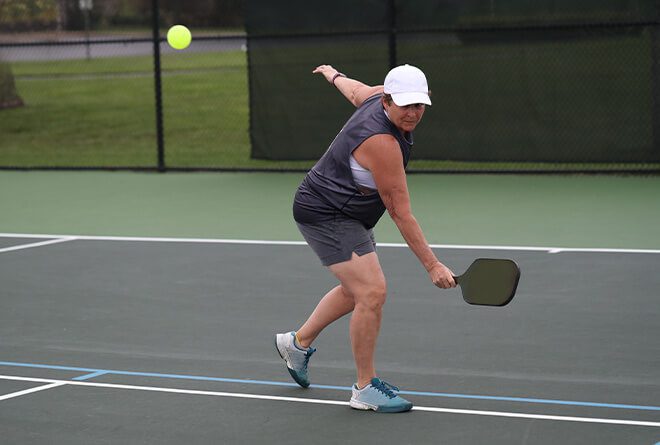
The knee and pickleball basics
Pickleball is quick, fun, and social. It still asks a lot from your knees. Most stress comes from quick starts, stops, lunges, and twisting.
If you ask can you play pickleball with bad knees, the answer depends on the cause and your plan. Many players do well with doubles, smooth footwork, and the right shoes. Others need a break or rehab first.
Knee pain can come from arthritis, past ACL or meniscus tears, patellar pain, or weak hips. The good news is that smart training lowers risk and pain. The game can even improve knee strength and balance over time.

Should you play now? A simple decision guide
Can you play pickleball with bad knees today? Use this quick check.
Ask yourself:
- Is the pain sharp, locking, or swelling after light activity?
- Did you have a recent injury, pop, or a knee that gives way?
- Does walking or stairs cause big pain right now?
If yes to any, pause and get a medical check. If the pain is mild, stable, and improves with warm-up, you can try light doubles. Start slow. Keep sessions short. Track how your knee feels for 24 hours after play.
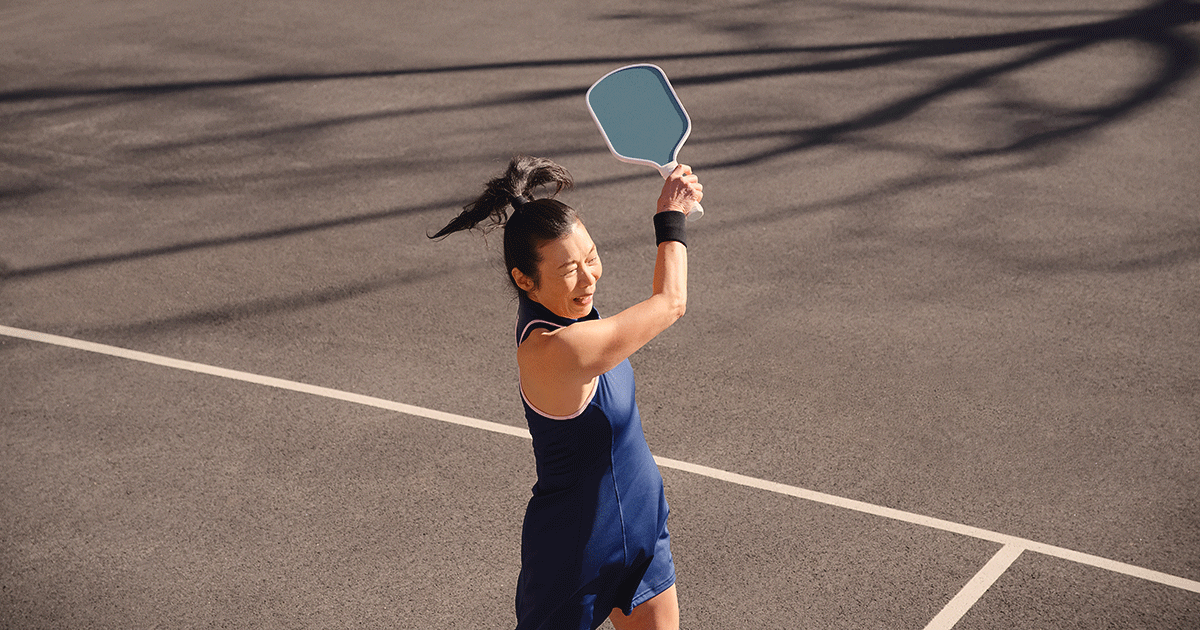
Why pickleball can be knee-friendly
Doubles pickleball has short rallies and smaller courts. That means fewer long sprints and less pounding than many sports. When asked, can you play pickleball with bad knees, my answer is yes for many, because you can dial down speed, space, and force.
Low to moderate play can help joint health. Light loading feeds cartilage and improves muscle support. Good form improves balance and reduces falls. The key is how you play, not just if you play.

Smart changes that protect sore knees
Small tweaks go a long way when you play pickleball with knee pain. These are my day-one changes for any player who asks can you play pickleball with bad knees.
Court and format
- Choose indoor wood or rubber floors if you can. They soften impact.
- Play doubles, not singles. Less court to cover.
- Pick off-peak times. Fewer stops and starts.
Game style
- Focus on dinks, drops, and placement over power.
- Avoid deep lunges. Take small, fast steps instead.
- Do not twist on a planted foot. Pivot the whole body.
- Use a 10–15 minute warm-up.
- Play 15–20 minute blocks with rests.
- Cap total play at 60–75 minutes at first.
Warm-up and strength that protect your knees
A good warm-up cuts pain and risk. Do this simple plan before every game.
- Easy walk or bike for 5 minutes.
- Dynamic moves for 5 minutes:
- Leg swings, ankle circles, hip circles.
- Marching high knees and heel kicks.
- Prep strength for 5 minutes:
- Sit-to-stands from a chair, 2 sets of 10.
- Mini squats, pain-free depth, 2 sets of 8.
- Side steps with a light band, 2 sets of 10 each side.
- Court-feel drills, 3 minutes:
- Small side shuffles.
- Soft split steps and gentle pivots.
Add two short strength sessions each week. Pick moves that target hips, quads, hamstrings, and calves. Strong legs share load and calm the knee.
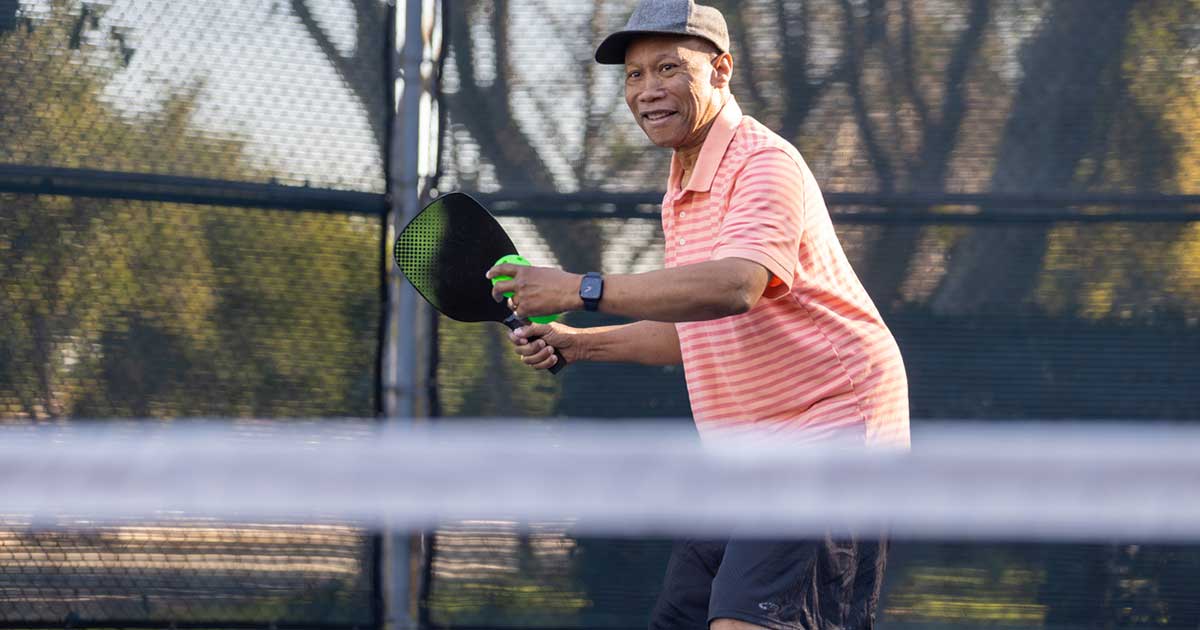
Technique and strategy that lower knee load
How you move matters more than how hard you hit. If you are asking can you play pickleball with bad knees, master these basics.
Footwork
- Stay light on the balls of your feet.
- Use small steps, not big lunges.
- Land softly and keep your knees in line with your toes.
Positioning
- Get to the kitchen early. Shorter reactions, shorter steps.
- Aim shots to slow the pace and draw errors.
- Use the split step before the opponent hits.
Shot choices
- Dinks, third-shot drops, and blocks over full sprints.
- When you must run, decelerate early and round your path.
- Avoid reaching behind you. Turn, shuffle, and face the ball.
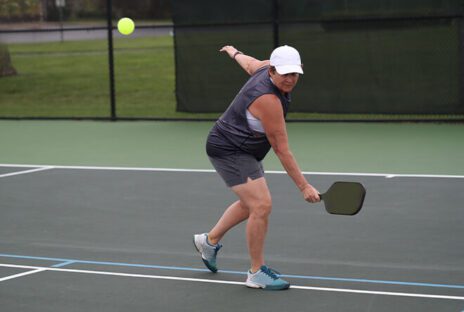
Gear that helps sore knees
Right gear reduces shock and strain. It is a fast win for comfort.
Shoes
- Use court shoes with firm side support and good grip.
- Replace insoles if they feel dead or flat.
- If your arches collapse, try light support insoles.
Bracing and sleeves
- A soft knee sleeve can improve warmth and feel.
- A hinged brace may help for old ligament injuries.
- Test comfort in drills before a full game.
Paddle and ball
- Use a control paddle with a softer face to reduce shock.
- Try a softer ball in cold weather to ease impact.
.png)
Recovery and load management
Spend as much care on recovery as play. That is how you keep going. It is also how I answer yes when asked can you play pickleball with bad knees.
Right after play
- Gentle calf, quad, and hip flexor stretches, 30–45 seconds.
- Ice for 10–15 minutes only if swelling or sharp pain.
- Hydrate and add protein and carbs within an hour.
Over the week
- Use the 10 percent rule. Add time or intensity slowly.
- Keep a simple log for pain, swelling, and sleep.
- Cross-train with cycling, swimming, or walking.
Use pain as data. If pain spikes over a 5 out of 10 or swelling shows up, cut volume by 25–50 percent next time. If pain lasts more than a day, rest and reassess.

A gentle, knee-safe pickleball session plan
Here is a plan I use with new or returning players. It works well when you wonder can you play pickleball with bad knees and want a safe start.
Week 1–2
- Two sessions per week, 45–60 minutes.
- Warm-up 15 minutes.
- Drills 20 minutes: dinks, drops, blocks.
- Doubles play 10–15 minutes, low pace.
- Cooldown 10 minutes.
Week 3–4
- Two to three sessions per week, 60–75 minutes.
- Warm-up 15 minutes.
- Drills 25 minutes: add gentle lobs and resets.
- Doubles play 20 minutes, still smooth, still short.
- Cooldown 10 minutes.
Rules
- No singles yet.
- Rest at least one day between sessions.
- If pain rises mid-game, switch to drills or stop.
Red flags and when to see a pro
Listen to these signs. They need medical input.
- A pop with swelling or a knee that locks or gives way.
- Night pain that wakes you or pain that lasts over 48 hours.
- Swelling the size of a small egg or larger.
- New numbness, fever, or redness over the joint.
If you have these, stop and get checked. Return with a clear plan from a doctor or physical therapist.
Common mistakes to avoid
These errors turn small aches into big layoffs. If you ask can you play pickleball with bad knees and still do these, pain will linger.
- Skipping warm-ups and going straight into games.
- Playing singles or chasing every ball.
- Twisting on a planted foot to change direction.
- Worn-out shoes with poor grip and no support.
- Adding time and intensity too fast in the same week.
My field notes and lessons learned
I have coached many players back from knee pain. One player had bone-on-bone arthritis and feared the court. We switched to indoor doubles, focused on dinks, and added band walks and chair stands. Six weeks later, she played three days a week with no flare-ups.
Another player loved singles and power shots. His knee hated it. We tried doubles, a control paddle, and smoother footwork. He still got his wins, just with better choices. The lesson is simple. You do not have to stop. You do need a plan.
Frequently Asked Questions of "can you play pickleball with bad knees"
Can you play pickleball with bad knees if you have arthritis?
Yes, but stick to doubles, softer courts, and short sessions. Add strength and use pain as your guide.
Is pickleball easier on knees than tennis?
Often yes, due to the smaller court and shorter sprints. Doubles lowers stress even more.
What brace is best for playing with knee pain?
A soft sleeve helps warmth and feedback. For instability, a hinged brace may help, but test it in drills first.
How many days a week is safe if my knees hurt?
Start with two days and spread them out. Add a third day only if your knee feels good for 24 hours after play.
Which shoes are best for knee comfort?
Court shoes with side support and stable soles. Replace them when grip fades or the midsole feels flat.
Can weight loss help knee pain in pickleball?
Yes. Even a small loss can drop knee load a lot with each step. It also helps endurance on court.
What if my knee hurts the day after I play?
Drop volume next time and add an extra rest day. If pain lasts more than 48 hours, get it checked.
Conclusion
You can enjoy pickleball with sore or aging knees. The key is a smart plan: doubles play, smooth footwork, solid shoes, and steady strength work. Track your load, watch for red flags, and let pain guide your pace.
If you came here asking can you play pickleball with bad knees, you now have steps to say yes with confidence. Try the warm-up, pick one change from the gear list, and book a light doubles game this week. Want more tips like this? Subscribe, share your story, or drop a question in the comments.