
Yes, you can toss the ball on a volley serve, but not on drop serves.
If you have ever wondered can you toss the ball up when serving in pickleball, you are not alone. As a coach and league player, I see this question come up every week. In this guide, I break down the exact serve rules, show legal ways to toss, and share simple tips that I use with new and advanced players alike. Stick with me to master this skill with confidence.

What the Rules Say About Tossing on the Serve
The short version: you can toss the ball on a volley serve. You cannot toss on a drop serve. The 2024 USA Pickleball rules make this clear.
For a legal volley serve:
- Your arm must move in an upward arc when you hit the ball.
- Contact must be below your waist. Waist means your belly button line.
- The top of the paddle must be below your wrist at contact.
- The ball release must be visible to your opponent. Do not hide it with your body.
- Do not add spin with your fingers on release. Spin serves from the hand are banned.
For a legal drop serve:
- You must let the ball fall with no force. Do not throw or toss it up or down.
- You can drop it from any height. It can bounce once or more.
- You must hit it after the bounce. All other serve rules on contact height and paddle angle do not apply to the drop serve.
So, can you toss the ball up when serving in pickleball? Yes, on a volley serve, and only if you still meet the contact rules.
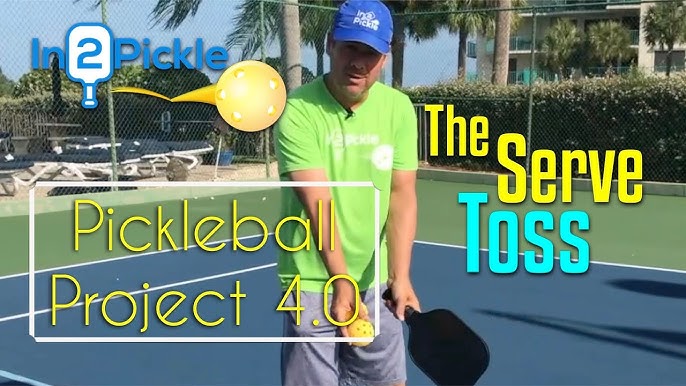
Volley Serve: How to Toss the Ball Legally
You want a smooth, simple toss. Aim for a repeatable motion.
Try this step-by-step:
- Stand behind the baseline with feet set. Keep it relaxed.
- Hold the ball at chest level in your non-paddle hand.
- Lift or toss the ball gently 6 to 12 inches. Keep the release in view.
- Swing up from low to high. Brush the ball with an upward arc.
- Strike below your belly button. Keep the paddle head below your wrist.
Coach tip from the court:
- I cue players to “see belly button under ball” at contact. This keeps the hit low and legal.
- I ask them to count “one” as they toss and “two” as they swing. It builds rhythm.
You may ask again: can you toss the ball up when serving in pickleball? Yes, and a small, steady toss works best.
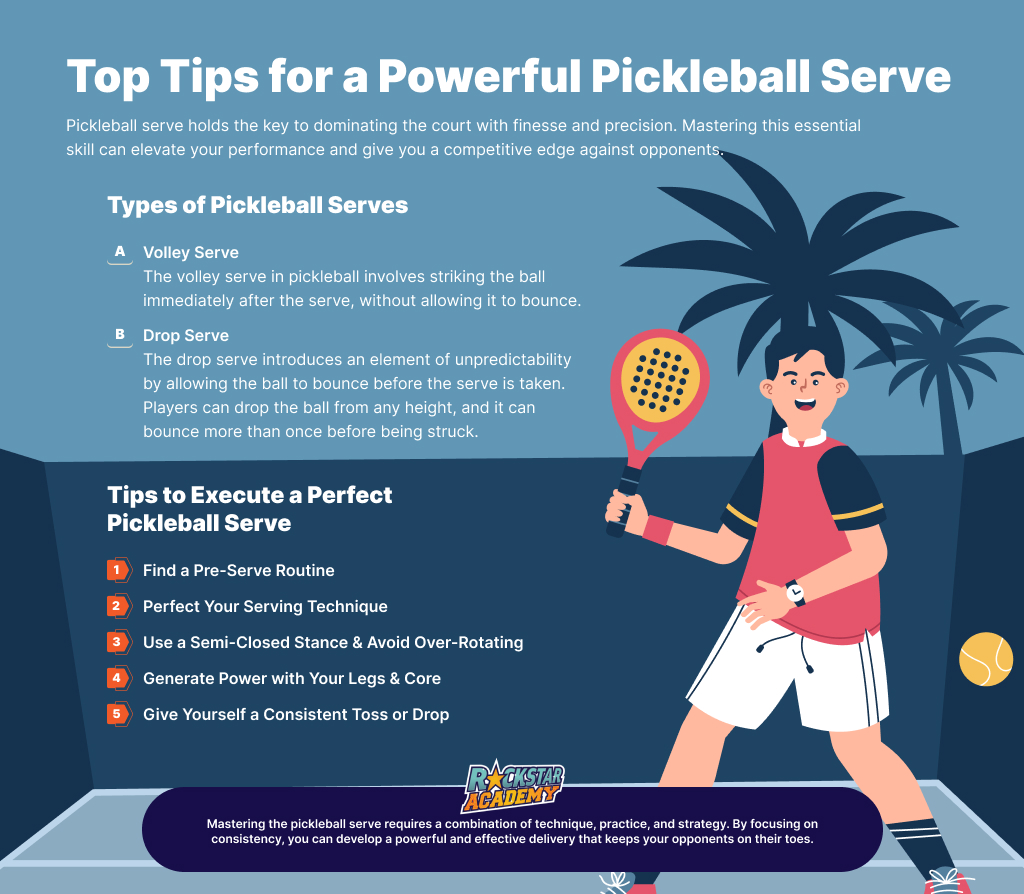
Drop Serve: Why You Should Not Toss
The drop serve is simple and safe, but you must not toss. You must let the ball fall from your hand or paddle with no force. Any lift, flick, or push is a fault.
Do this instead:
- Hold the ball out at your side.
- Open your fingers to let it fall.
- Let it bounce. Then swing at a comfortable height.
This serve is great if your volley toss feels shaky. Many of my newer players win more free points with a clean drop serve. But can you toss the ball up when serving in pickleball if you use a drop serve? No, you cannot.

Can You Toss the Ball Up When Serving in Pickleball? Real Scenarios
Here are real cases I see in league play:
- I toss the ball over my head, then hit it. Legal? No. You will likely hit above the waist or lose the upward arc. Keep the toss low.
- I toss the ball, pause, and then swing. Legal? Yes, if contact is below your waist and your paddle head stays below your wrist.
- I toss the ball and add spin with my fingers. Legal? No. Hand-induced spin on the serve release is not allowed.
- I use a drop serve and give a tiny lift. Legal? No. The ball must fall with no force.
- I hold the ball in front of my body where my opponent cannot see it. Legal? No. The release must be visible.
If you still wonder can you toss the ball up when serving in pickleball, these cases should help. Keep the toss low, clear, and honest.
.jpg)
Common Faults and How to Avoid Them
These are the faults I see most after a high toss. Most are easy to fix.
- Contact above the waist. Use a lower toss and bend your knees. Aim to see the ball under your navel at impact.
- Paddle head above the wrist. Keep your wrist firm and the paddle face slightly open but below the wrist line.
- No upward arc. Start the paddle low and finish high. Think “scoop the ball up the net.”
- Hidden release. Turn your body a bit open. Show the ball to your opponent as you release.
- Added spin on release. Let the ball roll off flat fingers. No pinch, no roll, no flick.
If you ask can you toss the ball up when serving in pickleball and stay legal, the answer is yes, as long as you avoid these faults.

Tips to Add Power and Consistency Without Breaking Rules
You do not need a big toss for power. You need clean timing.
Try these drills:
- Low toss ladder. Toss to eye level, then chin, then throat. Find the lowest height you can repeat 10 times in a row.
- Upward arc shadow swings. No ball. Feel the low-to-high path. Keep the paddle head under the wrist.
- Belly button check. Film your serve from the side. Freeze at contact. Is the ball under your navel line?
- Target zones. Place three cones deep crosscourt. Hit five serves to each. Focus on height and depth, not speed.
- Drop serve fallback. If nerves hit, switch to a drop serve for a few points. It is legal and steady.
In short, can you toss the ball up when serving in pickleball and gain power? Yes. Use a small, smooth toss and a strong upward swing.

Frequently Asked Questions of can you toss the ball up when serving in pickleball
Can you toss the ball up when serving in pickleball during a volley serve?
Yes. You can toss the ball on a volley serve if contact is below your waist and your paddle head stays below your wrist. Keep the release visible and do not add spin with your hand.
Can you toss the ball up when serving in pickleball with a drop serve?
No. For a drop serve, you must let the ball fall with no force. Tossing or propelling the ball is a fault.
How high can you toss the ball on a legal volley serve?
There is no set height limit, but contact must still be below your waist with an upward swing. A small toss, about 6 to 12 inches, is the safest.
Can I spin the ball with my fingers when I toss on the serve?
No. Hand-induced spin on the serve release is not allowed. Any visible spin from your fingers is a fault.
Does the ball release need to be visible to my opponent?
Yes. You cannot hide the ball with your body or clothing during release. Keep the ball in clear view from start to contact.
Conclusion
You now have the full picture: you can toss the ball on a volley serve, but not on a drop serve. Keep contact below your waist, swing upward, show a clean release, and avoid any added spin. A small, steady toss will give you legal power and better control.
Go test these tips in your next session. Film three serves, check your belly button line at contact, and adjust your toss. Want more guides like this? Subscribe, share your questions in the comments, and level up your serve this week.