The third shot drop is the most difficult shot in pickleball for most players.
If you have asked yourself what is the most difficult shot in pickleball, you are not alone. I coach new and advanced players, and I hear this every week. In this guide, I will break down why the third shot drop is hard, how to fix it, and when to use other options. You will get drills, pro tips, and real stories from the court to help you trust your shot under pressure.

What is the most difficult shot in pickleball?
Most players and coaches point to the third shot drop. It is a soft, arcing ball hit from the baseline after the return. The goal is to land it in the kitchen and give you time to reach the net. It is hard because the court is long, the target is small, and opponents are at the kitchen ready to attack. This is why, when people ask what is the most difficult shot in pickleball, the third shot drop is the top answer.
It blends touch, spin, height, and depth control. You must read the return speed, change pace, and reset the rally. In match play, nerves add weight to the paddle. That makes this shot even tougher.
When friends ask me what is the most difficult shot in pickleball, I share this: it is the only shot that must be accurate and gentle while you stand far from the net and under fire.

The mechanics of a reliable third shot drop
A clean process beats talent. Use this simple blueprint.
- Grip: Use a relaxed continental grip. Keep fingers soft.
- Stance: Square to the ball. Bend your knees. Stay balanced.
- Contact: Hit in front of your body. Eye on the bottom half of the ball.
- Swing path: Low to high. Short and smooth. Think lifting, not slapping.
- Arc and height: Aim a few feet above the net strap. Let the ball fall into the kitchen.
- Target: Middle of the kitchen or at the backhand of the weaker net player.
- Footwork: Split step as the returner hits. Move through the shot. Start your path to the kitchen at once.
A cue I teach is this: brush up and through, like you are tossing a water balloon over a fence. It helps soften the hand. If you ask what is the most difficult shot in pickleball and why it fails, it is often because players swing too hard or aim too low.

Common mistakes and quick fixes
These are the errors I fix most in lessons.
- Hitting too flat: The ball sails. Fix by adding a gentle lift and a higher finish.
- Tight grip: The ball pops high. Fix by lowering grip pressure to a 3 out of 10.
- Late contact: You poke at the ball. Fix by setting earlier and moving your feet.
- Aiming at the line: You miss long. Fix by aiming mid-kitchen with a safe arc.
- Wrong ball choice: You drop off a deep, heavy return. Fix by driving first, then drop the next ball.
If you wonder what is the most difficult shot in pickleball to control, it is the drop against pace. Use a slower backswing and a longer follow-through. Let the ball do less and your body do more.

Drills that build touch fast
Reps build faith. These drills work for solo or with a partner.
- Basket feed drop: Stand at the baseline. A partner tosses or hits returns. You drop 20 balls to mid-kitchen. Track how many land clean. Aim for 70% or better.
- Drop and close: Hit a third shot drop, then jog to the kitchen. Your partner dinks the next ball. You reset or counter. Focus on soft hands as you move.
- Ladder heights: Set cone targets at 1, 2, and 3 feet past the net. Hit five drops to each zone. This trains arc control.
- Drive–drop combo: Drive the third, then drop the fifth. This mirrors match flow.
- Wall touch drill: Stand 12 feet from a wall. Tap the ball with a soft lift so it arcs and lands in front of you. Keep a 10-shot rally without stepping forward.
Players often ask what is the most difficult shot in pickleball to train alone. The wall touch drill is my go-to because it forces feel and arc without a partner.

When you should not hit a third shot drop
The best choice is not always the drop. Read the return and the net players.
- Drive if the return is short or high. Make them block. Earn a float for your next drop.
- Aim middle to cause confusion when opponents stack or switch.
- Lob if both are crowding and the wind is calm.
- Reset off their counter. If your third shot drop sits up, be ready to block and reset the next ball.
A smart player keeps asking what is the most difficult shot in pickleball for this point, right now. Sometimes the answer is a deep, heavy drive that sets up an easier drop on ball five.
The mental game under pressure
A tight mind makes a tight wrist. Build a simple routine.
- Breathe before you serve. Inhale for four, exhale for four.
- Pick a clear target. Say it to yourself: middle kitchen, soft and high.
- Use one cue word. I like lift.
- Accept misses. The next ball is your chance to reset.
When students ask what is the most difficult shot in pickleball during big points, I say it is the one you fear. Your routine turns fear into focus.

Gear and conditions that change difficulty
Small tweaks can make the third shot drop feel much easier.
- Paddle: A softer core gives more dwell time. It helps with touch.
- Ball: Outdoor balls fly more. On hot days, add more arc.
- Strings and edge: Keep your paddle face clean. A dirty face slips off the ball.
- Shoes: Stable shoes help you set early and swing smooth.
- Weather: Wind in your face? Aim higher. Wind at your back? Aim lower and add spin.
- Altitude: At high altitudes, the ball sails. Use more spin and a shorter backswing.
If you are testing what is the most difficult shot in pickleball in new conditions, warm up with 20 easy drops from the baseline before play.
Other contenders for the hardest shot
The third shot drop leads, but other shots are not far behind.
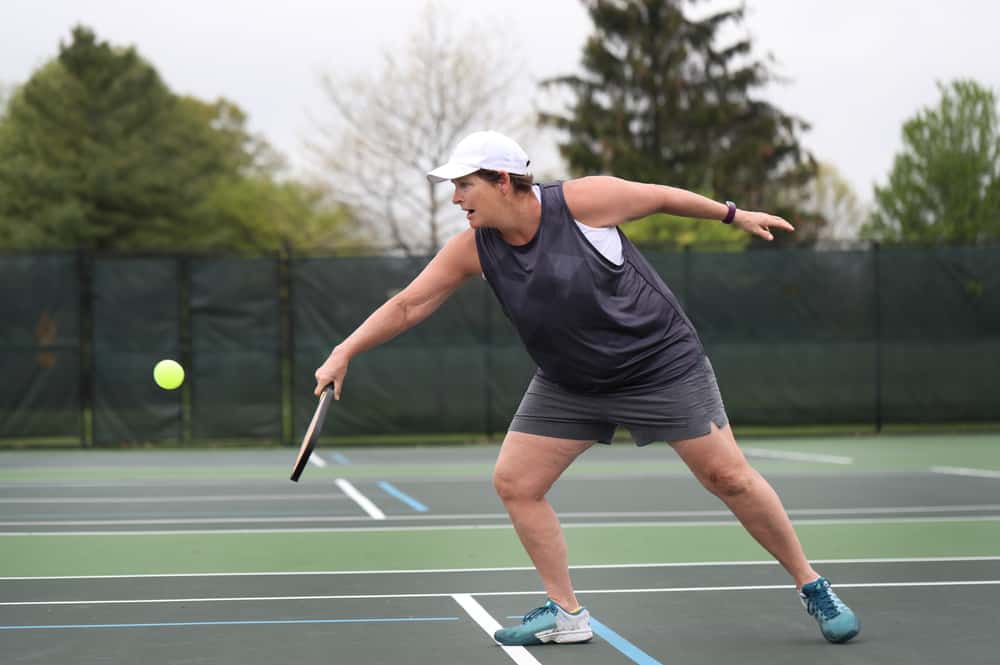
- Backhand reset from mid-court: You kill pace and drop the ball dead in the kitchen.
- ATP (Around-The-Post): You need angle, speed, and timing.
- Erne: You must read the dink, time the jump, and stay legal.
- Dink roll volley: You attack from the kitchen with spin and shape.
- Defensive lob: You lob from a low ball while under attack.
So, what is the most difficult shot in pickleball after the drop? For many, it is the backhand reset under fire. The reason is the same: soft hands, small target, and big nerves.

A simple 30-day plan to master your drop
Use short, daily sessions. Consistency wins.
- Week 1: Form. Ten minutes a day on wall touch. Five minutes of basket drops.
- Week 2: Targets. Add cone zones. Hit 60 drops per day. Log your success rate.
- Week 3: Pressure. Drive–drop combos and live points to 7. Only score on clean drops.
- Week 4: Match play. Start each game with a drop first rule. Review your video.
Keep asking yourself what is the most difficult shot in pickleball for you now. Track your misses. Fix one variable at a time.
Frequently Asked Questions of what is the most difficult shot in pickleball
Is the third shot drop always the best choice?
No. If the return is short or sits up, drive first. Use the drop when you need time to reach the kitchen.
How high should my third shot drop clear the net?
Aim a foot or two above the net strap. Give the ball room to fall into the kitchen.
Where should I aim my third shot drop?
Middle kitchen is safe. If one player has a weaker backhand, target that side to force a lift.
How do I handle heavy spin on the return?
Shorten your backswing and relax your grip. Let the spin pass and lift the bottom of the ball.
What paddle helps with drops?
A softer, control-oriented paddle helps with feel. Look for a core that reduces vibration and adds dwell time.
How do I practice alone?
Use a wall or a rebounder. Stand back, lift the ball with a soft arc, and keep count of clean drops.
Why do my drops float too high?
Your grip is likely too tight or your path too flat. Loosen the hand and add a low-to-high lift.
Conclusion
The third shot drop tops the list when we ask what is the most difficult shot in pickleball. It is hard because it blends touch, shape, and timing while you are far from the net. With smart mechanics, simple drills, and a calm routine, you can turn it from a fear shot into a strength. Start today with 10 minutes of wall touch and 50 focused drops. Track your progress, share your wins, and keep learning. Want more tips? Subscribe, leave a comment with your toughest spot, and I will help you solve it.