Pickleball is popular because it’s easy, social, affordable, and addictively fun.
If you’ve heard friends rave about it and wondered why is pickleball so popular, you’re in the right place. I coach new players and work with clubs that grew from two courts to twenty in a year. In this guide, I break down what sparked the surge, what keeps people playing, and how you can join in with confidence. Expect clear tips, real stories, and research-backed insight that gets to the heart of why is pickleball so popular today.

The rise of pickleball at a glance
Pickleball has exploded in parks, gyms, and rec centers. Many cities now have waitlists for open play. Estimates vary, but recent national reports show sharp year-over-year growth. Some suggest tens of millions have tried the sport. Memberships in clubs and leagues have surged too.
There is a simple pattern. People try it once, then they invite friends. Word-of-mouth does the rest. That network effect explains why is pickleball so popular in so many regions at once.
What I see on the ground matches the data. New courts fill up fast. Players stick around for hours. They come back the next day. That stickiness is rare and powerful.
Accessibility: easy to learn, fun to master
Pickleball looks friendly. It plays even friendlier. The court is small. The rules are simple. The paddle is light. You can rally within minutes.
Why the learning curve hooks people
- Quick wins build confidence. A first-timer can score points on day one.
- The small court means less running and more touches.
- Serves are underhand, which reduces stress and fear.
Low equipment and setup needs
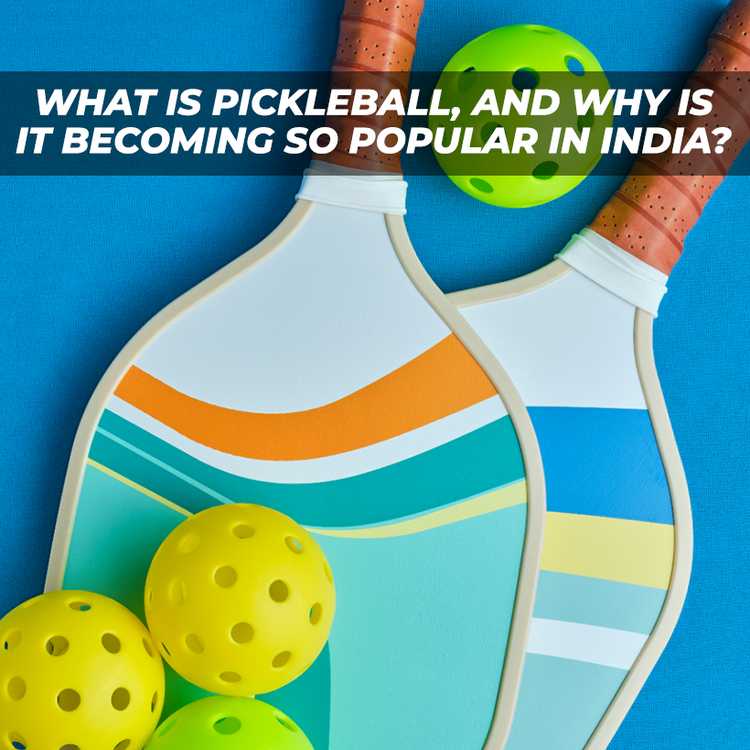
- You need a paddle, a few balls, and court shoes.
- Many parks have taped or painted pickleball lines.
- Portable nets fit in a car trunk and set up in minutes.
These points explain a lot of why is pickleball so popular with beginners and families. It lowers the wall to entry and raises the fun.

Social connection and community
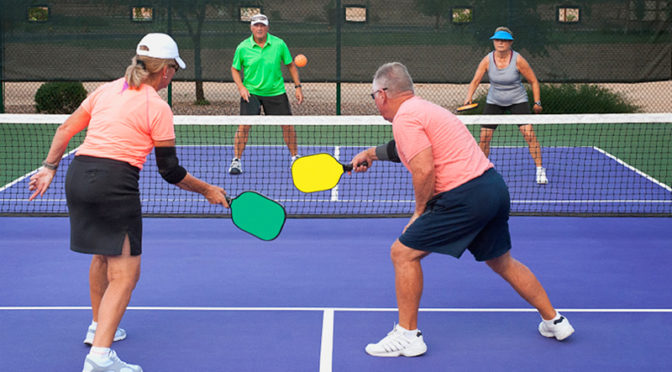
Pickleball is doubles-first. That alone changes the vibe. You talk. You laugh. You rotate partners after each game. The format mixes ages and skill levels with grace.
In my first community night, a 12-year-old and a 70-year-old played as a team. They won two games with high fives and smiles. That scene repeats everywhere. It is the secret sauce behind why is pickleball so popular at clubs and churches.
What builds the social glue:
- Drop-in play makes it easy to join a game.
- Games are short, so you meet many people fast.
- Clubs use paddles-in-line systems to rotate fairly.
Health benefits without the burnout
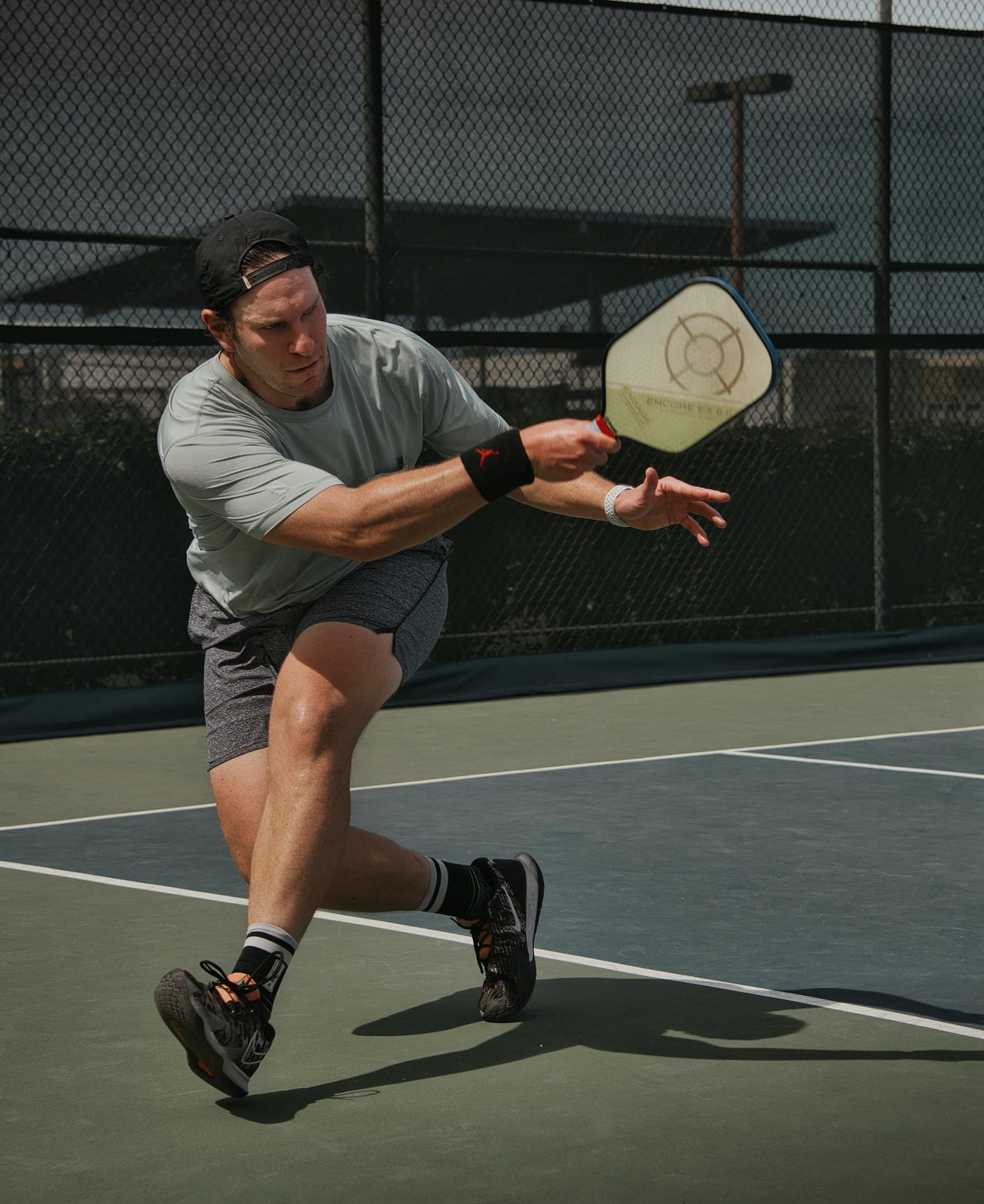
Pickleball gets your heart rate up without long sprints. It is lower impact than many racket sports. That makes it friendly for joints and recovery.
What the data suggests:
- Moderate sessions can hit common fitness targets in 30–60 minutes.
- Players report better balance, agility, and reflexes.
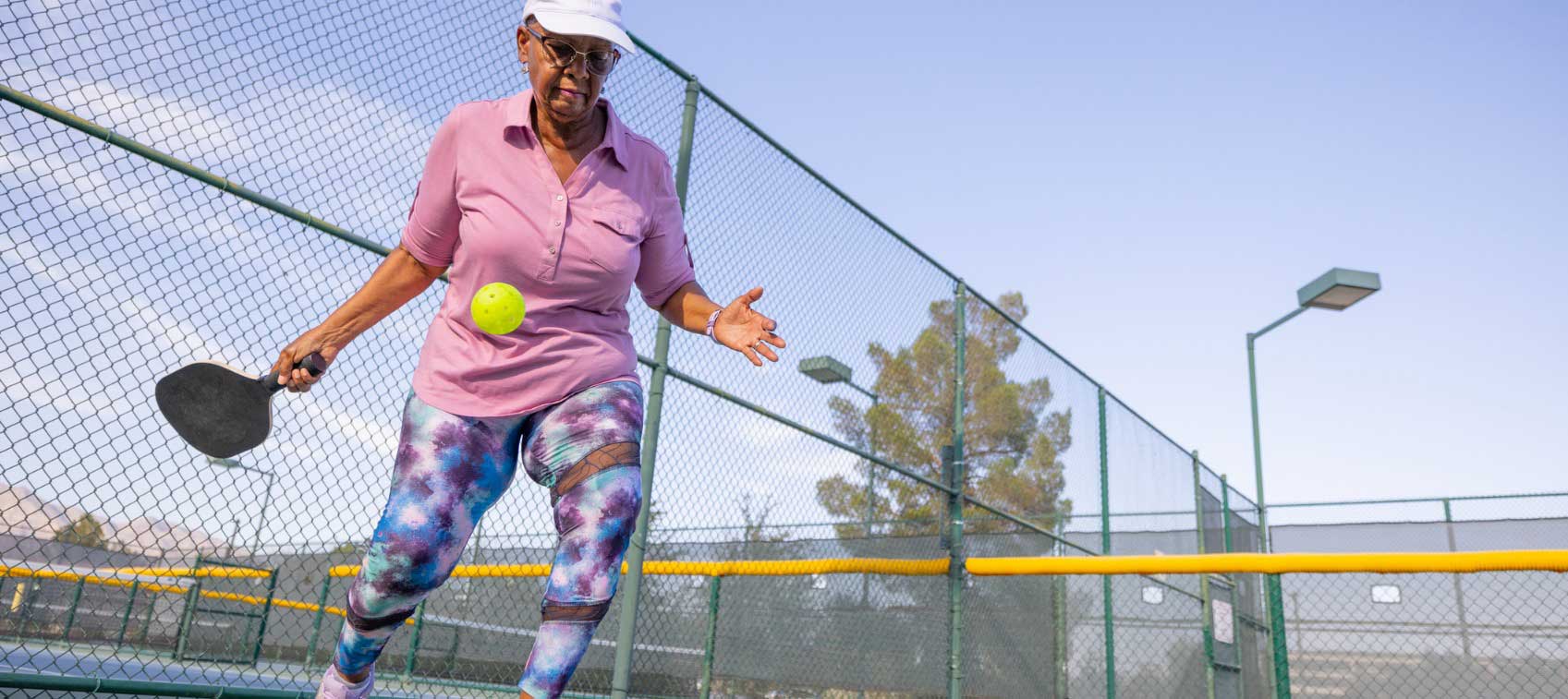
- Many older adults return to regular exercise through pickleball.
A quick tip from my clinics: warm up your calves and shoulders for five minutes. Most soft-tissue aches come from cold starts. Smart prep keeps you on the court and explains why is pickleball so popular with people coming back from layoffs.

Cross-generational appeal and inclusivity
Kids, parents, and grandparents can play together. That is rare in sport. The light gear and small court make that mix work.
- Adaptive pickleball is growing and supports many abilities.
- Rule tweaks help balance play across skill levels.
- Beginners can jump into social games without fear.
Families I coach now have weekly pickleball nights. They say it replaced screen time and saved their weekend plans. Stories like these show why is pickleball so popular in neighborhoods and schools.
Cost, space, and infrastructure
Pickleball is affordable. A starter paddle and balls cost less than many sports shoes. Courts fit in underused spaces. Tennis courts can convert with lines and portable nets.
What cities like:
- High participation per square foot.
- Short game cycles reduce wait times.
- Easy upkeep compared to turf fields.
Be transparent about noise. The pop of the ball can be loud near homes. Good planning helps: windscreens, buffer zones, and set hours. Addressing this shows trust and helps explain why is pickleball so popular even in dense areas.

Media buzz, influencers, and the pro scene
Media attention added fuel. Short rally clips look great on social apps. Pros and leagues raised the profile. Celebrities built courts and joined events. That spotlight helps, but it is not the core reason why is pickleball so popular.
The real driver is local joy. People play, laugh, and bring friends. The pro scene offers goals and highlights, while the community keeps the fire burning.
Strategy and skill depth that lasts
Beginners love the quick start. Veterans love the tactics. That blend keeps everyone engaged.
Key layers that add depth:
- Soft game at the kitchen line with dinks.
- Third shot drops and drives to set up points.
- Stack formations, poaching, and footwork patterns.
I see players improve fast in the first month, then chase finesse for years. That arc is a big reason why is pickleball so popular with athletes from tennis, ping-pong, and badminton.
Barriers and how to start today
If you are curious and asking why is pickleball so popular, try it this week. Keep it simple.
Step-by-step:
- Find a nearby open play on a park or rec site.
- Borrow a paddle or buy a basic composite one.
- Learn serve rules, the two-bounce rule, and kitchen basics.
- Play for one hour. Rotate partners. Ask for tips.
- Warm up and hydrate. Aim for two sessions a week.
Common mistakes to avoid:
- Swinging like tennis on every ball. Shorten the stroke.
- Camping at the baseline. Move to the kitchen line.
- Skipping rest days. Let tendons adapt.
A small start goes far. This is the heart of why is pickleball so popular for busy people: low prep, high payoff, and easy fun.
Frequently Asked Questions of why is pickleball so popular
Is pickleball hard to learn?
No. Most people rally within minutes and play full games the same day. The rules are simple and the gear is light.
How much does it cost to start?
A decent paddle and a few balls can cost less than a dinner out. Most public courts are free or low-cost.
Can I play if I have knee or shoulder issues?
Often yes, with care. It is lower impact than many sports, but warm up and start slow. Talk to your doctor if you have concerns.
How long is a typical game?
Most games to 11 points take 10–15 minutes. That pace keeps lines moving and adds to the social feel.
What skills help me improve fast?
Focus on soft hands at the kitchen, consistent serves, and footwork. Learn the third shot drop and reset under pressure.
Is it only for older adults?
Not at all. Kids, teens, and college clubs are growing fast. The cross-generational mix is part of why is pickleball so popular.
Do I need lessons to get started?
No, but a one-hour clinic speeds up progress. You will learn the core rules and avoid early bad habits.
Conclusion
The surge makes sense. Pickleball is easy to try, social to its core, kind to the body, and deep enough to stay fresh for years. That mix explains why is pickleball so popular in parks, gyms, schools, and clubs across the country.
Ready to see for yourself? Find a local open play, borrow a paddle, and jump in for one hour. If this helped, share it with a friend, subscribe for more guides, or leave a comment with your first-game story.