

Create an account, play verified matches, and build a consistent results history.
If you want to understand how to get pickleball rating, you’re in the right place. I’ve helped new players go from zero to a trusted rating by using simple steps, clear goals, and smart match choices. This guide gives you a practical path, with real examples and expert tips that work on the court and online.
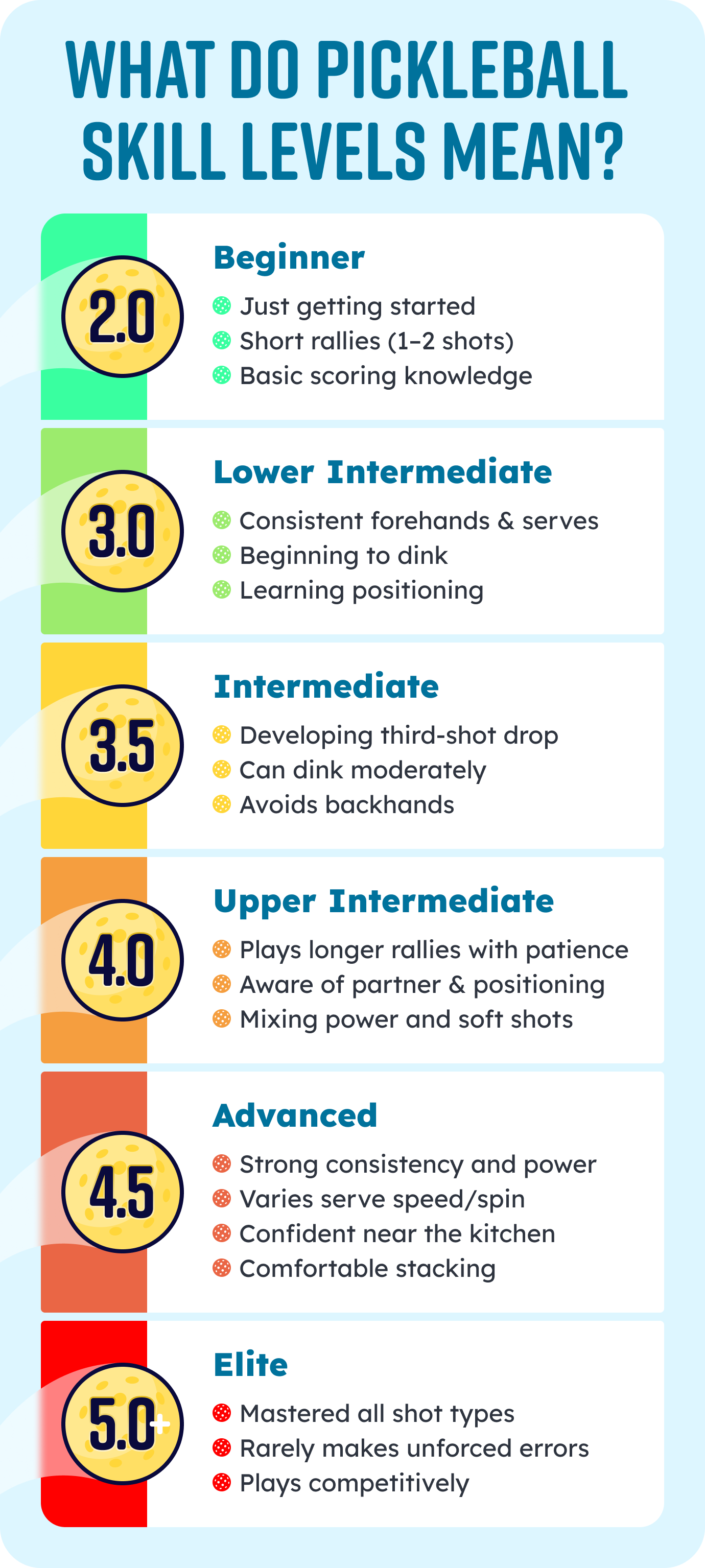
What a pickleball rating is and why it matters
A pickleball rating is a number that shows your skill level, usually from 1.0 to 5.5+. It helps you find fair games, enter the right tournaments, and track progress over time. It also helps coaches place you in drills and clinics that match your needs.
If you are figuring out how to get pickleball rating, this number is your key. It opens doors to league spots, competitive partners, and better training plans. With a rating, you avoid wasted games and grow faster.
Key benefits of having a rating:
- Fair matches that fit your level
- Accurate tournament placement
- Clear feedback on growth over time

The main rating systems: UTPR, DUPR, and club ratings
Most players use one of three paths. Each path can help with how to get pickleball rating, but they work in different ways.
UTPR. This is the USA Pickleball Tournament Player Rating. It comes from sanctioned tournament results. It is trusted for formal events. Singles and doubles are separate. Your rating updates as new sanctioned results get posted.
DUPR. This is a global platform used by clubs, leagues, and events. It accepts event results and verified rec matches. It updates quickly and uses who you played and when. Many clubs upload scores so your rating can grow fast.
Club and league ratings. Ladders and clubs often keep local ratings. These help with court placement and can feed into DUPR. They are great for fast feedback while you build a larger match history.
Tip from experience: Start with DUPR to get a number fast, then add UTPR once you play a sanctioned event. This mix answers how to get pickleball rating right away and how to build long-term trust.

Step-by-step: how to get pickleball rating
Use these steps to get a reliable number and keep it growing. This is the simplest roadmap I give new players who ask how to get pickleball rating.
-
Create your accounts
- Make a DUPR account. Join your local club in the app.
- If tournaments interest you, join USA Pickleball for UTPR.
-
Join a club, ladder, or league
- Pick a group that uploads results.
- Ask where your scores go and how matches get verified.
-
Play matches that count
- Schedule games vs rated players.
- Use club events or leagues to log verified scores.
- In DUPR, both sides confirm results for more weight.
-
Self-rate for your first events
- Use a conservative self-rating to start.
- You can move up as your results improve.
-
Enter a sanctioned tournament (for UTPR)
- Choose the right division based on your current level.
- Your posted results will update UTPR.
-
Build volume and consistency
- Aim for 8–15 verified matches to settle your number.
- Play weekly so the system trusts your data.
-
Keep your info clean
- Use the same name and email across platforms.
- Check that partners and opponents verify scores.
-
Review and adjust
- Track your rating once a week.
- If you stall, improve skills, not just match count.
When friends ask me how to get pickleball rating fast, I say: pick DUPR for speed, add UTPR for official play, and make every match count.

Self-rating guide: quick checklist by level
Self-rating is your first step when no data exists. This checklist helps you choose a fair starting point. It also helps with how to get pickleball rating that reflects your real play.
- 1.0–2.0: New to rules and scoring. Many basic errors. Short rallies.
- 2.5: Can rally a bit. Basic serve and return. Inconsistent at the kitchen.
- 3.0: Longer rallies. Can dink, volley, and keep score. Third shot is mixed.
- 3.5: Uses drops, drives, and resets. Starts to build points on purpose.
- 4.0: Reads patterns. Applies pressure. Poaches with timing. Good defense.
- 4.5+: Strong control and speed-up choices. Wins by strategy, not power alone.
My rule of thumb: if you dominate most rec games at a level, you are likely ready to move up. If games are 50–50, stay put and polish. That habit makes how to get pickleball rating smoother and more honest.

Verification and what counts as a “real” result
Ratings trust verified data more than casual scores. Here is how to keep your results strong and fair.
-
DUPR
- Verified results come from clubs, leagues, and events that upload scores.
- Self-entered rec results can count if all players confirm.
- The system values reliable sources more.
-
UTPR
- Only sanctioned tournament matches count.
- Results post through approved tournament software.
Practical tips:
- Use correct names every time.
- Confirm match scores the same day.
- If a score is wrong, correct it quickly.
- Ask a club admin how they verify scores.
Clean, verified data is the backbone of how to get pickleball rating that others trust.

How ratings update: simple math, real effects
Most systems use a version of an Elo-style model. Your rating shifts based on who you play, your result, and how reliable your past data is. Recent matches often weigh more than old ones.
Basic idea:
- Beating higher-rated players raises you more.
- Losing to lower-rated players drops you more.
- Consistent results speed up stability.
- Some systems consider game scores and match format.
Example: If you are 3.10 and beat a 3.40 team in two games, your jump may be noticeable. If you beat a 2.90 team, your change will be small. This is why, in how to get pickleball rating, your opponent choice matters as much as volume.

Strategies to raise your rating the right way
Growth sticks when you build real skills. These steps help you move up with less stress and fewer plateaus.
Train with focus:
- Warm up with purposeful dinks and resets.
- Drill third-shot drops for 10 minutes per side.
- Practice deep serves and returns.
- Record 15 minutes of match play to spot errors.
Compete with intent:
- Play slightly up to stretch your game.
- Enter divisions where you win some and learn some.
- Partner with players who share your goals and style.
Track and reflect:
- Log unforced errors and missed thirds.
- Note common patterns: pop-ups, late resets, short returns.
- Fix one theme per week.
I once chased quick wins and got stuck. When I drilled my resets and returns for two weeks, my rating moved again. The clean path for how to get pickleball rating is skills first, matches second.

Common mistakes and myths to avoid
These traps slow players down and make how to get pickleball rating more painful than it needs to be.
- Only playing down to “protect” the rating. You stall your growth.
- Sandbagging for medals. It hurts your long-term level and trust.
- Ignoring verification. Unverified results may carry less weight.
- Changing partners every match. Hard to build patterns and data.
- Expecting big jumps from one day. Ratings need volume and time.
Be open about your level, record good data, and build skills. The number will follow.

Tools, apps, and templates to speed things up
The right tools make how to get pickleball rating smoother and faster.
Helpful tools:
- A rating app to log and confirm results.
- A tournament portal for sanctioned events.
- A notes app or spreadsheet to track errors and drills.
- A simple tripod to record matches for review.
Simple match log you can copy:
- Date, event, partner
- Opponents and ratings
- Scores and format
- 3 errors to fix next time
- 1 thing you did well
Keep it simple, update weekly, and you will see trends fast.
Frequently Asked Questions of how to get pickleball rating
What is the fastest way to get a pickleball rating?
Create a DUPR account, join a club that uploads results, and play verified matches right away. This is the fastest route for how to get pickleball rating without waiting for a tournament.
Do I need a tournament to get a rating?
No. Many players start with club or league results that feed into DUPR. Tournaments are needed for UTPR, but not to begin the process of how to get pickleball rating.
How many matches do I need for an accurate rating?
Plan for 8–15 verified matches to settle. More variety in partners and opponents improves accuracy and helps with how to get pickleball rating that others trust.
Can my rating go down?
Yes. Ratings move with results and recency. If you lose to lower-rated players or stop playing, your number can dip.
Why are my DUPR and UTPR different?
They use different data and rules. DUPR may include club and league results, while UTPR relies on sanctioned events only.
What level should I enter for my first tournament?
Use the self-rating guide and ask a coach or club admin. Enter a level where you can compete, learn, and finish matches within a few points.
Do rec games count toward my rating?
They can, if verified within your platform. Event or league uploads usually carry more weight than casual self-reported games.
Conclusion
Getting a fair rating is simple when you follow a clean plan. Create your profiles, play verified matches, pick honest levels, and build real skills that last. That is the reliable path for how to get pickleball rating and keep it moving up.
Start today: make your accounts, join a club that uploads results, and schedule three verified matches this week. Want more guides like this? Subscribe, share your questions in the comments, and let’s grow your game together.