
14mm paddles favor pop and speed; 16mm paddles favor control and stability.
If you want the simplest answer, that’s it. But there is a lot more under the hood. In this guide, I break down 14mm vs 16mm pickleball paddle choices using real court experience and clear, tested logic. Whether you want more power, better resets, or fewer mishits, you will learn how thickness affects feel, spin, and results. Stick around to find your best fit in the 14mm vs 16mm pickleball paddle debate.
What Paddle Thickness Actually Changes: The Core Truth
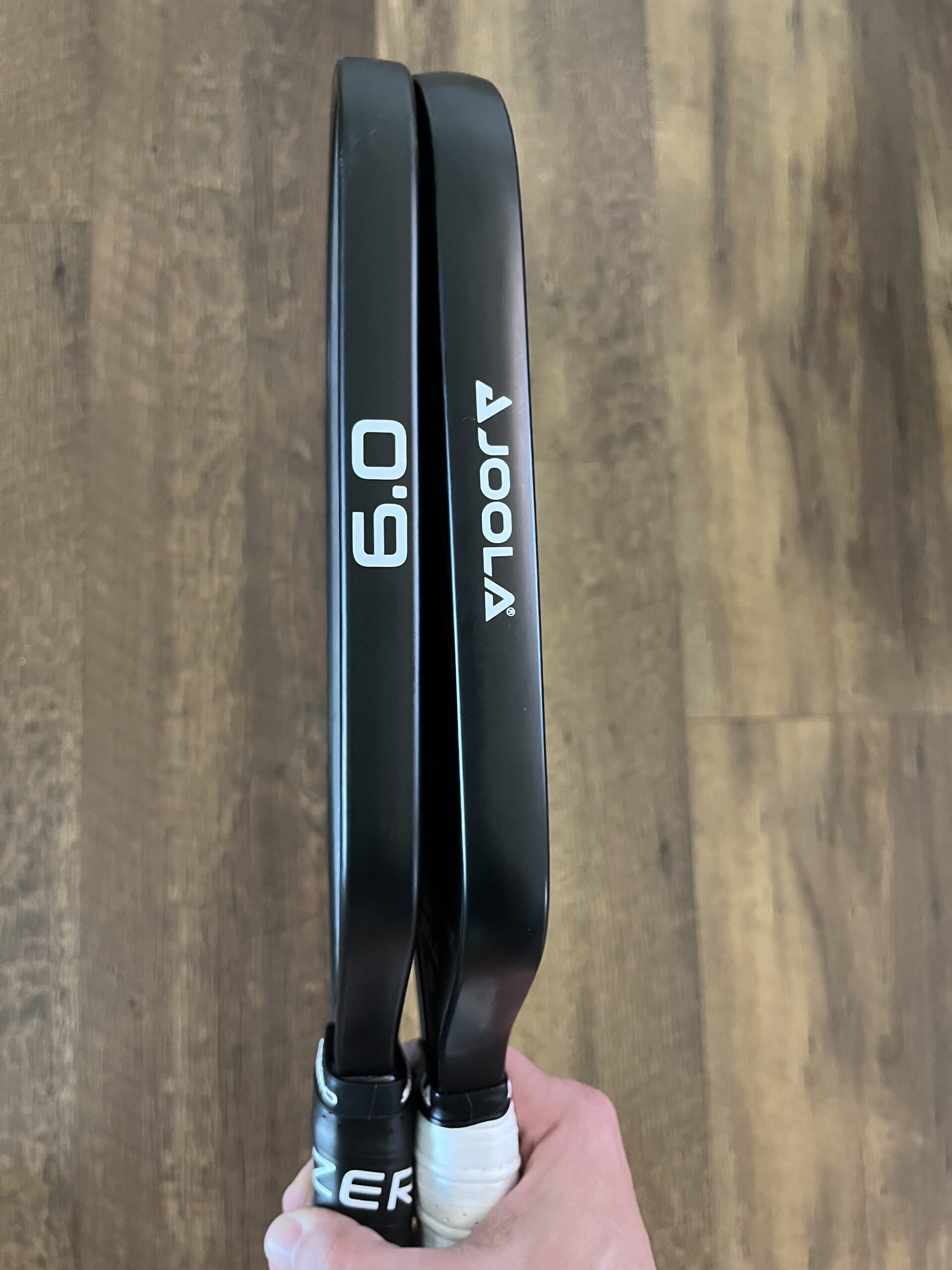
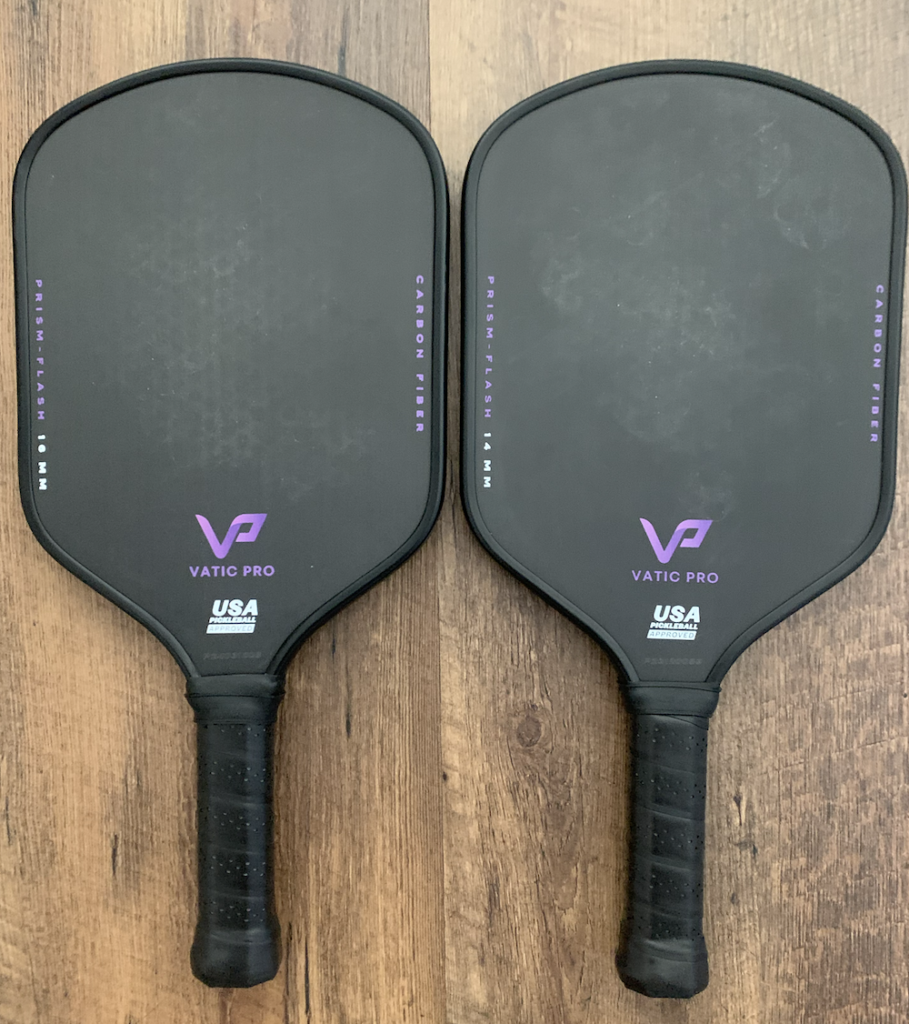
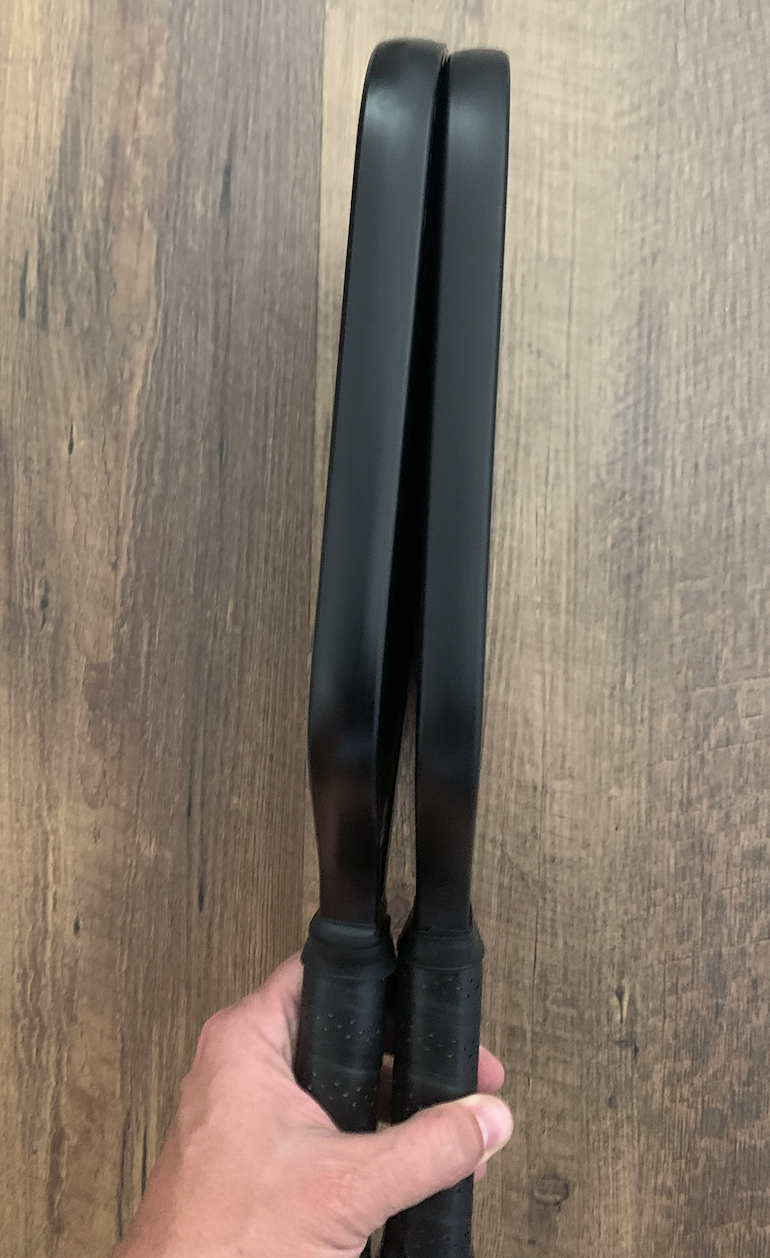
Thickness changes how a paddle flexes, how long the ball sits on the face, and how stable it feels on off-center hits. A 14mm core is thinner. It is often a bit firmer and faster off the face. A 16mm core is thicker. It is often softer at impact, with more dwell time and comfort.
Here is the simple chain:
- More thickness often means more dwell time. You feel more grab on the ball and more control.
- More thickness often boosts stability. Mishits twist less, so the sweet spot feels larger.
- Less thickness often adds pop. The ball comes off the face faster with a lower, crisper arc.
From my sessions with league players, 3.0 to 4.5, the shift from 14mm to 16mm helps most with resets and blocks. It also helps with dink consistency and counters at the kitchen. But 14mm shines for drives, punch volleys, and put-aways when you need quick pop.
If you remember one thing, remember this: 14mm vs 16mm pickleball paddle choices are about control versus speed, not right versus wrong.
14mm vs 16mm Pickleball Paddle: Quick Comparison
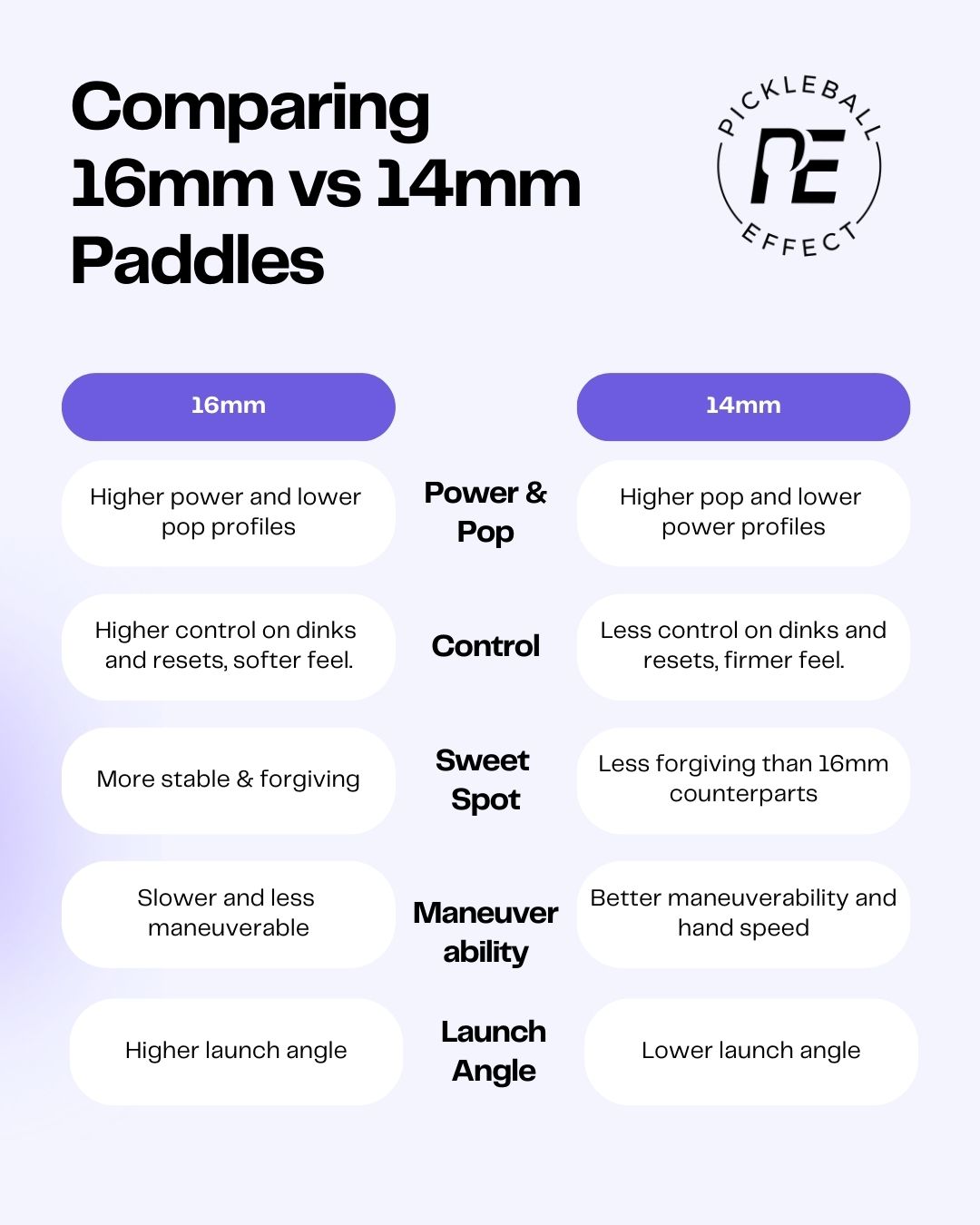
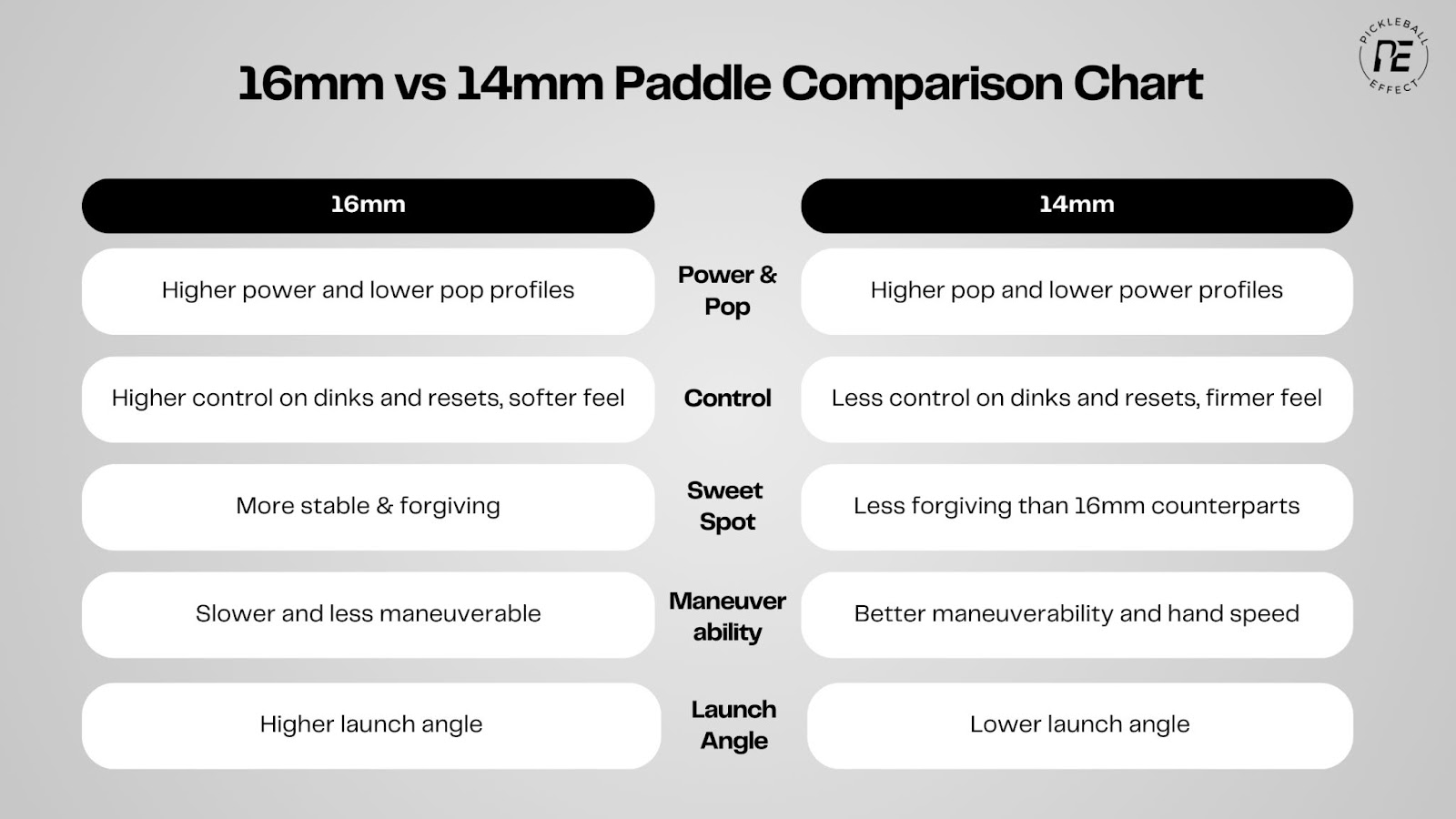
- Power: 14mm gives more raw pop. 16mm gives controlled power with higher stability.
- Control: 16mm wins for resets, dinks, and soft hands. 14mm can feel hotter and less forgiving.
- Spin: Both can spin well. Surface texture and dwell time matter more than thickness.
- Forgiveness: 16mm feels more stable on mishits. 14mm can twist more on the edges.
- Feel: 14mm is crisp and lively. 16mm is plush and cushioned.
- Speed at net: 14mm swings fast and punches hard. 16mm blocks better and stays on line.
- Arm comfort: 16mm often reduces shock and noise. 14mm can feel harsher if you hit late.
- Weight tuning: Both can be tuned. 16mm often starts heavier. Check balance and swing weight.
I suggest testing a friend’s paddle. Hit ten drives, ten dinks, ten blocks. You will feel the gap right away in the 14mm vs 16mm pickleball paddle showdown.
Which Thickness Fits Your Play Style?
Pick based on how you score points and what you miss most. The 14mm vs 16mm pickleball paddle choice should match your habits.
- Power attackers and singles: 14mm helps with drives, deep serves, and passing shots.
- Soft-game specialists and doubles: 16mm helps with resets, drops, and counters.
- Newer players: 16mm often builds confidence. It forgives more and protects the elbow.
- Fast hands at the kitchen: 14mm for quick punch. 16mm if you spray volleys wide or long.
- If you struggle with mishits: 16mm makes the paddle face act calmer on the edges.
- If you struggle to finish points: 14mm adds that last bit of heat.
In my coaching, I see players “chase power” and pick 14mm, then lose points on unforced errors. If your main errors are long dinks or wild blocks, test a 16mm. If you leave sitters at the net, test a 14mm. That is how to win the 14mm vs 16mm pickleball paddle battle for your skill set.
Materials Matter: Core, Face, and Build
Thickness is only one piece. The face and core design change the outcome too.
- Core type: Most modern paddles use a polypropylene honeycomb core. Thicker cores (16mm) often reduce vibration and raise torsional stability. Thinner cores (14mm) feel crisper.
- Face material: Raw carbon fiber grabs the ball and boosts spin. Fiberglass adds pop. Hybrid layups aim for balance. A 16mm raw carbon face can feel very controlled. A 14mm fiberglass face can feel explosive.
- Edge guard and rim: A stronger edge can add stability. It can also change swing feel.
- Balance point: Two 16mm paddles can swing very different based on head weight.
When brands talk about “spin,” look for true raw carbon and a textured surface that lasts. That matters more than 14mm vs 16mm pickleball paddle thickness alone.

Data-Backed Insights: What Testing Shows
Industry testing and player labs point to clear trends. Thicker paddles tend to show lower peak vibration and less twist on off-center hits. They also tend to have a slightly lower rebound speed off the face, which many call a softer or plusher feel. Thinner paddles tend to feel livelier and send the ball off sooner.
What this means on court:
- Blocks and resets: 16mm helps the ball settle on the face. That makes control easier.
- Drives and counters: 14mm lets you punch through the ball with less effort.
- Spin: Texture and dwell time are key. Many 16mm raw carbon paddles spin as well as 14mm.
- Elbow and wrist comfort: 16mm can reduce harsh shock, which many players report as easier on the arm.
These are averages, not hard rules. A 14mm with a raw carbon face and head weight can feel very controlled. A 16mm with a hot fiberglass face can still be spicy. Always judge a 14mm vs 16mm pickleball paddle in its full build.

Common Mistakes and Myths
Let’s clear up a few myths that can trap buyers.
- Myth: 16mm is slow. Reality: Balance and swing weight decide speed more than thickness.
- Myth: 14mm always has more power. Reality: Face material and mass can make a 16mm hit hard.
- Myth: 16mm kills spin. Reality: Surface texture and dwell time drive spin more than thickness.
- Myth: Thicker paddles fix all control issues. Reality: Grip pressure and footwork still matter.
- Myth: One paddle fits all. Reality: Singles and doubles needs differ for many players.
If you want to win the 14mm vs 16mm pickleball paddle choice, avoid tunnel vision. Test builds, not just thickness.

How to Transition Between 14mm and 16mm
Switching feels odd at first. Here is a simple plan I use with students.
- Warm-up: Hit 20 soft dinks cross-court. Focus on grip pressure of 3 out of 10.
- Resets: Feed firm balls to your body. Absorb and block to the kitchen. Let the paddle do the work.
- Drives: Hit 15 topspin drives down the line. Note launch angle changes.
- Volleys: Rapid-fire blocks, then punch volleys. Adjust swing length, not just force.
- Serve and return: With 16mm, aim a foot deeper. With 14mm, drop arc and hit through.
- Tune weight: Add lead at 3 and 9 o’clock for stability. Shift to the handle for faster hands.
Give it three sessions. Your touch adapts fast. This is the surest way to dial in the 14mm vs 16mm pickleball paddle feel.
Buying Checklist and Smart Picks
Use this quick checklist before you buy.
- Your main goal: More power, more control, or more comfort? Pick thickness to match.
- Paddle face: Raw carbon for spin and control. Fiberglass for pop. Hybrids for balance.
- Swing weight: Check if it feels whippy or head heavy. Choose what suits your game.
- Grip size and shape: Fit the hand. Overgrips can fine-tune size and tack.
- Noise and feel: Hit a few blocks. Listen for harsh buzz. Pick the smoother feel.
- Warranty and build: Look for solid edge guards and strong facing.
If you prefer fast drives and quick hand battles, look at a 14mm with raw carbon or hybrid face. If you prefer resets and kitchen control, look at a 16mm with raw carbon. This aligns with how most players win the 14mm vs 16mm pickleball paddle decision.
Care, Tuning, and Longevity
Small tweaks make a big change.
- Overgrip: Fresh overgrip improves control and reduces arm strain.
- Lead tape: Add stability at 3 and 9. Add power at 12. Add speed on the handle.
- Edge tape: Protects the rim and face edges from chips.
- Clean the face: Wipe with a damp cloth. Keep texture clear for better spin.
- Storage: Keep out of hot cars. Heat weakens glue and softens cores.
Treat your gear well. A tuned paddle makes the 14mm vs 16mm pickleball paddle gap even smaller because you can dial the feel you want.
Frequently Asked Questions of 14mm vs 16mm pickleball paddle
Is a 16mm paddle always better for control?
Usually yes, because the thicker core adds dwell time and stability. But face material and swing weight also matter.
Do 14mm paddles always hit harder?
They tend to have more pop, but not always. A heavy or fiberglass 16mm paddle can hit very hard too.
Which is better for tennis elbow?
Many players find 16mm easier on the arm due to lower vibration. Also use an overgrip and softer grip pressure.
Will a 16mm paddle reduce my hand speed at the net?
Not if the balance is right. A head-light 16mm can feel quick and stable in hand battles.
Which thickness is better for spin?
Both can spin well. True raw carbon texture and clean contact are more important than thickness.
Should beginners start with 16mm?
Often yes. The larger sweet spot and calmer feel help learning soft shots and resets.
Can lead tape make my 14mm feel like a 16mm?
It can add stability and forgiveness, but it will not change core feel. It is a good middle-ground tweak.
Conclusion
Think of thickness as a simple lever. 14mm gives you pop and fast hands. 16mm gives you calm control and stability. If you crave cleaner resets and fewer mishits, go 16mm. If you need to finish points sooner, try 14mm. The best way to settle the 14mm vs 16mm pickleball paddle question is a short court test with both, plus light tuning.
Pick a goal, test with purpose, and make the paddle serve your style. Ready to dial in your next upgrade? Share your play style in the comments, and I’ll help you choose.