Pickleball became popular nationwide between 2019 and 2022, then exploded in 2023.
If you’ve been wondering when did pickleball become popular, you’re not alone. I’ve coached, played, and studied the sport’s rise from sleepy park pastime to mainstream hit. In this guide, I’ll break down exactly when did pickleball become popular, why it surged, and how the numbers, stories, and real-world change all line up. Expect clear facts, friendly advice, and tips you can use whether you’re a new player or a curious observer.

The timeline: from backyard game to mainstream sport
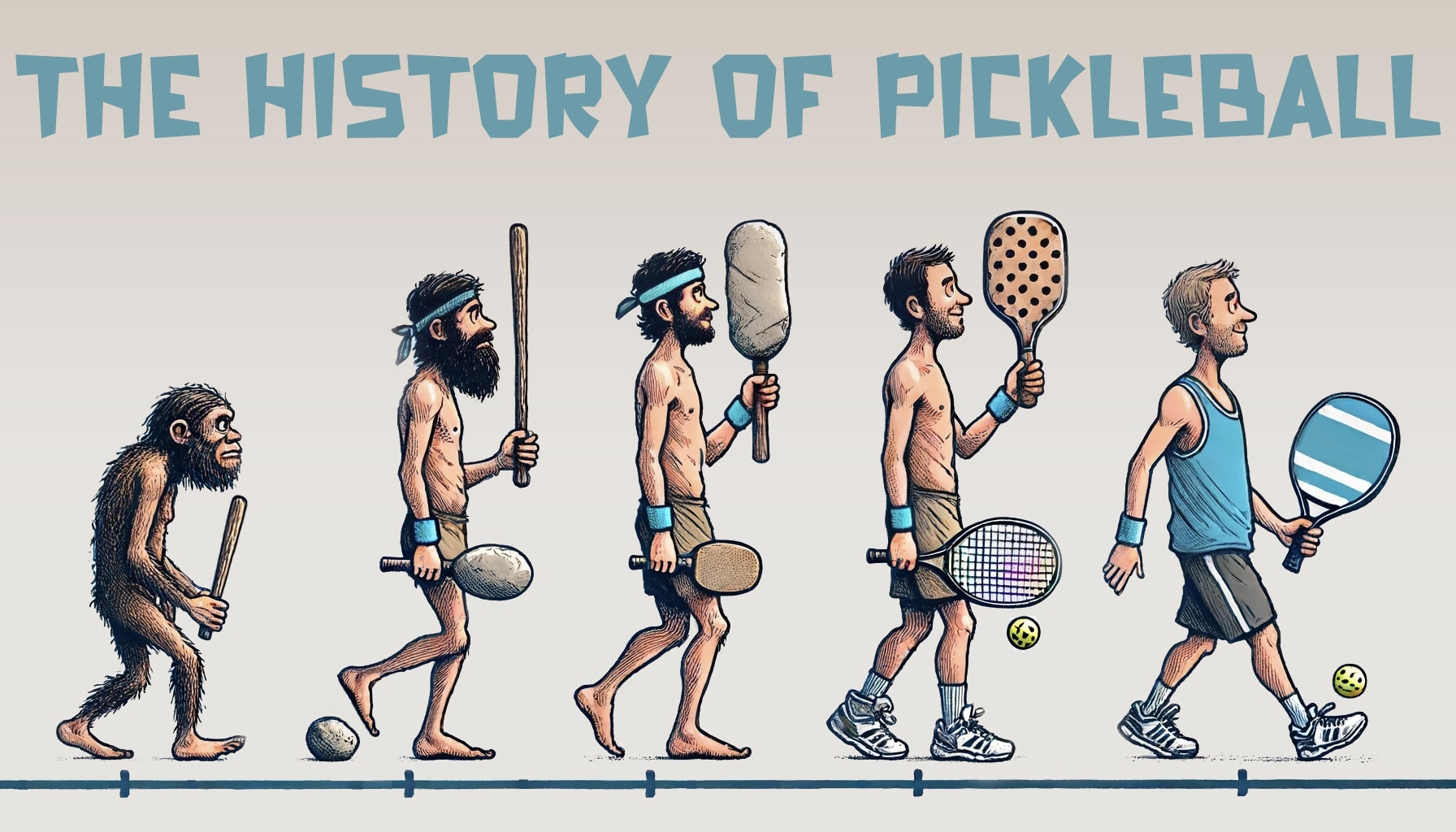
Pickleball was invented in 1965 on Bainbridge Island, Washington. It grew slowly for decades, with pockets of loyal players in community centers and retirement communities. The first wave of organized structure arrived in the 1980s, and a second wave came with online videos and portable nets around 2009.
Things picked up fast between 2014 and 2019. Parks added lines. Clubs added clinics. More people started asking when did pickleball become popular because courts were suddenly busy.
The true surge came in 2020–2022. Outdoor play felt safe and social during the pandemic. Local governments, gyms, and schools invested. By 2023, TV broadcasts, pro leagues, brand sponsorships, and celebrity owners pushed it into pop culture. That’s the point most people think of when they ask, very plainly, when did pickleball become popular.
What pushed the sport past the tipping point
Several forces hit at once and made growth feel inevitable.
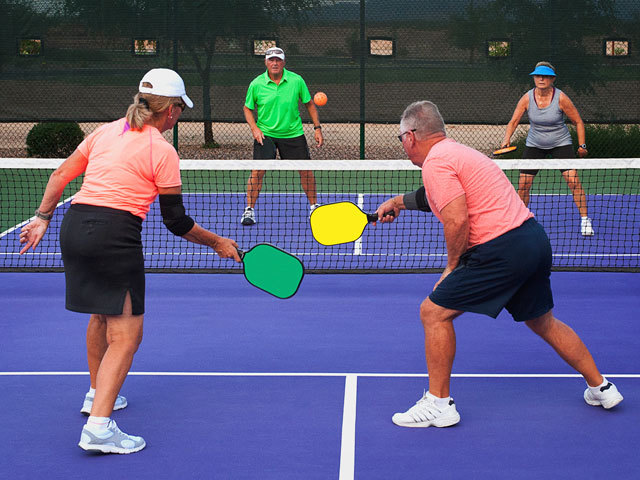
- Accessibility for all ages The court is small, the paddle is light, and rallies start fast. You can enjoy a real game on day one.
- Social connection You chat between points and rotate partners. It feels like a block party with a net.
- Low cost and easy setup Many parks taped lines first and built courts later. That lowered the barrier to start.
- Pandemic-era habits People moved outdoors, sought exercise, and craved safe ways to meet up.
- Media and celebrity buzz Pro tours, streaming clips, and celebrity investors built mainstream awareness.
- Facility investment Tennis clubs and rec centers converted courts, then built dedicated spaces.
- Youth and schools PE programs picked it up, bringing kids and families into the fold.
- Equipment innovation Better paddles and balls made the game faster, quieter, and more fun.
If you’re trying to pinpoint when did pickleball become popular, these drivers explain why 2019–2023 turned a steady climb into a rocket.
Proof by numbers: participation, searches, and courts
It’s not just a vibe. The data backs it up.
- Participation counts doubled year over year during the early 2020s. Industry reports measured about 8–9 million U.S. players in 2022 and more than 13 million in 2023. Another study estimated 36.5 million people tried pickleball at least once in 2022.
- Courts and locations jumped fast. There are now more than 13,000 public places to play in the U.S., up from only a few thousand a decade ago. Dedicated clubs are booming in major metro areas and small towns.
- Search interest surged. Online searches for when did pickleball become popular and related terms rose sharply from 2019 to 2023, matching the buildout of courts and media coverage.
- Broadcasts and pro leagues multiplied. More matches appeared on national TV and streaming. Prize money increased. Top athletes crossed over from tennis and table tennis.
These metrics align with the simple question: when did pickleball become popular? The strongest evidence points to 2020–2023 as the tipping period.

Why it clicked with Americans of all ages
Pickleball blends elements of tennis, badminton, and ping-pong, but the magic lies in its game design. The kitchen keeps power in check. The ball slows the game down just enough to reward control. That balance helps new players rally and keeps advanced players hooked.
For families, it is the rare sport where teens and grandparents can compete together. For fitness seekers, it gives cardio without pounding joints. For competitors, it has deep strategy, fast hands, and a strong tournament scene. That is the deeper answer to when did pickleball become popular: it fits modern life.

My on-court view: how the boom looked up close
In 2018, I helped a local rec center add open play. We taped lines on two old courts and set out a sign-up board. By early 2020, I was bringing extra paddles for beginners because we ran out. By 2021, the center added six permanent courts and a weekly beginner night.
A few lessons learned you can use:
- Start beginner hours New players thrive when they learn together. It also shortens advanced wait times.
- Invest in intermediate clinics The jump from beginner to confident player is where many quit. Coaching helps.
- Use fair rotation boards Long waits kill the fun. Keep groups moving every game.
- Buy quality paddles Cheap gear breaks and sours people on the sport. Mid-price paddles last longer.
- Address noise early Windscreens and softer balls can keep neighbors happy.
From the ground, it felt obvious when did pickleball become popular. Lines on weekends, waitlists for leagues, and a sea of paddle bags told the story.

How to tell it is taking off in your town
You can spot a local boom with a few simple checks.
- Visit parks after work If courts are full and people rotate in, the wave has hit.
- Ask rec staff about schedules Sudden additions of beginner nights or ladders are a sign.
- Check club calendars If private clubs convert courts or launch leagues, demand is strong.
- Browse local groups Look for active posts about open play and gear swaps.
- Watch retailers If big chains stock more paddles and shoes, popularity is rising.
The more signs you see, the clearer the answer becomes to when did pickleball become popular in your area: probably right now.
Frequently Asked Questions of when did pickleball become popular
When did pickleball become popular in the United States?
The sport moved from niche to mainstream between 2019 and 2022. By 2023, it entered pop culture with TV coverage, pro leagues, and big investments.
Why did pickleball become popular so fast?
It is easy to learn, social, and low-impact. Pandemic-era habits and facility investments sped up the trend.
Was pickleball popular before 2020?
It had steady growth from 2009 to 2019, especially in parks and active adult communities. The real spike came during 2020–2023.
How many people play pickleball now?
Recent industry data shows tens of millions have tried it, and well over 10 million play regularly. Participation keeps rising each year.
Is pickleball popular outside the U.S.?
Yes, it is expanding in Canada, Mexico, Europe, and Asia. National groups and new clubs are forming across many countries.
What role did media play in its popularity?
Short video clips and TV broadcasts showcased fast rallies and fun moments. That visibility pulled in new players and sponsors.
When did pickleball searches start trending?
Search interest began climbing around 2019 and accelerated through 2023. Many people googled when did pickleball become popular as they saw courts fill up.
Conclusion
If you are asking when did pickleball become popular, the clearest window is 2019–2023, with a major lift in 2020–2022 and a mainstream breakout in 2023. The sport works because it is fun fast, easy to learn, and deeply social.
Ready to join in? Find a local beginner session, borrow a decent paddle, and play three short games. You will see why this boom shows no signs of slowing. Want more guides and gear tips? Subscribe, share this article with a friend, or leave a question in the comments.