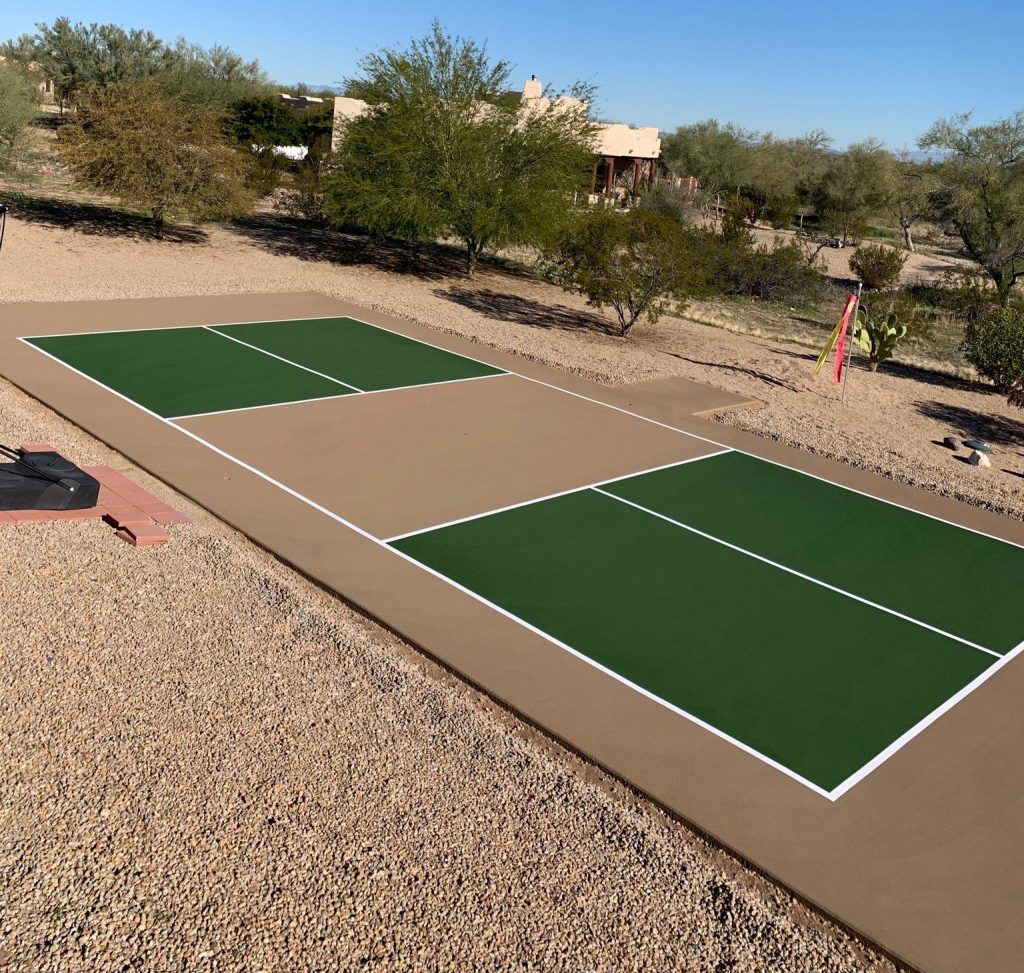
Expect $25,000–$60,000 for one outdoor court, with indoor builds costing more.
If you’re planning a new court or converting space, I’ll help you nail the real numbers. In this guide, I break down how much to build a pickleball court with clear ranges, pro tips, and budget samples from projects I’ve managed. You’ll see where money matters, what to avoid, and how to stretch your spend without cutting corners. Read on to make a smart, confident plan.

Pickleball court cost at a glance
Before we go deep, here are typical ranges for one standard court (30 by 60 feet including runout):
- New outdoor court on raw land: $35,000–$85,000
- Convert existing tennis or sport court: $5,000–$35,000
- Indoor court inside an existing building: $60,000–$150,000
- New indoor court with a new building shell: $150,000–$400,000+
- Cost per square foot (court area and runout): $15–$40+, depending on base, surface, and site
These are averages. Your site, climate, and finish level can push costs up or down. If you want to know how much to build a pickleball court on your property, match your site type to the ranges above, then refine with the cost factors below.
What drives the price
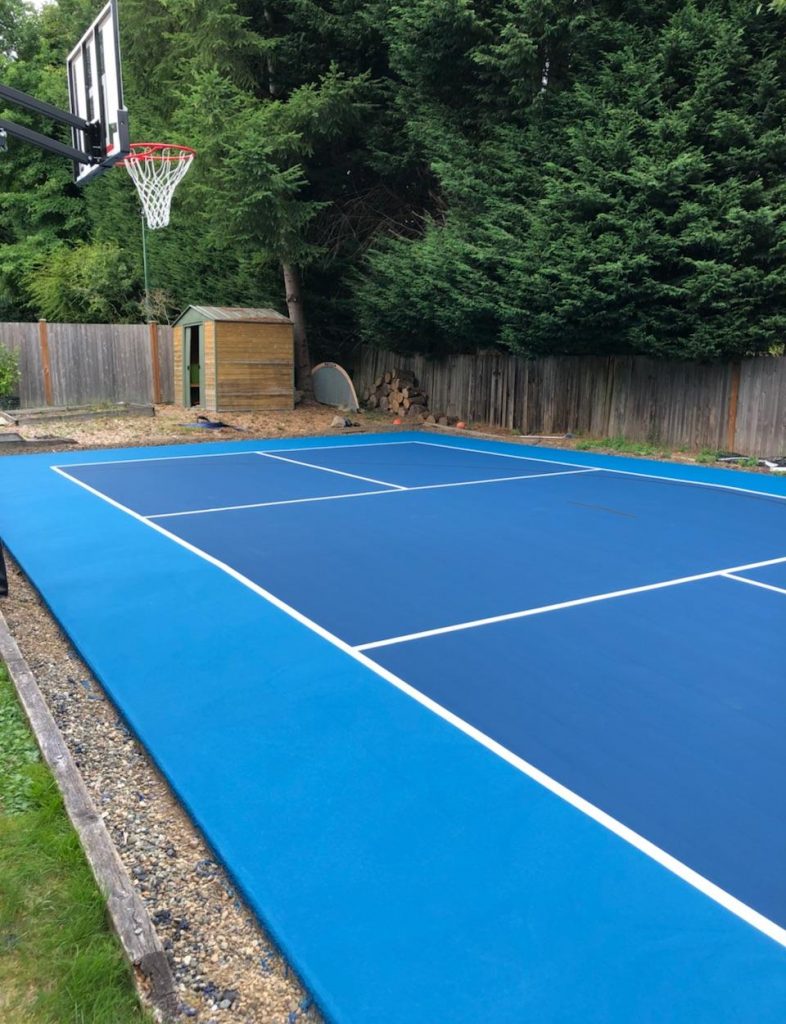
Several levers control how much to build a pickleball court. Each one can swing your budget by thousands.
- Site conditions Poor soil, slope, or rock need excavation, fill, or geotech support.
- Demolition and clearing Old slabs, trees, or structures add time and hauling.
- Base type Asphalt is cheaper upfront. Post-tensioned concrete is pricier but lasts longer.
- Surface system Acrylic coatings cost less. Modular tiles and cushioned builds cost more.
- Drainage and grading Good drainage stops heaving and cracks. It is essential in freeze-thaw zones.
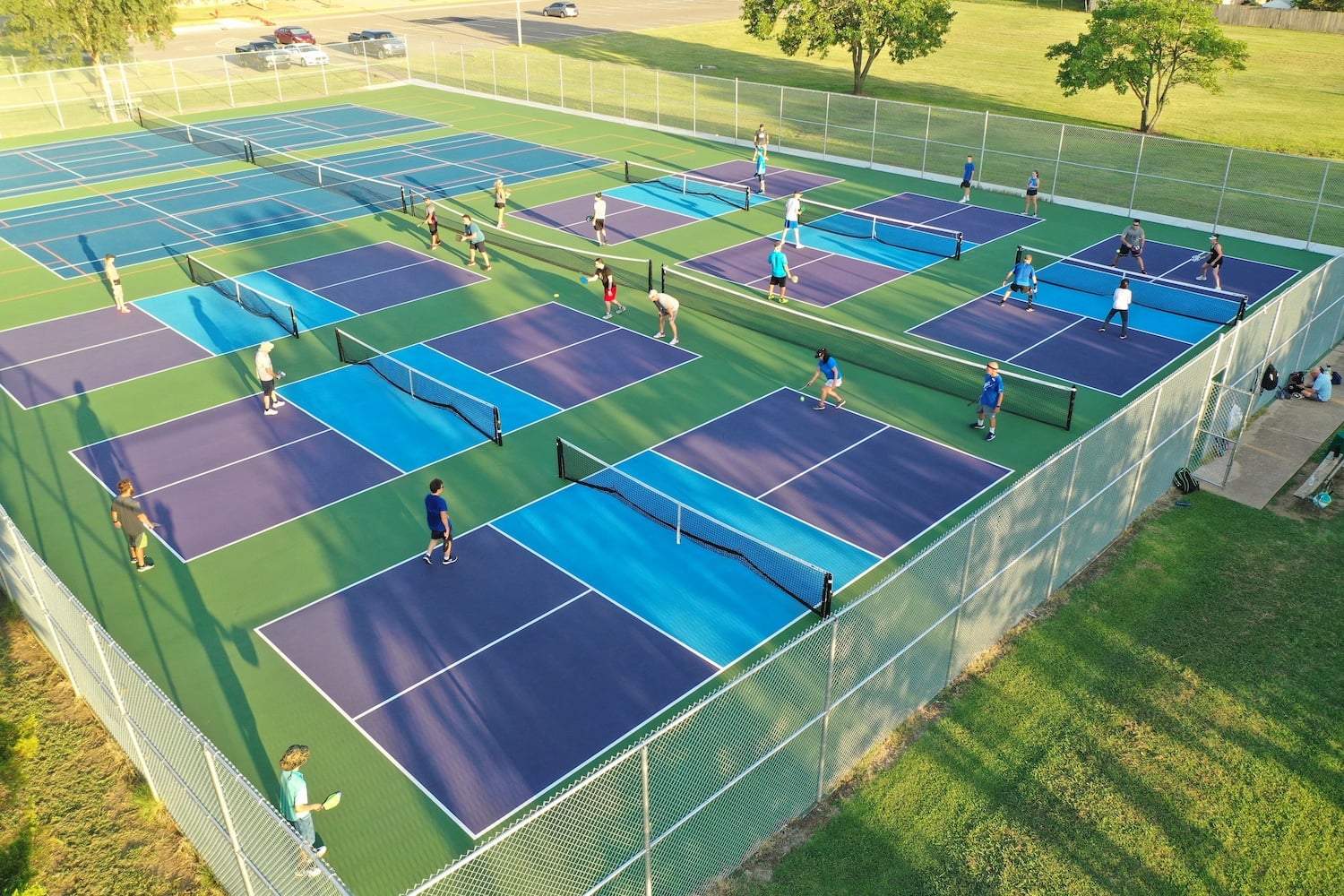
- Court count and layout Two adjacent courts share fencing and lights, lowering cost per court.
- Fencing and gates Chain link is common. Height, coatings, and windscreen raise cost.
- Lighting and power LED sports lights add cost, trenching, and electrical work.
- Accessories Nets, posts, anchors, benches, shade, and storage add to finish.
- Labor and region Wages and materials vary by region and by season.
- Permits and design Surveys, permits, engineering, and inspections affect both schedule and cost.
From experience, the surface system and drainage are the biggest cost-quality levers. They directly shape how much to build a pickleball court and how long it stays in top shape.

Surface choices and cost breakdown
The surface is where play happens, and it sets both feel and lifespan. It also drives how much to build a pickleball court in your area.
-
Asphalt base with acrylic color
- Base install: roughly $3–$7 per square foot
- Acrylic surfacing: $1.50–$3 per square foot
- Pros: Lower upfront cost, fast install
- Cons: Can crack sooner in harsh climates
-
Post-tensioned concrete with acrylic color
- Slab: roughly $8–$15 per square foot
- Acrylic surfacing: $1.50–$3 per square foot
- Pros: Best long-term stability, fewer cracks
- Cons: Higher upfront cost, needs skilled crew
-
Modular sport tiles over base
- Tiles: $4–$10 per square foot
- Base still needed: compacted stone or slab
- Pros: Fast to install, good drainage, some cushion
- Cons: Louder sound, higher material cost
If you want the lowest 10-year cost, post-tensioned concrete often wins. If you need the lowest upfront cost, asphalt with acrylic is a safe, common pick. Both can meet USA Pickleball color and texture standards.
New build vs conversion
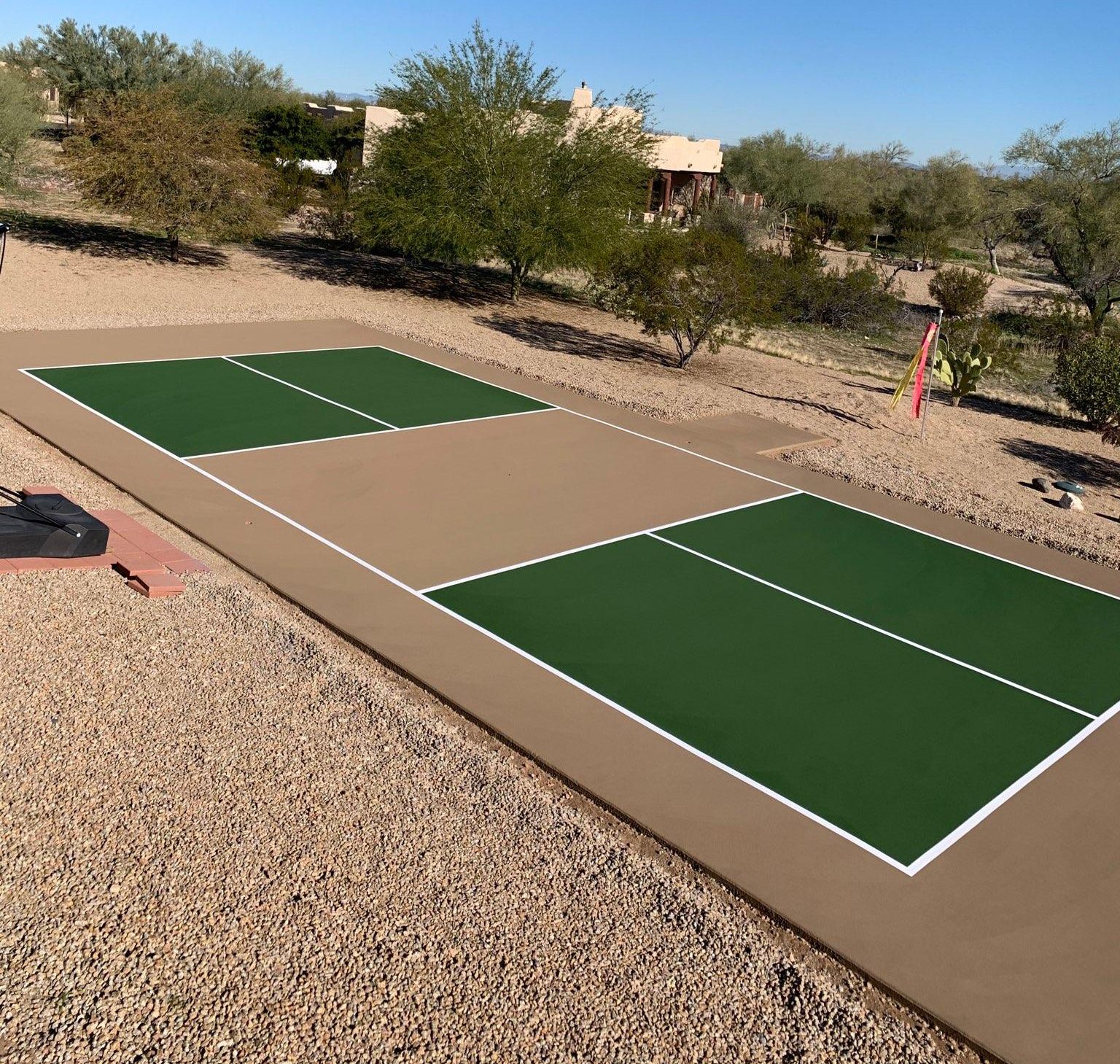
Many owners ask how much to build a pickleball court if they already have a slab. Conversions are often the best value.
-
Converting a tennis court
- Basic clean, patch, color, and line for two to four courts: $8,000–$35,000
- Add new posts, fencing changes, and nets as needed
- Watch for cracks. Crack repair systems add cost but extend life.
-
Converting an old parking pad
- Requires checking grade, drainage, and slab condition
- Costs range widely: $10,000–$45,000 based on repairs and finish
-
New outdoor build on grass or dirt
- Expect $35,000–$85,000 for one court with fencing and acrylic finish
- More if soils are poor or utilities are far
If you can reuse a solid base, your cost per court drops a lot. That choice alone can change how much to build a pickleball court by tens of thousands.

Outdoor vs indoor: what changes
Outdoor builds are simpler, but weather and drainage matter. Indoor courts add building and systems.
-
Outdoor adds
- Grading, drainage, and stormwater control
- Weather-resistant fencing, coatings, and windscreens
-
Indoor adds
- Building shell or tenant fit-out
- Lighting levels of 50–75 foot-candles, even and glare-free
- HVAC for comfort and humidity control
- Acoustic treatment to reduce noise
If you already control a warehouse, indoor fit-outs can be cost-effective. If not, the shell cost will dominate how much to build a pickleball court indoors.
Sample budgets you can copy
These are realistic single-court snapshots I use when clients ask how much to build a pickleball court. Prices vary by region.
-
Starter outdoor, asphalt base, acrylic color: $38,500–$52,000
- Site prep and grading: $6,000–$10,000
- Asphalt base and compacted stone: $12,000–$18,000
- Acrylic surfacing and lines: $4,500–$7,000
- Fencing 8 feet on two sides, 4 feet on two sides: $8,000–$12,000
- Net posts, net, center strap, anchors: $1,200–$2,000
- Lighting (two LED poles) with trenching: $6,000–$10,000
- Misc. pads, benches, windscreens: $800–$3,000
-
Longevity outdoor, post-tensioned concrete: $55,000–$78,000
- Better long-term stability, same accessories
-
Indoor court inside existing warehouse: $68,000–$120,000
- Patch and seal slab, add sport coating or tiles
- LED high-bay sports lighting and circuits
- Perimeter fencing or netting, wall pads
- Marking, sound panels, and player amenities
These scenarios show how much to build a pickleball court can fit different goals. Pick a lane based on lifespan, play feel, and maintenance plan.

Hidden costs, permits, and rules
Paperwork and site rules can affect how much to build a pickleball court, and they often get missed early.
- Permits and approvals Zoning, noise limits, and impervious area caps may apply.
- Surveys and engineering A simple topographic survey saves surprises during grading.
- Stormwater compliance Swales or dry wells can be required in some regions.
- ADA access routes Provide an accessible path, viewing area, and parking.
- Electrical service Long trench runs and panel upgrades add cost fast.
Plan these early. The cheapest time to fix a problem is before the crew arrives.
Ongoing costs and maintenance
Your surface will last longer with light, regular care. These items affect the true cost of how much to build a pickleball court over time.
- Annual cleaning and minor crack sealing: $200–$600
- Restriping and color refresh every 4–7 years: $4,000–$8,000
- Net replacement every 3–5 years: $150–$350
- LED light maintenance is low, but budget for drivers over time
A good base reduces long-term costs. That is why the base choice is central to how much to build a pickleball court across its life.
How to save without regret
I learned these the hard way on early projects. Use them to control how much to build a pickleball court without pain later.
- Reuse good infrastructure Conversions beat new builds for value.
- Share infrastructure Build two courts side by side to share fencing and lights.
- Phase upgrades Start with quality base and surfacing. Add shade and extras later.
- Specify smart Pick standard colors and heights to avoid custom fees.
- Bid well Get at least three quotes with the same scope and specs.
Cutting corners on drainage or base work will cost more later. Spend first on what you cannot easily fix.
Common mistakes I see
These pitfalls inflate how much to build a pickleball court or shorten its life.
- Ignoring drainage Water is the enemy of slabs and surfacing.
- Underestimating runout A 30 by 60 foot envelope is the norm for safe play.
- Skipping soil checks Soft spots lead to settlement and cracks.
- Cheap nets and posts They bend, rust, and need early replacement.
- Poor lighting layout Bright spots and shadows make play tough and unsafe.
A short design meeting upfront beats weeks of rework after the pour.
DIY vs hiring a pro
You can DIY parts of the build, but know the limits. This choice changes how much to build a pickleball court and the risk you take.
-
DIY friendly
- Demolition, light grading, minor crack repair
- Accessory install, windscreens, benches, windsock
-
Pro recommended
- Base construction, post-tensioned concrete, final surfacing
- Lighting design and electrical work, fencing footings
I have seen DIY crews do a beautiful job on accessories and prep. I have also seen DIY slabs crack in the first winter. Be honest about skills and tools.
Timeline, project steps, and checklist
Plan the path before you spend. It keeps how much to build a pickleball court on track.
- Pre-design Define space, goals, and budget. Get a survey if needed.
- Scope and bids Pick surface, fencing, lighting. Bid apples to apples.
- Permits and approvals Submit drawings. Allow a few weeks to months.
- Site work Clear, grade, and install drainage.
- Base and surfacing Install base, cure as needed, then apply coatings.
- Accessories and lights Set posts, nets, pads, lights, and signs.
- Punch list Walk the site and fix small issues before final payment.
Typical outdoor projects take 4–10 weeks depending on weather and permit speed.
Return on investment for clubs and HOAs
If you manage a venue, a clear model helps explain how much to build a pickleball court.
-
Sample revenue model
- Court rental at $20 per hour, 6 hours per day, 300 days per year
- Annual gross: $36,000 per court
- Subtract maintenance and utilities to see net
-
Value adds
- Clinics, leagues, and memberships lift revenue and usage
- Lights extend play hours, speeding payback
With this simple math, a $60,000 court can pay back in a few seasons in busy markets. Your numbers may be lower or higher, but the model still helps compare how much to build a pickleball court with expected use.
Frequently Asked Questions of how much to build a pickleball court
What are the official dimensions for one court?
The playing area is 20 by 44 feet. Most builds include safe runout to 30 by 60 feet.
Do I need a permit to build a court on my property?
Many areas require zoning review and a building or grading permit. Ask your local office early to keep costs and schedule on track.
How long does construction take for one outdoor court?
Plan for 4–10 weeks. Weather, curing time, and permits affect the timeline most.
What is the best surface for long life?
Post-tensioned concrete with acrylic color has the best track record. It costs more upfront but can cut repairs over time.
Can I put two courts in one tennis court?
Yes. Many owners fit two to four pickleball courts on one tennis pad. You’ll need new lines, posts, and often extra fencing.
How much does lighting add to the cost?
Basic LED sports lighting for one court often runs $6,000–$15,000 installed. Trenching and panel upgrades can push that higher.
Is modular tile a good option?
It is fast, clean, and good for temporary or indoor setups. Some players find it louder and a bit more bouncy than acrylic on slab.
Conclusion
You now have a clear view of how much to build a pickleball court, what drives the price, and where to invest for long life. Start with a solid base, proper drainage, and the right surface. Then add fencing, lighting, and extras as your budget allows.
Use the sample budgets and checklists to plan your project with confidence. If you are ready, request three comparable bids this week and walk your site to confirm drainage and access. Want more tips like this? Subscribe, share your project details, or drop a question in the comments.