
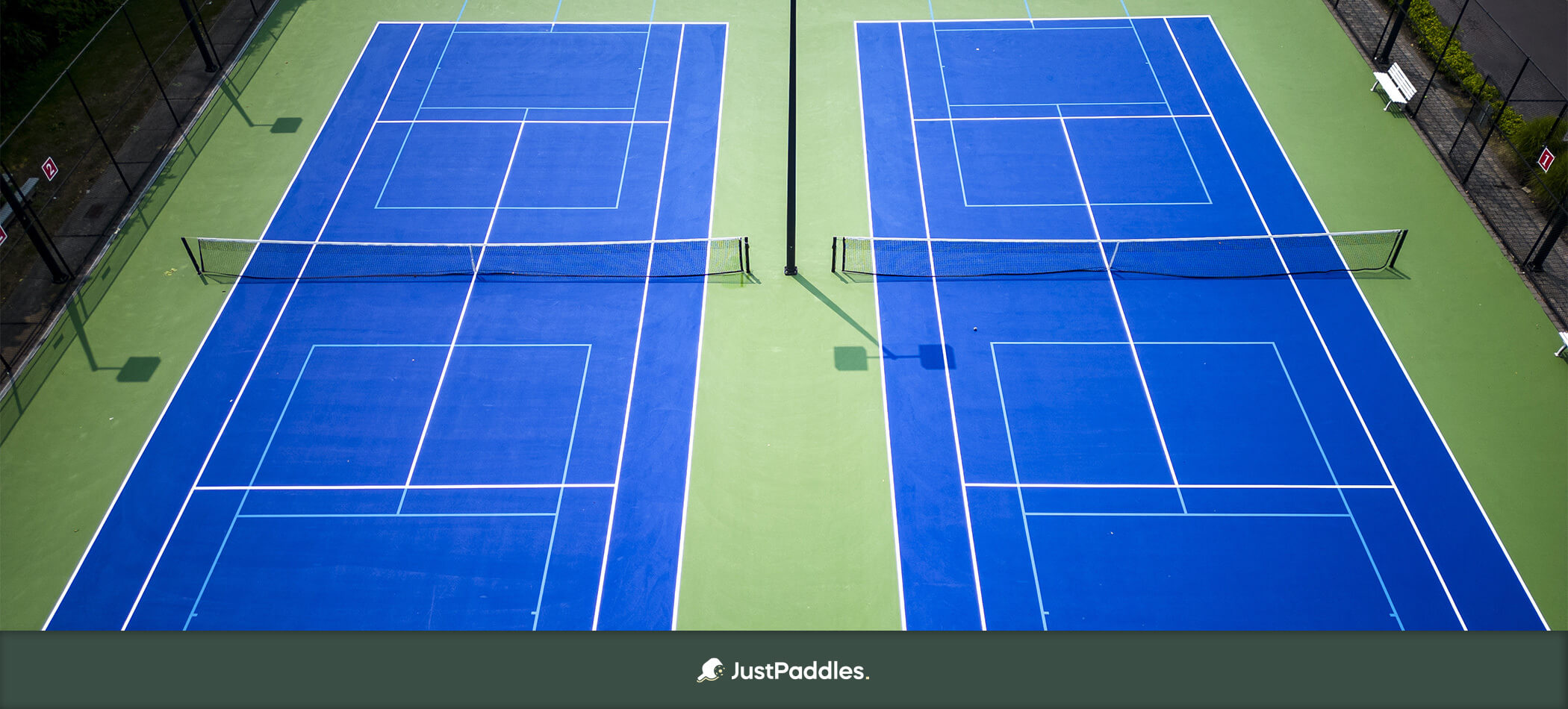
Set lines, drop a 34-inch net, and play within a 20×44-foot area.
If you’ve wondered how do you play pickleball on a tennis court, you’re in the right place. I’ve converted dozens of tennis courts for clinics, leagues, and casual games. In this friendly, expert-backed guide, I’ll show you how do you play pickleball on a tennis court step-by-step, with gear tips, layouts, rules, safety, and smart shortcuts that save time and money. Read on to set up, serve, and rally with confidence.
What You Need To Get Started
Playing pickleball on a tennis court is simple when you have the right gear. The core idea is to create a clear 20-by-44-foot playing area with a 34-inch net at the center. From there, you follow standard pickleball rules and scoring.
Essentials:
- Portable pickleball net set at 34 inches in the center, 36 inches at the posts.
- Measuring tape or a pre-marked court stencil for 20-by-44 feet.
- Temporary line tape or chalk that will not damage the court surface.
- Two to four paddles sized for pickleball, not tennis.
- Outdoor pickleballs with 40 holes for hard courts.
- Court-friendly shoes with non-marking soles and good grip.
Nice-to-haves:
- Boundary markers or throw-down lines for speed.
- A center-strap for the tennis net if you plan to lower and use it.
- Court broom or blower to clear grit before play.
If you’re asking how do you play pickleball on a tennis court without buying much, borrow a net, use chalk for lines, and share paddles to start. You can upgrade later once you fall in love with the game.

Court Setup: Dimensions, Lines, and Net Height
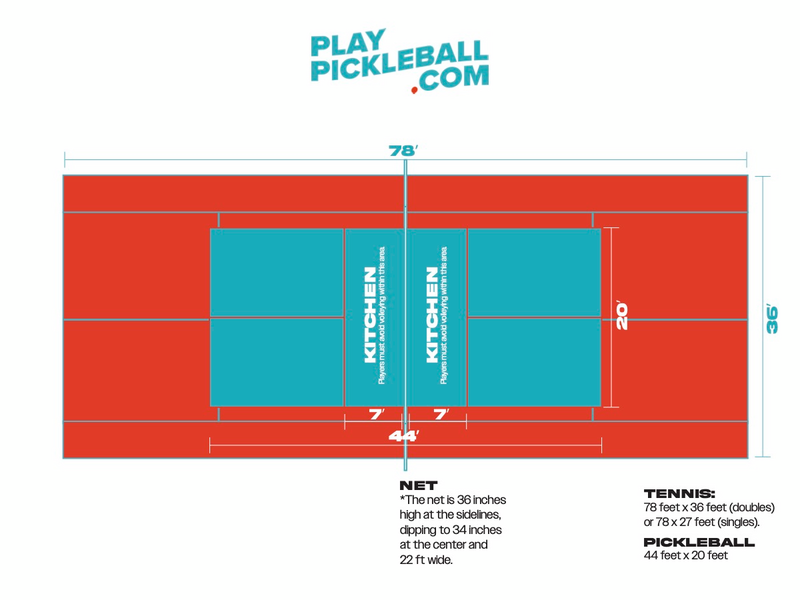
A pickleball court is 20 feet wide and 44 feet long. The non-volley zone (the kitchen) is 7 feet from the net on both sides. Service boxes are split down the middle. The baseline runs 22 feet from the net on each side.
Lines:
- Use blue painter’s tape or chalk that peels up clean.
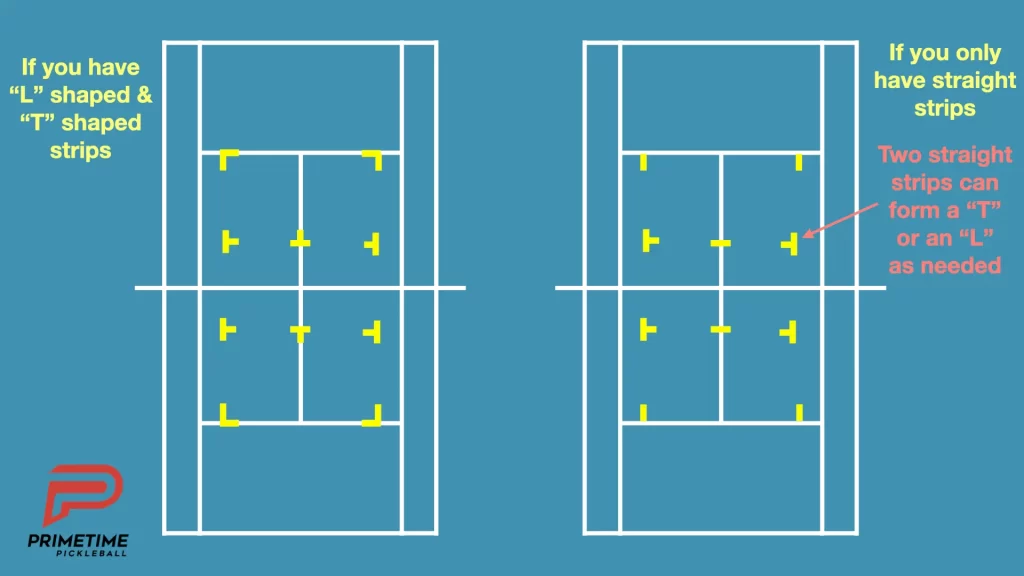
- Mark the outer rectangle first: 20 by 44 feet.
- Add a centerline that splits the service area into right and left boxes.
- Mark the non-volley zone line at 7 feet from the net on both sides.
Nets:
- A tennis net is 36 inches at the center and 42 inches at the posts.
- A pickleball net should be 34 inches at the center and 36 inches at the posts.
- Best option: bring a portable pickleball net.
- Fast option: lower the tennis net center with a strap to about 34 inches. It’s not perfect, but it works for casual play.
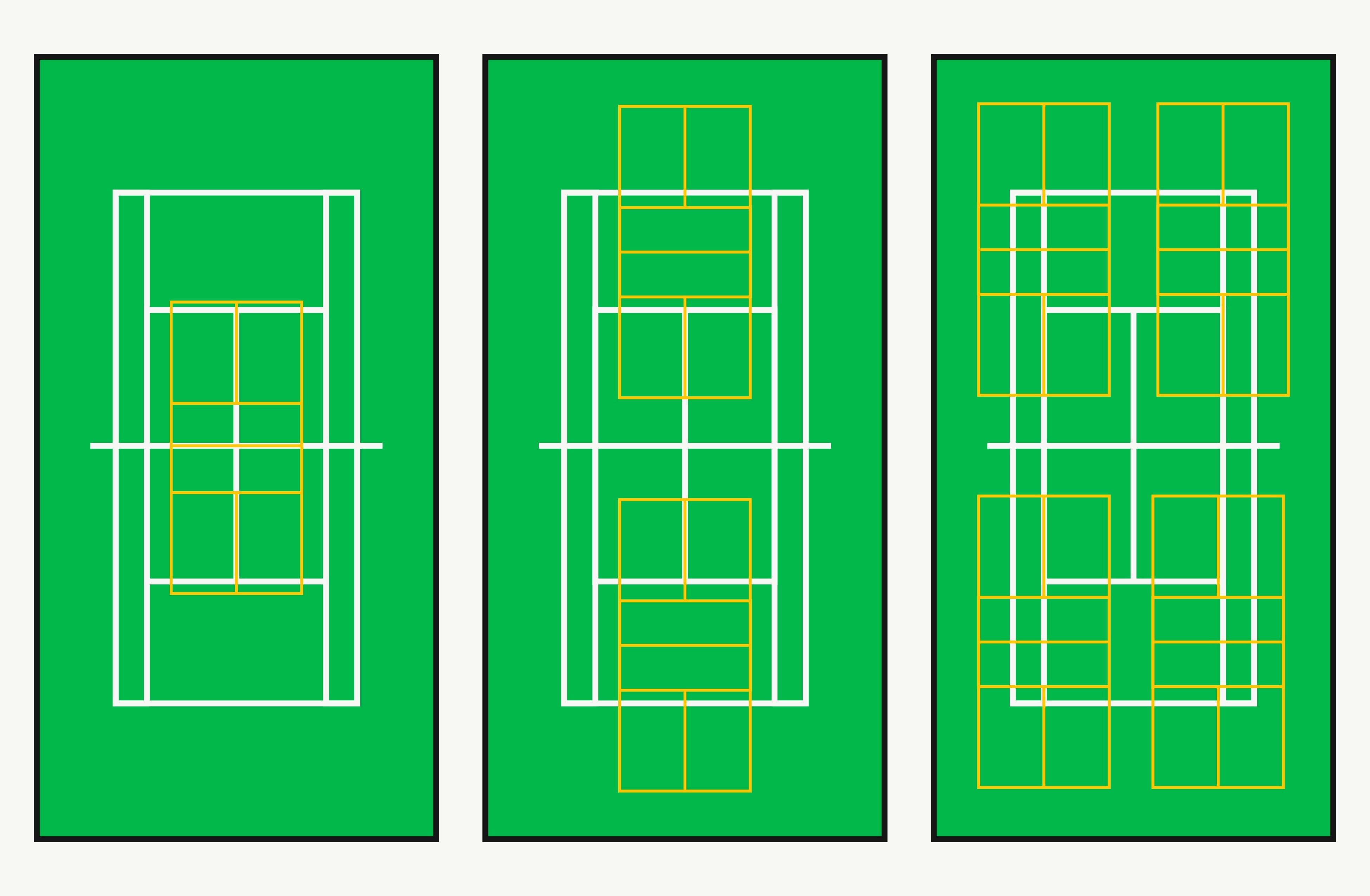
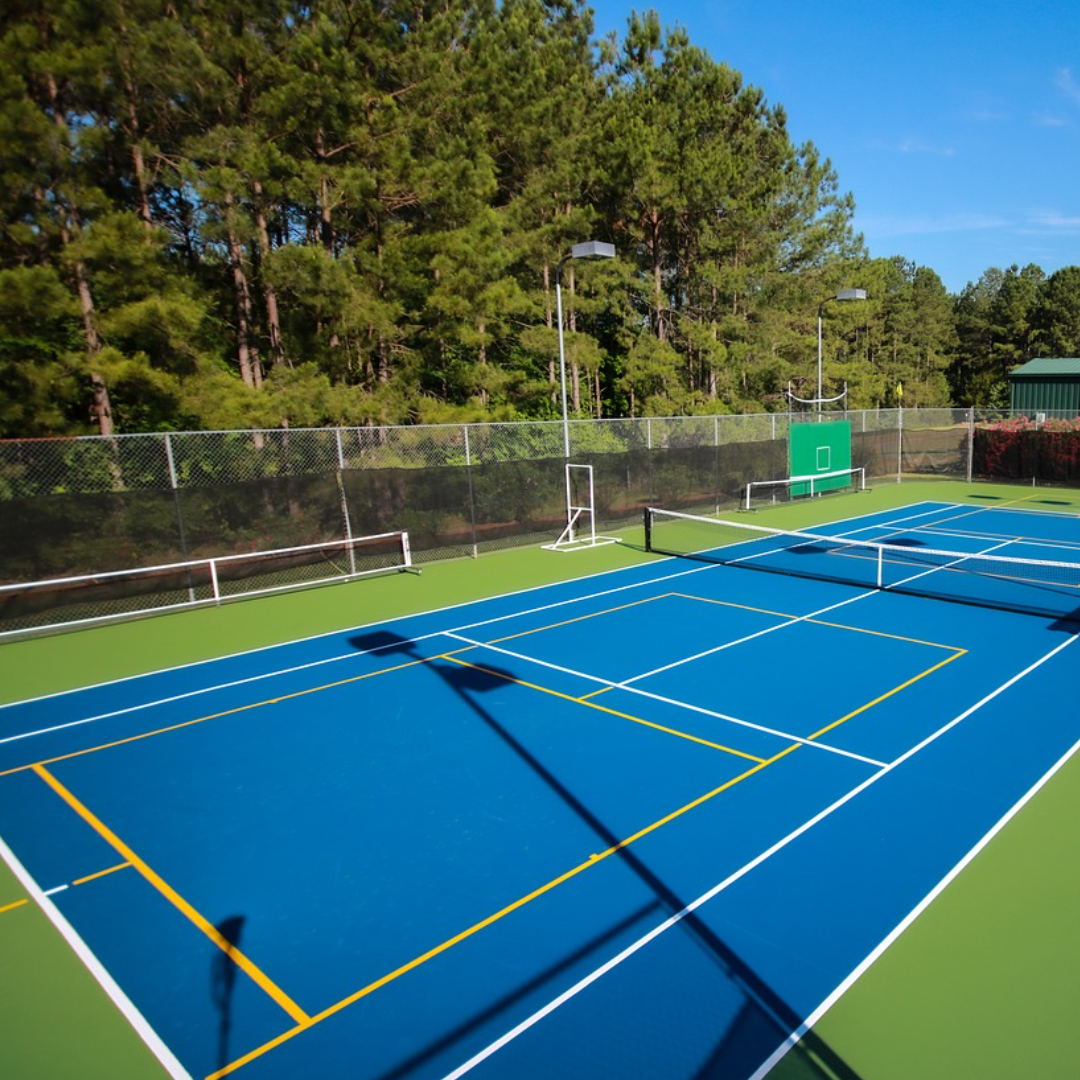
Layout options on a single tennis court:
- One pickleball court across one half, using the service line as a guide.
- Two pickleball courts per tennis court, set perpendicular to the tennis net.
- For open play, two courts per tennis court helps more players rotate.
This is the heart of how do you play pickleball on a tennis court. Get the size right, get the net right, and the rest feels natural.
Step-by-Step Setup You Can Do In 10 Minutes
Here is a quick method I use for clean setups.
- Clear the court of sand and debris for safety.
- Unroll the portable net and place it across the court.
- Measure 10 feet from the centerline on both sides to mark the 20-foot width.
- Measure 22 feet from the net to set the baseline on each side.
- Tape the outer rectangle first. Then add the centerline and kitchen lines.
- Check net height: 34 inches in the middle.
- Do a walk-through to confirm all lines are square and visible.
If a friend asks how do you play pickleball on a tennis court with zero fuss, show them this checklist. It works every time.
Rules and Scoring Refresher
Keep the rules simple and clear.
- Serve underhand with contact below the waist. Serve cross-court.
- Only the serving team can score.
- After the serve, both teams must let the ball bounce once before volleys begin.
- No volleying in the non-volley zone.
- Standard games go to 11. Win by 2.
- Doubles serve order rotates between partners.
Many players learn how do you play pickleball on a tennis court faster when they use a scoreboard app or a whiteboard. It reduces confusion and keeps the game moving.

Doubles Strategy That Works On a Tennis Court
Most play will be doubles. It’s fast, social, and fits the space well.
- Get to the kitchen line early. Control that space and you control the point.
- Use soft dinks to move teams wide and create pop-up shots.
- Aim third shots low and deep to buy time to move up.
- Communicate. Call balls early and often.
- Avoid swinging like tennis at the net. Short, compact strokes win.
When I teach how do you play pickleball on a tennis court to tennis converts, I stress this: less backswing, more control. Power helps, but soft wins.
Safety, Etiquette, and Noise Control
Play safe and be a good neighbor.
- Wear court shoes and warm up your shoulders and calves.
- Avoid running backward. Turn and run forward to chase lobs.
- Call out “ball on” if a stray ball rolls in.
- Keep noise down if courts are near homes. Use quieter balls and paddles if needed.
- Remove tape and chalk after play. Leave the court cleaner than you found it.
A big part of how do you play pickleball on a tennis court well is respect for the space and others using it.
Lighting, Wind, and Surface Tips
Outdoor courts change by the hour.
- Wind: Aim serves lower, add more margin over the net, and dink safer.
- Sun: Play with the sun at your back when possible. Wear a hat and sunglasses.
- Lights: If playing at night, use bright lines and a light-colored ball.
- Surface: Older asphalt can be slick. Test traction before starting.
These small tweaks make how do you play pickleball on a tennis court feel natural in any weather.

Gear That Fits Every Budget
You do not need the most expensive paddle to start.
Entry-level:
- Composite paddle, outdoor ball pack, and a portable net.
- Blue painter’s tape or chalk for lines.
Mid-range:
- Carbon-faced paddle for more control.
- Weighted net with center strap for better tension.
Pro touches:
- Pre-cut reusable throw-down lines.
- Ball holder and rolling cart for clinics.
Ask friends to try their paddles before you buy. It speeds up your learning curve and keeps costs low.
Troubleshooting Common Problems
Things happen. Here is how to fix them fast.
- Lines won’t stick: Wipe the area dry. Use better tape or chalk.
- Net sags: Add a center strap or tighten end posts.
- Can’t see lines at dusk: Use brighter tape or chalk in white or neon.
- Confused by scoring: Use a small whiteboard or a phone app.
- Tennis net only available: Lower it to 34 inches at the center and play.
Use these tips when you coach someone through how do you play pickleball on a tennis court for the first time.
A Sample One-Hour Session Plan
Use this plan for a smooth first outing.
- 0–10 minutes: Warm-up, soft dinks at the kitchen, and light volleys.
- 10–20 minutes: Serve and return practice with targets.
- 20–40 minutes: Games to 7 with fast rotations.
- 40–55 minutes: Focused drill on third-shot drops and resets.
- 55–60 minutes: Cooldown, line cleanup, and court check.
This simple plan shows a group exactly how do you play pickleball on a tennis court and build skills fast.
Costs and Time: What To Expect
The basics are affordable and quick to set up.
- One-time gear: $120–$300 for a net, balls, and paddles.
- Tape and chalk: $5–$20 per setup depending on quality.
- Setup time: 10–15 minutes with two people.
- Cleanup time: 5–10 minutes if you use tape or chalk.
Budget gear is enough to learn and enjoy the game.
Maintenance and Storage Tips
Good care saves money and time.
- Store paddles and balls indoors to avoid warping.
- Keep the net dry and coil it neatly to prevent tears.
- Remove tape after play to protect the court finish.
- Check your lines and net height before each session.
These habits make every session feel pro-grade.
Multi-Court Layouts For Groups
Got a crowd? Use your space well.
- Two courts per tennis court is the sweet spot for open play.
- Place courts perpendicular to the tennis net to reduce ball crossovers.
- Leave a safe buffer zone between courts.
- Use different color lines for each court to reduce confusion.
When people ask how do you play pickleball on a tennis court with many players, this setup keeps games fun and safe.
Frequently Asked Questions of how do you play pickleball on a tennis court?
Can I use the existing tennis net?
Yes, for casual play. Lower the center to about 34 inches using a strap. For best results, use a portable pickleball net.
What tape should I use for temporary lines?
Blue painter’s tape is gentle and visible. Chalk also works and is easy to remove on most surfaces.
How many pickleball courts fit on one tennis court?
Usually two, placed perpendicular to the tennis net. This layout handles more players with fewer ball crossovers.
Do I need special shoes?
Use non-marking court shoes with good grip. Running shoes can slip on quick side steps.
What is the kitchen and why does it matter?
The kitchen is the 7-foot non-volley zone by the net. You cannot volley while standing in it, which keeps play fair and safe.
Is scoring different on a tennis court setup?
No. Scoring follows standard pickleball rules. The court location does not change the rules.
How do you play pickleball on a tennis court in wind?
Aim higher over the net, add topspin, and play safer dinks. Serve with a lower, more controlled arc.
Conclusion
You now know how to measure, line, and net a tennis court for fast, fun pickleball. You understand how do you play pickleball on a tennis court with clean lines, safe gear, and smart layouts. Keep it simple: mark 20 by 44 feet, set a 34-inch net, and play by the core rules.
Grab a friend, pack a net, and set up your first court this week. Share this guide, subscribe for more tips, or leave a comment with your setup questions and wins.