Most pickleball courts use asphalt or concrete topped with textured acrylic coatings.
If you have wondered what are pickleball courts made of, you are in the right place. I have helped plan, build, and resurface courts in hot deserts, humid coasts, and snowy towns. In this guide, I break down every layer, from the ground up, so you can understand what are pickleball courts made of and choose the best option for your space, your climate, and your budget.
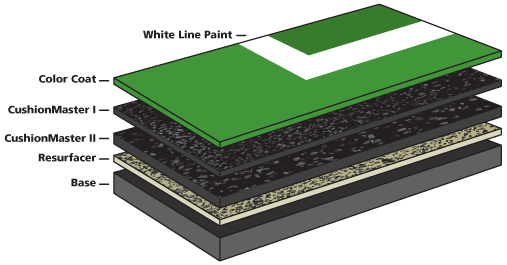
The layered build: what a pickleball court is made of
A durable pickleball court is a system, not a single material. Think of it like a cake with layers. Each layer controls stability, drainage, texture, and ball bounce.
- Subgrade. This is the native soil, graded and compacted so it will not move.
- Base aggregate. Crushed stone creates a stable bed and helps drain water.
- Pavement. Asphalt or concrete makes the hard, flat surface.
- Coatings. Acrylic sport coatings add color, texture, and grip.
- Lines and accessories. Textured line paint, net posts, sleeves, and edge details.
If you ask what are pickleball courts made of when built to last, the short answer is asphalt or concrete plus acrylic. The long answer is that each layer matters, and the right mix depends on climate, budget, and use.
Common surface types and how they play
You will see five main surface types on public and private courts. Each affects ball speed, noise, and upkeep.
Asphalt with acrylic coatings
- Most common for outdoor courts.
- Asphalt is 2 to 4 inches thick over 4 to 6 inches of compacted stone.
- Acrylic resurfacer and color coats go on top, often with fine sand for texture.
- Pros: Great value, good ball bounce, easy to repair.
- Cons: Can crack with freeze-thaw cycles if drainage is poor.
Concrete with acrylic coatings
- Concrete slab is usually 4 inches thick with control joints and reinforcement.
- The acrylic system on top is the same as asphalt.
- Pros: Very flat, long-lasting, less prone to soft spots.
- Cons: Joints must be planned so they do not affect play; repairs are harder.
Cushioned acrylic systems
- Layers of rubberized granules under the color coats add shock absorption.
- Pros: Softer on joints, good for older players or heavy use.
- Cons: Higher cost; needs careful install for even bounce.
Modular sport tiles
- Interlocking polypropylene tiles over a stable base.
- Pros: Fast install, portable, forgiving on legs, good for multi-use.
- Cons: Louder ball sound, slightly different bounce, debris can sit under tiles.
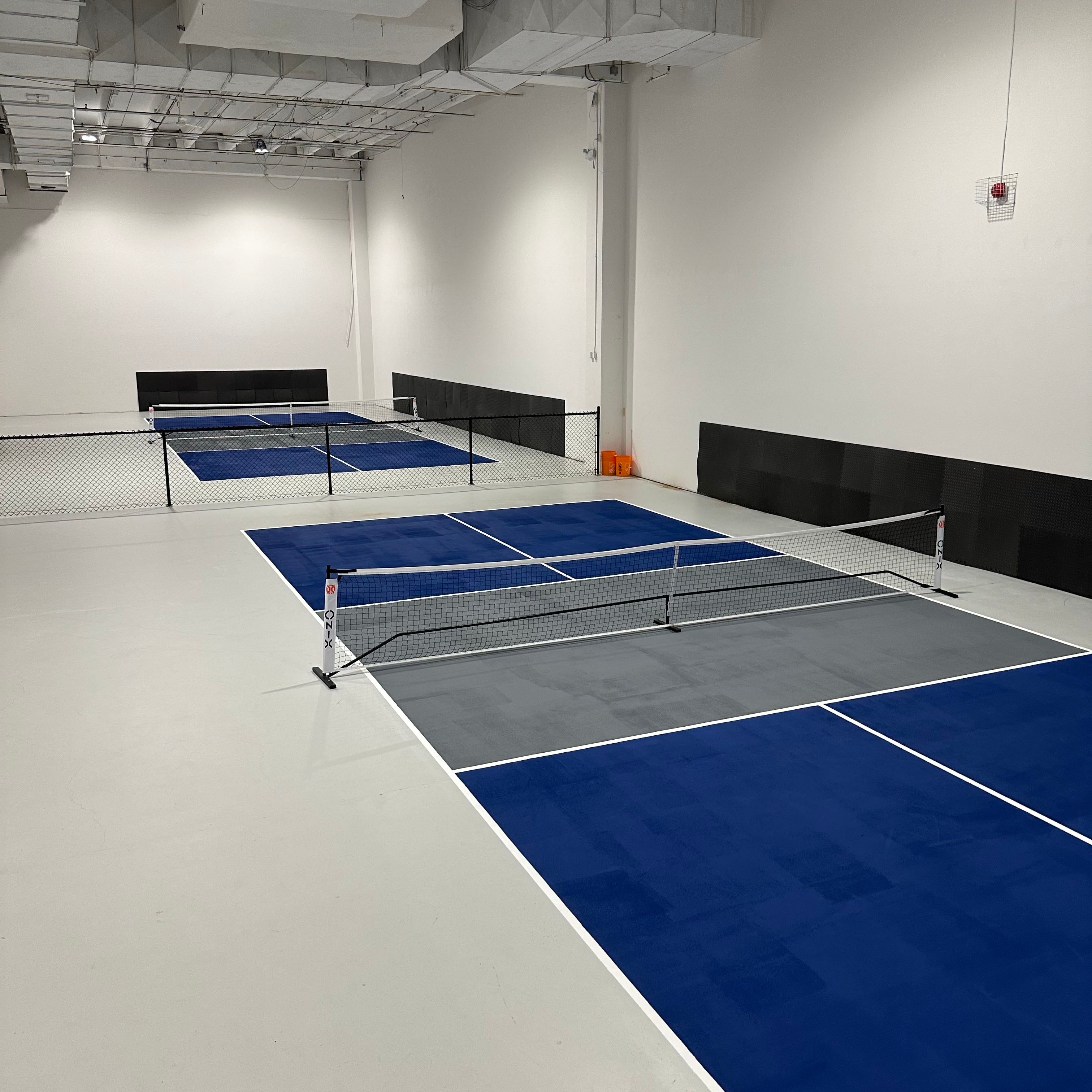
Indoor surfaces
- Wood gym floors, cushioned vinyl/PVC, or rubber sports flooring with lines.
- Pros: Reliable bounce, climate controlled, low weather wear.
- Cons: Requires proper slip resistance and ball-friendly texture.
When people ask what are pickleball courts made of at parks, the answer is usually asphalt with acrylic. For clubs, you will often see concrete with cushioned acrylic.
Indoor vs. outdoor courts: materials that fit the setting
Outdoor courts need weather resistance. Indoor courts need controlled grip and noise.
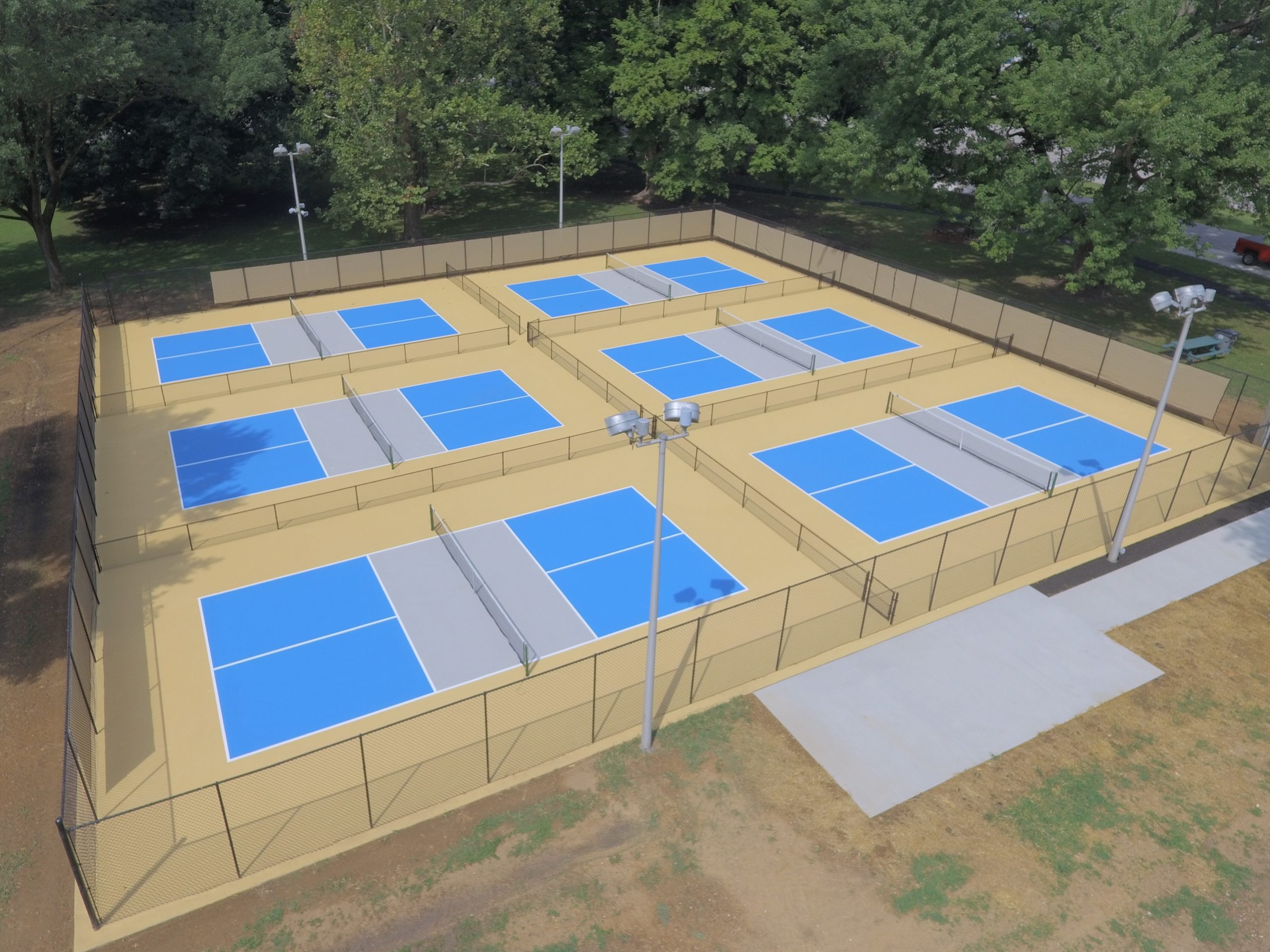
- Outdoor picks. Asphalt or concrete with acrylic is the gold standard. Use UV-stable pigments and sanded texture for wet grip. Choose edge drains and a 1 percent slope for fast runoff.
- Indoor picks. Maple wood or cushioned vinyl with a matte finish works well. Avoid super glossy floors. Lines must resist scuffing but not get slick.
If you are weighing what are pickleball courts made of for a school gym, indoor sport flooring with high-density foam backing is a safe pick. For a city park, asphalt plus acrylic is hard to beat.

Converting existing spaces: tennis, basketball, and even parking lots
Conversions save money and time. The key is a flat, stable base.
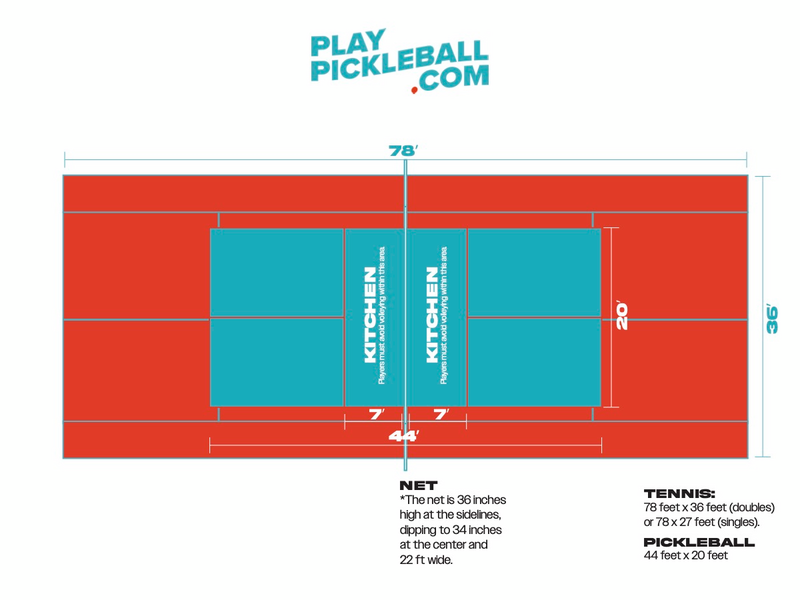
- Tennis courts. Clean, patch cracks, level low spots, and add new acrylic coats if needed. Stripe to 20 by 44 feet per court. Portable nets can protect the tennis surface.
- Basketball courts. Asphalt pads convert well. Add color coats and lines. Use anchors for removable net posts if multi-use is needed.
- Parking lots. Only if the base is sound. Fix drainage and oil stains, then apply a resurfacer before acrylic color.
In many towns, what are pickleball courts made of during conversions is the same as new builds. You still end up with acrylic sport coatings and durable lines, just over an existing pad.
Lines, colors, and texture: what goes on top
The top layers control play and visibility. Small choices here make a big difference.
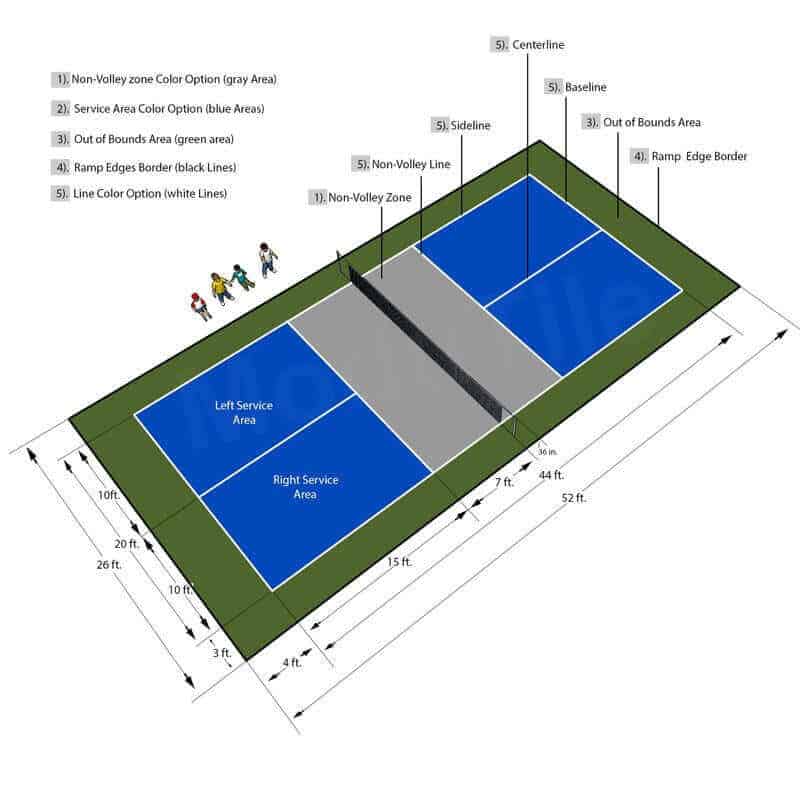
- Lines. Standard lines are 2 inches wide. Use textured acrylic line paint so lines grip like the rest of the court.
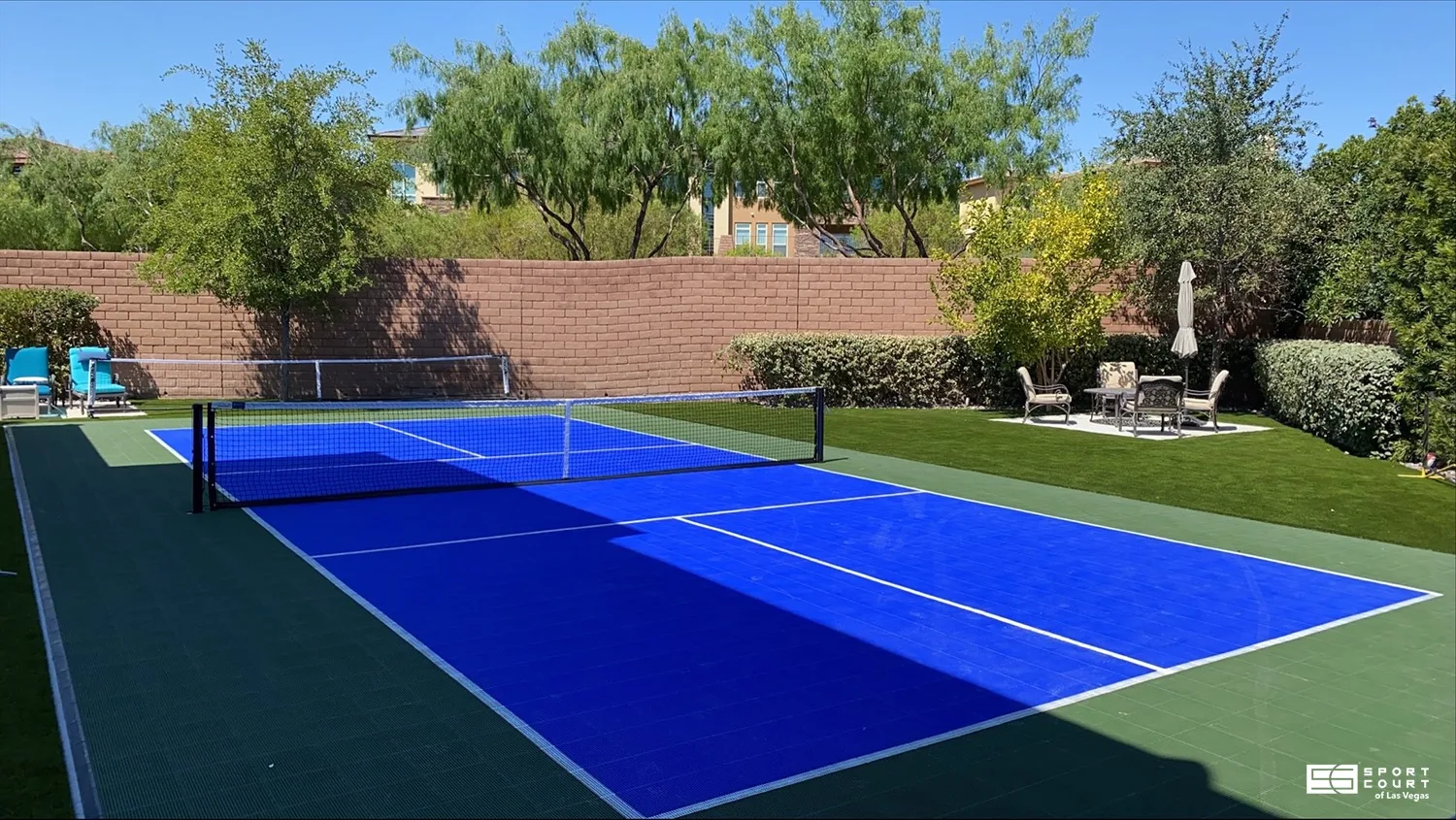
- Colors. Dark green or blue courts with light green or blue surrounds are common. Pick hues that make the yellow ball pop.
- Texture. Silica sand blended into acrylic coats sets the bite. Too smooth is slippery when wet. Too rough chews balls.
If your main question is what are pickleball courts made of on the surface, the answer is acrylic resurface, color coats, and textured line paint. Many systems use two to three color coats for depth and wear.
Construction steps and specs that matter
Good builds follow a clear process. Skipping steps costs more later.
- Survey and drainage plan. Water must leave the court fast. Aim for about 1 percent slope.
- Subbase. Compact native soil to spec. Add geotextile if the soil is weak.
- Aggregate base. Place and compact crushed stone in lifts so it is stable.
- Pavement. Install asphalt or concrete to a tight tolerance. Saw joints in concrete and plan where they fall.
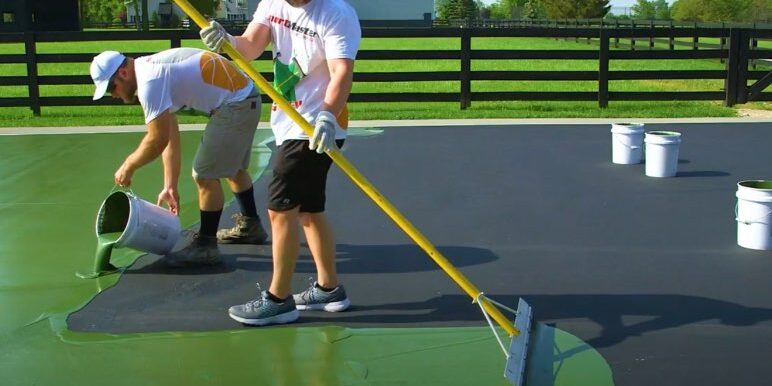
- Cure and coat. Let asphalt cure several weeks if needed. Install acrylic in the right temperature and humidity window.
When pros talk about what are pickleball courts made of, they also talk about tolerances. Flatness matters. Small highs and lows change bounce more than most people think.
Climate, drainage, and durability considerations
Weather drives many design choices. Build for your worst season, not your best day.
- Freeze-thaw zones. Use crack control products, membranes, and good drainage. Avoid water trapped under the slab.
- Hot, sunny areas. Choose UV-stable acrylic colors. Dark colors run hotter; lighter shades reduce heat.
- Rainy climates. Slope, perimeter drains, and clean edges protect the base. Keep organic debris off the surface.
If friends ask what are pickleball courts made of in coastal towns, I say concrete plus acrylic and stainless hardware. Salt air is tough on steel.

Cost, lifespan, and maintenance
Know the long-term picture before you build.
- Typical costs. New dedicated outdoor court often ranges from 20,000 to 50,000 dollars. Conversions can be far less. Modular tile kits per court can run 5,000 to 15,000 dollars plus base work.
- Lifespan. Acrylic coats last 3 to 5 years before a refresh, longer with care. Asphalt or concrete bases can last 20 years or more with routine fixes.
- Maintenance. Sweep or blow weekly. Pressure wash as needed. Recoat when color fades or texture drops. Fix cracks early.
Budget questions often include what are pickleball courts made of that keep costs low. Asphalt plus standard acrylic is the value play. Cushioned systems cost more but may save on player fatigue and injuries.
Player experience: speed, grip, noise, and injuries
Material choices shape how the game feels.
- Speed and bounce. Smooth, well-textured acrylic gives a true bounce and medium speed. Extra sand slows play and boosts grip.
- Noise. Modular tiles are louder. Extra texture and paddles also affect sound. Consider sound barriers near homes.
- Comfort and injuries. Cushioned acrylic reduces joint stress. Good shoes and regular cleaning cut slips and falls.
If you wonder what are pickleball courts made of that feel great for seniors, cushioned acrylic over concrete is my top pick. It balances comfort and consistent bounce.
Personal lessons from building and resurfacing courts
A few hard-earned tips from courts I have helped deliver:
- Do drainage first. The best acrylic in the world fails over standing water.
- Plan joints. One client skipped proper concrete joints. The slab cracked under the kitchen. We had to add a flexible crack system and repaint.
- Test texture. We now sample sand mixes on a small patch. Players hit a few balls, then we coat the rest.
- Think shade and seating. A tiny budget line for benches and a wind screen made a huge difference in court use.
People often ask me what are pickleball courts made of when they want a court that gets used every day. My answer is a smart system: stable base, quality pavement, and the right acrylic with the right texture.
Frequently Asked Questions of what are pickleball courts made of
What are pickleball courts made of in most public parks?
Most parks use asphalt with acrylic sport coatings. This setup gives good play, solid grip, and fair costs.
Are concrete courts better than asphalt for pickleball?
Concrete stays flatter and can last longer, but joints need careful planning. Asphalt is easier to repair and often cheaper.
What are pickleball courts made of indoors?
Indoors, you see wood gym floors, cushioned vinyl, or rubber sports flooring. Each offers steady bounce and controlled grip.
Can I build a court with modular tiles over compacted gravel?
Yes, if the base is very flat and stable. Tiles are forgiving, but a solid paved pad still plays better.
How thick are the acrylic coatings on top?
Most systems use a resurfacer plus two to three color coats. Total thickness is thin, but texture and evenness matter more than thickness.
What color should I choose for best ball visibility?
Blue or dark green courts with a lighter surround work well. Pick colors that contrast with yellow balls and local light.
Do cushioned acrylic courts change ball bounce?
They soften impact but still give a true bounce if installed right. Cushion layers should be even to avoid dead spots.
What are pickleball courts made of when converting a tennis court?
They are the same layers, but you reuse the asphalt or concrete base. You refresh coatings as needed and add pickleball lines and nets.
Wrap-up and next steps
Now you know what are pickleball courts made of from the ground up. The winning recipe is simple: a stable base, asphalt or concrete, and a quality acrylic system tuned for your climate and players. Pick materials that fit your goals, and you will get years of safe, fun play.
Ready to take the next step? Sketch your site, list your must-haves, and price two surface options. Subscribe for more build guides, or drop a comment with your project details and I will help you plan the best court for your space.