They cost more due to advanced materials, complex builds, strict testing, and big marketing.
If you have asked yourself why are pickleball paddles so expensive, you are not alone. I have tested budget and pro models for years, and I have seen how small design tweaks change feel, spin, and power. This guide dives deep into the real costs behind the price tag, with clear examples, honest tips, and data you can trust. Stick with me and you will know exactly what you are paying for and how to buy smart.
The real reasons prices are high
Sticker shock is common. The question why are pickleball paddles so expensive comes up at every court. There is not one cause. There are many small costs that add up fast.
Key drivers include:
- Premium materials like raw carbon fiber and high-grade polymer cores.
- Complex builds such as thermoformed frames and foam-injected edges.
- R&D, lab testing, and USA Pickleball approval.
- Small-batch production with tight quality control.
- Pro endorsements, ads, and retail markups.
- Shipping, tariffs, and warranty support.
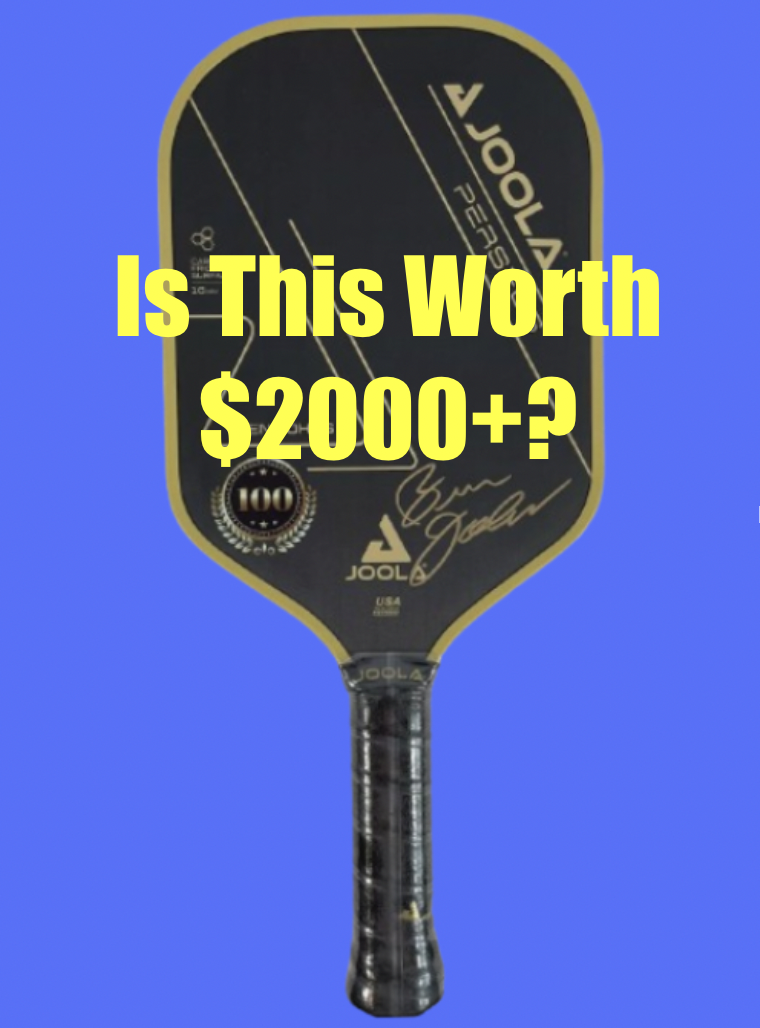
When all of these stack, you see a $180 to $260 paddle. Once you know the parts, the price makes sense. That is the core of why are pickleball paddles so expensive.
Materials and construction that raise costs
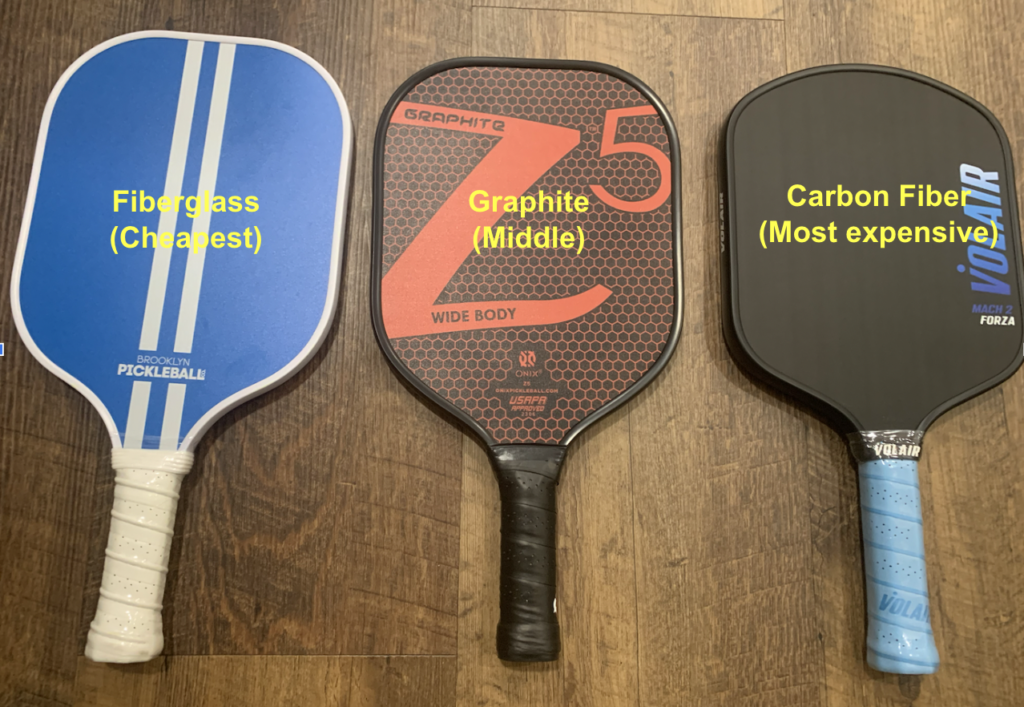
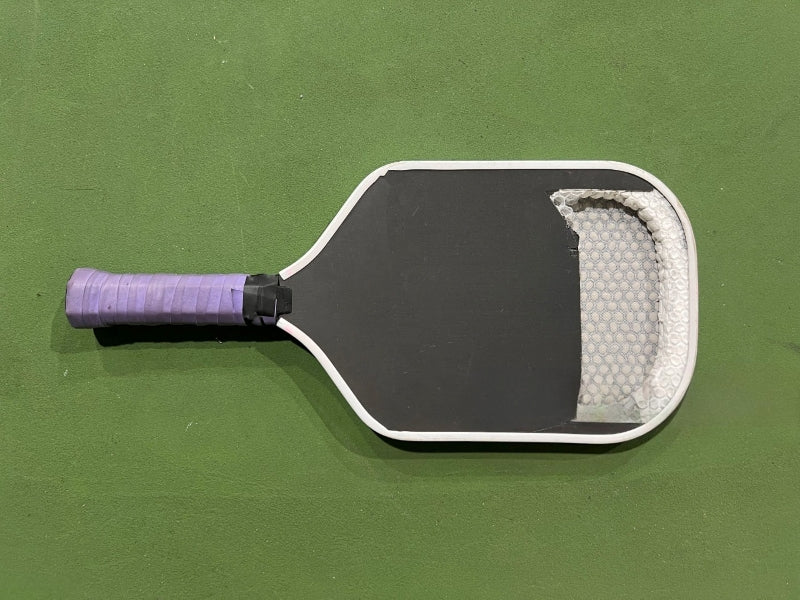
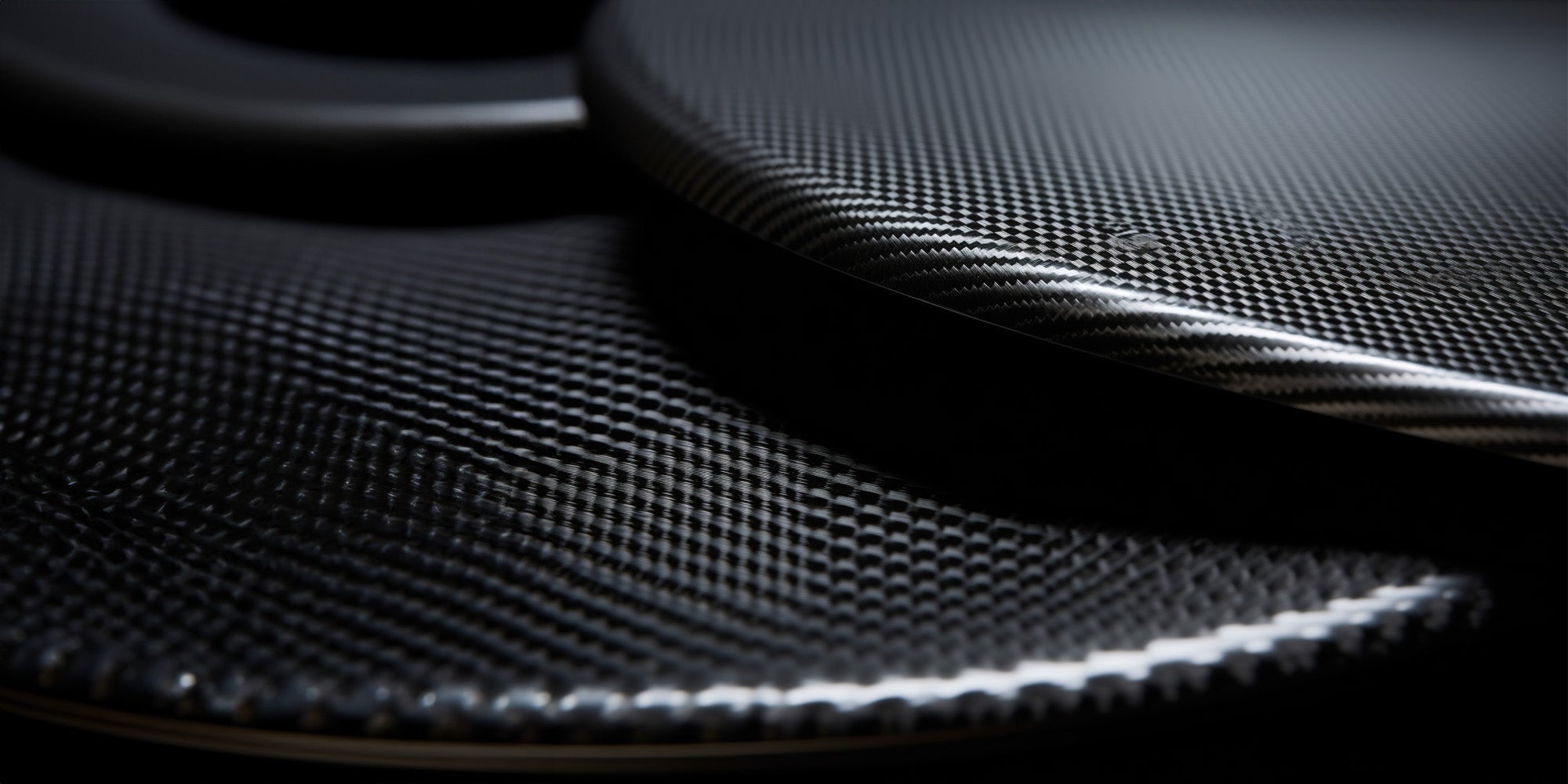
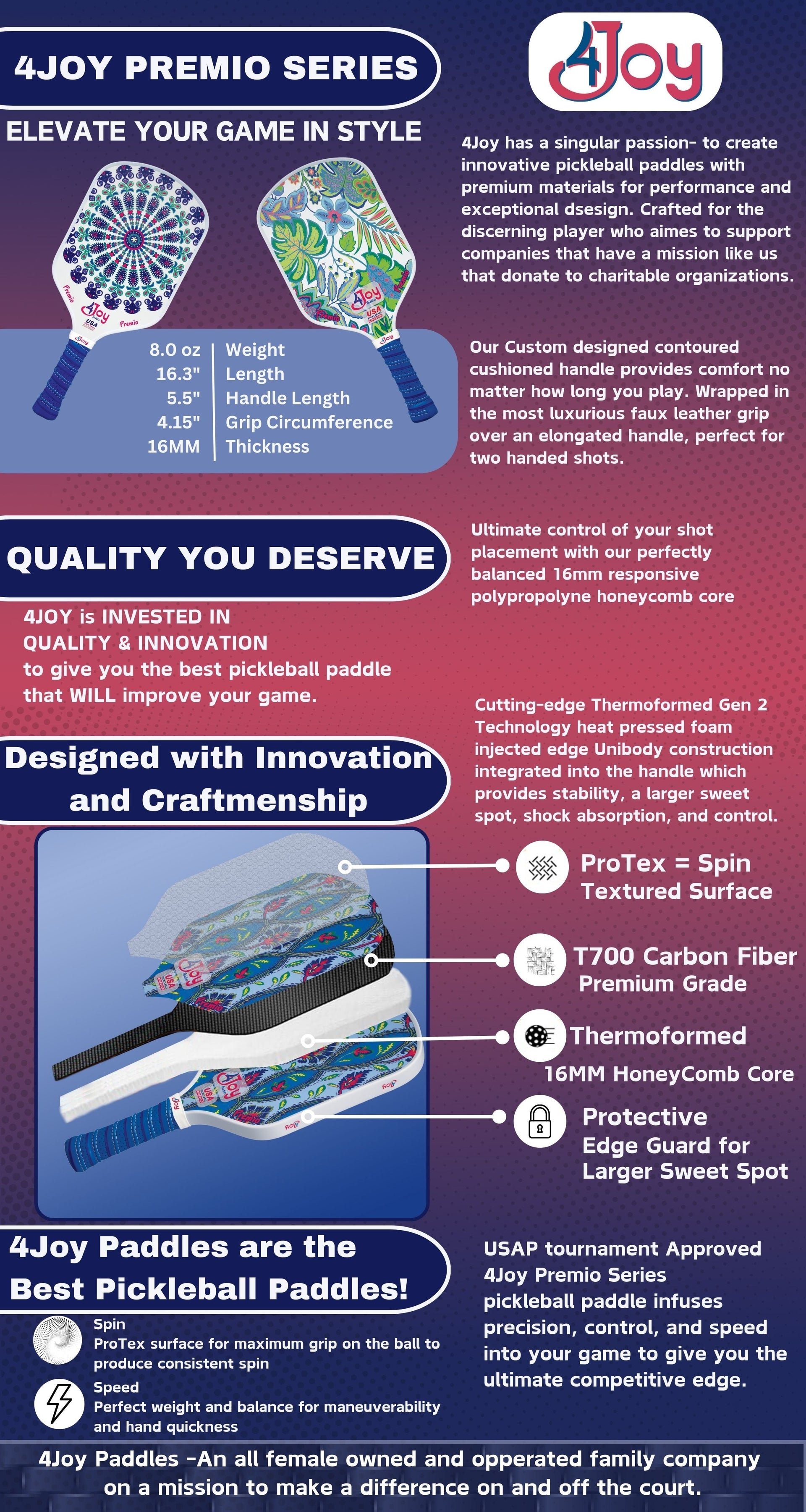
Material choice is the number one factor. Many top paddles use raw carbon fiber faces with high-tension weaves. These sheets cost more than fiberglass. They also need clean rooms, pre-preg storage, and careful layup.
Build methods also matter. Thermoformed or unibody frames press the face and core into one shell. Many add edge foam for a bigger sweet spot and less twist. The core is often a 14 mm or 16 mm polymer honeycomb. It must be flat, even, and stable in heat.
I have seen cheap paddles use thin fiberglass and soft cores. They feel fine on day one. But they deaden fast, chip early, and lose pop. With better materials, the face grips the ball longer and holds up after months of play. This is a big reason why are pickleball paddles so expensive.
R&D, testing, and patents
A good paddle is not a guess. Brands pay for design teams, lab tools, and many prototypes. They test swing weight, twist weight, and sweet spot maps. They use impact rigs to check power, spin, and shock.
There are rules to meet as well. USA Pickleball has limits on size, surface roughness, and deflection. Getting approved takes time and fees. If a model fails, it goes back for changes. Those loops cost money.
In my own tests, small tweaks made big changes. One model gained spin with a new top sheet, but failed roughness checks. It went back to the lab. That extra cycle is another reason why are pickleball paddles so expensive.

Small-batch manufacturing and quality control
Most brands are not huge. They run small batches with hand work. Workers match weights, check balance, and scan for flatness. They reject frames with voids, bubbles, or warped cores.
Yield loss is real. If 10 out of 100 frames do not pass, those costs spread across the 90 that make it. Add cure time and extra inspections, and unit cost climbs.
I have toured shops that weigh every paddle to within a tight range. They also test grip adhesion and edge durability. This is great for players. It is also why are pickleball paddles so expensive at launch.

Marketing, pros, and retail markups
Paddles do not sell themselves. Brands pay for pro deals, tournaments, video shoots, and social ads. These are not small checks. A single top pro can move thousands of units, but that fee lives in the price.
Retail math also adds up. If a brand sells to a store, the store needs margin. Wholesale discounts can be 40 to 50 percent. To make room for dealer markups, the MSRP rises. This cycle explains part of why are pickleball paddles so expensive even when materials look similar.
Import costs, tariffs, and shipping
Many paddles come from overseas. Carbon sheets, polymers, resins, and grips move across borders. Freight rates swing with fuel costs. Tariffs add extra charges on some goods. Currency moves matter too.
To hit a launch date, brands may use air freight. That is fast but pricey. When they plan poorly, rush fees pile up. These costs roll into the final price. Again, this is part of why are pickleball paddles so expensive for new drops.

Performance: can you feel the difference?
Not every player needs a premium build. Yet most can feel key gains. Spin is the first. A raw carbon face with a stable core holds the ball a hair longer. You get a cleaner roll for topspin and cuts for slices.
Power and control also improve. Higher twist weight keeps the face from turning on off-center hits. The sweet spot feels bigger. Vibration drops, which helps comfort and elbow health. In blind tests I run with club friends, many pick the higher tier paddle after 10 minutes. This is often why are pickleball paddles so expensive, and also why some players pay it.
How to pick the right paddle for your budget
Pick a paddle for your game, not the hype. Use this quick map.
- Under $60: Great for new players. Expect basic fiberglass and small sweet spots.
- $60 to $120: A solid value tier. Some carbon faces, decent cores, better balance.
- $120 to $200: Sweet spot for many. Raw carbon, stable cores, good spin, strong QC.
- $200 to $300: Top builds, thermoformed shells, edge foam, tight weight matching.
If you ask why are pickleball paddles so expensive, try two tiers back to back. Feel for dwell time, spin, and comfort. Let your hands decide.
Smart ways to save money
You can dodge the top price and still win points.
- Buy last year’s model after a new release.
- Look for open-box or demo paddles from shops.
- Join local demo days and test before you buy.
- Watch for holiday bundles that include a case and balls.
- Check warranty terms and claim support if issues pop up.
These small moves cut the cost without cutting results. They also help you avoid the trap behind why are pickleball paddles so expensive for brand-new lines.
Common myths and red flags
Hype runs wild. Here is what to watch.
- Myth: All carbon paddles are equal. Reality: Weave, resin, and layup matter a lot.
- Myth: Heavier always means more power. Reality: Swing weight and balance drive power feel.
- Myth: More grit equals more spin. Reality: Roughness has limits and grip can fade with wear.
- Red flag: No weight range or QC notes on the product page.
- Red flag: A “pro” price but no clear warranty or support.
If you see these, pause. Ask yourself again why are pickleball paddles so expensive for this model.
Total cost of ownership and durability
A cheap paddle that breaks early is not cheap. Delamination, dead spots, or loose grips can end play fast. A better build lasts longer and holds spin longer.
I track hours on my paddles. The best value I own was not the cheapest. It kept its feel for twice the time. Over months, the cost per session was lower. This long view helps answer why are pickleball paddles so expensive and when it is worth it.
Frequently Asked Questions of why are pickleball paddles so expensive
Do expensive paddles actually help beginners?
Yes, but not always enough to justify the price. A mid-tier paddle gives good spin, comfort, and control at a fair cost.
What materials make a paddle cost more?
Raw carbon fiber faces, high-grade polymer cores, and thermoformed shells cost more. Careful layup and edge foam also add to the price.
Are USA Pickleball approved paddles more expensive?
Often yes, due to testing, revisions, and compliance. Approval also lowers the risk of buying a paddle that later gets banned.
Why do two paddles with the same specs feel different?
Layup, resin, and core density vary between factories. QC and weight matching also change feel and power.
How long should a good paddle last?
For frequent players, six to twelve months of strong play is common. Casual players may get much longer, if they care for the face and edge.
Conclusion
Now you know the full story behind the price. Materials, builds, testing, small-batch runs, and marketing all add weight to the final number. The real win is picking the paddle that fits your level, goals, and budget.
Try two paddles side by side, and note spin, power, comfort, and control. Use the tips above to save money without losing performance. Ready to dial in your setup? Share your questions in the comments, and subscribe for new tests and buying guides.