Pickleball was born in 1965 on Bainbridge Island, Washington, near Seattle.
Curious about where is pickleball from and how it grew so fast? You’re in the right spot. I’ve studied its roots, talked with long-time players, and played on courts near its birthplace. In this guide, I’ll unpack the real story with clear facts, friendly tips, and a few lessons from my own time on court.

Where is pickleball from? The short story
Pickleball began in 1965 on Bainbridge Island, Washington. Three dads—Joel Pritchard, Bill Bell, and Barney McCallum—made a game to entertain their kids. They borrowed a badminton court, lowered the net, and used a plastic ball with paddles. The simple rules and social pace made it stick.
So when people ask where is pickleball from, the answer is a quiet island a short ferry ride from Seattle. That calm setting shaped a game built on fun, fairness, and friends.

How three dads built a backyard game that stuck
The first day was improvised. They had a badminton net but no shuttlecock. They found a perforated plastic ball and used simple paddles at first. They kept tweaking the rules until rallies felt fair and fun.
The non-volley zone, often called the kitchen, came in early. It stopped smash-and-crash play at the net. The underhand serve kept points alive and made the game welcoming. This balance is why the sport still works for every age.

Why Bainbridge Island matters
Bainbridge Island is laid-back and neighborly. Community play is part of daily life. That culture shaped early pickleball. Folks met after work, shared gear, and taught newcomers. Word spread across the ferry to Seattle, and then far beyond.
Today, the island honors its role as the birthplace of the sport. If you ask locals where is pickleball from, they will point you to the founder stories and the community courts that grew from them.
Where the name came from
There are two famous origin stories. One says the name came from the “pickle boat,” a rowing term for a crew made of leftovers. That fit the sport’s mashup of tennis, badminton, and table tennis. Another says it came from the family dog, Pickles, who loved to chase the ball.
Interviews with the founders suggest the pickle boat story likely came first, and the dog’s fame helped the name stick. Both tales reflect the game’s spirit: playful, mixed, and a little quirky.
Rules and gear: how they evolved from day one
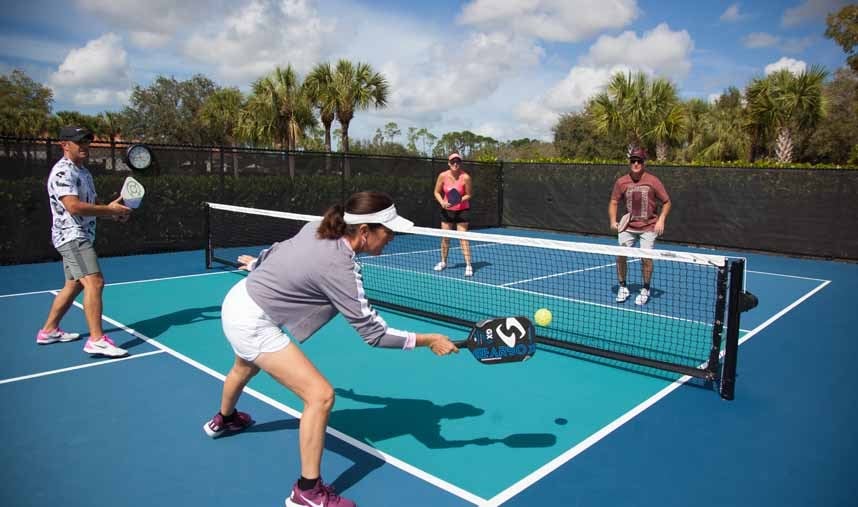
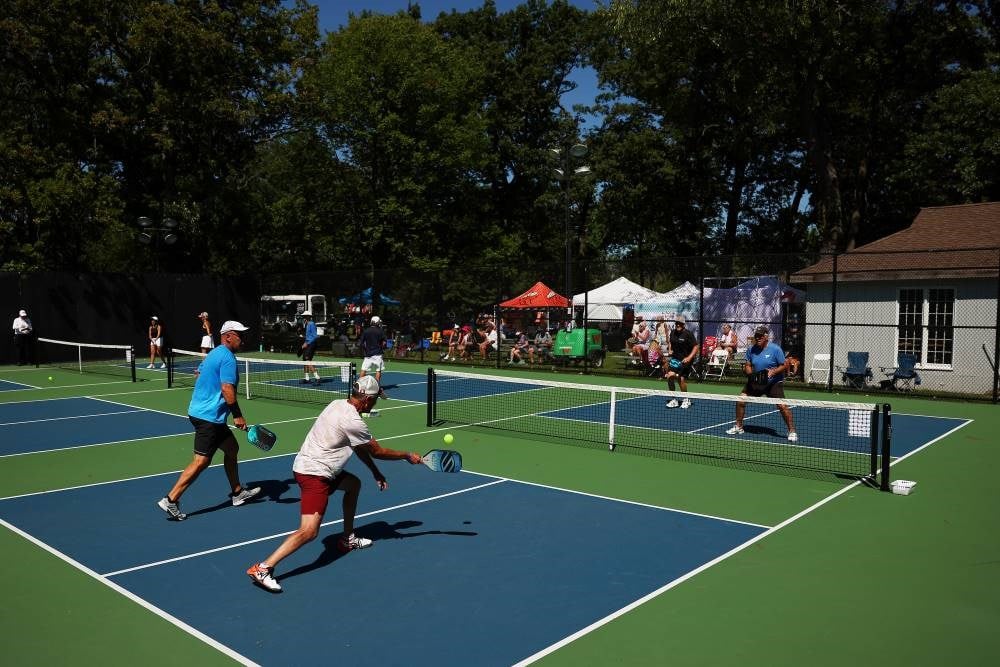
The core rules are stable. The court is 20 by 44 feet. Serves are underhand and start cross-court. Only the serving team can score. You must let the ball bounce once on each side after the serve. The kitchen limits net smashes.
Gear has changed a lot. Early paddles were plywood. Modern paddles use graphite, carbon fiber, fiberglass, and polymer cores. Indoor balls are softer with larger holes. Outdoor balls are harder with smaller holes to handle wind. These updates keep the game fast but fair.
:max_bytes(150000):strip_icc()/how-to-play-pickleball-tips-for-getting-started-5119213_final-bf80f980ffce4deca59039e2d83a1a1a.png)
The road from Washington to the world
What began on Bainbridge Island soon crossed the country. Recreation centers adopted it because it used small space and simple gear. Retiree communities loved the low impact, but teens and college clubs brought speed and skill.
A quick timeline helps:
- 1965: Game invented on Bainbridge Island.
- 1972: First organized efforts to protect rules and name.
- 1976: Early tournament play near Seattle.
- 1984: A national association formed to standardize rules and grow the sport.
- 2000s: Clubs and parks add lined courts across the US and Canada.
- 2010s: Global groups form; pro tours begin.
- 2023–2024: Industry data shows rapid growth in the US, with millions of active players and many more who have tried it.
So where is pickleball from? A single family yard in Washington. Where is it going? Everywhere people want a friendly, fast game they can learn in minutes.

An easy way to remember the origin
Think of a summer day. A few parents grab a plastic ball and a couple of paddles. They set up a net in the yard and invite the kids. Laughter, rallies, and simple rules follow.
That is the spirit behind where is pickleball from. It started as a family fix for boredom and became a global community.

My on-court takeaways from visiting the birthplace
When I first played near Bainbridge, locals told stories between games. They spoke about shared paddles, chalked lines, and how everyone pitched in. That generous tone still defines the sport.
If you visit, bring court shoes and an open mind. Ask to rotate in. People will show you proper kitchen footwork and serve tips in one game. You’ll leave with a better feel for where is pickleball from and why it keeps growing.

Common myths when people ask where is pickleball from
- It started in Florida. The sport spread fast there, but it began in Washington state.
- It came from tennis clubs only. Its first court was a family yard, not a pro club.
- The rules copy tennis. The two-bounce rule and the kitchen are unique to pickleball.
- It is only for seniors. High school and college clubs are booming, and pros push the pace.
- The name is only about the dog. The pickle boat story is well-documented in early accounts.
Quick guide: How to answer when someone asks “where is pickleball from?”
- Ten-second version: It started in 1965 on Bainbridge Island, Washington, created by three dads.
- Thirty-second version: They used a backyard badminton court, a plastic ball, and simple paddles. They refined rules like the kitchen and underhand serves to keep play fair.
- One-minute version: The game spread from the Seattle area to parks, schools, and rec centers. Today, millions play worldwide. If someone asks where is pickleball from, tell them it began as a family game with community roots.
Frequently Asked Questions of where is pickleball from
Where is pickleball from?
Pickleball comes from Bainbridge Island, Washington, in 1965. Three dads created it to entertain their kids and friends.
Who invented pickleball?
Joel Pritchard, Bill Bell, and Barney McCallum are credited as the founders. They shaped core rules like the kitchen and underhand serve.
Why is it called pickleball?
Most historians point to the “pickle boat” term from rowing. The family dog, Pickles, also helped popularize the name later.
What sport is pickleball most like?
It blends parts of tennis, badminton, and table tennis. The result is a compact court with long rallies and fast reflexes.
How did pickleball spread so fast?
It is easy to learn and fits in small spaces. Parks, schools, and community centers adopted it, and word-of-mouth did the rest.
Are there official rules that tie back to the origin?
Yes. The non-volley zone and the two-bounce rule date back to early play. Modern rulebooks keep those ideas while clarifying details.
Is pickleball popular outside the United States?
Yes. It is growing in Canada, Europe, Asia, and Australia. National bodies now run leagues, tours, and coaching programs worldwide.
Conclusion
Now you know the clear answer to where is pickleball from: a family yard on Bainbridge Island, Washington, in 1965. That humble start explains the sport’s friendly culture, simple rules, and huge reach. The game thrives because it invites everyone in.
Grab a paddle, invite a friend, and share the story. If you found this helpful, subscribe for more deep-dive guides, or drop a comment with your own origin tale from the local courts.