Pickleball started in 1965 on Bainbridge Island as a backyard family game.
If you’ve wondered how did pickleball start, you’re in the right place. I’ve studied its roots for years, spoken with early players, and dug through archives. In this friendly guide, you’ll learn how did pickleball start, why it exploded, and what the founders did that still shapes every match today. Stick around to see how a weekend fix turned into a world sport.

The backyard spark: how did pickleball start in 1965
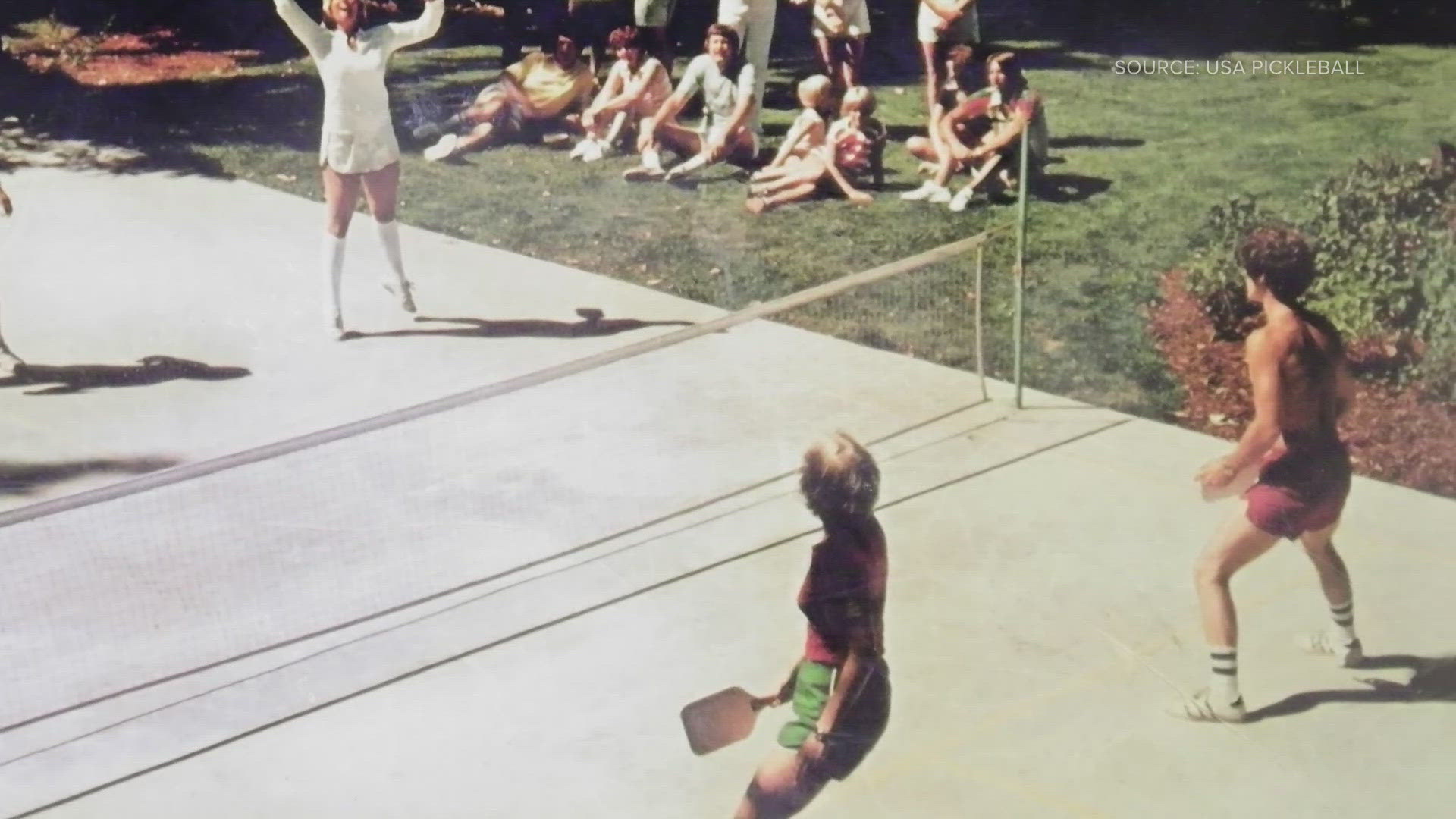
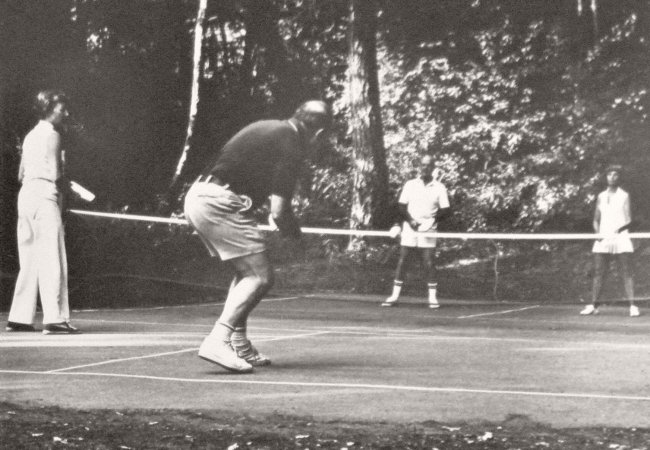
On a summer day in 1965, Congressman Joel Pritchard and his friend Bill Bell looked for a yard game for their families. They grabbed a plastic ball from a kids’ set, some wooden paddles, and used an old badminton court at Pritchard’s home on Bainbridge Island, Washington. They lowered the net, tried a few rules, and kept what felt fun.
By the next weekend, neighbor Barney McCallum joined in. The trio shaped the first real rules. They set the net near tennis height. They marked a kitchen, later called the non-volley zone. They made serving underhand to keep points long and fair.
I first heard this story from a USA Pickleball ambassador who started in the 1980s. Their account matched old interviews with the founders. When people ask how did pickleball start, I always say it began as a mix of tinkering and joy. It was family first, sport second.

Why is it called pickleball? Sorting fact from myth
You have likely heard two tales. One says the name came from the Pritchard family dog, Pickles, who chased the ball. The other says it came from the “pickle boat,” a crew term for a mixed team of leftover rowers. Which is right?
Family records suggest the pickle boat story came first. The “dog Pickles” line grew later as a fun legend. Some early players say both stories blend together in memory. If you search how did pickleball start, you will find both versions. The safest take is that the founders used a light, playful name that fit a light, playful game.
From driveway rules to a real sport: paddles, balls, and the non-volley zone
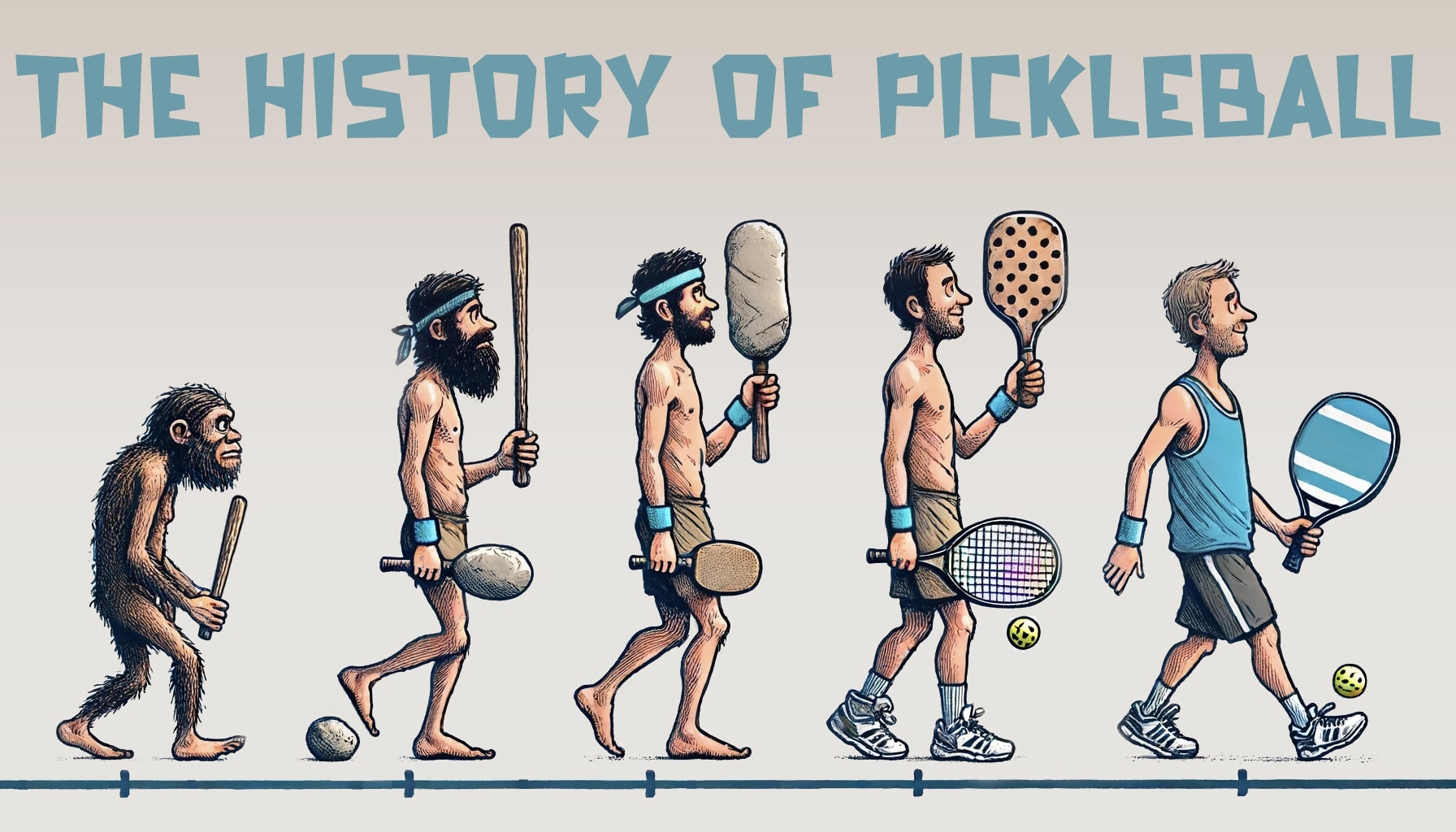
Early paddles were cut from plywood in McCallum’s shop. They were heavy but simple. Over time, players tested lighter woods, then fiberglass, then graphite and carbon faces with honeycomb cores. The ball started as a plastic whiffle-style ball with holes. It later split into indoor and outdoor versions with different hole counts and hardness.
The non-volley zone, or kitchen, is still the genius of the game. It keeps players from smashing at the net. It rewards soft hands and smart dinks. If you ask how did pickleball start as a balanced sport, the kitchen is the answer. It made rallies longer and friendly for new players while still deep for experts.
 companies, and USA Pickleball”
style=”max-width: 100%; height: auto; border: 2px solid black; border-radius: 10px; display: block; margin: 0 auto;”
loading=”lazy”
/>
Organizing the game: first courts, first companies, and USA Pickleball
As interest grew in the late 1960s and 1970s, neighbors lined courts with tape and chalk. The first permanent courts followed. Paddle makers formed small shops. One of the early companies, Pickle-Ball Inc., came from the McCallum family.
By the 1980s, parks departments started painting lines on tennis courts. In 1984, a national body began to form, later known as USA Pickleball. That group standardized rules, tracked tournaments, and shared starter kits with towns. When people ask how did pickleball start to scale, this step is key. It turned a backyard game into an organized sport.
.jpg)
The growth curve: how did pickleball start spreading across the US and world
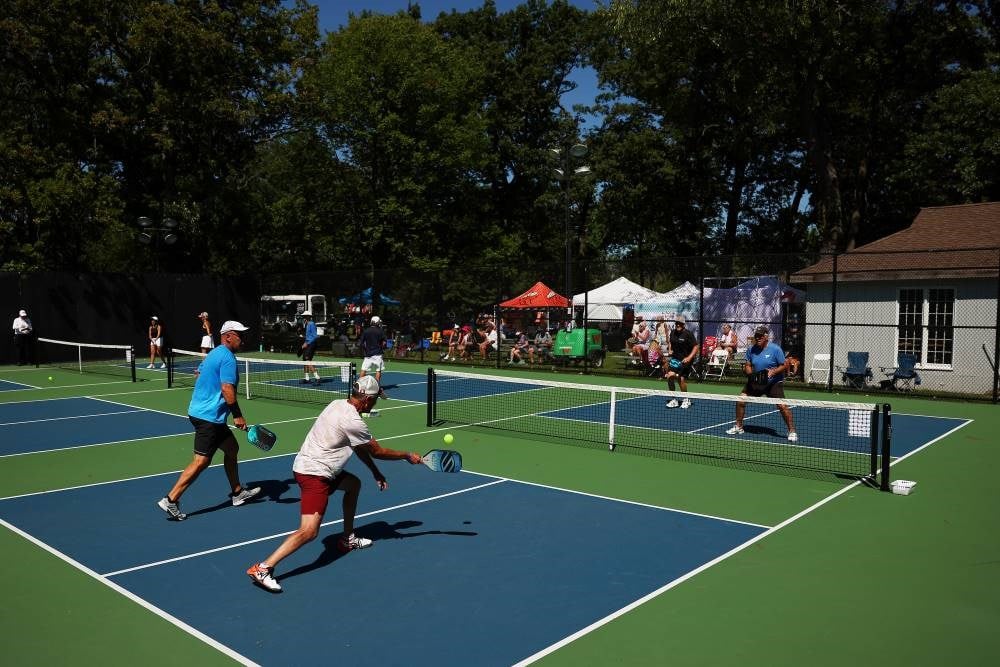
Growth came in waves. Early word of mouth in the Pacific Northwest led to pockets in Arizona and Florida. Retiree communities embraced it for social play and low impact on joints. Then local news segments and morning shows told the story. City parks saw waitlists.
The pandemic gave the sport an unexpected boost. It was outdoors, social, and easy to learn. Sales of paddles and balls surged. International groups formed in Canada, Europe, Asia, and beyond. If your search is how did pickleball start and spread so fast, the short answer is this: it met people where they were, with simple gear and instant fun.
Why did it catch on? Simple rules, social play, and smart design
Three design choices made the sport sticky.
- A low barrier to entry. One visit and you can rally.
- The kitchen. It slows the net rush and keeps points fair.
- Doubles culture. You meet people fast and feel part of a group.
From my own league work, I saw new players smile in five minutes. That is rare. When someone asks how did pickleball start to outgrow niche status, I point to those first design rules. They make a short court feel big with strategy, touch, and laughs.

A quick timeline of how pickleball started and grew
- 1965: Joel Pritchard, Bill Bell, and Barney McCallum shape the first game on Bainbridge Island.
- Late 1960s–1970s: Paddles cut from plywood, early local courts, house rules spread by friends.
- 1980s: Formal rules tighten. Parks add lines. A national body forms to guide play.
- 1990s–2000s: Tournaments grow. Composite paddles enter. Media mentions rise.
- 2010s: USA Pickleball standardizes more rules and ratings. Courts multiply in cities and suburbs.
- 2020s: Rapid surge in players worldwide. Pro tours launch. Big brands enter equipment.
If you track how did pickleball start in numbers, the slope turned steep in the last decade. Community courts and clubs lead the way.
Lessons from the early days: tips you can use today
Want to connect with the founders’ spirit? Keep it simple and fun.
- Use what you have. Tape lines. Share paddles. Invite friends.
- Favor long rallies. Aim for control over power at first.
- Learn the kitchen. Soft shots win more games than smashes.
- Build community. Rotate partners. Welcome beginners.
When people ask me, how did pickleball start and what can I learn from it, I say this: the sport grew because it was generous. Be generous with your time, your balls, and your patience.
Common myths about how pickleball started
- The founders were tennis pros. They were not. They were curious dads who loved games.
- It was named only after the dog. The dog story is fun, but records show the pickle boat link too.
- The rules were perfect on day one. They evolved for years through trial and error.
- It began as a seniors-only sport. It began as a family game for all ages.
- It copied ping-pong or tennis. It borrowed ideas, but the kitchen and ball made a new sport.
If you want a fast way to answer how did pickleball start when friends ask, share this: three neighbors, one plastic ball, and a rulebook written by play.
Frequently Asked Questions of how did pickleball start
Who invented pickleball?
Joel Pritchard, Bill Bell, and Barney McCallum are credited as the founders. They shaped the first rules on Bainbridge Island in 1965.
Where did pickleball begin?
It began at the Pritchard family home on Bainbridge Island, Washington. They used a badminton court and a plastic ball.
Why is it called pickleball?
The name likely comes from the “pickle boat” term in rowing. The family dog, Pickles, also became part of the story later.
When did official rules appear?
Rules formed in the late 1960s and settled more in the 1970s and 1980s. A national body later standardized them.
How did pickleball spread so fast?
It is easy to learn, social, and safe for many ages. Parks, media, and later the pandemic helped speed adoption.
What makes pickleball different from tennis?
The kitchen stops net smashes and promotes soft play. The paddle, plastic ball, and small court create longer rallies for beginners.
Is there proof of the founders’ story?
Yes. Family accounts, early interviews, and museum archives align on the core details. Minor points vary, as with many origin tales.
Conclusion
A simple backyard fix in 1965 became a global sport because it stayed friendly, fair, and fun. That is the true heart of how did pickleball start. The founders cut paddles in a shop, taped lines on a court, and kept the rules light so anyone could join.
Take a cue from them. Grab a paddle, invite a neighbor, and keep the rally going. If this guide helped, share it, subscribe for more deep dives, or drop your own day-one pickleball story in the comments.