Enroll in a recognized program, meet prerequisites, pass written and on-court exams, then keep learning.
If you want a friendly, proven path for how to become a certified pickleball instructor, you’re in the right place. I’ve helped new coaches go from eager players to confident teachers who run packed clinics. In this guide, I’ll map out how to become a certified pickleball instructor step by step, explain the costs and timelines, and share real-world tips that save time and stress.
What Does Certification Mean in Pickleball?
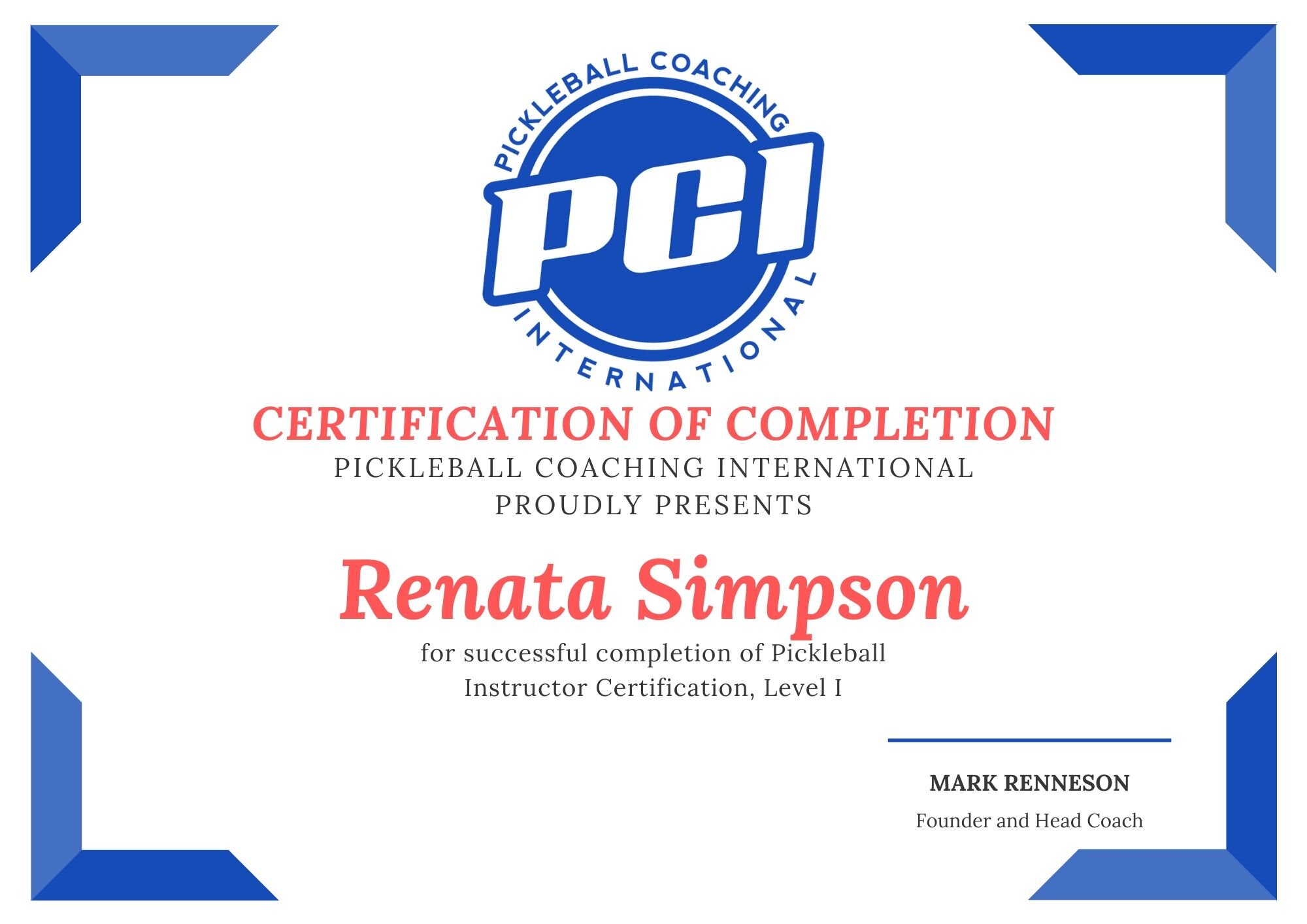
Certification shows you can teach the game in a safe, clear, and repeatable way. It says you know the rules, lesson flow, and how to coach different skill levels.
In the U.S., respected pathways include PPR, IPTPA, and other programs recognized by USA Pickleball. These groups assess your knowledge and your on-court skills. They also support you with education, insurance options, and continuing education.
Each program has levels. You can start at an entry level and move up as you coach. This is a smart route if you wonder how to become a certified pickleball instructor and grow in the sport.
Step-by-Step: How to Become a Certified Pickleball Instructor
Use this clear plan for how to become a certified pickleball instructor. I’ve used it myself and with coaches I mentor.
-
Confirm your baseline skill
- Aim for a 3.5+ playing level. You should demo basic strokes and game flow.
- Be able to feed balls with control. Smooth feeds make lessons run well.
-
Learn the rules and safety
- Study the USA Pickleball Rulebook. Know scoring, lets, and faults cold.
- Review safety, court spacing, hydration, and sun protection.
-
Choose a certification body
- Compare PPR, IPTPA, and other respected programs.
- Check age minimums, format, costs, and local workshop dates.
-
Complete prerequisites
- Background check and SafeSport if you teach youth.
- First Aid and CPR are often required or strongly advised.
- Join the organization as a member if needed.
-
Take the course or workshop
- Expect one or two days in person or blended online.
- You will learn progressions, cue words, and group control.
-
Pass the written exam
- Exams cover rules, safety, and teaching methods.
- Take practice quizzes and review missed items right away.
-
Pass the on-court assessment
- You will demo feeds, progressions, and error fixes.
- Keep it simple. Clear cues and safety first.
-
Get insured and set up your business
- Liability insurance protects you and your clients.
- Set rates, policies, and a booking system.
-
Start coaching and log hours
- Run beginner clinics and private lessons.
- Keep notes on drills, drills that worked, and what to fix.
-
Maintain and upgrade your credential
- Renew on time. Take continuing ed.
- Advance to higher levels as your skills grow.
Follow these steps if you want a repeatable plan for how to become a certified pickleball instructor. It is simple, clear, and works in real life.

Skills You Need to Teach Well
Being a great player is not the same as being a great coach. Here are core skills that matter for how to become a certified pickleball instructor.
Teaching and communication
- Use short, clear cue words. One idea at a time.
- Show, then do. Demo the skill, then let them try.
Progressions and drills
- Start with static drills. Move to live play.
- Add pressure in small steps. Keep reps high.
Error detection and fixes
- Spot the main error fast. Address one fix at a time.
- Give simple feedback. Reinforce wins.
Group management
- Set cones and targets to guide space.
- Rotate players often. Keep lines short.
Safety and inclusivity
- Warm up smart. Manage sun and heat.
- Make drills fair for mixed skill groups.
These skills help you pass exams and keep clients happy. They also shape how to become a certified pickleball instructor who gets referrals.
Costs, Timeline, and Requirements
Costs vary by provider and city. Here is a realistic range I see most often.
Typical costs
- Course or workshop: 200 to 450 USD
- Membership and exam fees: 75 to 200 USD
- Background check and SafeSport: 0 to 40 USD
- First Aid and CPR: 50 to 100 USD
- Annual insurance: 150 to 400 USD
Timeline
- Prep and study: 1 to 4 weeks
- Course and assessment: 1 to 2 days
- Total path to teach paid lessons: 2 to 8 weeks
Common requirements
- Age 16 to 18+ depending on body
- Playing level around 3.5+
- Rules knowledge and safe lesson plans
Plan this budget and schedule early. It makes how to become a certified pickleball instructor feel smooth and stress-free.

How to Pass the Written and On-Court Exams
Here is the study plan I give new coaches. It works.
Written exam tips
- Read the rulebook in short daily chunks.
- Quiz yourself on scoring, non-volley zone, and line calls.
- Learn heat safety and emergency steps.
On-court exam tips
- Prepare a 10-minute lesson for a basic skill, like dinks.
- Use a clean demo, three cue words, and a simple progression.
- Keep players safe and engaged. Praise effort fast.
Common mistakes
- Teaching five ideas at once. Keep it to one.
- Rushing feeds. A calm feed is a coach’s superpower.
- Skipping safety. Always brief rules and space.
This is the exact process I used and now teach. It is a proven plan for how to become a certified pickleball instructor and nail the assessment.
Build Experience and Credibility Fast
You learn to coach by coaching. Start now, even before your exam.
Easy ways to gain hours
- Volunteer at a community center.
- Shadow a certified coach for two clinics.
- Run a “friends and family” intro session.
Track your growth
- Keep a lesson log with drills, notes, and ideas.
- Save sample plans that worked well for you.
Show your credibility
- Create a short bio with your training and focus.
- Ask happy clients for a one-line review.
This hands-on path makes how to become a certified pickleball instructor much faster. It also helps you find your voice as a coach.
The Business Side: Rates, Insurance, and Marketing
Treat coaching like a small business. That is how to become a certified pickleball instructor who thrives.
Set your rates
- Private lessons: 50 to 120 USD per hour, based on market.
- Semi-private: 30 to 60 USD per person.
- Group clinics: 15 to 40 USD per person.
Protect your work
- Get liability insurance before paid lessons.
- Use a simple waiver and clear refund policy.
Make booking easy
- Use an online scheduler with payment.
- Confirm sessions and send weather plans.
Grow your brand
- Share weekly tips on social media.
- Post wins and client stories with permission.
- Partner with clubs, HOAs, and parks.
When your business is simple and clear, clients stick. That is key for how to become a certified pickleball instructor with steady income.

Career Paths and Growth Opportunities
Coaching can fit many goals. You can go part-time or full-time.
Where to coach
- Parks and rec programs
- Private clubs and gyms
- Schools, colleges, and camps
- Resorts and travel clinics
Ways to scale
- Specialty clinics for dinks, serves, or doubles IQ
- Juniors, seniors, and adaptive pickleball
- Online video reviews and remote plans
Long-term growth
- Add higher certification levels.
- Mentor new coaches and lead camps.
These paths make how to become a certified pickleball instructor a lasting career, not just a side gig.
Tools, Drills, and Resources I Recommend
Simple tools make lessons clean and fun.
Go-to tools
- Cones, targets, and a whiteboard
- Extra balls and a ball hopper
- Shade tent, water cooler, and first aid kit
High-value drills
- Dink ladder: target zones, then add live points
- Third-shot build: drop, move in, and hold the line
- Serve and return plus: place targets, track wins
Trusted study resources
- Current rulebook and case plays
- Continuing education from major bodies
- Webinars on coaching cues and group control
These tools support how to become a certified pickleball instructor who delivers clear, pro-level sessions.
Common Mistakes to Avoid as a New Coach
I made some of these early. You can skip them.
Trying to fix everything at once
- Pick one key change. Repeat it with reps.
Skipping safety and spacing
- Set boundaries, call balls early, and manage nets and paddles.
Forgetting the fun
- Use mini-goals and games. Keep smiles high.
Not tracking progress
- Record a short before-and-after video. Show wins.
These small habits make how to become a certified pickleball instructor feel easier and more rewarding.
Frequently Asked Questions of how to become a certified pickleball instructor
What playing level do I need to start certification?
Most programs expect a 3.5 or better level. You should demo core shots, feed balls well, and run basic drills.
How long does certification take from start to finish?
Plan for two to eight weeks. The workshop is often one or two days, with study time before and after.
Do I need insurance to teach?
Yes, if you coach paid sessions, get liability insurance. Many facilities require proof before you step on court.
Which certification is best?
PPR and IPTPA are well known and respected. Pick the one with a format, costs, and dates that fit your needs.
Can teenagers get certified?
Some programs allow teens with limits. Check age minimums and local rules, especially for youth coaching.
Conclusion
You now have a clear plan for how to become a certified pickleball instructor. Pick a pathway, prepare for the exams, and start coaching real players as soon as you can. Keep it safe, simple, and fun.
Take the first step this week. Choose a program, set a date, and build your lesson plan. If you found this helpful, share it with a friend, subscribe for more guides, or leave a question so I can help you get started.