A lob in pickleball is a high, arcing shot that clears opponents.
If you’ve wondered what is a lob in pickleball and when to use it, you’re in the right place. I coach and play league pickleball, and I’ve won many points with smart lobs. In this guide, I’ll break down the shot, the timing, the mechanics, and the mindset. You’ll learn how to add a safe, strategic lob to your toolbox and how to defend it like a pro.
What is a lob in pickleball?
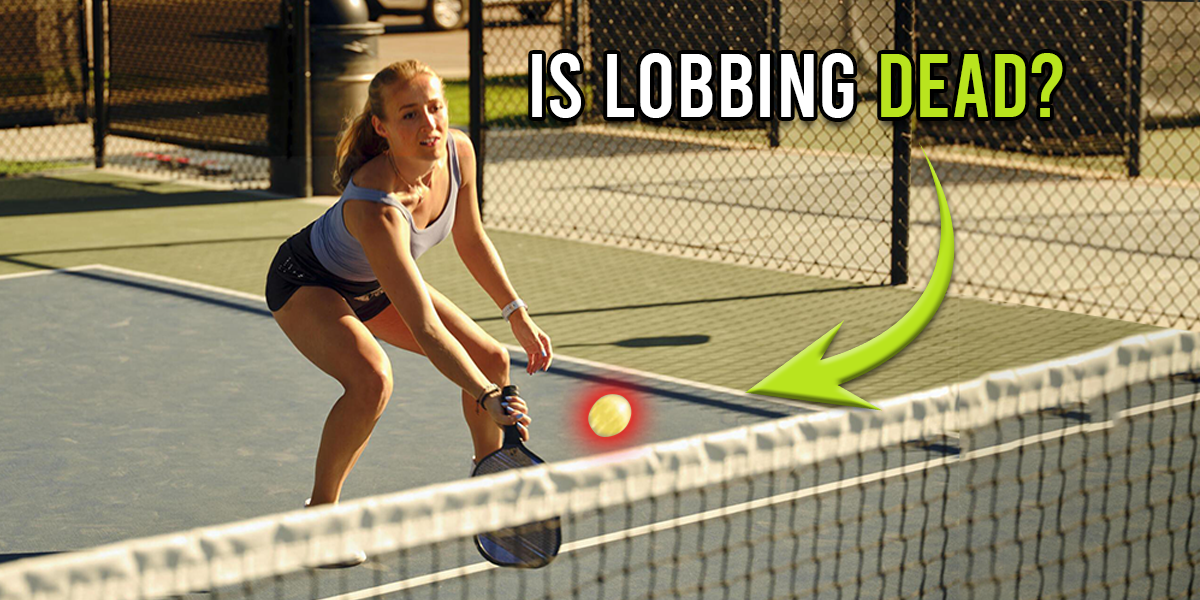
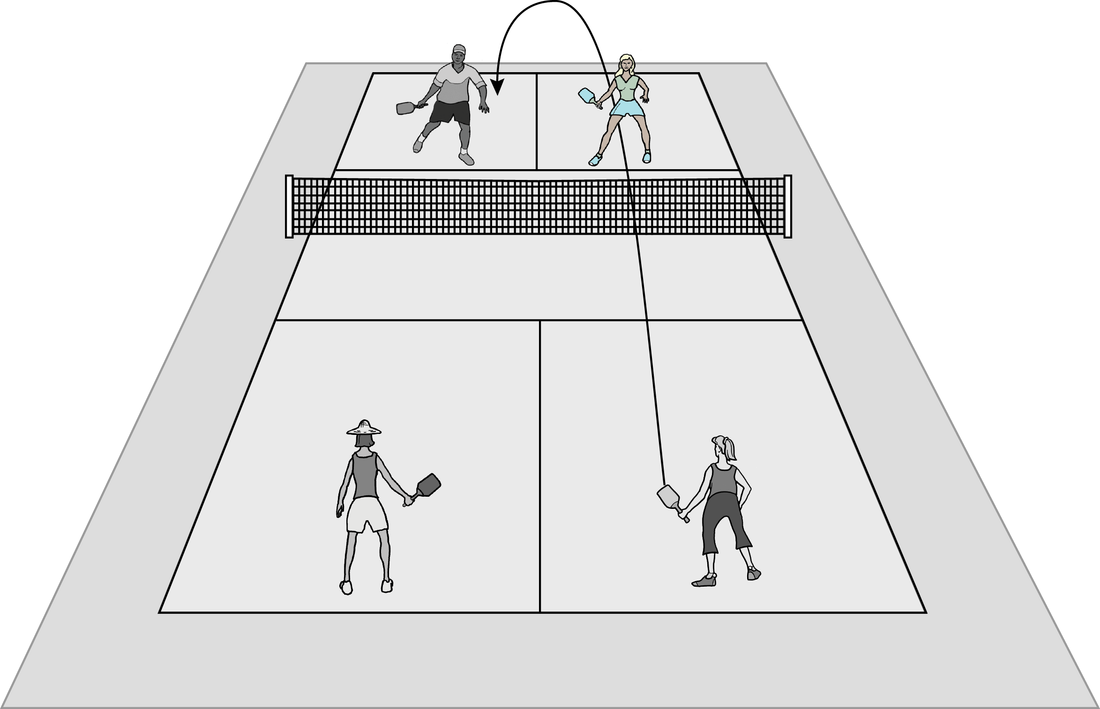
A lob is a shot that travels high over your opponents, lands deep, and pushes them back. Think of it as a reset, a surprise, or a setup for your next attack. It can be hit with topspin to drop fast, or with a smooth lift for a softer arc.
When people ask what is a lob in pickleball, I explain it in two parts. First, purpose: move rivals off the kitchen line to take back space. Second, safety: get the ball over their reach and into the last third of the court. At its best, a lob changes court position and pace in your favor.
The shot is legal from anywhere on the court. If you are in the non-volley zone, the ball must bounce before you hit it. If you are outside the non-volley zone, you can lob as a groundstroke or a volley.

When and why to use a lob
Use a lob when your rivals crowd the kitchen and lean forward. Their weight is on their toes, which makes moving back hard. This is the perfect time to send the ball over their head.
Smart use cases:
- Opponents poach or overcommit at the net. Lift a lob into the open back court.
- You need a reset during a fast hands exchange. A high lob buys time to recover.
- You face tall players who love to smash. Toss a deep topspin lob when they lean in.
- Wind at your back helps carry the ball deep. Use it. Into the wind, add more lift.
If someone asks what is a lob in pickleball good for, the simple answer is space and time. It gives you both.
Types of lobs
Not all lobs are the same. Choose the right one for the moment.
- Defensive lob: A high, safe arc when you are in trouble. Aim deep and central.
- Offensive topspin lob: A quicker arc that dips fast. Great over a poaching player.
- Slice lob: Floats and skids. Handy in wind or when you need control.
- Neutral reset lob: Medium height, deep middle. Used to move play back and reset.
If you are still learning what is a lob in pickleball, start with a defensive lob. Then add topspin as your feel improves.

Technique: how to hit a reliable lob
You do not need a big swing. You need a smooth lift, clean contact, and a clear target.
Key steps:
- Grip and stance: Use a relaxed continental or slight eastern grip. Set a stable base, knees soft, chest up.
- Contact point: Strike in front of your body. Keep your head still.
- Swing path: Brush low to high. For topspin, finish high with a relaxed wrist.
- Height and depth: Apex 10 to 20 feet above the net, depending on wind. Bounce 2 to 5 feet from the baseline.
- Aim: Deep middle is safest. Over a backhand side is often best.
- Disguise: Keep your prep the same as a dink or drive. Show late.
Pro tip from my sessions: say “lift and land” in your head. Lift the ball with your legs and arm. Land it deep with a soft, long finish. If someone asks what is a lob in pickleball form, that cue keeps it simple.

Defending and returning lobs
Great footwork beats a great lob. Read early. Move fast. Then smash or reset with control.
What to do:
- Read cues: Watch for open paddle face, open shoulder, and a soft, rising swing.
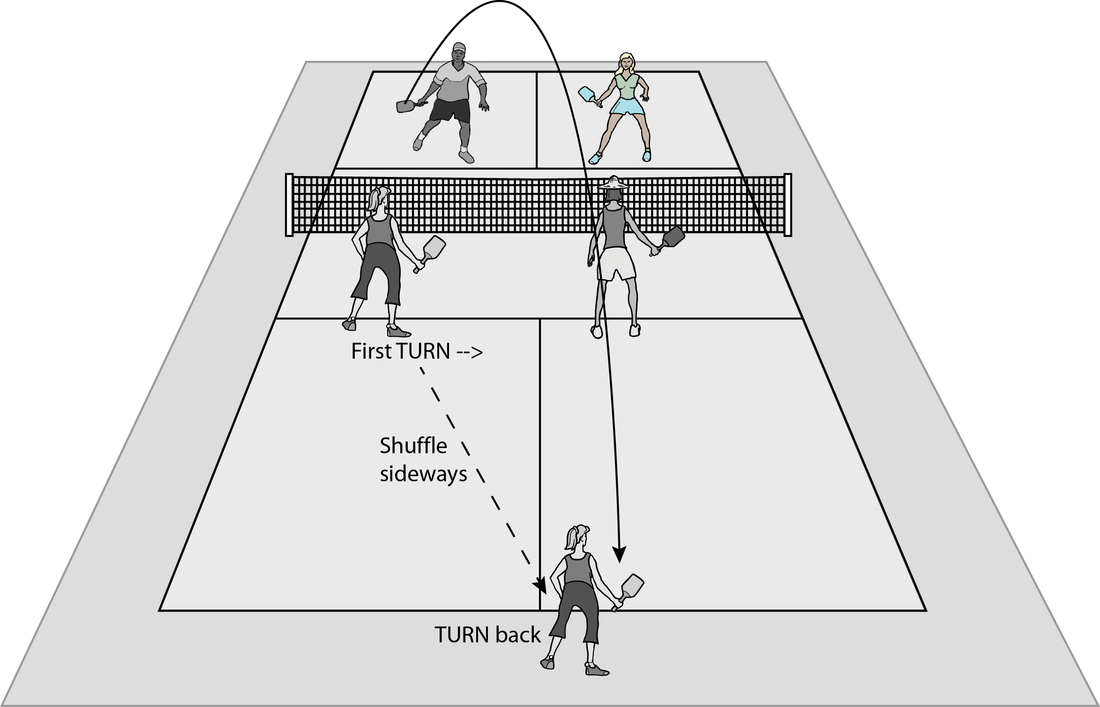
- First step: Drop step with your back foot. Do not run backward square to the net.
- Track and point: Point your non-dominant hand at the ball. Turn your shoulders.
- Decide: If it is short, take it out of the air with an overhead. If it is deep, let it bounce and hit a controlled drive or lob back.
- Overhead basics: Contact high and in front. Use a smooth swing, not full power. Aim deep middle to avoid errors.
- Doubles talk: Call “mine” or “yours” early. The player with the better smash should take it.
When players learn what is a lob in pickleball on defense, they stop panicking. It becomes another ball, not a free point.
Common mistakes and how to fix them
I have made them all. Here are the big ones and how to fix them fast.
- Too low, too short: Your elbow dropped or you rushed. Fix it by setting your legs first and finishing high.
- Telegraphing the shot: Big backswing gives it away. Use the same setup as your dink.
- Lobbing into the sun: You help the defender. Aim away from glare when possible.
- No target: You “hope” it lands in. Pick a clear landing zone before you swing.
- Balance issues: Falling back kills control. Keep your nose over your toes as you lift.
If you still wonder what is a lob in pickleball that works under pressure, the answer is a simple, balanced lift with a clear target.

Drills to master the lob
Reps build touch. A few minutes each practice goes a long way.
- Wall lift drill: Stand 10 feet from a wall. Brush the ball up to a chalk square high on the wall. Aim for 30 smooth reps.
- Target buckets: Place cones 3 feet from the baseline. Land 10 in a row before you move on.
- Partner feed: Partner dinks crosscourt. You disguise and lob every fifth ball. Switch roles.
- Topspin ladder: Start with safe lifts. Add more brush each set. Track how many land past the cones.
- Game to 7 with rules: A lob winner earns 2 points. A short lob gives the other team 1 point. It builds smart risk.
If your question is what is a lob in pickleball training I can do alone, the wall drill is the best start.

Strategy, shot selection, and etiquette
Strategy first. A lob is a tool, not a plan. Use it to punish overreach, to reset, or to set up the next ball.
Smart patterns:
- Dink, dink, then surprise topspin lob over the leaning player.
- Crosscourt dink wide, then lob down the line into open space.
- Drive to body, then lob on the next soft reply.
Etiquette:
- Do not scream “Smasher!” after a short lob. Own the mistake and play on.
- Avoid aiming at a player’s face on overheads. Deep middle is safer.
- Call balls clearly and be fair on close baseline bounces.
Rules notes:
- A lob is legal from any spot. In the non-volley zone, hit it only after a bounce.
- Net height is 34 inches at the center, 36 at posts. Plan your apex with that in mind.
- According to standard rules, double bounces are faults. Move your feet to avoid late contact.
This is where what is a lob in pickleball shifts from a shot to a tactic. Mix it with drops, drives, and dinks to stay unreadable.

Gear, court, and environmental factors
Your setup changes how the lob feels and flies.
- Paddle: A textured face adds spin for topspin lobs. A softer core gives you touch on defensive lobs.
- Ball: Outdoor balls fly lower and faster. Indoor balls float more. Adjust height and depth.
- Shoes: Good grip helps you load and lift. It also helps you retreat on defense.
- Weather: Wind at your back carries lobs deep. Into the wind, swing longer. Sun angles change during the day. Use them to your advantage.
- Court speeds: Fresh surfaces play faster. Older courts can slow the bounce. Aim deeper there.
If you are testing what is a lob in pickleball on a windy day, overdo the height and trust your spin.
Frequently Asked Questions of what is a lob in pickleball
Is a lob legal from the kitchen?
Yes, if the ball bounces first. You cannot volley from the non-volley zone, but a groundstroke lob is fine.
How high should a good lob go?
High enough to clear reach and still land deep. Aim for an apex 10 to 20 feet above the net, then adjust for wind and sun.
When is a lob the wrong choice?
When rivals sit back near the baseline or wait on their heels. Also avoid it if you are off balance or late.
How do I return a great lob?
Drop step, turn, and decide early. If it is deep, let it bounce and send a deep drive or a counter-lob to reset.
What is the best target for beginners?
Deep middle is safe and smart. It forces both players to decide and reduces your angle risk.
Does topspin matter on lobs?
Yes. Topspin helps the ball dip faster and land shorter after clearing the player. It also gives you more margin above the net.
How does what is a lob in pickleball differ from tennis?
The idea is similar, but the court is shorter and the ball is lighter. You need more height control and better disguise in pickleball.
Conclusion
A lob is simple in idea and rich in detail. It buys time, wins space, and flips the rally when used well. Now that you know what is a lob in pickleball, practice a safe lift, a dipping topspin, and a calm defense.
Pick one drill today, set a small goal, and track your makes. Add the lob to your next game and watch your court open up. If this helped, subscribe for more pickleball tips, share it with a partner, or drop your questions in the comments.