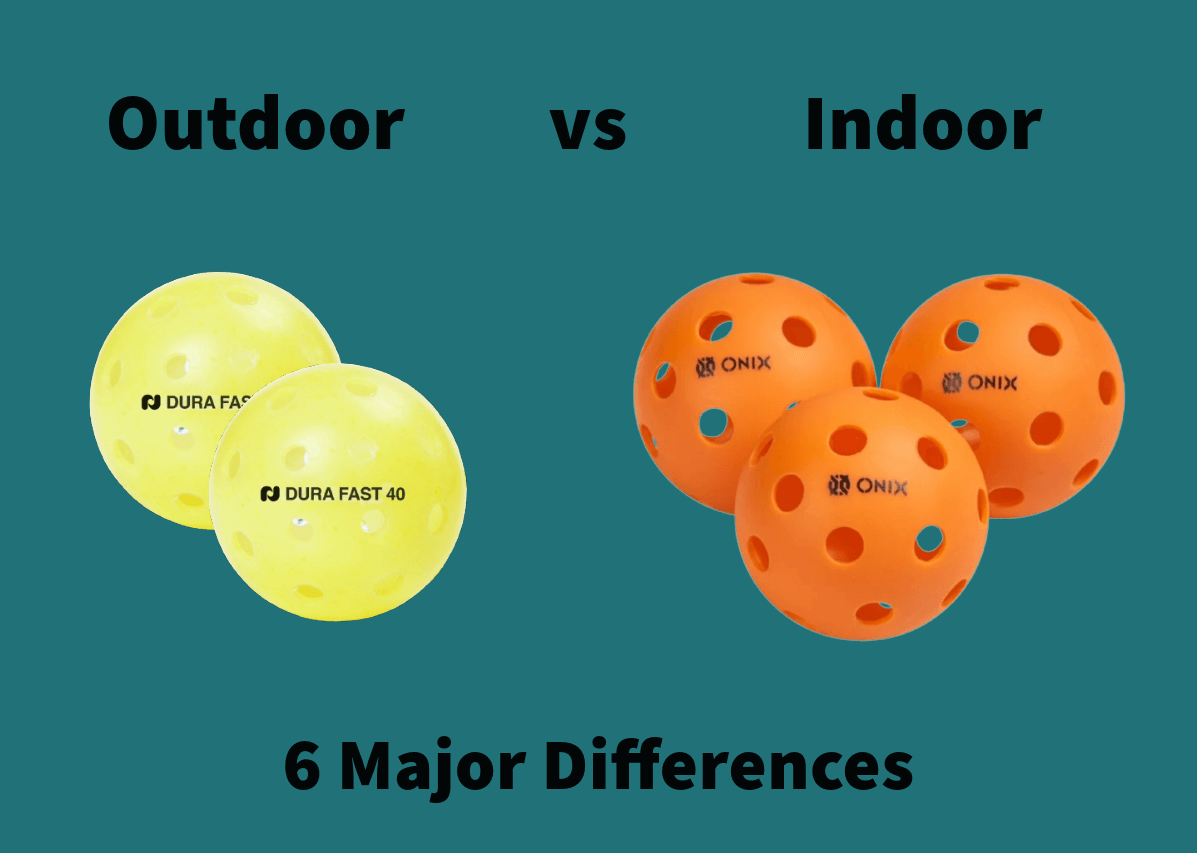
A hard, smooth, perforated plastic ball; indoor has 26 big holes, outdoor 40 small.
If you wonder what ball is used for pickleball, here’s the full guide you need. I coach new and mid-level players, and I test balls each season. I will show you how the ball type changes flight, feel, spin, and sound. By the end, you will know exactly what ball to buy, why it matters, and how to pick the right one for your court and climate.

What is a pickleball?
A pickleball is a light, hollow, molded plastic ball with round holes. It is not a wiffle ball, though it looks close at a glance. It is stiffer, smoother, and built to bounce on a hard court. If you ask what ball is used for pickleball, the short answer is a USAP-approved plastic ball with holes.
The ball does two key jobs. It must fly true in wind and bounce in a narrow range. That is why the hole count and plastic hardness matter so much.

Indoor vs outdoor balls
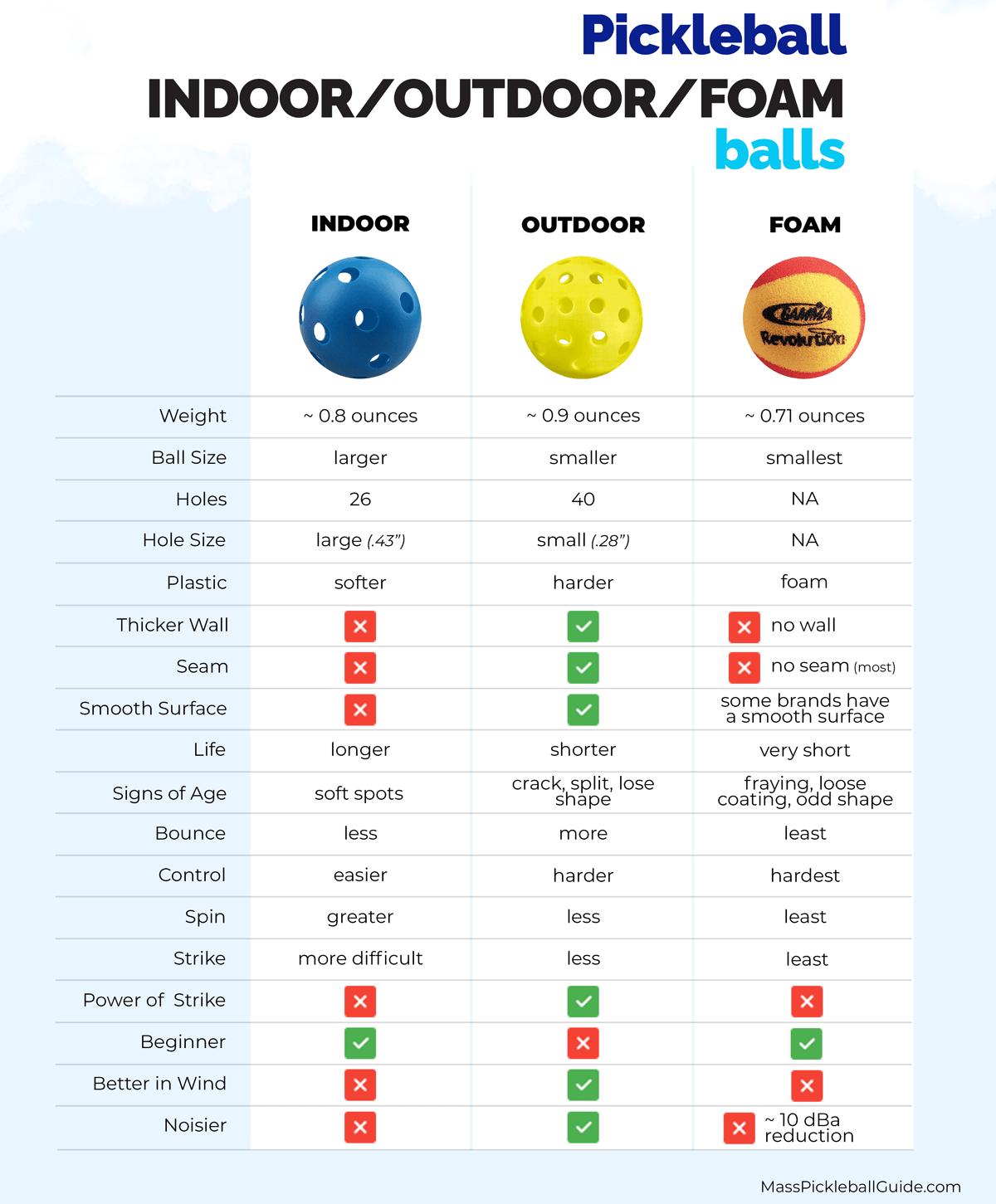
Indoor balls have 26 larger holes. They are a bit softer and slower. They sit on the paddle longer and feel easier to control. Noise is lower, and cracks are rare.
Outdoor balls have 40 smaller holes. They are harder and faster. They handle wind better and skid more on hot days. If you ask what ball is used for pickleball outside, it is almost always a 40-hole outdoor model.
Tips I use with students:
- Choose indoor balls for gym floors and wood courts.
- Choose outdoor balls for asphalt or concrete courts.
- In strong wind, pick a stiffer outdoor ball for a truer line.
- For new players, start with a softer ball to build touch.

Official specs and rules for balls
The governing body tests balls for size, weight, bounce, and hardness. These limits make play fair across brands and events. Here are the core specs used in the approval process.
- Diameter is 2.87 to 2.97 inches.
- Weight is 0.78 to 0.935 ounces.
- Bounce is 30 to 34 inches when dropped from 78 inches on a flat stone surface at room temp.
- Holes range from 26 to 40, round and clean.
- Color must be one solid shade that is easy to see.
- Surface is smooth, with no raised texture other than a seam.
So, what ball is used for pickleball in events? Only models that meet these specs and pass lab tests make the approved list.
How to choose the right ball for you
Pick the ball that matches your court, climate, and skill. It can change your game more than you think. Here is a simple way to decide fast.
- If you play in a hot area, use a stiffer outdoor ball. Soft balls get mushy in heat.
- If you play in the cold, expect cracks. Pick a ball known to last in low temps.
- If you are new, start with a ball that feels a bit soft. It will slow the game and help control.
- If you play leagues, check the brand they use. Train with that same ball.
When friends ask me what ball is used for pickleball at parks, I tell them to mirror their league ball. It builds the right touch and timing.
Popular pickleball balls compared
I have tested most major balls in drills and match play. Each one has a feel and a sweet spot for use.
- Franklin X-40: Stable in wind, common in parks and leagues. Good all-around choice.
- Dura Fast 40: Fast and lively. Great for advanced play. Can crack in cold.
- JOOLA Primo: Durable and firm. Steady flight in heat.
- Penn 40: Solid balance of speed and touch. Good for rec play.
- Selkirk Pro S1: Round flight and loud pop. Holds shape well.
Ask your group what ball is used for pickleball at your venue. Then bring a few of that same model so you all match.
Care, storage, and lifespan
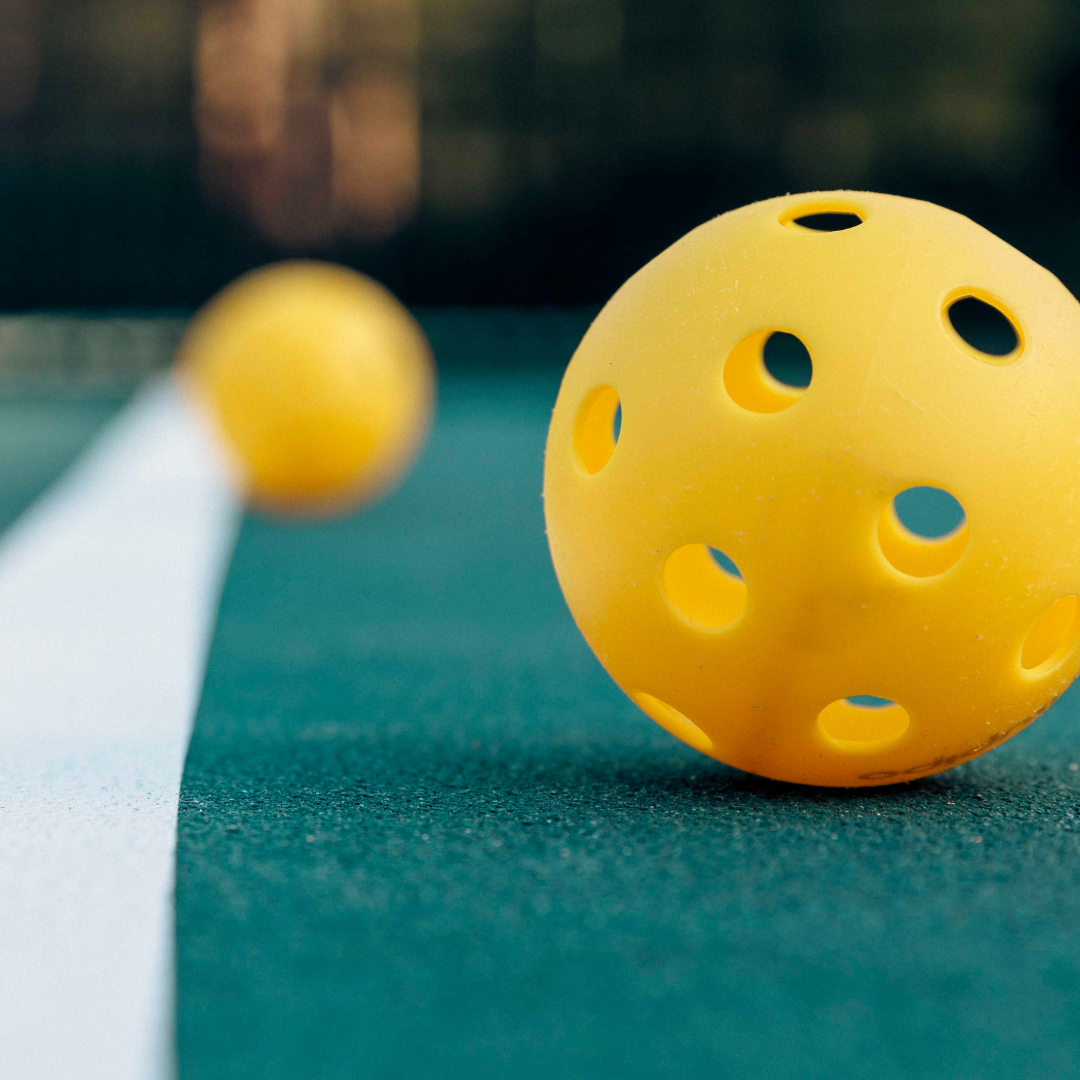
Heat and cold change ball life in a big way. I learned this the hard way during a winter clinic. Ten balls cracked in one morning.
- Store balls at room temp, out of direct sun.
- Do not leave them in a hot car.
- Wash dirt off with mild soap and water. Dry fully.
- Rotate balls so wear spreads out.
- Expect outdoor balls to last a few sessions to a few weeks. Indoor balls last longer.
If you track what ball is used for pickleball in each season, you can plan bulk buys and save money.
Common mistakes and pro tips
Small tweaks make a big shift in play. Avoid these frequent errors.
- Using indoor balls outside. They float and get pushed by wind.
- Using cracked balls. They wobble and can injure eyes on odd hops.
- Mixing brands in one match. Feel and bounce will vary.
- Ignoring temp. Cold snaps ruin stiff balls fast.
Pro tip from my clinics: if you must play in cold, warm the balls in a bag inside your coat. When players ask what ball is used for pickleball in winter, I suggest a durable outdoor model plus this warm-up trick.

Testing a ball before you play
Do a 60-second check. It can save a match.
- Drop test. From shoulder height, it should bounce near your waist.
- Roundness. Roll it on a flat court. Wobbles mean warps or cracks.
- Sound. Tap with your paddle. A dull thud can mean a soft or dead spot.
- Spin. Give it a quick spin serve. Watch for a clean arc, not a flutter.
This is how I decide what ball is used for pickleball on any given day.
Tournaments and approval lists
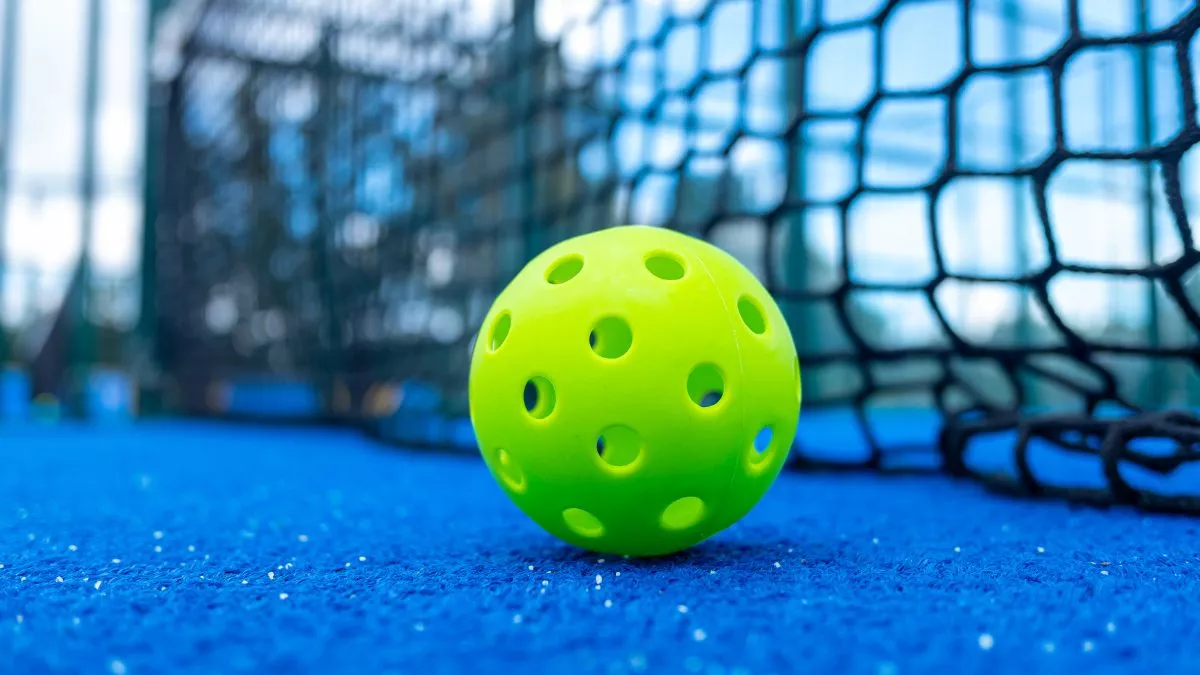
Most events require USA Pickleball approved balls. Your event will name the brand in its rules sheet. Train with that same model for at least two weeks.
If you are not sure what ball is used for pickleball at your event, ask the director. You can also check the current approved list on the official site before you buy.
Noise, safety, and community rules
Some areas have sound limits. Outdoor balls can be loud. Neighbors may complain if courts sit near homes.
- Use a softer ball for drills at dawn or late night.
- Wear eye guards, especially with fast outdoor balls.
- Keep bright colors on hand for low light.
- Follow posted rules on ball type at shared courts.
When people ask me what ball is used for pickleball in quiet zones, I steer them to softer balls for practice and the posted match ball for games.
Frequently Asked Questions of what ball is used for pickleball
What ball is used for pickleball for outdoor play?
A hard plastic ball with 40 small holes is used outside. It fights wind and keeps a firm bounce.
What ball is used for pickleball indoors?
A softer plastic ball with 26 larger holes is common indoors. It is quieter and easier to control.
Are all pickleballs the same size and weight?
They must fall within approved ranges. Size and weight vary slightly by brand but stay within rules.
How long does a pickleball last?
Outdoor balls can crack after a few hard sessions, especially in cold. Indoor balls often last longer.
Does color matter for gameplay?
Color does not change bounce. Bright colors like neon yellow help you see the ball better.
Can I use a wiffle ball instead of a pickleball?
No. Wiffle balls are lighter, softer, and not approved. They fly and bounce very differently.
What ball is used for pickleball in tournaments?
Events list an approved model, such as Franklin X-40 or Dura Fast 40. Always train with that same ball.
How do I know a ball is approved?
Look for USA Pickleball approved on the pack. You can also check the current list on the official site.
Why do pickleballs crack in cold weather?
Cold makes the plastic brittle. Hard hits and flat spots speed up cracks.
What ball is used for pickleball when it is windy?
A stiffer 40-hole outdoor ball holds the line better. It cuts through gusts more than a soft ball.
Conclusion
Pickleball plays best with the right ball for your court and weather. A 26-hole indoor ball suits gyms. A 40-hole outdoor ball rules the park. Follow the specs, test your ball, and match what your league uses.
Try two or three brands this week and note feel, flight, and sound. Lock in the one that fits your game, court, and climate. Have a question or a favorite pick? Share it with the community and help others choose smarter.