Pickleball was made in 1965 on Bainbridge Island, Washington, USA.
If you have ever wondered when was pickleball made, you are in the right place. I have spent years teaching, playing, and researching the sport’s roots. In this guide, I break down when was pickleball made, who created it, why it grew so fast, and how the early rules and gear shaped the game we love today.
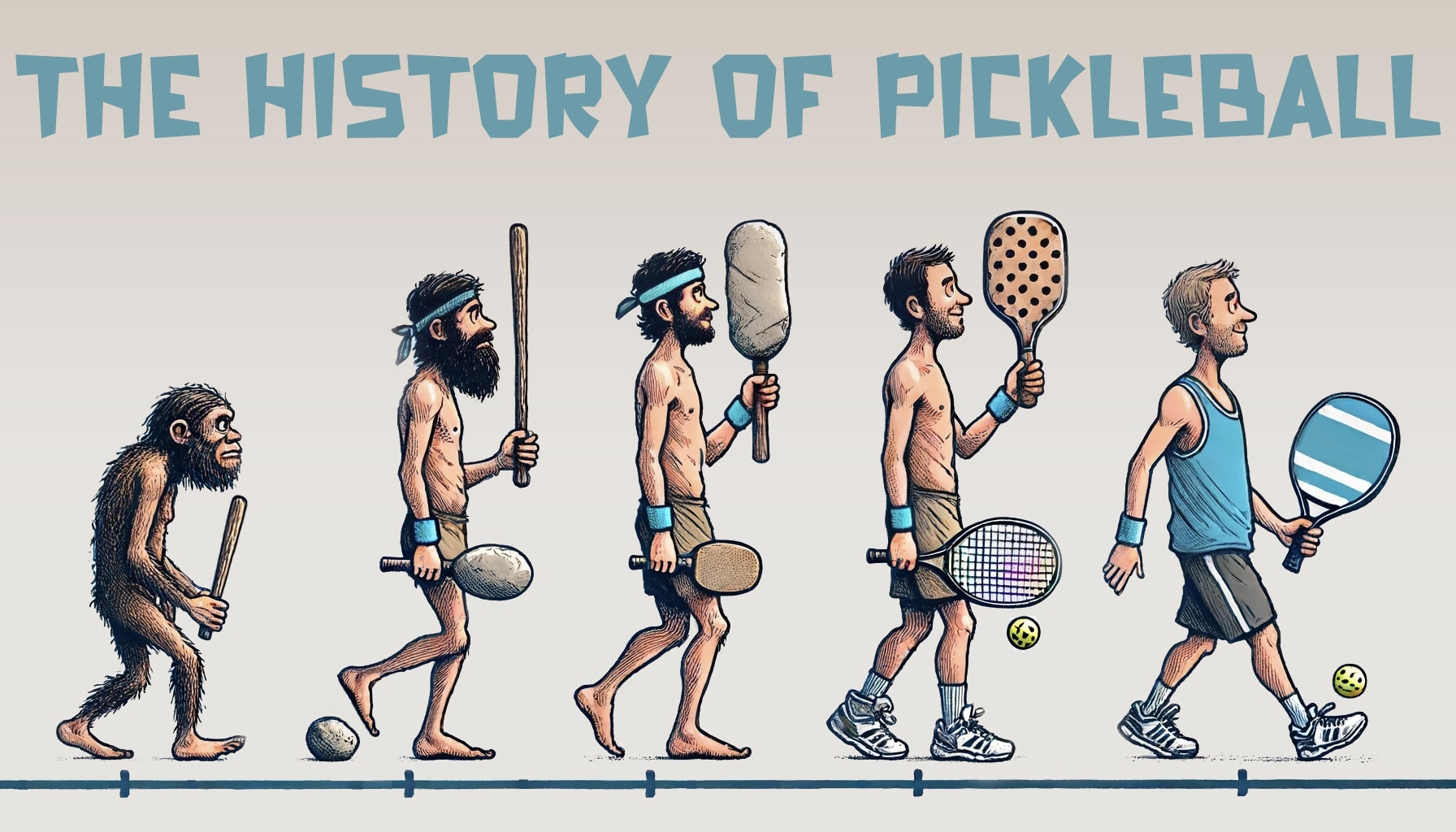
A quick timeline: when was pickleball made and how it began
If you have asked when was pickleball made, the answer is 1965. It started as a backyard idea on a summer day. Three dads wanted a fun, easy game for their families. The location was Bainbridge Island, near Seattle.
Key dates that answer when was pickleball made and how it evolved:
- 1965: Pritchard, Bell, and McCallum improvise a game on a badminton court.
- 1965–1966: Wood paddles replace ping-pong paddles. A perforated plastic ball is set.
- 1967: The first permanent court is built at Bob O’Brian’s home on Bainbridge Island.
- 1972: Pickle-Ball, Inc. forms to protect the name and sell gear.
- 1976: The first known tournament is held in Tukwila, Washington.
- 1984: The United States Amateur Pickleball Association forms and publishes rules.
- 2010: The International Federation of Pickleball forms for global growth.
- 2019–2024: Pro tours launch. TV coverage expands. Public courts surge.
This timeline confirms when was pickleball made and shows how it moved from a yard game to a global sport.

The inventors and the summer spark on Bainbridge Island
Who answered the question “when was pickleball made” with action? Three neighbors did. Congressman Joel Pritchard, businessman Bill Bell, and inventor Barney McCallum. They grabbed a wiffle-style ball, a badminton net, and spare paddles. Then they tuned the rules so kids and adults could rally right away.
The name has two stories. One points to the family dog, Pickles. The other points to “pickle boat,” a rowing term. Joan Pritchard, Joel’s wife, linked the game to that mixed crew idea. Many historians favor the pickle boat story. Both tales live on, and both keep the spirit light.
From my first clinic, I saw why that backyard spark lasted. I lined up new players on a short court. We used slow balls and simple rules. The group laughed within minutes. That magic is the same energy that began in 1965, when people asked when was pickleball made and then made it fun for everyone.

From backyard game to organized sport: rules, gear, and courts
The founders set a court that felt friendly from the start. The court is 20 by 44 feet, the same size as badminton doubles. The net is 36 inches at the posts and 34 in the center. A seven-foot non-volley zone, the kitchen, stops easy smashes at the net. That one rule keeps rallies longer and safer.
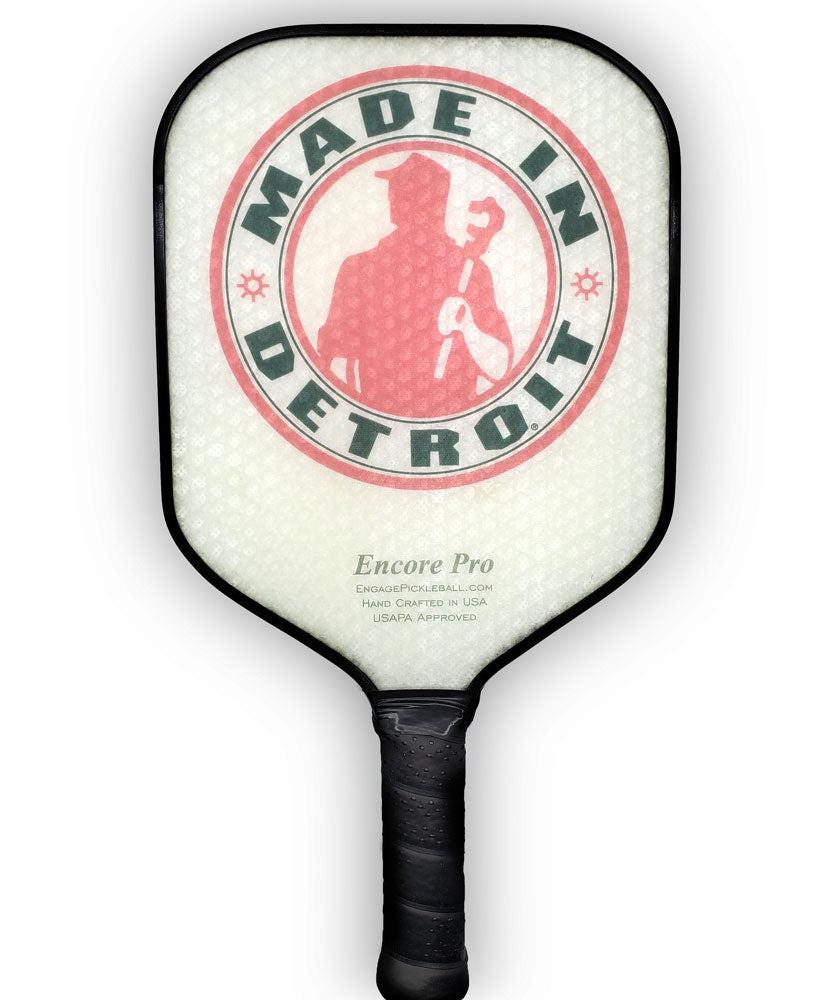
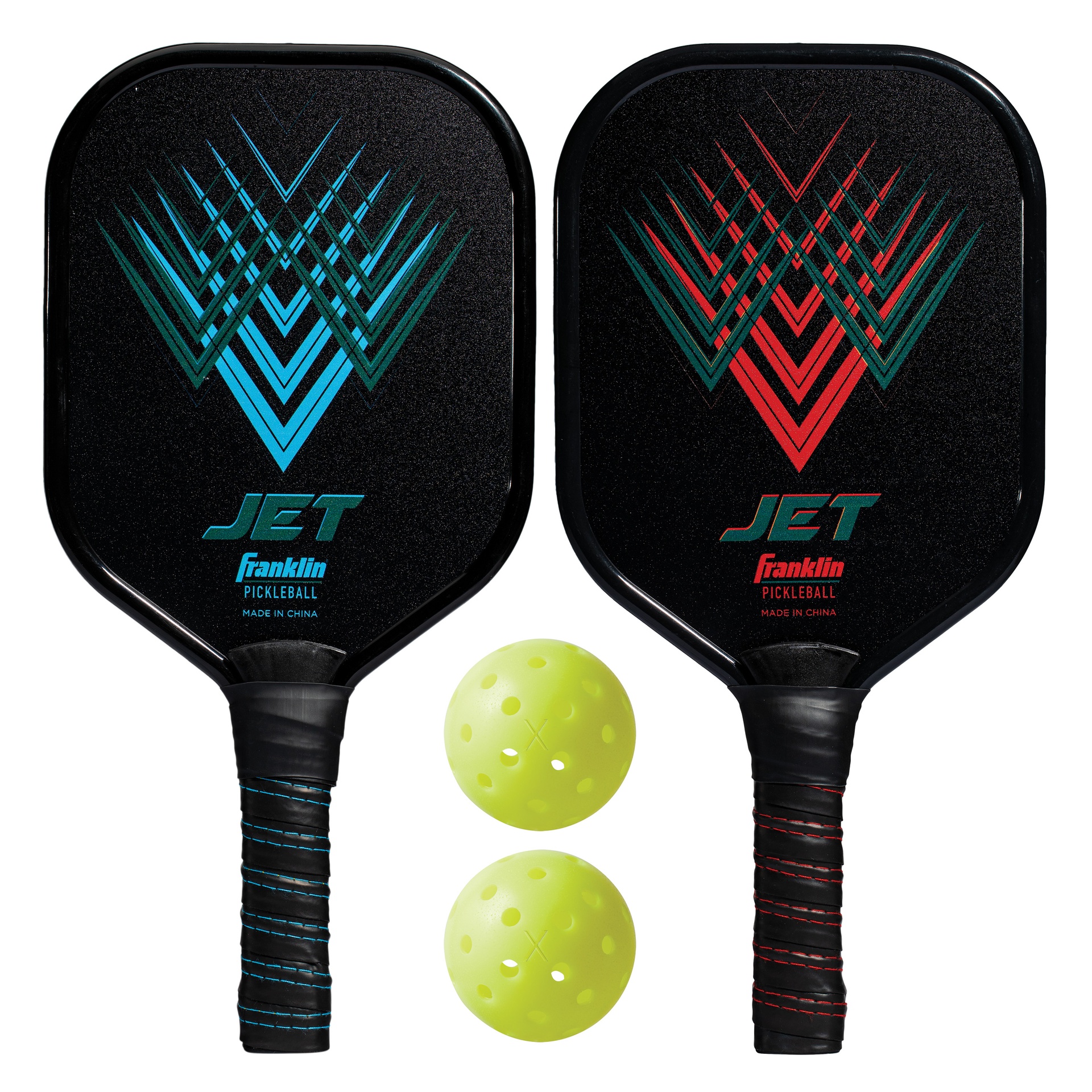
Early paddles were cut from plywood in a garage. Today we see honeycomb cores with graphite or fiberglass faces. These give a soft feel and control. Balls now have set hole counts and weights for indoor and outdoor play. This keeps bounce and speed more uniform.
The rules matured fast. Side-out scoring was standard for decades. Win by two is still common. Pro leagues test rally scoring in team events. But the core rules from the 1960s remain. If you still wonder when was pickleball made, remember that the shape of the court and the kitchen rule both date to those early years.

Why it caught fire: social design and modern growth
The sport grew because it is open. The court is small. The paddle is easy to swing. Rallies last. You can play with a grandparent and a teen on the same team. That is rare in sport.
Modern growth got a boost from parks, schools, and clubs. Pro tours added stars and TV. Many cities turned old tennis courts into four pickleball courts. During the pandemic, people wanted safe, local, and social play. Pickleball fit the moment.
As a coach, I see a first-hour smile rate that is off the charts. New players feel skilled fast. That is why the answer to when was pickleball made still matters. The 1965 design choices made today’s boom possible.
Common myths about when was pickleball made
Myths grow fast, so let’s clear a few up. These notes will help you answer when was pickleball made with confidence.
- Myth: It began in the 1970s. Reality: It began in 1965.
- Myth: The kitchen was a late add. Reality: The non-volley idea showed up very early to stop net smashes.
- Myth: It was made to replace tennis. Reality: It mixed parts of badminton, ping-pong, and tennis to welcome more people.
- Myth: The dog Pickles named the sport the same day. Reality: The “pickle boat” story is well documented. The dog tale grew later.
- Myth: The founders were pro athletes. Reality: They were creative dads who aimed for family fun.
Knowing these helps you handle the classic question, when was pickleball made, without spreading errors.
How to fact-check the history and find primary sources
You can verify when was pickleball made with primary records and direct accounts. Here is how I check details before I teach or write.
- Read old rulebooks and early brochures from the 1970s and 1980s.
- Review official timelines shared by the sport’s governing bodies.
- Visit regional archives and local history groups on Bainbridge Island.
- Look for interviews with the founders and their families.
- Compare dates across three or more independent sources.
Use these steps, and you can answer when was pickleball made and cite solid evidence if someone pushes back.
Practical takeaways for players and coaches
You can use history on the court. It makes sessions richer and more fun.
- Do a “1965 drill.” Use wood paddles and a slower ball. Focus on soft hands near the kitchen.
- Teach the origin of the kitchen rule. Show how it extends rallies and protects joints.
- Mark a driveway court with chalk. Share the 20 by 44 layout and net heights.
- Explain the scoring roots. Start with side-out scoring for control and pace.
- Share the founder story. It helps new players remember when was pickleball made and why the game is so welcoming.
These steps build skills and pride. They link your play to the sport’s roots.
Frequently Asked Questions of when was pickleball made
When was pickleball made?
Pickleball was made in 1965 on Bainbridge Island, Washington. Three neighbors created it for family fun, using simple gear and a few house rules.
Who invented pickleball?
Joel Pritchard, Bill Bell, and Barney McCallum invented pickleball. They refined the court, paddles, and rules over the first few years.
Why is it called pickleball?
The most cited origin traces to the “pickle boat,” a mixed crew in rowing. Some also link it to the Pritchard family dog, Pickles, though that story grew later.
When did pickleball become popular nationwide?
Awareness spread after the first tournament in 1976 and the rulebook in 1984. The big surge came in the late 2010s, with parks, pro tours, and media coverage.
Where was pickleball first played?
It was first played on a home badminton court on Bainbridge Island. That is near Seattle, in Washington state.
How old is pickleball today?
Count from 1965 to today to get its age. It is now a mature sport with deep roots and modern tours.
Conclusion
Pickleball was made in 1965, but its design still feels brand new. A small court, a smart kitchen rule, and easy gear made it catch on fast. Now you know when was pickleball made, who built it, and how it grew.
Take that insight to your next game. Share the story, set up a “1965 drill,” and invite a friend to join. Want more tips and deep dives like this? Subscribe, explore my other guides, or drop a question in the comments.