It was named after a “pickle boat,” not a dog; Pickles came later.
Curious minds always ask what was pickleball named after, and the answer sparks debate. I’ve dug into the sport’s early days, studied accounts from founders, and talked with longtime players to sort fact from folklore. If you want a clear, friendly guide that explains what was pickleball named after and why the story got twisted over time, you’re in the right place.

The true origin of the pickleball name
The short version is this: the name came from the pickle boat in crew. In rowing, a pickle boat is a mix of leftover rowers. That image fit the new game, which blended tennis, badminton, and ping-pong.
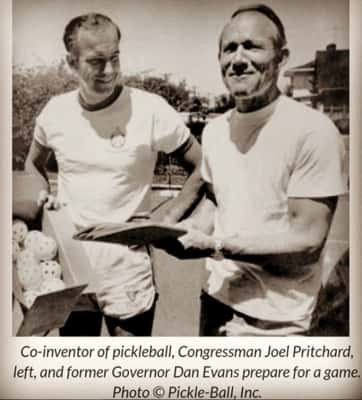
Joan Pritchard, wife of co-founder Joel Pritchard, used the term as a playful nod. It was summer 1965 on Bainbridge Island, Washington. The game felt like a patchwork, so the name stuck.
Early interviews and records line up with this version. Co-founders Joel Pritchard, Bill Bell, and Barney McCallum did not build the sport around a dog. The dog story showed up later. When people ask what was pickleball named after, this is the primary source answer: the pickle boat, not the pup.
Where the dog story came from
So, what about Pickles the dog? Yes, the Pritchards had a dog named Pickles. But by most first-hand accounts, Pickles got his name after the sport was born. The family and friends were already calling the game pickleball.
Over time, a charming tale took root. Reporters love a cute hook. “Ball named after dog” is easy to print and easy to share. Even players who know the pickle boat story sometimes repeat the dog quote because it’s fun.
I’ve taught many beginners, and this comes up almost every week. Someone asks what was pickleball named after, and half the group smiles and says, “The dog!” It’s a great icebreaker, but the timeline does not support it.

A simple timeline of the name
Here’s a short path through the early years:
- 1965: Joel Pritchard and Bill Bell set up a game on Bainbridge Island. A low net. A Wiffle-style ball. Paddles made from plywood.
- 1965–1966: Joan Pritchard links the new game’s feel to a pickle boat. The name pickleball takes hold.
- Late 1960s: The family dog, Pickles, arrives and is named after the sport. Cute story spreads.
- 1970s: Local news and magazines help the dog tale go wide. The myth grows bigger than the facts.
- 1980s and beyond: Organized rules and groups confirm the pickle boat origin, while noting the dog myth.
If you search what was pickleball named after, you’ll still find both stories. Use the timeline to sort them.
What was pickleball named after? The two stories, compared
When people ask what was pickleball named after, they usually hear two answers. One points to rowing. The other points to a family pet. Here’s how to think about it.
- Pickle boat origin: Matches early accounts. Fits the “blend of sports” idea. Makes sense for 1965 Bainbridge Island.
- Dog origin: Great folklore. Likely came later. The dog was named after the sport, not the other way around.
As a coach, I share both so new players remember the facts and enjoy the legend. If a league mate asks what was pickleball named after, I give the quick “pickle boat” answer, then share the dog story for a smile.

Why the pickle boat origin makes sense
Pickleball mixed ideas from three games. The underhand serve felt like badminton. The court size matched a badminton court. The kitchen and volleys took cues from tennis and ping-pong. That blend lines up with the meaning of a pickle boat.
Naming follows patterns like this all the time. We borrow from known words to describe a new thing. If you wonder what was pickleball named after, think of it like calling a new recipe a “kitchen sink” salad. It’s a mix. The name tells you that.

The founders, the island, and the birth of a culture
Bainbridge Island was the perfect lab. Families wanted a game for all ages. They wanted a sport that worked in a driveway or on a re-lined court. Pickleball delivered.
The name and the place shaped the culture. It felt friendly and a little quirky. People ask what was pickleball named after because the word sounds playful. That tone still draws newcomers today.

Evidence, myths, and how to fact-check the name
If you like clean facts, start with primary voices from the 1960s. Early interviews and notes from the founders and their families support the pickle boat story. The dog tale shows up later as the sport spreads.
Here’s how I help students verify what was pickleball named after:
- Look for early timelines. Ask when the dog entered the picture.
- Check quotes from founders and their families, not second-hand social posts.
- See how official rule groups explain the origin.
Be open to both stories. But keep the order right. That is the key to trust.
Lessons from the naming story for players and brands
The pickleball name teaches a few simple lessons.
- Names with a story stick. People keep asking what was pickleball named after because the tale is fun to tell.
- Clear timelines matter. Without them, myths replace facts.
- Let people enjoy the legend, but lead with the truth.
If you run a club or brand, share the real origin in your about page. Then add the dog story as a fun side note. That way, when someone asks what was pickleball named after, your answer is both accurate and warm.

Cultural impact: how the name shapes the game today
The name sets a friendly tone. It signals that all are welcome. The sport grows fast because it feels open, simple, and social.
At clinics, I start with the origin story. It breaks the ice and lowers stress for new players. When someone asks what was pickleball named after, the talk often ends with laughs and a ready group for doubles.
Frequently Asked Questions of what was pickleball named after
What was pickleball named after originally?
It was named after a pickle boat in crew, not a dog. The dog named Pickles came later and was named after the sport.
Why do people ask what was pickleball named after so often?
The name sounds playful and odd, so it invites a story. The dog myth is catchy and easy to repeat.
Did any founder say the dog came first?
Early accounts from those close to the founders point to pickle boat first. Later stories moved the dog to the front, but the timeline does not support that.
Is there proof for the pickle boat story?
Yes, early interviews and family notes link the name to a pickle boat. Those sources are closer to the 1965 origin than later media pieces.
Could both be true in some way?
Only in spirit. The dog became part of the legend, but the naming idea started with the pickle boat analogy.
How should I explain this to new players?
Say it came from the pickle boat in rowing. Then add that a family dog named Pickles helped spread a fun myth.
Conclusion
The best evidence says the sport was named for the pickle boat, a blend of “leftovers,” just like the game blended other sports. The dog story adds charm, but the timeline shows Pickles was named after the sport, not the reverse. Now you can answer the next “So, what was pickleball named after?” with confidence.
Share this origin at your next open play. Teach a friend the truth and the myth, in that order. If you enjoyed this deep dive, subscribe for more friendly guides on the game’s history, tips, and gear.