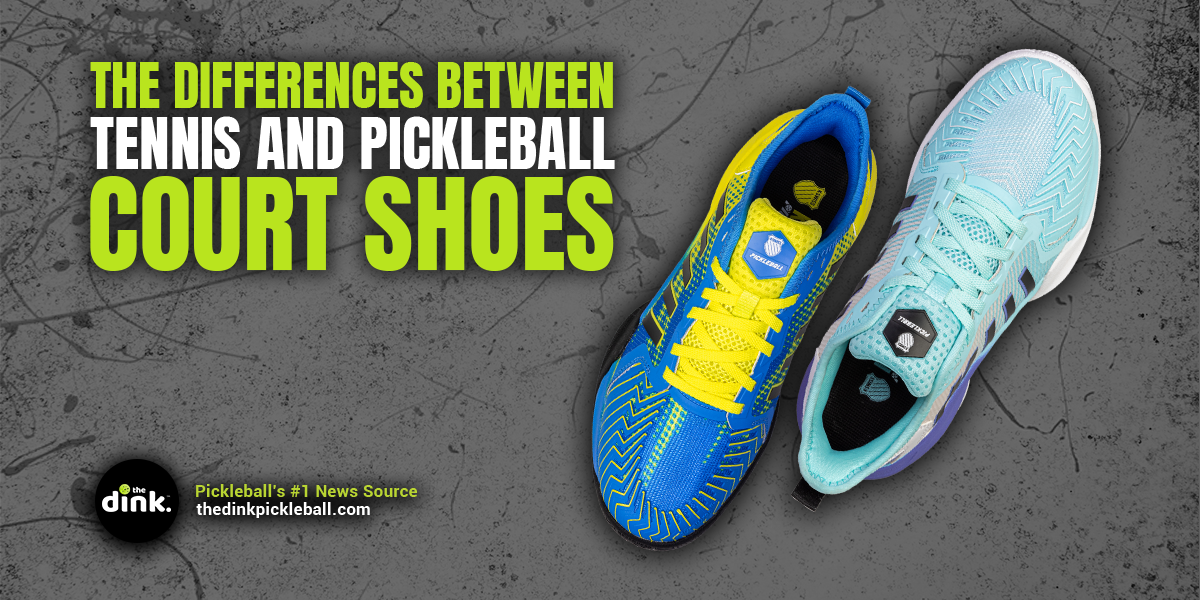
No. They share traits, but traction, support, and cushioning differ.
If you’ve asked are tennis and pickleball shoes the same, you’re not alone. I coach and test court shoes for a living. I’ve seen what works on a tennis baseline and on a fast kitchen line. In this guide, I break down the real design cues, what matters for your feet, and when you can swap one for the other without risk. You’ll get clear answers, real examples, and simple steps to choose the right pair.
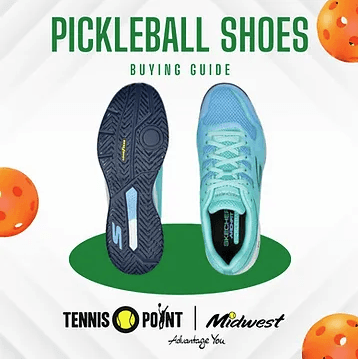
Are tennis and pickleball shoes the same? Key similarities and differences
The short answer is no, but they overlap. Both need grip, side support, and a stable base. Both use tough rubber and firm midsoles to resist twist.
Still, they are tuned for different moves. Tennis shoes add toe-drag guards and hard-wearing rubber. Pickleball shoes lean into fast starts, quick stops, and bite on short sprints. If you wonder are tennis and pickleball shoes the same, these small tweaks make a big feel change.
Shared traits you will notice:
- Lateral support to handle side steps without tipping.
- Secure uppers that lock the heel and midfoot.
- Durable outsoles built for court wear.
Key ways they differ:
- Traction patterns and rubber blends by surface.
- Upper reinforcements for toe drag in tennis.
- Ride feel and drop tuned for court feel in pickleball.
People ask me all the time, are tennis and pickleball shoes the same? They are cousins, not twins. You can wear one for the other in a pinch. But the best match comes from the right tool for the job.

How court surfaces drive traction differences
Court surface shapes the shoe. Hard-court tennis needs a tougher rubber and a herringbone tread. It must hold on the split step and survive long rallies. Clay tennis often uses a full herringbone to shed clay and keep glide under control.
Pickleball is different. Outdoor courts use textured concrete or asphalt. You need fast bite for short bursts. Many pickleball outsoles mix herringbone with pivot zones. Indoor pickleball feels more like volleyball. Gum rubber grips the smooth floor and stops fast.
Are tennis and pickleball shoes the same on grip? Not quite. The wrong tread can feel slick or too sticky. Match the outsole to your main court:
- Outdoor hard pickleball: tacky rubber, mixed tread, quick bite.
- Indoor pickleball: gum rubber for quiet, secure stops.
- Tennis hard court: durable rubber and firm herringbone.
- Tennis clay: full herringbone to channel dust.
Support, stability, and upper design
Both sports demand side support. The foot should not roll off the platform. A wide base and firm sidewalls help keep you safe.
Tennis shoes often have big toe-drag caps. They guard against slides and low backhand scrapes. Pickleball shoes focus more on midfoot lockdown and forefoot stability in tight spaces. If you think are tennis and pickleball shoes the same in support, know that the goal is the same, but the hot spots differ.
What I look for when testing:
- Heel counter that locks and does not wobble.
- Midfoot shank or plate that resists twist.
- Forefoot wrap for cuts and stops.
- A toe cap if you drag or lunge hard.
Cushioning, midsole feel, and heel-to-toe drop
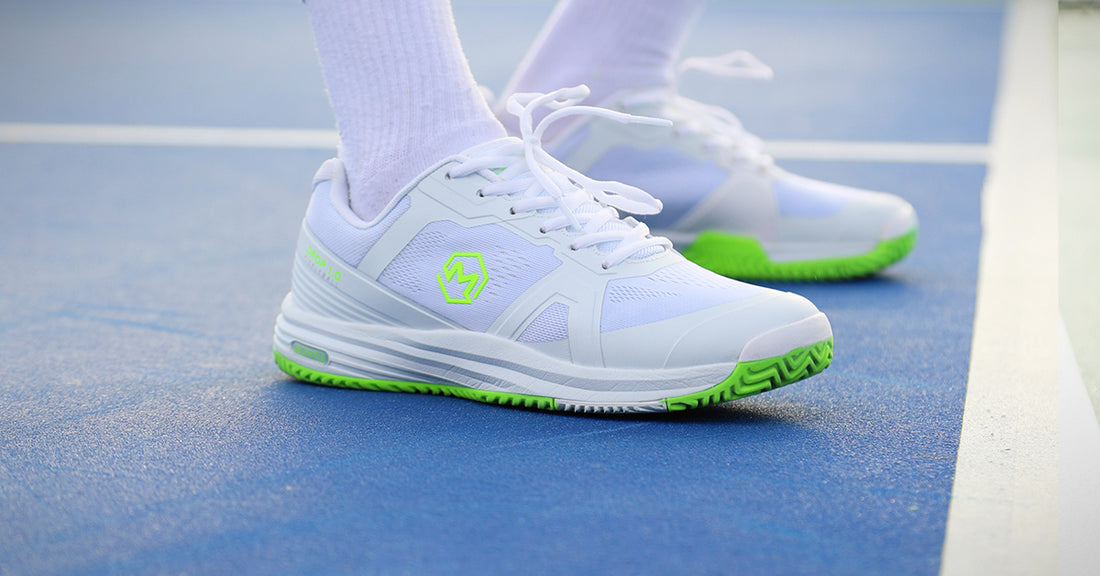
Cushioning helps with comfort and joint load. Tennis shoes tend to feel firmer and stable over long rallies. Many sit between 6–12 mm of heel-to-toe drop. That slight lift helps with heel strikes on serves and deep defending.
Pickleball shoes often ride a bit lower and feel more direct. You want court feel to react at the kitchen line. Cushion foams range from classic EVA to newer blends. The key is a stable foam that does not squish too much on side moves.
So, are tennis and pickleball shoes the same on cushioning? No, but you can find overlap. If you have knee pain, you may want more cushion. If you crave feel, go lower and firmer.

Can you wear tennis shoes for pickleball and vice versa?
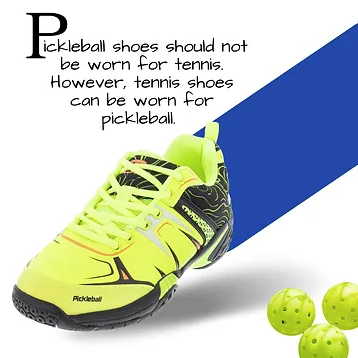
You can, and many players do. But know the trade-offs. I get asked are tennis and pickleball shoes the same for cross-use. Here is the easy view.
If you wear tennis shoes for pickleball:
- Pros: strong support, durable outsole, toe-drag protection.
- Cons: may feel heavier, sometimes too firm, grip may be slow indoors.
If you wear pickleball shoes for tennis:
- Pros: nimble feel, fast first step, great indoor or smooth outdoor grip.
- Cons: outsole may wear faster on hard tennis courts, less toe-drag armor.
My rule of thumb:
- Outdoor pickleball only? Pick pickleball shoes or light hard-court tennis shoes.
- Indoor pickleball? Use indoor-court or gum rubber models.
- Tennis main, pickleball side? Stick with tennis shoes and rotate pairs.
A simple checklist to choose the right pair
Ask these quick questions. They will point you to the right shoe without stress. I use this with new players every week.
- Where do you play most? Indoor, outdoor, clay, or hard court.
- How do you move? Quick bursts, long rallies, slides, or toe drags.
- What do your joints need? More cushion or more court feel.
- How wide are your feet? Need standard, wide, or extra-wide fit.
- How much do you play? More hours need more durability.
If you still think are tennis and pickleball shoes the same, run this list once. Your answers will show the gaps.
Fit, sizing, and break-in tips
Fit is king. A stable shoe that fits poor can still cause pain. Aim for a thumb-width of space at the toes. Lock the heel with a runner’s loop lace if needed.
Try shoes late in the day when feet swell. Wear your match socks. Expect a mild break-in for firm uppers. If hotspots do not fade after two sessions, swap them out. When you wonder are tennis and pickleball shoes the same in fit, the rules are the same: secure, stable, and no pinch points.

Real-world notes from coaching and testing
I have tested dozens of pairs on both courts. One year, I tried a nimble pickleball shoe on a hard tennis court. The grip was great for sprints, but the toe wore fast from serves. I learned to save that pair for pickleball days.
I also had a player who kept ankle rolling in soft runners. We moved him into a firm tennis shoe with a wider base. He stopped rolling. When players ask me are tennis and pickleball shoes the same, I tell them the right base and lockdown change everything.
Small tweaks that helped my players:
- Lace lock at the top eyelets for heel hold.
- Insole swap for arch support, if needed.
- Rotate pairs to keep midsoles fresh.

Care, rotation, and when to replace
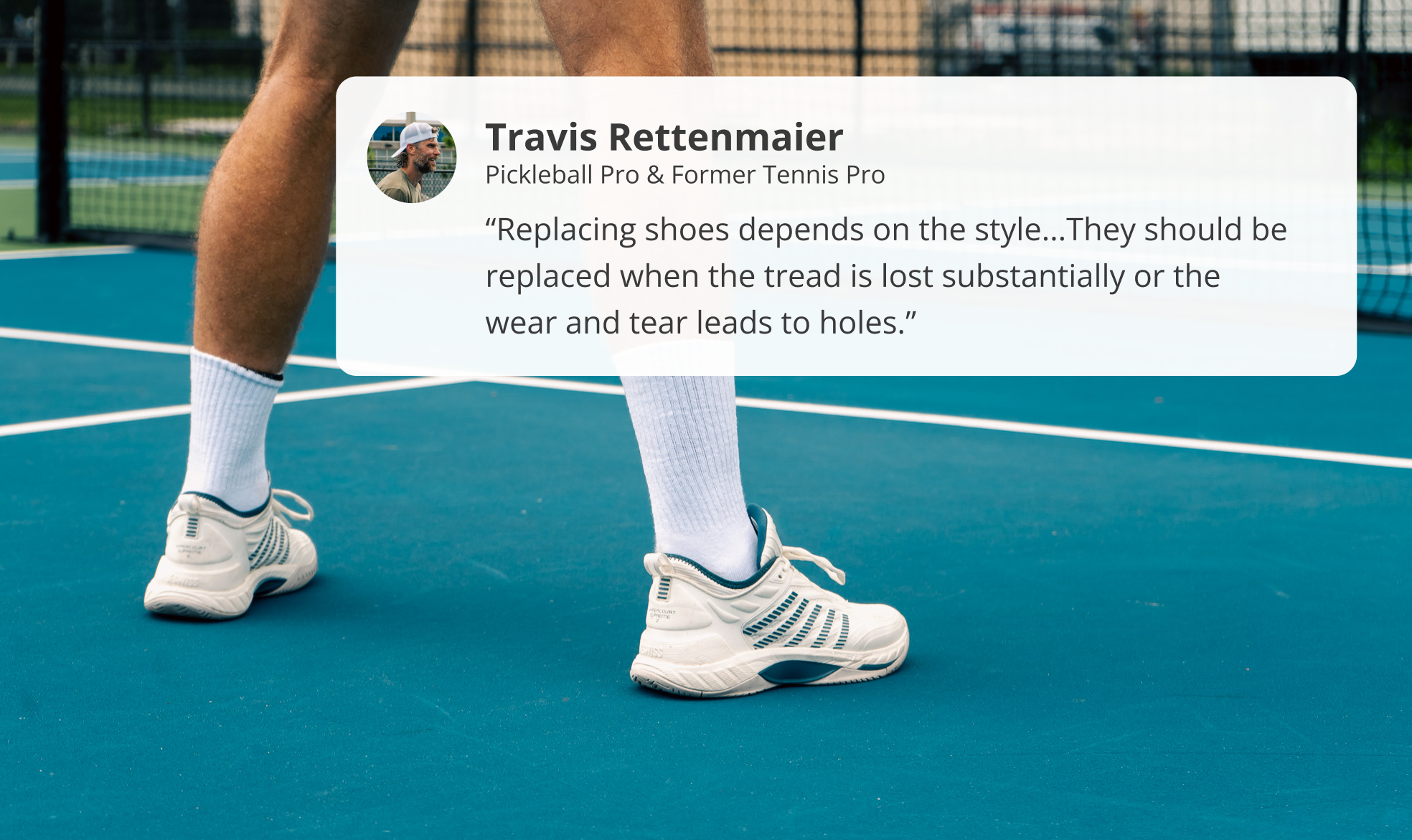
Court shoes do not last forever. Outsole edges round off. The midsole packs down. Grip drops first, then comfort.
Track your hours. A common range is 40–60 hours on outdoor hard courts. Indoor pairs can last longer if you keep floors clean. Rotate two pairs if you play often. Dry them at room temp. Do not bake them in a car.
If you are asking are tennis and pickleball shoes the same in lifespan, usage matters more than the label. Hard courts eat rubber. Dust kills grip. Clean outsoles with a damp cloth for better bite.
Common myths and mistakes
Let’s clear a few myths I hear a lot.
- Running shoes are fine for courts. Not true. They lack side support and can roll on cuts.
- More cushion is always better. Not always. Too soft can feel wobbly on lateral moves.
- All herringbone is the same. No. Depth, rubber blend, and flex lines change grip.
- A tight shoe is stable. No. You need secure hold, not toe crush.
- Brand X is best for everyone. Feet and moves differ. Test what fits you.
If a friend asks are tennis and pickleball shoes the same, share these notes. Small myths lead to big aches.
Frequently Asked Questions of are tennis and pickleball shoes the same
Are tennis and pickleball shoes the same for beginners?
Not quite. Either can work to start, but fit and grip matter more. Pick what matches your main court.
Can I play indoor pickleball in tennis shoes?
Yes, but check the outsole. Gum rubber grips best indoors, while hard-court rubber can slip on dusty floors.
Do pickleball shoes last as long as tennis shoes?
It depends on use. Hard tennis courts wear soles faster, while indoor pickleball is easier on rubber.
What heel-to-toe drop is best for pickleball?
Many players like 6–10 mm for control and feel. If your knees ache, go a bit higher for cushion.
How do I know my shoes are worn out?
Look for smooth outsole edges and less grip. If your knees or feet feel tired sooner, it is time to replace.
Are tennis and pickleball shoes the same if I only play once a week?
You can use one pair across both sports. Just match the outsole to your main surface and watch wear.
Can I use running insoles in court shoes?
Yes, if they keep you stable. Make sure the heel does not lift and the arch feels secure.
Conclusion
Tennis and pickleball ask for the same core traits: grip, support, and a stable base. Yet tiny design choices make a big difference on court. Now, when someone asks are tennis and pickleball shoes the same, you can explain why the right outsole, support, and ride matter.
Try the checklist above and match your shoe to your surface and style. Your feet will feel better, and your moves will feel sharper. Want more gear guides and fit tips? Subscribe, ask a question, or share your setup in the comments.