No—pickleball and tennis shoes differ in grip, support, and court-specific design.
If you’ve asked are pickleball and tennis shoes the same, you’re not alone. I coach and test gear on real courts each week, and I’ve learned where these shoes match and where they don’t. In this guide, I’ll break down the key differences, when you can swap, and how to choose the best pair for your feet, your surface, and your style.
Are Pickleball and Tennis Shoes the Same? The Short Answer with Context
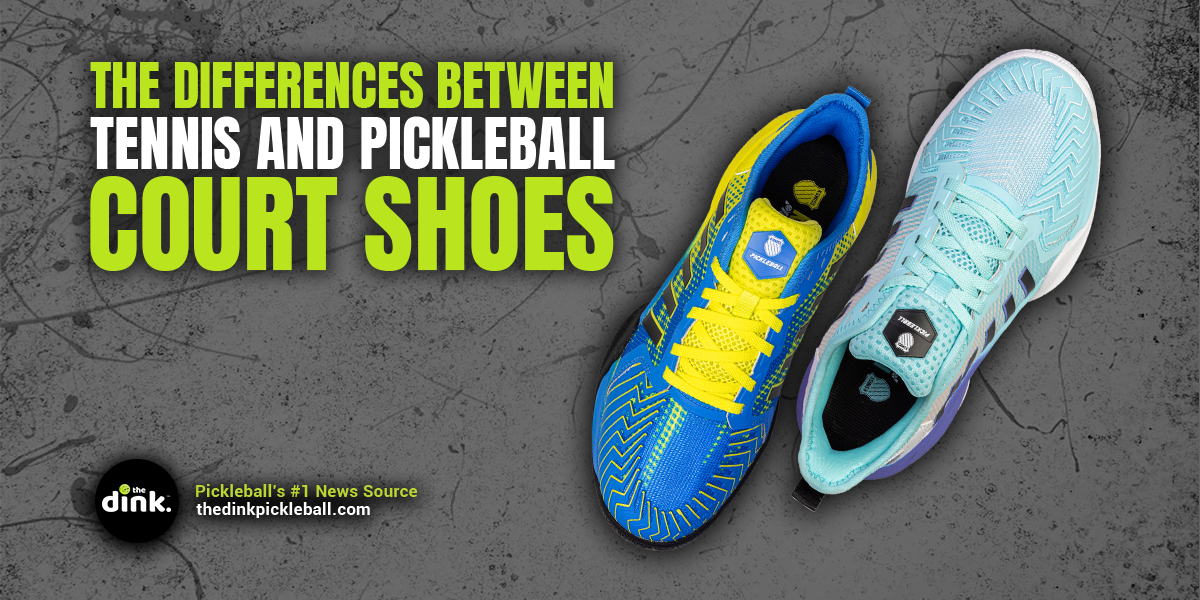
They are close cousins, but they are not identical. Tennis shoes focus on long lateral rallies and hard, abrasive outdoor courts. Many pickleball shoes prioritize quicker starts, stops, and more frequent pivots on both indoor wood and outdoor acrylic.
Here’s the simple way to think about it: tennis builds for grinding baseline moves; pickleball builds for fast feet, pivot control, and mixed surfaces. That is why the question are pickleball and tennis shoes the same has a nuanced answer: they overlap, but design choices change how they feel and last on court.

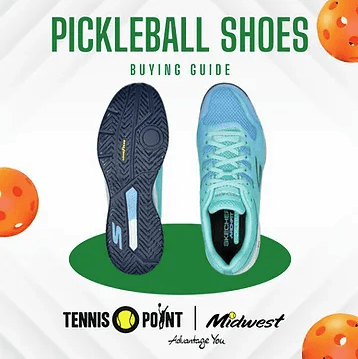
Feature-by-Feature: What Actually Differs
Let’s compare the parts that matter most so you can feel the difference underfoot.
- Outsole and traction pattern
- Tennis: Often a durable herringbone that resists wear on gritty hard courts.
- Pickleball: Mix of herringbone and pivot-friendly circles for quick turns, especially on indoor courts.
- Rubber compound
- Tennis: Harder rubber for abrasion. Great for durability, a bit less grabby indoors.
- Pickleball: Softer or tackier on indoor models for bite on wood; outdoor versions balance grip and wear.
- Midsole cushioning and court feel
- Tennis: Slightly more protective cushioning to handle longer rallies and heavy slides.
- Pickleball: Lower-to-the-court feel for quick reactions and balance near the kitchen line.
- Upper and toe protection
- Tennis: Strong toe drag guards and sturdy sidewalls to survive slides.
- Pickleball: Reinforced, but a bit lighter and more flexible for rapid stops and starts.
- Stability platform
- Both: Wide base and firm heel counters.
- Pickleball: Sometimes a touch more forefoot flexibility for fast shuffles and split-steps.
So, are pickleball and tennis shoes the same? Not quite. The differences show up in traction, rubber, and the way stability blends with flexibility.
Choose by Surface, Style, and Fit
Pick the shoe that matches what you actually play. Ask three simple questions.
- Where do you play most?
- Indoor wood or PVC: Use indoor court or pickleball shoes with tacky rubber and fine grip.
- Outdoor acrylic/asphalt: Use durable tennis or outdoor pickleball shoes with a firm rubber outsole.
- How do you move?
- Heavy lateral mover or frequent slider: Tennis shoes offer more abrasion resistance and medial protection.
- Quick pivots and short bursts: Pickleball shoes with a lower stack and pivot-friendly tread feel nimble.
- What fit do you need?
- Wider toe box or orthotics: Try models labeled wide and check removable insoles.
- Sensitive ankles: Prioritize a locked-in heel, strong sidewalls, and a stable base.
If you still wonder are pickleball and tennis shoes the same, run this test: step on an indoor court in a hard-rubber tennis shoe. You will feel less bite on quick pivots than with an indoor pickleball shoe.

My Court Tests: What I’ve Learned Fitting Players
Over the last few seasons, I rotated pairs across leagues and clinics. Here’s what stood out.
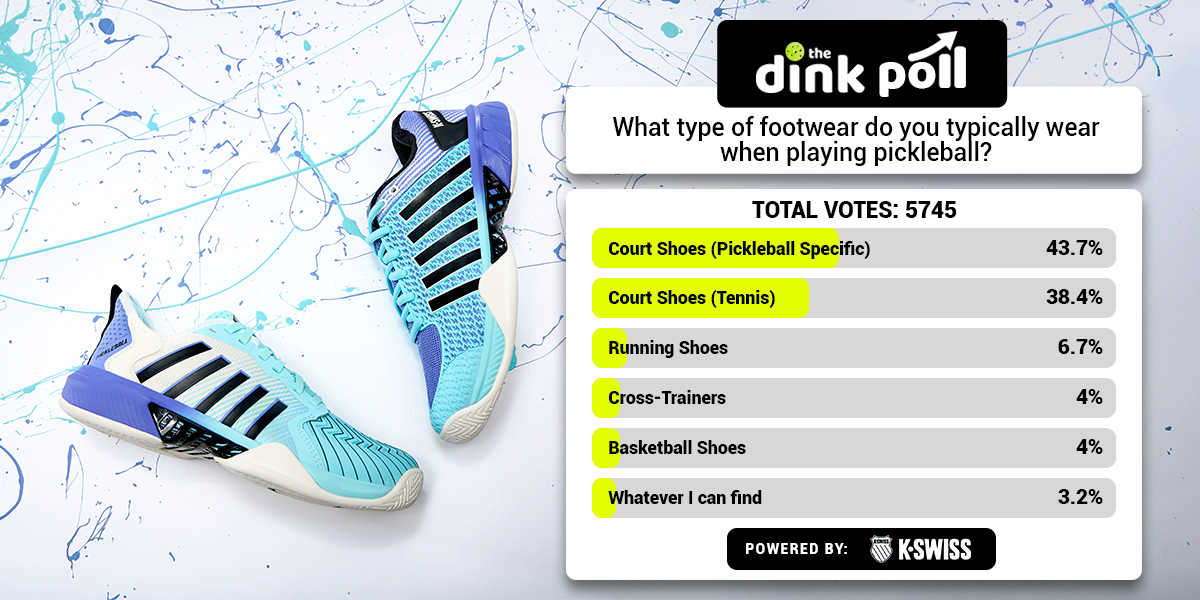
- On indoor wood, tennis shoes with hard rubber felt skittish on hard cuts. A dedicated indoor pickleball shoe grabbed better and reduced slip risk.
- On outdoor acrylic, tennis shoes shined in durability. They kept traction longer than softer indoor-style soles.
- Players who asked are pickleball and tennis shoes the same often wore a single pair for both. They could, but they replaced them faster or compromised grip indoors.
A mistake I made early on was using a well-worn tennis pair for indoor play. I slid on a quick pivot and tweaked my hip. Since then, I match the outsole to the surface. It’s a small change that saves joints and extends shoe life.

Durability, Care, and When to Replace
Even the best court shoe breaks down. Track these signs.
- Traction loss: If you slip on shots you used to stick, the outsole is glazed or worn.
- Midsole fatigue: Sore heels or knees after normal sessions hint at compressed foam.
- Upper breakdown: Creases turning into tears at the forefoot or eyelets.
Care tips to add months:
- Rotate pairs if you play 3+ times a week.
- Air-dry shoes after sweaty sessions. Remove insoles.
- Brush dirt from the tread. Dirt reduces grip.
- Keep indoor shoes indoors. Outdoor grit ruins indoor traction.
People ask are pickleball and tennis shoes the same in lifespan. Not exactly. Tennis shoes often last longer outside; indoor pickleball shoes keep peak grip for fewer months but feel safer on wood.
Budget and Smart Buys
You do not need the priciest pair to play well. You need the right match.
- Under $80: Good for beginners or backup pairs. Expect less cushioning and faster wear.
- $80–$130: Best value tier. Solid cushioning, stable chassis, reliable traction.
- $130+: Premium builds, lighter materials, advanced foams, and durable rubber.
If you play both sports, you can buy one outdoor-ready pair and one indoor-friendly pair. That beats asking are pickleball and tennis shoes the same and trying to force one shoe everywhere. Your knees will thank you.

Common Mistakes to Avoid
Avoid these traps I see every week.
- Wearing running shoes on court. They are made for straight-ahead motion, not lateral cuts.
- Ignoring surface type. Wrong rubber leads to slips or fast wear.
- Buying too big for “comfort.” A sloppy fit kills stability.
- Skipping break-in. Give your pair two light sessions to settle.
- Assuming are pickleball and tennis shoes the same. They are not, and the wrong choice shows up in traction and support.
Quick tip: If you only buy one pair for outdoor play, a durable tennis-court outsole handles acrylic well.

Frequently Asked Questions of are pickleball and tennis shoes the same
Are pickleball and tennis shoes the same for indoor courts?
No. Indoor pickleball shoes use tackier rubber that grips wood better. Tennis shoes may feel slick indoors due to harder, more durable rubber.
Can I wear tennis shoes for pickleball outdoors?
Yes, many players do. Choose a tennis shoe with a durable herringbone outsole, and you’ll get good grip and long wear on acrylic courts.
Will pickleball shoes work for tennis?
They can, but it depends on the outsole and durability. Some pickleball shoes lack the abrasion resistance needed for repeated tennis slides.
How should pickleball or tennis shoes fit?
They should feel snug at the heel, secure at the midfoot, and roomy at the toes. If your foot slides inside the shoe, size or width is off.
How long do court shoes last?
Most players get 3–6 months with regular play. Heavy outdoor use or daily doubles can cut that down; rotating pairs extends life.
Do I need different shoes for indoor and outdoor pickleball?
If you play both often, it helps. Indoor pairs grip wood better; outdoor pairs resist wear on gritty courts.
What’s the best way to test grip at home?
On a clean hard floor, try slow pivot turns and short shuffles. If the shoe slips or skids easily, it may underperform on indoor courts.
Conclusion
The big picture is simple: are pickleball and tennis shoes the same? They overlap, but key details differ in traction, durability, and feel. Match your shoe to your court and movement, and you’ll move faster, feel safer, and play longer.
Take action this week. Check your outsole, test your grip, and decide if you need an indoor or outdoor setup. Want more gear tips and honest tests? Subscribe, share your court setup in the comments, and I’ll help you dial in the perfect pair.