Yes, pickleball has faults: rule violations that stop play and award points.
Many players ask, are there faults in pickleball? Yes, and they shape every rally. In this guide, I break down what a fault is, why it happens, and how to avoid it. I play and coach each week, so expect clear tips and real examples. If you came here to ask are there faults in pickleball, you will leave with confidence.

What is a fault in pickleball?
A fault is a rule breach that ends the rally. It can cost your team the serve or give your opponents a point. The result depends on who is serving.
With side-out scoring, only the serving team can score. If the receiver faults, the serving team gets a point. If the server faults, the serve moves to the second server or it becomes a side-out. The short answer to are there faults in pickleball is yes, and you should know them well.

The most common faults you will see
These are the errors I see most in league and open play. If you wonder are there faults in pickleball most players make, start here.
- Serve lands short, wide, or on the kitchen line. That is a fault.
- Volley while touching the kitchen or its line. That is a fault.
- Volley the return of serve before it bounces. That is a fault.
- Step on the baseline during contact on the serve. Foot fault.
- Ball hits your body or clothes before it bounces. Your fault.
- Double hit that is not one smooth motion. Fault for a carry.
- Touch the net, net post, or opponent’s court. Fault on contact.

Serve and return faults explained
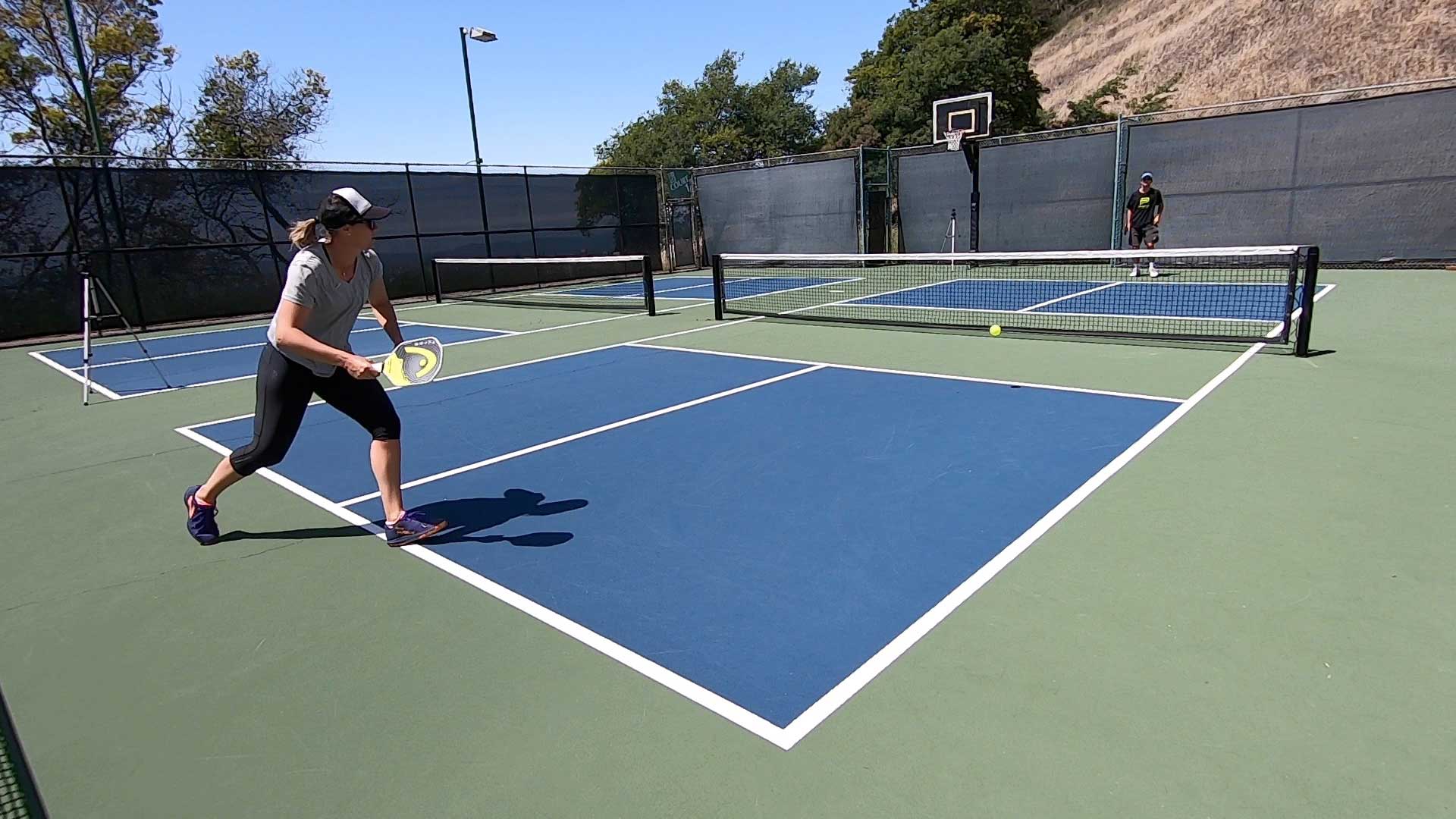
Serving has clear rules. The ball must land in the diagonal service box. It cannot land in the non-volley zone (kitchen) or touch the kitchen line. The centerline, sideline, and baseline are good if the ball touches them.
On a volley serve, your paddle must move upward at contact. The contact point must be below your waist. Your paddle head must be below your wrist. At least one foot must be behind the baseline at contact. No foot can touch the court or baseline. On a drop serve, you must let the ball drop on its own. Do not toss or push it down. You can then hit it after the bounce with fewer motion limits.
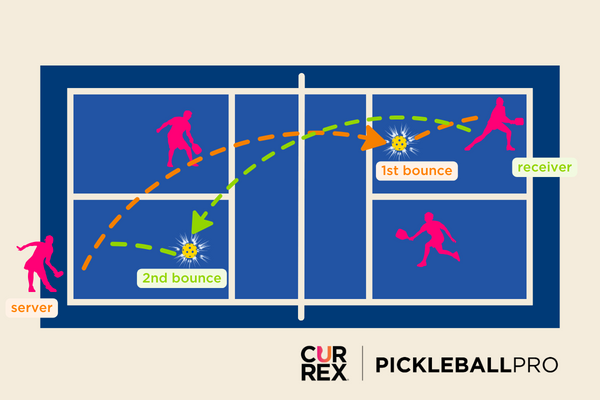
The return must bounce before the serving team hits it. The receiver must also let the serve bounce. This is the two-bounce rule. If you volley the serve or the return, it is a fault. If you asked, are there faults in pickleball that start right away, these serve and return errors are the first to learn.
Pro tip from coaching: aim your serve to deep corners. It lowers net hits and kitchen-line clips. It also buys you time for the next shot.

Kitchen (non-volley zone) faults
The kitchen is the seven-foot zone on both sides of the net. You cannot volley while touching this zone. The line counts as part of the zone. If any part of you touches it during a volley, it is a fault.
Momentum matters. If you volley and your momentum carries you into the kitchen, it is still a fault. It stays a fault even if the ball is dead by then. You may step into the kitchen to play a ball that has bounced. Just exit before your next volley.
A smart cue I give beginners is this: jump, hit, and land outside. If your landing would touch the kitchen, do not swing. If you still wonder, are there faults in pickleball linked to the kitchen, the answer is almost always about footwork.
Foot faults and line awareness
Foot faults happen in two main places. At the serve, your feet cannot touch the baseline or court at contact. At the kitchen, your feet cannot touch the line during a volley.
Use simple checks. I place a bright tape strip a little behind the baseline in clinics. Players serve from behind that strip. It trains clean feet. If you keep asking, are there faults in pickleball that are easy to fix, foot faults are the quickest win.
Who calls faults and how disputes work
In most games without a referee, players call lines on their side. Give your opponent the benefit of the doubt on close balls. Call your own kitchen and foot faults. If both teams are unsure, replay the point.
There are no let serves now. If a serve nicks the net and lands in, play on. If a dispute stalls the game, I suggest a quick reset. Ask, “Do we both feel good about this?” If not, play it again. And yes, are there faults in pickleball that need a ref? In tournaments, the ref makes final calls.
How to avoid faults: simple habits and drills
You can prevent most errors with small habits. These have helped my students most.
- Serve routine. Pause, breathe, check feet, pick a target, then swing.
- Deep targets. Aim deep middle on serve and return to reduce misses.
- Kitchen shadow steps. Practice split step, stop, hit, recover. No drift.
- Bounce call. Say “bounce” on serve and return to enforce the rule.
- Line focus. Stare at the ball to the ground, not the net.
Try this drill I love: play rally points where any kitchen fault ends two points. It adds pressure. It trains control. If you think, are there faults in pickleball that vanish with reps, this drill proves it.

Lesser-known rules that feel like faults
Some calls surprise new players. Learn these edge cases to save points.
- Double hits are okay if one smooth motion. No catch or throw.
- If the ball hits your paddle hand below the wrist, it is legal. It counts as the paddle.
- If the ball hits your body or clothes, it is your fault, even if it was going out.
- You may reach over the net to hit a ball that has spun back. Do not touch the net or the opponent’s court.
- Follow-through across the net is fine if you struck the ball on your side first.
- If your ball hits the net and goes over, it is live. On a serve, it is live too if it lands in.
When friends ask me, are there faults in pickleball that catch pros too, I show clips. Even top players lose points by drifting into the kitchen after a put-away. Control your landing every time.

Frequently Asked Questions of are there faults in pickleball
Are there faults in pickleball?
Yes. A fault is any rule breach that ends a rally. The result is a lost serve or a point for the other team.
What happens if the serve hits the net and lands in?
Play on. There are no let serves, so the rally continues if the ball lands in the correct box.
Can I step on the kitchen line after a volley?
No. Touching the kitchen or its line during or after a volley due to momentum is a fault. Wait until your momentum stops before stepping in.
Is a double hit always a fault?
No. If it is one continuous swing without a carry, it is legal. A catch or throw is a fault.
Who makes line calls in rec play?
Each side calls lines on its own half. If you are unsure, give the call to your opponent or replay the point.
What is a foot fault in pickleball?
On the serve, touching the baseline or court at contact is a foot fault. At the kitchen, touching the line during a volley is also a foot fault.
Conclusion
Faults are part of the game, but they do not have to cost you points. Know the rules, build simple habits, and practice under light pressure. If someone asks you, are there faults in pickleball, you can now teach them the why and the how.
Pick one habit today, like a calm serve routine or a clean kitchen stop. Use it in your next game and track your errors. Want more guides like this? Subscribe, share this with your partner, and drop your biggest rules question in the comments.