Yes, you can switch hands in pickleball anytime, and it’s completely legal.
If you’ve wondered whether hand-switching is smart or sloppy, you’re in the right place. As a coach and avid player, I’ve tested nearly every way to gain reach and control at the kitchen line. This guide explains can you switch hands in pickleball, why it works, when it backfires, and how to train your non-dominant hand so you win more points with less stress.
Is it legal to switch hands in pickleball?
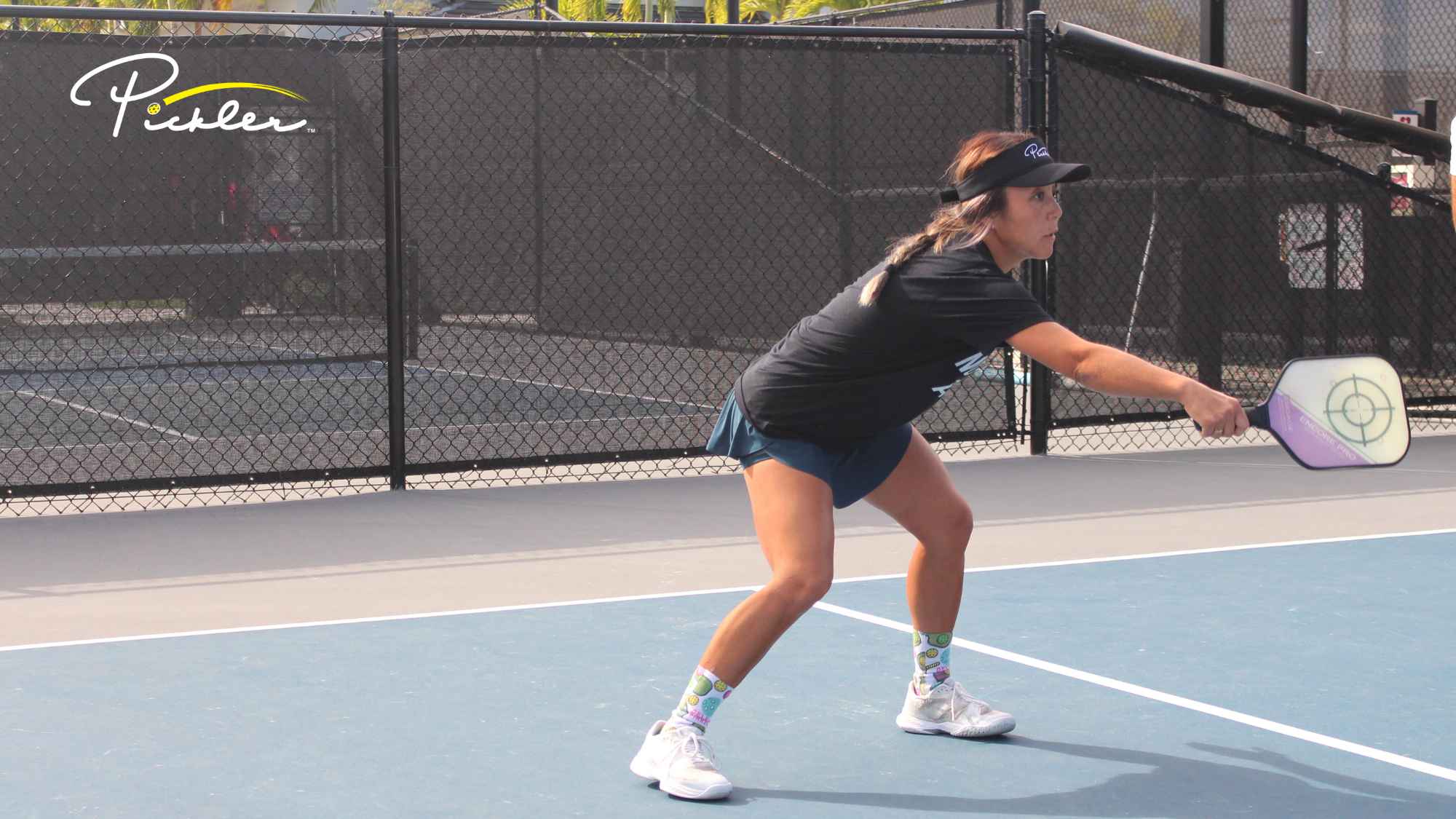
Yes. The official rules let you hold the paddle in either hand and swap during a point. You can even switch hands between shots or mid-rally. There is no rule against it. You must still strike the ball with the paddle and follow all other rules, like kitchen foot faults and serve rules.
Key rule notes I share with players:
- You may use only one paddle during play. Switching hands is fine, switching paddles is not.
- A double hit is legal only if it is one continuous motion by one player. A carry or two hits by partners is a fault.
- You can serve using either hand. You can switch hands before or after the serve too.
So can you switch hands in pickleball and stay within the rules? Yes, and many competitive players do, especially on wide balls and overheads.

When and why switching hands helps
Hand-switching is a tool. Use it for reach, balance, and fast recovery. I coach players to switch hands when the ball pulls far to the non-dominant side and a backhand is late or weak.
Best use cases:
- Wide dinks at the kitchen: Step, switch, and poke a safe cross-court.
- Emergency defense: Stretch with the non-dominant hand on a fast drive.
- Overheads on your backhand side: Switch to hit a strong forehand overhead.
- Singles recovery: When you’re out of position and need a clean forehand.
- Transition zone scrambles: Reduce awkward wrist angles and keep the paddle face stable.
These spots are where can you switch hands in pickleball becomes a real edge. It turns a jammed backhand into a confident forehand.

When you should not switch hands
Switching hands has a cost. You can fumble the grip, lose paddle face control, or get caught mid-swap.
Situations to avoid:
- Routine balls in your strike zone: Your normal backhand is faster and safer.
- Heavy speed-ups at your body: There’s no time to swap; block with a compact backhand.
- Tight hands-battles at the kitchen: Use a simple backhand reset instead of a swap.
- When your footwork can solve it: A quick pivot often beats a risky hand change.
Ask yourself mid-point: can you switch hands in pickleball and still meet the ball in front? If not, skip it.

Switching hands vs alternatives
Before you make switching your go-to move, compare it with other options.
Two-handed backhand
- Pros: Stable paddle face, easy power on drives, great for blocks.
- Cons: Shorter reach at the kitchen, can feel crowded near the body.
Better footwork
- Pros: Keeps your dominant hand ready and your stance balanced.
- Cons: Needs fitness and fast first steps; not always possible on wide balls.
Open-stance backhand roll
- Pros: Quick, simple, ideal for speed-ups and counters.
- Cons: Requires strong wrist and timing.
When deciding, ask: can you switch hands in pickleball here to gain reach without losing time? If yes, switch. If no, use footwork or a two-handed backhand.
How to learn to switch hands safely
Build skill on purpose. Train your non-dominant side like a new sport. Keep drills short and simple.
Five-step progression
- Static toss and catch: Toss the ball to your non-dominant side and catch with the paddle. Do 50 reps.
- Wall taps: Stand 8–10 feet from a wall. Tap forehands with your non-dominant hand, 100 light taps.
- Figure-8 swaps: Hold the paddle. Pass it hand-to-hand in front of your body in a figure-8 motion. 3 sets of 30 seconds.
- Dink-to-switch ladder: Dink five balls with your dominant hand. On the sixth, switch and dink five with the other. Repeat for 5 minutes.
- Live feed drill: Partner feeds wide balls to your backhand side. You decide: pivot backhand or switch. Train the choice, not just the action.
Pro tip: Say “switch” out loud during drills. It wires your brain to commit. This makes can you switch hands in pickleball a reliable skill, not a panic move.

Technique tips for smooth hand changes
Clean swaps come from simple moves. Keep the paddle face square and your hands relaxed.
What to focus on:
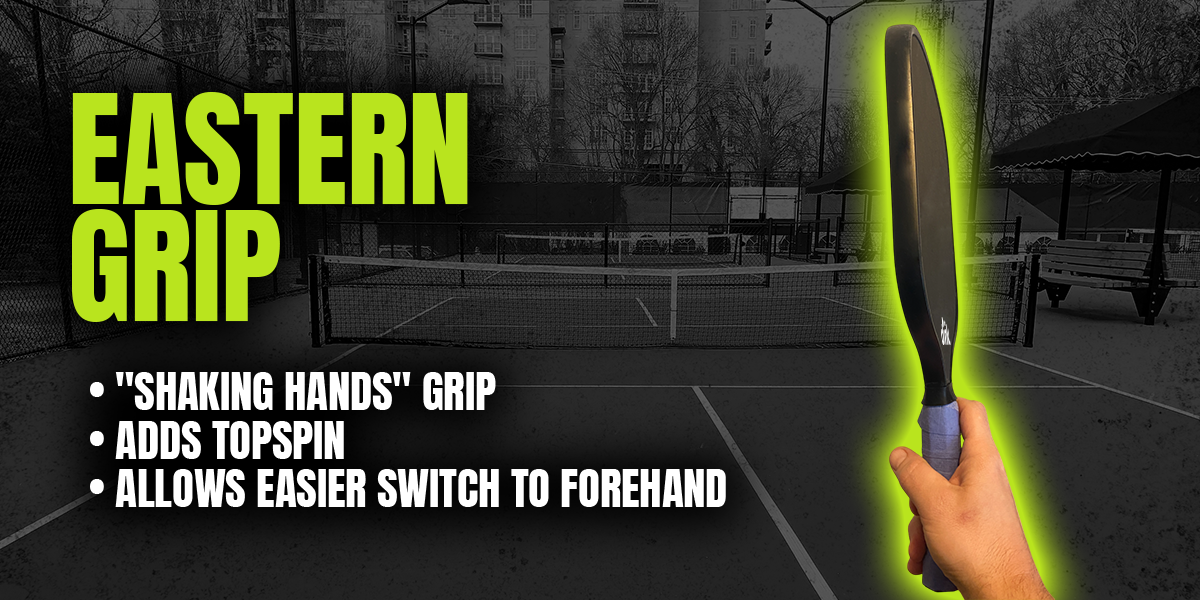
- Grip: Use a neutral grip you can mirror in either hand. A light grip helps fast changes.
- Hand-off zone: Swap in front of your chest, not at your hip. You will fumble less.
- Short backswing: Think “push” not “swing,” especially on dinks and blocks.
- Footwork first: Step, set, then switch. Your feet set the stage for clean contact.
- Eyes on contact: Look at the ball through the paddle face. It calms the swap.
Fast check: can you switch hands in pickleball and keep the paddle face aimed at your target? If yes, you are doing it right.
Strategy for doubles and singles
Doubles
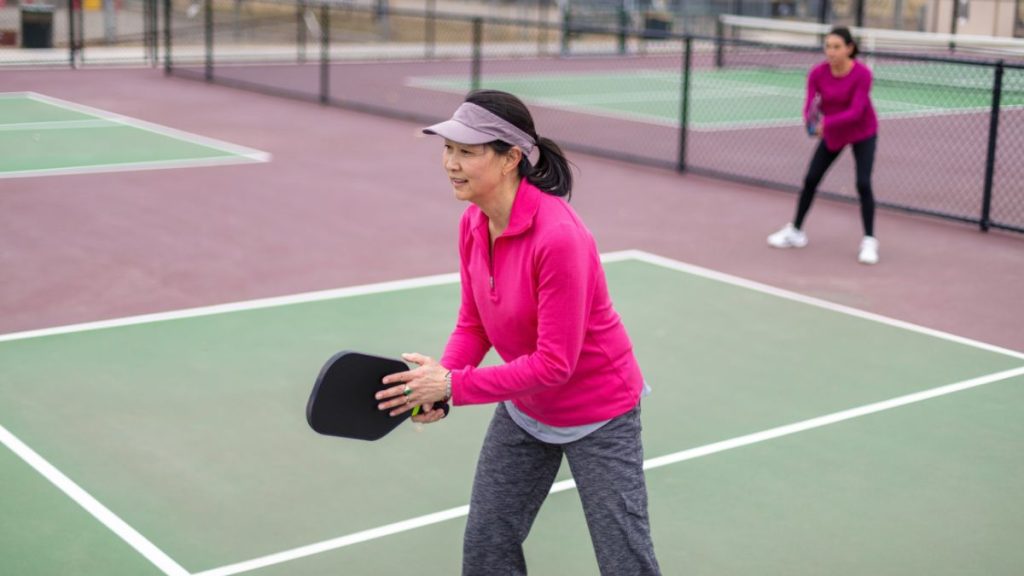
- Switch to protect the middle: On a ball drifting to your backhand hip, a quick swap to a forehand can plug the gap.
- Poach readiness: If you love to poach, a switch can load your forehand for a decisive finish.
- Communicate: Say “mine” early. A late switch without a call confuses partners.
Singles
- Use it for width: Wide serves or angles are easier to attack with a switched forehand.
- Passing shots: A non-dominant forehand gives you cleaner cross-court lanes under pressure.
- Emergency defense: Save points with one extra reach step and a switch.
In both formats, ask: can you switch hands in pickleball and still recover to neutral fast? If yes, you gain time and space.

Gear and injury prevention
Your gear can make switching feel smooth or clunky.
Gear tips
- Weight: A light or midweight paddle (7.5–8.2 oz) swaps faster.
- Grip size: Slightly thinner grips help both hands find a clean hold. Add overgrip if needed.
- Edge guard and shape: A rounded head can feel more forgiving on off-center non-dominant hits.
- Wrist strap: Use it if you fumble paddles. Safety first.
Injury prevention
- Warm up the non-dominant shoulder and forearm with bands for 3–5 minutes.
- Start with short sessions to avoid elbow pain.
- Keep swings compact. Big, late swings cause strain.
Listen to your body. If switching hurts, scale back and build strength first. The goal is confidence and longevity.
Frequently Asked Questions of can you switch hands in pickleball
Is it legal to switch hands during a rally?
Yes. The rules allow you to hold and use the paddle with either hand at any time. You can switch hands mid-point without penalty.
Can I switch hands on the serve?
Yes. You can serve with either hand and change hands between serves or during play. You must still follow all serving rules.
Is switching hands better than a two-handed backhand?
It depends. Switching gives reach and a strong forehand, while a two-handed backhand gives quick blocks and stability. Many players use both based on the ball.
Will switching hands cause more errors?
At first, yes. Fumbles happen when you rush the swap. With drills and a simple hand-off zone, errors drop fast.
Can beginners learn to switch hands?
Absolutely. Start with wall taps and slow dinks using the non-dominant hand. Build choice drills so you decide when to switch or use a backhand.
Does switching hands help at the kitchen line?
Yes, especially on wide dinks and middle balls that jam your backhand. Keep the motion short and push through the ball.
Do pro players switch hands?
Some do in certain spots, especially on overheads or wide balls. Most rely more on footwork and two-handed backhands but will switch when it makes sense.
Conclusion
Switching hands is legal, useful, and smart when used with intent. It adds reach, saves tough balls, and turns weak backhands into strong forehands. Start with simple drills, keep the swap in front of your chest, and choose your moments with care.
Try it in your next session and note two things: where can you switch hands in pickleball to gain reach, and where a quick backhand is better. Want more tips like this? Subscribe for weekly drills, share this with your partner, or drop a question in the comments.