
Yes for a volley serve; no if you use the legal drop serve option.
If you have wondered do you have to serve underhand in pickleball, you are not alone. I coach new and mid-level players every week, and this rule trips people up. In this guide, I break down the official rules, show simple steps, and share game-tested tips so you can serve with confidence.
Do you have to serve underhand in pickleball? The official rule
Short answer with nuance: the volley serve must be underhand; the drop serve does not. That is why people get mixed signals when they ask do you have to serve underhand in pickleball.
Here is what the official rulebook says in plain words:
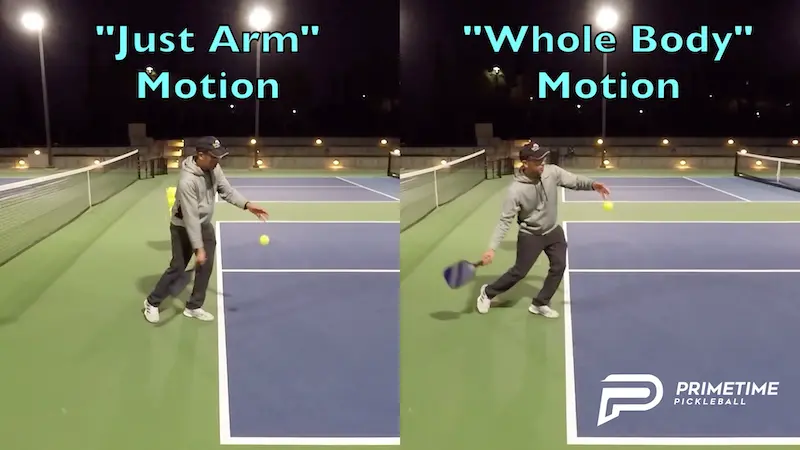
- Volley serve rules. Hit the ball out of the air with an underhand motion. The paddle must move upward. The highest part of the paddle head must be below your wrist at contact. Contact must be below your navel.
- Drop serve rules. Let the ball drop from your hand. Do not toss or propel it up or down. After the bounce, you can hit it with any motion. The “underhand only” test does not apply to a drop serve.
- Feet and lines. At contact, at least one foot is on the ground behind the baseline. Do not touch the baseline or the court. Do not touch outside the sideline or centerline extensions.
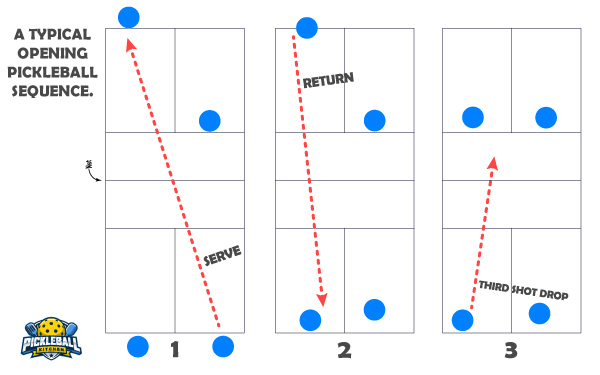
- Target. Serve cross-court into the service box. The serve may not land in the non-volley zone (kitchen). If the serve hits the kitchen line, it is a fault.
So, do you have to serve underhand in pickleball? Yes for a volley serve, no for a drop serve. Pick the style that fits your skill and match plan.
Underhand vs. drop serve: which should you use?
When someone asks do you have to serve underhand in pickleball, I ask back: what is your goal right now? Control or pressure?
- Choose a volley underhand serve if you want pace and a fast rhythm. It helps you drive deep to the backhand.
- Choose a drop serve if you want fewer faults and easy timing. It is great for beginners and for windy days. It also helps if your toss gets called illegal.
My tip from the court: brand-new players often get called for high contact on a volley serve. I start them on the drop serve for one week. Once they find the box ten times in a row, we add the underhand volley serve for pace.
How to perform a legal volley underhand serve
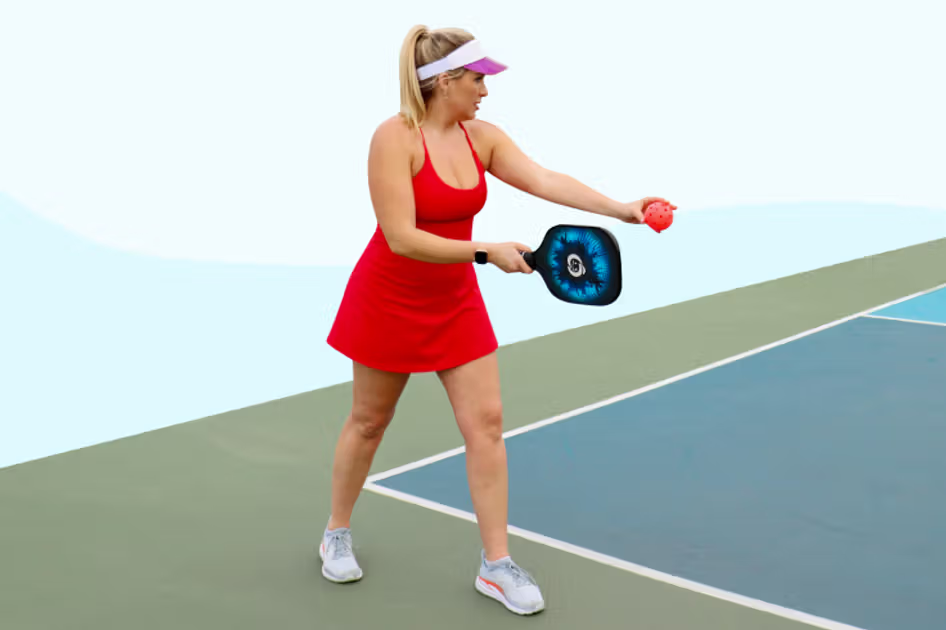
If you wonder do you have to serve underhand in pickleball, this is the classic motion most players mean. Use this simple checklist.
- Grip. Use a relaxed continental grip. Think “shake hands” with the paddle.
- Stance. Square to the baseline. Feet shoulder-width. Ball in your non-paddle hand.
- Contact rules. Paddle moves up. Paddle head stays below the wrist. Strike the ball below your navel.
- Swing. Smooth, low-to-high path. No wrist snap above the ball. Finish toward your target.
- Feet. Keep at least one foot down behind the baseline. Do not touch the court or the baseline at contact.
- Aim. Serve cross-court. Deep to the back third is ideal.
Drill: place two targets in the deep corners. Hit ten serves each side. Score only when the ball lands past the midline of the box.

How to execute a legal drop serve
So, do you have to serve underhand in pickleball? Not with a drop serve. Here is the easy way.
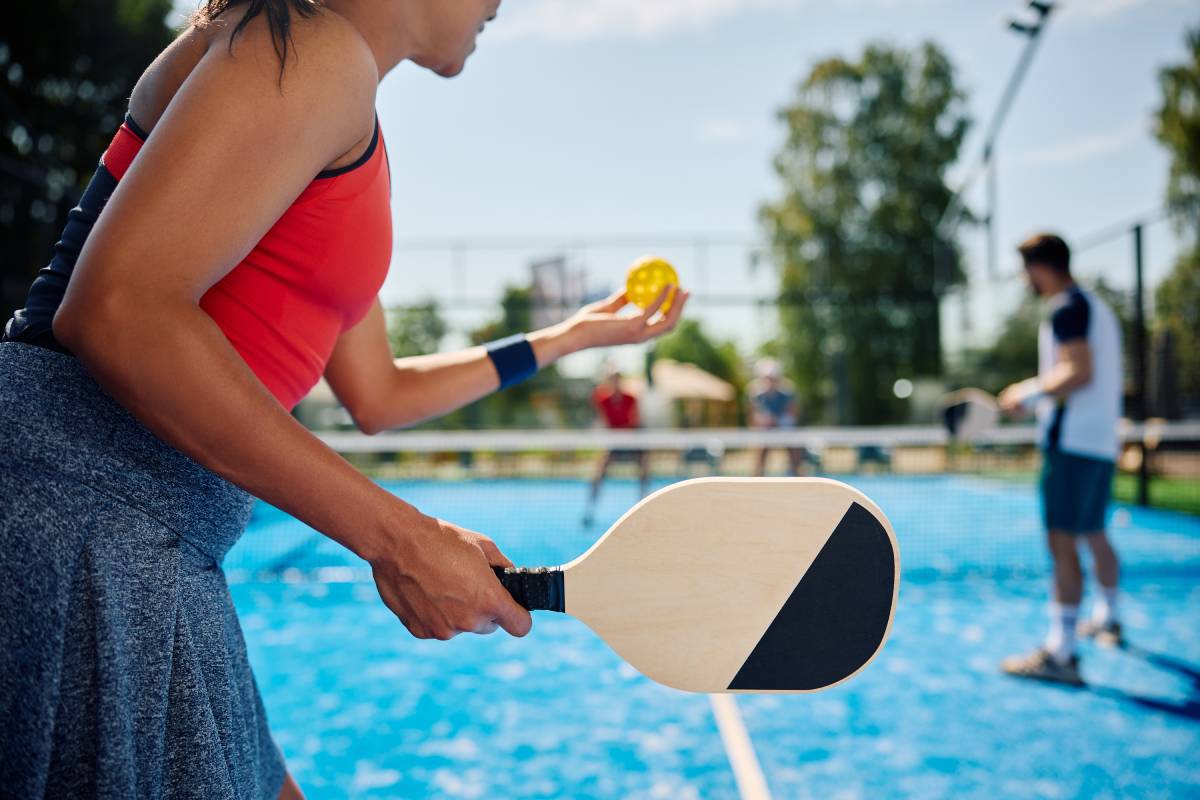
- Hold the ball at a comfortable height. Arm still.
- Release the ball with no force. Do not toss it upward or push it down.
- Let it bounce once. No second bounce.
- Step in with a calm swing. Any swing path is fine after the bounce.
- Keep one foot on the ground behind the baseline at contact. Stay inside the sideline and centerline extensions.
- Aim deep cross-court. Add topspin for shape and control.
Drill: try a metronome at 60 bpm. Release on one, hit on two. This builds a calm rhythm and cleans up foot faults.

Common serving faults to avoid
Many ask, do you have to serve underhand in pickleball during casual play. Yes for a volley serve, and the same lines and target rules still apply. Watch for these faults.
- Contact above the navel on a volley serve.
- Paddle head above the wrist on a volley serve.
- Tossing or propelling the ball on a drop serve.
- Stepping on or over the baseline at contact.
- Hitting the kitchen line on the serve.
- Serving to the wrong box or before the receiver is ready.
Fix it fast: record your serve from the side. Pause at contact. Check three things in order: contact height, paddle head vs. wrist, and foot position.
Strategy: serve placement, spin, and depth
Before you worry about power, ask yourself, do you have to serve underhand in pickleball for your current serve type. Then build a simple plan.
- Depth first. Deep serves push returns short. Aim past the service line by two to three feet.
- Body or backhand. Most rec players miss more on the backhand. Mix in a body serve to jam them.
- Change pace. Soft, then firm. High arc, then a flatter drive.
- Use safe spin. Add topspin to dip the ball late. For the volley serve, keep the motion legal and upward.
Game plan: two deep to backhand, one to the body, repeat. Track errors and adjust each game.

Equipment and stance tips for consistent serves
Grip and setup matter whether you think do you have to serve underhand in pickleball or you use a drop serve.
- Paddle weight. A mid-weight paddle helps control and reduces wobbles on contact.
- Grip pressure. A “4 out of 10” grip is ideal. Too tight adds spray.
- Toss hand. Hold the ball at navel height for a volley serve to cue low contact.
- Pre-serve routine. Bounce the ball once, breathe, pick a target, then go.
Warm-up cue: three slow-motion practice swings before each game. This locks in the low-to-high path.
Rule updates and common myths
The rulebook is updated each year. It answers the core question: do you have to serve underhand in pickleball, and it clarifies the drop serve. Keep these myths straight.
- Myth: “You must serve underhand every time.” Truth: only for a volley serve.
- Myth: “You can toss the ball on a drop serve.” Truth: you must release with no force.
- Myth: “A serve that clips the kitchen line is in.” Truth: it is a fault.
- Myth: “Both feet must be down.” Truth: at least one foot must be down at contact, behind the baseline.
Check the latest rule summary each season before league play.
Real-world lessons from coaching and play
I get asked do you have to serve underhand in pickleball at every clinic. Here is what works in real games.
- New players. Start with a drop serve for ten days. Build a 90% in-rate.
- Intermediates. Add the volley serve for pace once you can place the ball deep.
- Under pressure. Use the drop serve on game point if nerves hit. It cuts unforced faults.
- Windy days. The drop serve helps timing when the ball floats in the air.
My best tip: film five serves each style before and after practice. The quick feedback speeds learning more than any cue I can give.
Frequently Asked Questions of do you have to serve underhand in pickleball
Is an underhand motion always required?
No. The underhand rule applies only to a volley serve struck out of the air. The drop serve does not require an underhand motion.
Where must the serve land?
It must land cross-court in the service box and clear the kitchen. If it touches the kitchen line, it is a fault.
Can I jump on a serve?
You can be airborne before contact, but at contact at least one foot must be on the ground behind the baseline. Do not touch the court or the baseline at contact.
Can I add spin to my serve?
Yes, but follow serve-type rules. Use a legal underhand stroke for a volley serve; the drop serve allows any swing after the bounce.
What is the best serve for beginners?
Start with the drop serve for timing and fewer faults. Move to a volley serve once you can hit deep targets with control.
Conclusion
You now know the rule that guides every serve: the volley serve must be underhand, while the drop serve is more flexible. Choose the style that fits your skill, the wind, and the score. Practice with clear targets, keep your contact low, and build a calm routine.
Take this to the court today. Try ten drop serves, then ten volley serves, and track your in-rate. Want more tips and drills? Subscribe, share this with your partner, or leave a question and I will help you dial it in.