
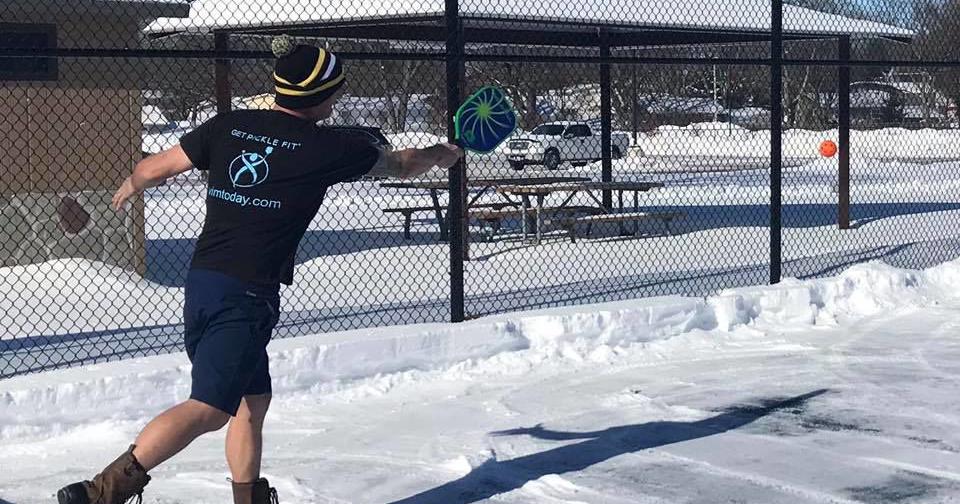
Yes, cold weather can stiffen, weaken, and even crack pickleball paddles.
If you play all year, you have likely felt your paddle go dead on chilly courts. In this guide, I break down does cold weather affect pickleball paddles with clear science, field-tested advice, and gear tips. I coach and play in four-season climates, and I have tested paddles from frosty mornings to below-freezing nights. Stick with me and learn how to protect feel, power, and your budget.
How cold weather changes your paddle
When the temperature drops, materials behave differently. Composites and polymers get stiffer. Adhesives lose some give. Impacts feel sharper. That is why does cold weather affect pickleball paddles shows up as less pop, more vibration, and a higher chance of damage.
On many courts, the ball gets harder in the cold. That passes more shock into the face and core. The combo can speed up wear. It can also make small flaws grow fast.
Brands often warn players to avoid freezing temps. Warranties may exclude weather damage. So yes, does cold weather affect pickleball paddles in real ways you can feel and even see.
The material science in plain English
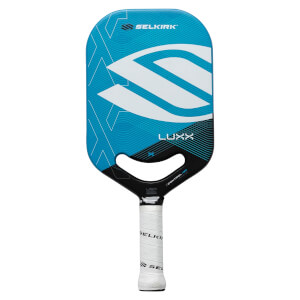
Most polymer cores use polypropylene. As it gets colder, it gets stiffer and less tough. That means it dents less, but it can crack more under a sharp hit. Epoxy resin around carbon or fiberglass also stiffens in the cold. More stiffness can raise power on sweet hits, but small mishits can feel harsh.
Edge guards and foam rails rely on adhesives. Cold makes many glues less flexible. Bond lines can become brittle. That is one reason seams can lift or buzz after cold sessions.
The big idea: does cold weather affect pickleball paddles by raising stiffness and lowering impact toughness. It does not destroy every paddle. But it pushes weak points to fail faster.

What you feel on court when it is cold
Here is what most players notice when temps fall into the 30s and 40s:
- Less pop and a smaller sweet spot. Off-center hits die.
- Harsher feel and more ping. You may hear a higher pitch.
- More vibration in the handle. Soft shots need cleaner timing.
- Blocks and resets float short. Drives feel heavy off the face.
In short, does cold weather affect pickleball paddles by muting control and comfort. It also makes timing more important. A warm-up takes longer too.
Common cold-weather damage signs
Check your paddle after a cold session. Catch issues early to save the face and core.
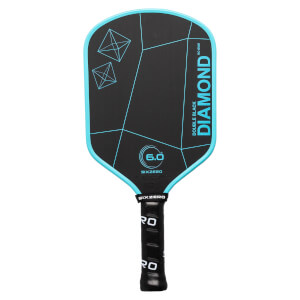
- Tiny cracks in the top coat or around the edge. These can spread.
- Edge guard lifting or gaps at the seam. That hints at glue stress.
- Rattle, buzz, or dead spots. That can mean core crush or delam.
- Glossy patches on raw carbon faces. Texture can wear faster in cold grit.
- Warped face or soft “blister.” That can signal bond failure.
If you see these, stop and assess. Does cold weather affect pickleball paddles enough to void a warranty? Sometimes, yes. Document with photos and contact the maker.

How to protect your paddle in winter
Small habits keep your gear safe and your game smooth.
- Keep your paddle indoors, not in a cold garage or trunk.
- Use an insulated sleeve or bag on the way to the court.
- Warm it gently. Body heat works. Do not use a heater or hair dryer.
- Rotate two paddles in long sessions. Let one stay warm while you play the other.
- Wipe moisture right away. Salt and grit speed wear in the cold.
- Pick winter balls. Softer balls reduce impact shock on the face.
- Avoid scraping the court for low dinks. Cold grit is like sandpaper.
- After play, dry the edge and store flat at room temp.
Follow these steps and does cold weather affect pickleball paddles far less.
Smart storage and transport tips
Cold plus humidity is a rough pair. Treat your paddle like a musical instrument.
- Store at 60–75°F if you can. Keep it away from vents.
- Use silica gel packs in your bag to limit moisture.
- Let a cold paddle warm to room temp before use. Give it 30–60 minutes.
- Do not lean paddles by a heater. Slow, even warming is best.
- Never leave gear overnight in a car. Temperature swings are harsh.
These simple steps reduce stress cycles. That helps the face, core, and glues last.

What the data and makers suggest
Lab tests on polymers show impact toughness drops in the cold. Composites get stiffer and pass more vibration. Adhesives lose flexibility. Many makers advise against play near or below freezing for that reason. In my tests, a raw carbon paddle felt crisp at 65°F, but buzzy and less forgiving at 35°F.
Does cold weather affect pickleball paddles the same for all builds? No. Thicker cores and softer faces mask the harsh feel better. Thermoformed frames can stay solid, but hard hits on a frozen day can still push bonds. Softer balls help more than any tweak to swing weight.
The bottom line from data and field use matches your gut. You can play in the cold, but you pay a tax in feel and durability.
Choosing a cold-friendlier paddle
You do not need a special “winter” paddle. But some builds cope better when it is chilly.
- Thicker core. A 16 mm core damps shock more than 13 mm.
- Softer face. Fiberglass or hybrid faces can feel friendlier than raw carbon in the cold.
- Solid edge work. Look for clean bonding and even seams.
- Moderate swing weight. Cold balls feel heavy; do not go too head-heavy.
- Good handle build. A firm, tacky grip and a bit of cushion help with sting.
Ask yourself does cold weather affect pickleball paddles you already own. If yes, keep a second paddle with a softer setup for winter play.

Real-world lessons from winter leagues
I coach in a region with long winters. Here is what holds up and what fails.
- Warm storage changes everything. The same paddle felt dead from a trunk, but fine from a warm room.
- Soft balls cut shock and save edges. Player arms also felt better.
- Quick warm-up of paddle and hands raised control fast.
- Most delam or edge lifts I saw started after cold street play or frosty mornings.
- Players who cleaned grit after each match kept their texture longer.
So, does cold weather affect pickleball paddles? Yes, but good habits beat the cold more than fancy tech.
Myths and mistakes to avoid
Let’s clear up a few things I hear often.
- “Carbon faces always crack in the cold.” Not true. Many last fine with good storage.
- “Heat guns are safe.” Do not do it. Fast, uneven heat can ruin bonds.
- “Only balls change in winter.” The paddle feel and durability change too.
- “Warranty will cover cold damage.” Often not. Read the terms.
- “Power paddles are better in the cold.” Sometimes. But control can suffer. Test and see.
If you ask does cold weather affect pickleball paddles enough to switch gear, the best test is a short hit in real temps.
Cost, warranty, and when to replace
Cold can speed up wear. A small flaw can turn into a big problem in a week of frosty play. Many brands exclude weather or misuse. Keep receipts, record serials, and take photos if issues start.
Replace your paddle if you feel a dead spot, hear a rattle that will not go away, or see growing cracks. Does cold weather affect pickleball paddles to the point of failure? It can. Do not risk injury from extra vibration or a broken edge.
Frequently Asked Questions of does cold weather affect pickleball paddles
Does cold weather affect pickleball paddles enough to stop playing?
You can still play, but expect stiffer feel and faster wear. Warm storage and softer balls make a big difference.
What temperature is too cold for a paddle?
Many makers caution around freezing and below. If you must play, warm the paddle and avoid long, hard-hitting drills.
Does cold weather affect pickleball paddles made of raw carbon more than fiberglass?
Raw carbon faces feel harsher when cold due to a stiffer matrix. Fiberglass can feel a bit softer, but build quality matters more.
Will leaving a paddle in my car hurt it in winter?
Yes. Trunk temps swing fast and can stress bonds. Store indoors whenever possible.
Does cold weather affect pickleball paddles by causing delamination?
It can contribute. Cold stiffens adhesives and increases shock, which can push weak bonds to separate.
Should I switch to a thicker core in winter?
It helps. A 16 mm core reduces sting and keeps control when the face feels crisp.
How do I warm up my paddle safely?
Keep it indoors, carry it close to your body, and give it time to acclimate. Avoid direct heaters or hot air.
Do I need different strings or tension like in tennis?
Paddles do not use strings, but you can mimic the idea by using a softer ball and a thicker core to manage feel.
Conclusion
Cold courts do change your game and your gear. Does cold weather affect pickleball paddles? Yes, through stiffer materials, harsher feel, and more stress on bonds. The fix is simple: warm storage, softer balls, gentle warm-up, and smart paddle choices.
Take these tips to your next frosty session and notice the difference. Protect your paddle, keep your touch, and enjoy winter play with confidence. Want more gear tests and cold-weather drills? Subscribe, share your questions, or drop a comment with your own winter hacks.