A standard pickleball is 2.87 to 2.97 inches in diameter and weighs 0.78 to 0.935 ounces.
If you’ve ever wondered how big is a pickleball and why that size matters, you’re in the right place. I’ve tested dozens of balls across gyms, windy courts, and tournament play. In this guide, I break down how big is a pickleball, how it’s measured, and how small changes in size affect speed, control, and fun. Stick around to learn what the official spec means for your game and gear.
Official pickleball size and specifications
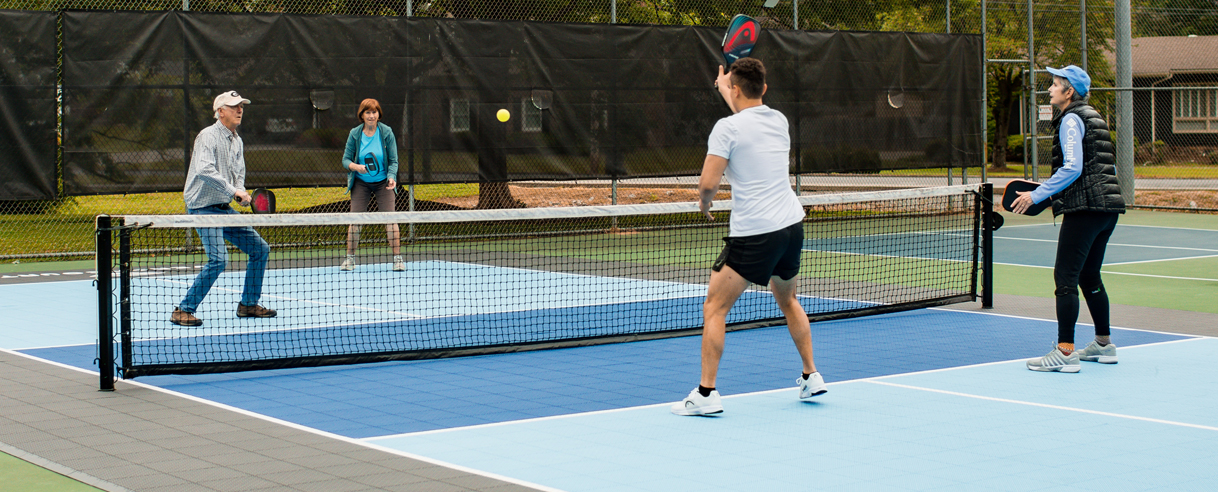
The official rules from USA Pickleball lay out clear ball standards. These rules answer how big is a pickleball and ensure fair play from backyard rallies to tournaments.
- Diameter range is 2.87 to 2.97 inches.
- Weight range is 0.78 to 0.935 ounces.
- Bounce should be 30 to 34 inches when dropped from 78 inches on a hard surface at about 75 to 80°F.
- The ball must be made of smooth, durable plastic with a uniform color.
- It has between 26 and 40 circular holes that are evenly spaced.
When players ask how big is a pickleball, the short answer is simple. It’s slightly smaller than a baseball and lighter than you think. This tight spec keeps play consistent across brands and courts.

Why size matters on the court
Size is not just a number. It shapes the feel of every shot. When you ask how big is a pickleball, think about how that size influences play.
- Control. A ball at the smaller end of the range can feel slightly faster. It can also skid more.
- Spin. Surface finish and hole pattern work with size to change spin response.
- Speed. A ball within spec but with tighter holes may cut the air better outdoors.
- Consistency. Size consistency means fair rallies, honest bounces, and fewer surprises.
I learned this the hard way during a windy league night. Two balls looked similar. One was just a hair larger and softer. It floated, sat up on dinks, and messed with timing. Knowing how big is a pickleball helps you pick the right ball for the day.

Indoor vs outdoor balls and hole patterns
Both indoor and outdoor balls meet the same size rules. But they feel different due to hole count and wall thickness. This is key when comparing how big is a pickleball across use cases.
- Indoor balls usually have 26 larger holes. They grip wood floors better and move slower.
- Outdoor balls usually have 40 smaller holes. They cut wind better and feel firmer.
- Outdoor balls often feel harder. That gives a quicker pace and a lower bounce.
On a slick gym floor, I prefer an indoor model with larger holes. It helps the ball grab the surface and keeps points clean. When someone asks how big is a pickleball for indoor play, I say the size is the same, but the hole pattern is the secret sauce.

Measuring a pickleball at home
You can check how big is a pickleball with a few simple tools. This avoids surprises in league play.
- Use a digital caliper. Measure diameter across several angles. Check for roundness.
- Use a soft tape. Wrap around the ball to estimate circumference. Expect about 9.0 to 9.33 inches.
- Use a kitchen scale. Confirm weight is within 0.78 to 0.935 ounces.
- Bounce test. Drop from 78 inches on a hard floor. Aim for a 30 to 34 inch bounce.
I carry a cheap caliper in my gear bag for tournaments. It takes 10 seconds and saves arguments. When the match is on the line, how big is a pickleball becomes a real factor, not trivia.
Size compared to other sports balls
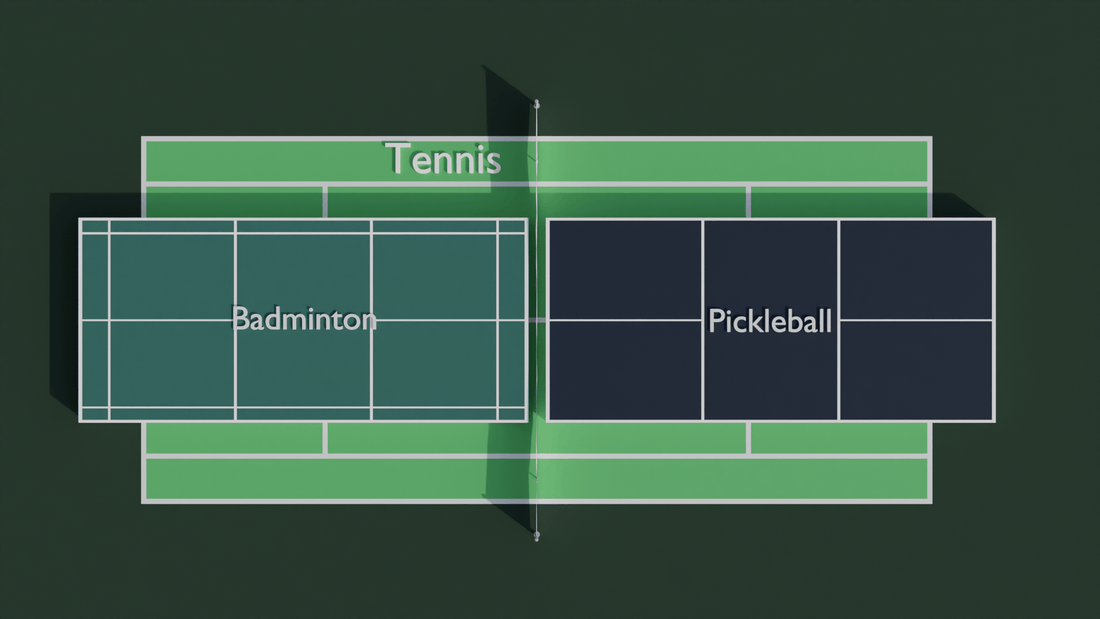
It helps to compare sizes you already know. Many players ask how big is a pickleball compared to a tennis ball.
- Tennis ball. About 2.57 to 2.70 inches in diameter. Slightly smaller but heavier, with felt.
- Baseball. About 2.86 to 2.94 inches. Very close in size, but much heavier and solid.
- Wiffle ball. Varies, but often around 2.75 to 3.25 inches. Similar vibe, different plastics.
- Table tennis ball. About 1.57 inches. Far smaller and much lighter.
These quick checks give context. When you hear how big is a pickleball, picture a baseball, then think lighter with holes.

Tolerances, quality, and when to replace your ball
Not all balls age the same. Heat, cold, and rough courts take a toll. You may ask how big is a pickleball after a few hours of play and find it no longer holds its shape.
- Signs it is time to replace
- Warped shape or uneven bounce
- Cracks around holes or along the seam
- Dull, chalky surface that scuffs fast
- Bounce drops below range in normal temps
- Keep a fresh set in your bag for league nights.
In one weekend event, I rotated balls every two matches. It kept bounce honest and spin clean. When people argue during changeovers about how big is a pickleball, it is often a worn ball causing the odd bounces.
Buying guide based on conditions and skill
Choosing the right ball can lift your game. Size is fixed by the rules, but feel varies. Here is how I answer how big is a pickleball when shoppers want a simple plan.
- Cold weather
- Pick a ball that stays lively in low temps.
- Store balls indoors before play.
- Hot weather
- Harder balls soften in heat. Bring a backup set.
- Windy courts
- Outdoor models with 40 smaller holes cut wind better.
- Beginner to intermediate
- Pick a durable, approved ball that feels a touch softer. It helps learning.
- Tournament prep
- Practice with the same model used at your event.
Ask your club which brand they use. Then match it in practice. You will not need to ask how big is a pickleball mid match if your practice ball mirrors your match ball.

Care, storage, and temperature effects
Care extends the life of your gear. It also keeps size and bounce within the right range. I often hear how big is a pickleball after it sat in a hot trunk all week. Heat can change performance fast.
- Store at room temperature. Avoid hot cars and freezing garages.
- Keep balls in a vented bag. Dry them after wet play.
- Rotate sets. Do not burn through one ball in every practice.
- Check bounce monthly. Replace sets that drop outside the range.
Good habits save money and stop weird bounces. When you manage storage, the question how big is a pickleball stays simple because your balls stay within spec.

Advanced insight for coaches and gear nerds
If you coach or string paddles, you know small details matter. The phrase how big is a pickleball shows up in gear talks, player clinics, and event planning.
- Hole geometry shifts aerodynamics. Two balls with the same size can fly different.
- Wall thickness affects sound and feel. Firmer walls give a sharper pop.
- Roundness and seam quality impact spin. Cleaner seams mean more reliable contact.
- Approved lists change. Check the latest approved balls before events.
I run a simple clinic drill. Players warm up, then switch between two approved balls. We log notes on pace, flight, and bounce. The group sees how big is a pickleball is fixed, yet design choices shape real play.
Frequently Asked Questions of how big is a pickleball
What is the official diameter of a pickleball?
The official diameter is 2.87 to 2.97 inches. This tight range keeps play fair across brands and courts.
How much does a pickleball weigh?
It weighs 0.78 to 0.935 ounces. If a ball feels too heavy or light, it may be out of spec or worn.
Are indoor and outdoor pickleballs the same size?
Yes, they follow the same size rules. Differences you feel come from hole count, wall thickness, and firmness.
How big is a pickleball compared to a tennis ball?
A pickleball is roughly the same size as a tennis ball but feels lighter. The plastic shell and holes change the flight and bounce.
How can I check if my ball is within size limits?
Use a caliper for diameter and a kitchen scale for weight. A simple bounce test from 78 inches should land between 30 and 34 inches.
Does temperature change how big is a pickleball?
The size spec stays the same, but heat softens plastic and cold makes it brittle. That affects bounce and feel during play.
What is the circumference of a pickleball?
It is about 9.0 to 9.33 inches. Circumference varies slightly within the allowed diameter range.
Conclusion
You now know how big is a pickleball and why that precise size matters. The official range is narrow, but design choices and conditions change how the ball flies, spins, and bounces. Pick the right model for your court, test your gear, and store it well.
Ready to level up? Try two approved balls side by side this week and note the differences. If this guide helped, share it with your doubles partner, subscribe for more tips, or leave a question so I can help you dial in your setup.