
You keep score with side-out scoring: only servers score, games to 11, win by 2.
Whether you are new or leveling up, knowing how do you keep score in pickleball unlocks smoother games and fewer disputes. I coach beginners and league players, and I’ll walk you through doubles, singles, score calls, and real-life examples. By the end, how do you keep score in pickleball will feel easy, natural, and repeatable, even under pressure.

The Basics: Official Pickleball Scoring at a Glance
Pickleball uses side-out scoring in standard play. Only the serving team can score a point. Games are usually to 11, and you must win by 2. Some tournament games go to 15 or 21, still win by 2.
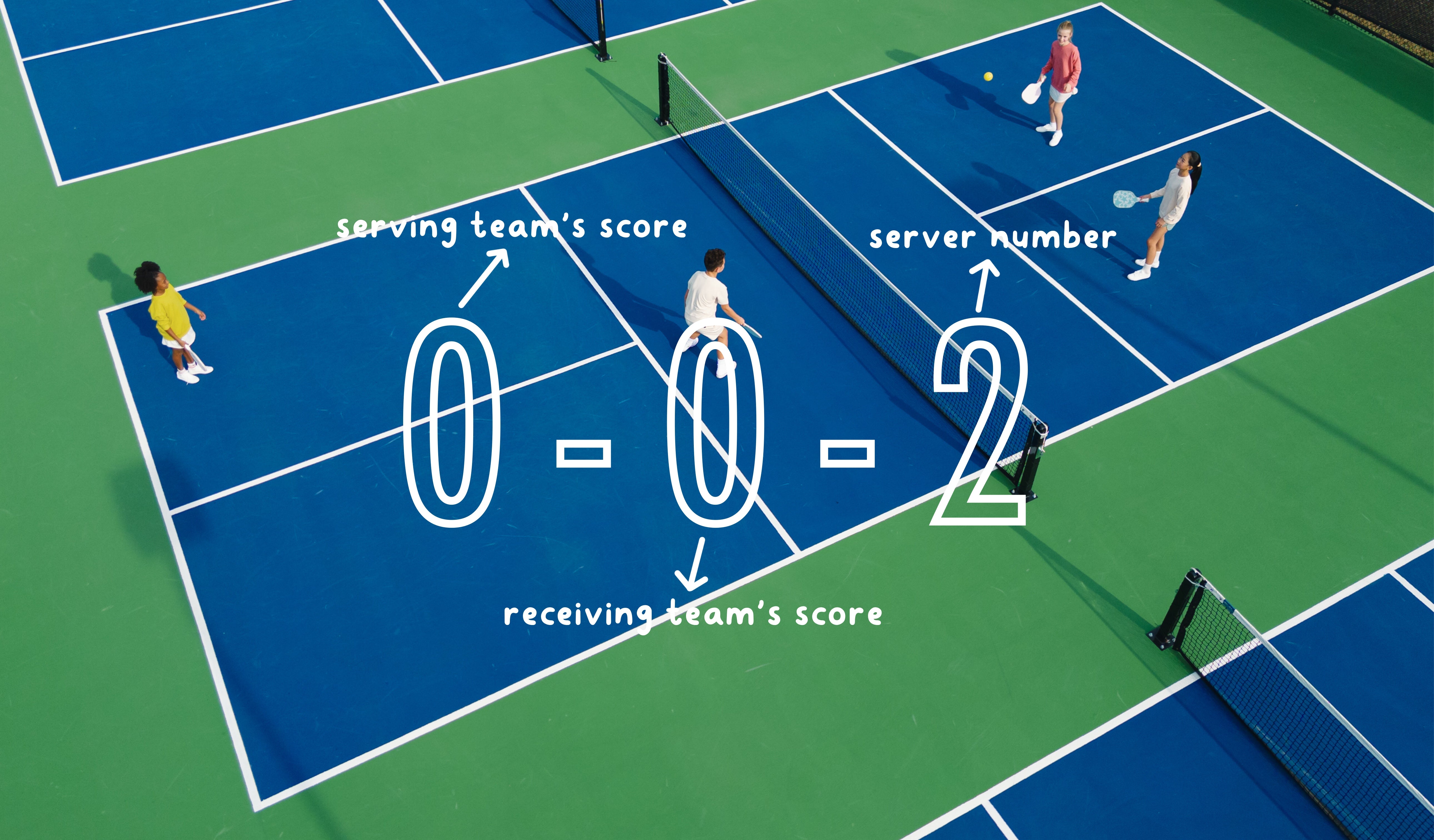
At the start of a doubles game, the score is 0-0-2. That last number means the serving team begins with the second server to reduce the first-serve advantage. If you ask how do you keep score in pickleball at the start, remember this tiny twist.
Key ideas to anchor:
- The server calls the score before every serve.
- The score call in doubles has three numbers: server score, receiver score, server number.
- In singles, the score call has two numbers: server score, receiver score.
- There are no service lets. If your serve clips the net and lands in, play on.

Doubles Scoring Explained Step by Step
Doubles uses three numbers in the score call: server score, receiver score, server number (1 or 2). Server number resets each time a team wins the serve back. The first rally starts at 0-0-2, so your team gets only one server before a side-out on the first turn.
Here is how the serving rotation works:
- Player on the right serves first for their team.
- If the serving team wins a rally, they score a point and the same server switches sides and serves again.
- If the serving team loses a rally, serve goes to that team’s second server.
- If the second server loses a rally, it is a side-out. The other team serves, starting with the player on the right.
How do you keep score in pickleball during doubles without getting lost? Speak the score aloud every time, and track server number with a simple finger cue. I teach new players to touch a paddle edge with one finger for Server 1 and two fingers for Server 2. It sounds silly, but pressure makes memory fuzzy.
Examples of correct calls:
- 3-2-1 means server’s team has 3, receivers have 2, first server is serving.
- 7-5-2 means server’s team has 7, receivers have 5, second server is serving.
Singles Scoring Made Simple
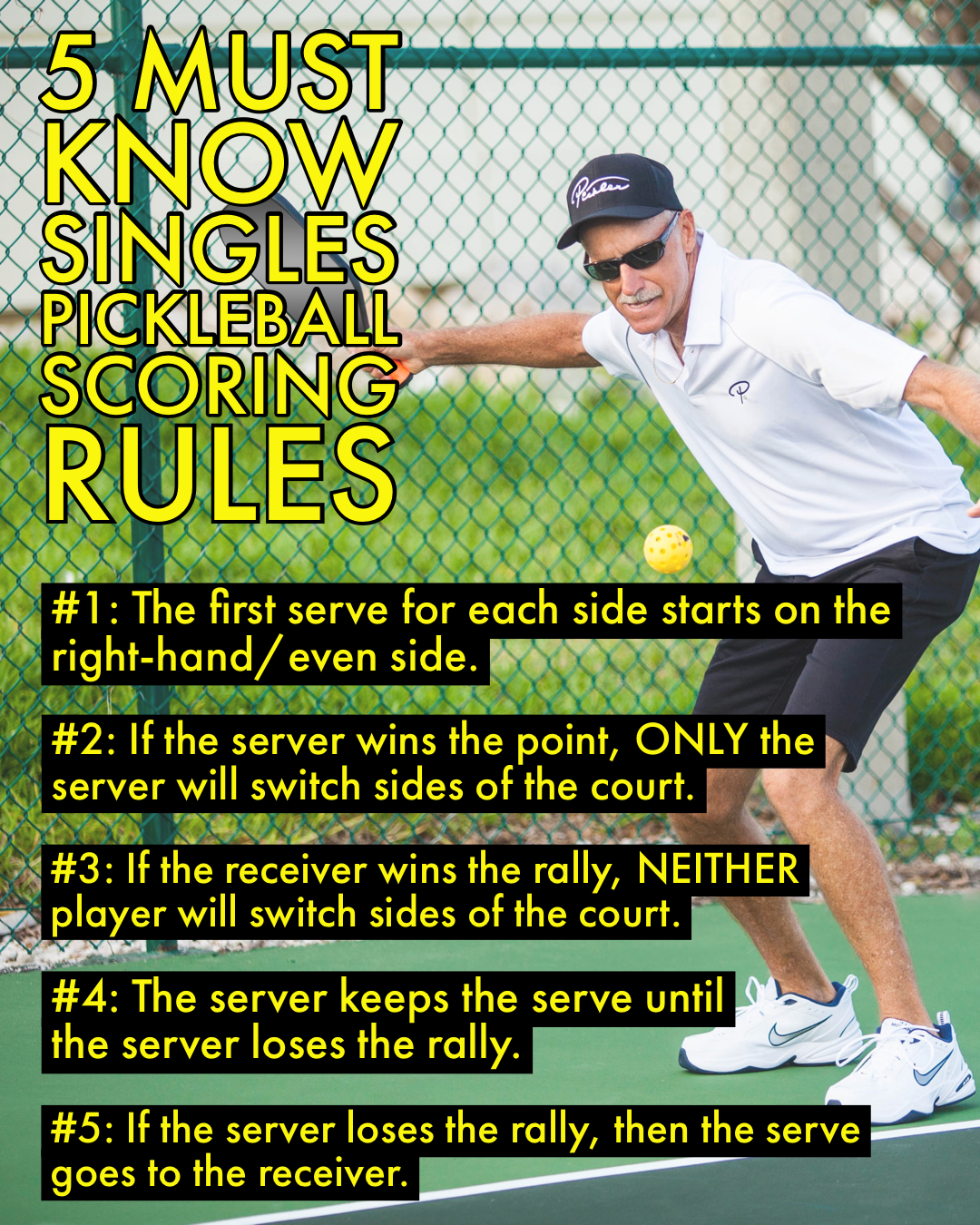
Singles drops the server number. You call only two numbers: server score first, then receiver score. If your score is even, serve from the right. If your score is odd, serve from the left.
If the server wins the rally, they score a point and switch sides. If the server loses the rally, it is a side-out and the opponent serves. If you wonder how do you keep score in pickleball in singles, think even-right, odd-left, and call your score first every time.
How to Call the Score Properly
Call the score before you serve the ball. In doubles, say server score, receiver score, server number. In singles, say server score, receiver score. Speak it loud and clear so everyone hears.
If you or your opponent believe the score is wrong, stop play before the return of serve. Ask to confirm or correct it. If the rally has already started, finish the point, then fix the score. A strong score call is the best answer to how do you keep score in pickleball without confusion.
Sample doubles calls:
- 0-0-2 at the start of the game.
- 6-3-1 before first server on your team serves.
- 9-7-2 when your partner is the second server.
Common Faults and What Happens to the Score
When the serving team commits a fault, they do not score. The serve moves to the second server, or if it was the second server, it becomes a side-out. When the receiving team commits a fault, the serving team scores a point.
Typical faults to know:
- Serve lands out, into the net, or in the non-volley zone.
- Return of serve is out or into the net.
- Non-volley zone (kitchen) fault on a volley.
- Foot fault on the serve or stepping on the baseline during contact.
- Volleying before the ball has bounced once on each side after the serve (the two-bounce rule).
For anyone asking how do you keep score in pickleball when a fault happens, the rule is simple. A receiving error means point to the server. A serving error means loss of serve or side-out.

Rally Scoring vs. Traditional Scoring
Traditional play uses side-out scoring. Some leagues or team formats use rally scoring, where every rally earns a point, no matter who served. Rally scoring games often go to a higher number, like 15 or 21, and may add “freeze” rules near the end.
Rally scoring speeds up play and shortens games. Side-out scoring rewards strong serving and strategy. If a friend asks how do you keep score in pickleball with rally scoring, the short answer is every rally counts, but always follow the event’s posted rules.

Real-Life Examples and Scoring Walkthroughs
Walkthrough for doubles:
- Start: 0-0-2. Server A on the right serves. They win the rally. Score is 1-0-2. Server A switches sides and serves again.
- Next rally is lost. Still same service turn, but now second server. Call 1-0-2 if the team won a point before, or 0-0-2 if not.
- Second server serves and wins the rally. Score becomes 2-0-2. Second server switches sides and serves again.
- Second server loses the next rally. Side-out. The other team starts with the right-side player.
Singles snapshot:
- 0-0. Server serves from the right. Wins rally. Score is 1-0, serve from the left.
- Loses next rally. Side-out. Now opponent serves 0-1 from the right because their score is even.
These small reps cement how do you keep score in pickleball in real games. Say the score before you serve, and your brain will stay one step ahead.
Tips to Remember the Score Every Rally
I used to keep a tiny wristband on my serving arm. If the band was on, I knew I was serving first for our team. That small cue stopped so many mid-point arguments.
Try these simple aids:
- Use even-right, odd-left to track where you should stand before serving.
- Tap your paddle once for Server 1 and twice for Server 2 in doubles.
- Repeat the score twice out loud before the serve to lock it in.
- If you forget, ask for a quick score check before you serve.
- Use a pocket counter or a free scoreboard app when you drill.
These habits solve the daily question of how do you keep score in pickleball under stress. They also help new partners sync faster.
Frequently Asked Questions of how do you keep score in pickleball
What is the starting score in doubles?
It starts at 0-0-2. The 2 means the serving team begins with the second server for that first service turn.
How many points do you play to in a standard game?
Most games go to 11, win by 2. Some events use 15 or 21, win by 2.
Do you get a point if you win a rally while receiving?
Not in traditional side-out scoring. Only the serving team can score a point.
How do you keep score in pickleball when switching sides?
In doubles, the serving team switches sides after scoring a point. The receiving team stays in place until they win the serve.
How do you keep score in pickleball if the score was called wrong?
Stop play before the return of serve to correct it. If play continues, complete the rally, then fix the score for the next serve.
Is there a let serve in pickleball?
No. If the ball hits the net and lands in the correct service box, it is live. Play the ball.
Conclusion
You now know the core system: side-out scoring, clear score calls, and smart rotation. Keep the three-number call in doubles, use even-right and odd-left in singles, and speak the score before every serve. Small habits make scoring second nature.
Take this to the court today. Drill a short game and practice the calls out loud. If this helped, share it with your playing group, subscribe for more guides, or leave a comment with your own scoring tips.