Match paddle weight, core, face, grip, and shape to your play style.
If you want to know how do you pick best pickleball paddle, you are in the right spot. I test paddles weekly, teach new players, and track what really helps wins. In this guide, I break down the parts, the feel, and the fit. You will learn clear steps to find your perfect match. By the end, you will know how do you pick best pickleball paddle with confidence and zero guesswork.
What Makes a Paddle “Best” For You
There is no single best paddle. The best one is the best for you. Your game, your body, and your goals all matter.
Think about these five pillars.
- Power. How easy you hit deep and fast.
- Control. How easy you place soft and short shots.
- Spin. How well the ball bites on the face.
- Forgiveness. How good off center hits feel.
- Feel. The sound, touch, and feedback you like.
Ask a few key questions.
- Do you want more pop on serves and drives.
- Do you value soft hands at the kitchen.
- Do you have elbow pain or wrist pain.
- What is your budget today.
If you wonder how do you pick best pickleball paddle, start with your goals. Power first players need a stiff face and mid to heavy weight. Control first players need a thicker core and softer layup. Add spin if you hit heavy topspin or slice.
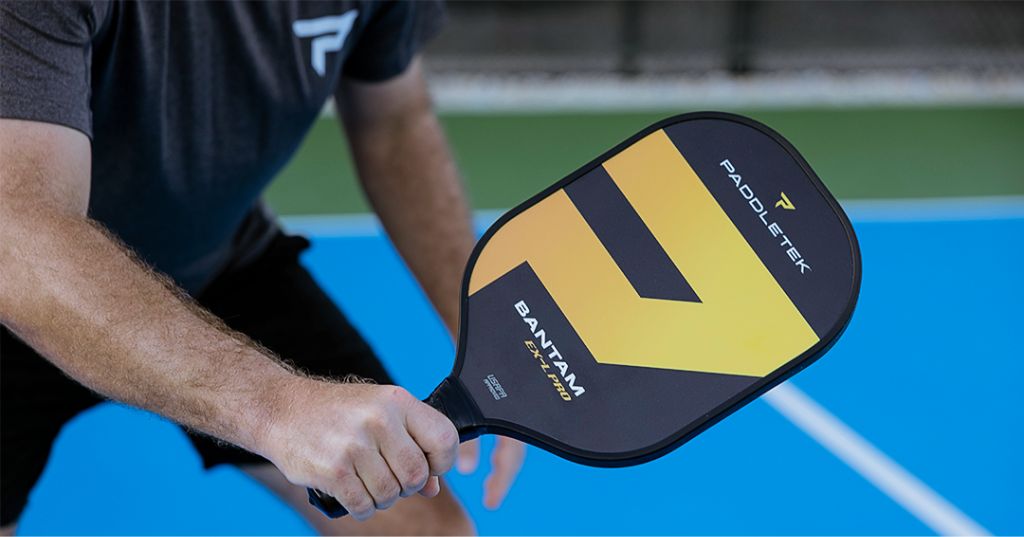
Paddle Anatomy 101: Core, Face, Shape, Weight, Grip
Know the parts. Then you can pick with ease.
Core types
- Polymer honeycomb. Most common. Good power and a quiet feel.
- Nomex honeycomb. Very firm and loud. High pop. Less dwell time.
- Aluminum honeycomb. Light and soft. Less power. Good touch.
Core thickness
- 13 millimeter. More pop and speed. Less dwell and forgiveness.
- 16 to 20 millimeter. More control and stability. Softer feel.
Face materials
- Raw carbon fiber. Great spin and control. Durable texture.
- Fiberglass. Lively and powerful. Good pop. Less spin than raw carbon.
- Graphite or hybrid. Light and quick. Balanced feel.
Shape
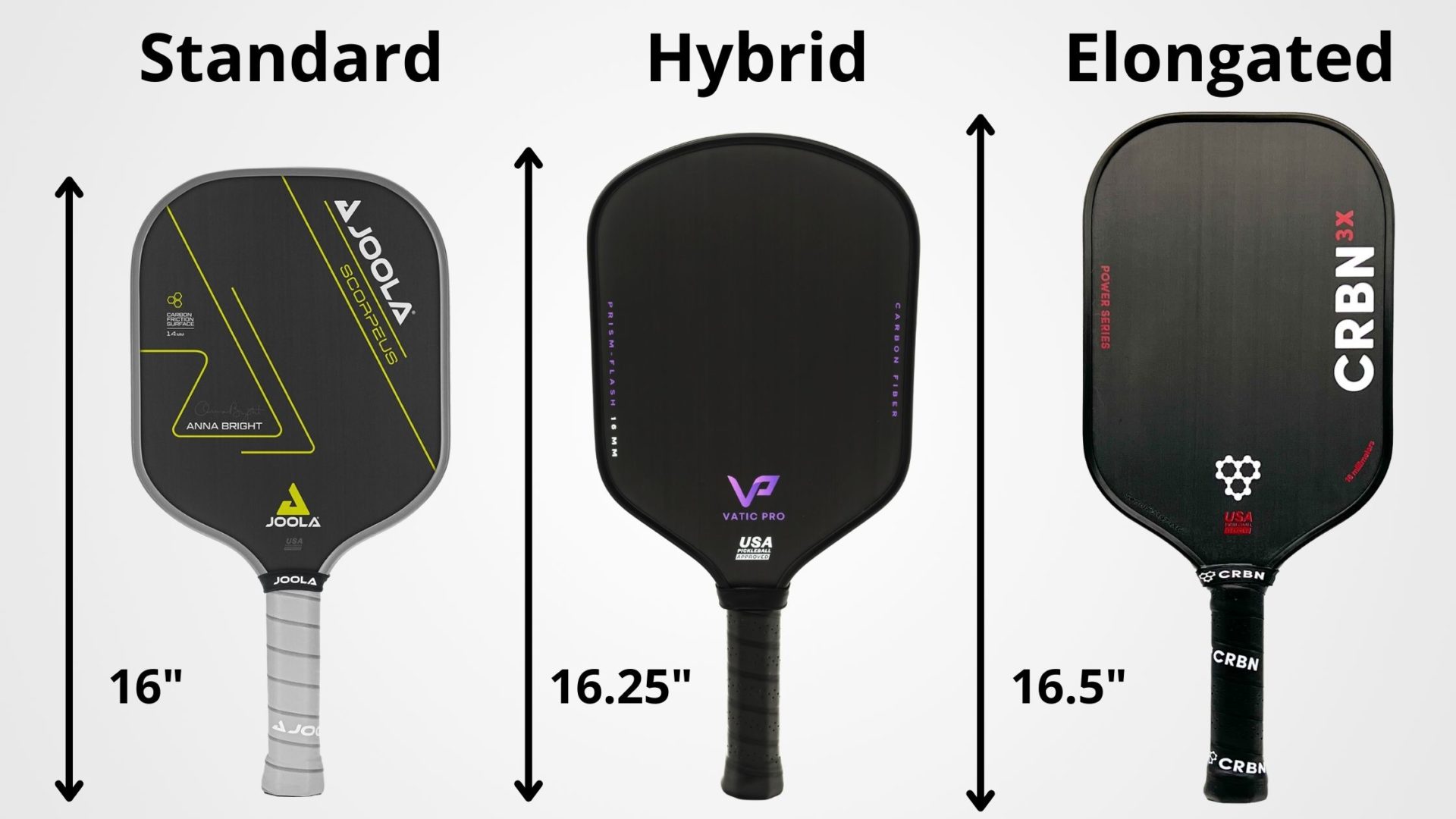
- Standard. About 16 inches long. Balanced reach and sweet spot.
- Elongated. Up to 17 inches long. More reach and power. Smaller sweet spot.
- Widebody. Wider face. Big sweet spot. Good for beginners.
- Edgeless. Clean feel. Less edge guard bulk. Needs careful care.
Weight and balance
- Light. Under 7.7 ounces. Fast at the net. Less plow through.
- Midweight. About 7.8 to 8.4 ounces. Best all around.
- Heavy. Over 8.5 ounces. Stable and powerful. Can stress the arm.
Grip size and length
- Circumference. 4 to 4.5 inches. Small hands like smaller grips.
- Length. 5.0 to 6.5 inches. Two hand backhands like longer grips.
Rules and limits you should know
- USA Pickleball sets size rules. Length plus width cannot pass 24 inches.
- Max length is 17 inches. No limits on thickness.
- Surface roughness is capped. That keeps spin fair.
If you ask how do you pick best pickleball paddle by parts, match each part to your needs. Do not chase hype. Use facts and fit.
Power vs Control vs Spin: Pick by Play Style
Your style guides your pick. Here is a simple map.
If you play fast and attack
– Choose a raw or thermoformed carbon face.
- Use 13 to 16 millimeter cores for pop.
- Pick mid to heavy weight for plow.
- Elongated shapes add reach on counters.
If you love dinks and soft drops
- Choose 16 to 20 millimeter cores.
- Use raw carbon for grab and dwell.
- Standard or widebody shape boosts the sweet spot.
- Midweight is best for most hands.
If you rely on spin and angles
- Choose raw carbon with high quality weave.
- Use a midweight frame for fast whip.
- Slightly longer handle helps heavy topspin.
If you have arm pain
- Go midweight with head light balance.
- Choose softer, thicker cores.
- Add one or two overgrips to grow grip size.
- Avoid very stiff, very heavy builds.
This is how do you pick best pickleball paddle for your style. Define the style. Then follow the map. Keep it simple.
Test Like a Pro: A 10-Minute Court Checklist
A quick test beats a long spec sheet. Use this court plan.
Warm up feel
- Bounce balls on the face. Listen for pitch and feel.
- Tap the rim and face. Note dead spots.
Soft game
- Dink cross court for one minute. Check height control.
- Drop from mid court and baseline. Watch arc and depth.
Speed ups and counters
- Volley to a partner at the kitchen. Vary pace.
- Block hard drives. Check twist and stability.
Ground strokes and serves
- Hit topspin drives and slices. Judge spin and shape.
- Serve ten balls. Note depth and kick.
Third shot and resets
- Hit ten third shot drops. Count how many land soft.
- Reset from the transition zone under fire.
Score your test
- Power. 1 to 5.
- Control. 1 to 5.
- Spin. 1 to 5.
- Forgiveness. 1 to 5.
- Comfort. 1 to 5.
If you wonder how do you pick best pickleball paddle in a store, this is your path. Bring two or three paddles. Run the test. Pick the one with the best total and comfort.
Budget, Brands, and Value
Price does not equal fit. Spend smart.
Price tiers
- Under 75 dollars. Great for new players. Basic materials. Lower spin.
- 100 to 150 dollars. Solid value. Better cores and faces. Good for most.
- 150 to 250 dollars and up. Premium builds. Raw carbon. Strong edges.
What to look for
- USA Pickleball approved stamp. Needed for league and events.
- Clear warranty terms. Many give 6 to 12 months.
- Good edge guard and handle build. That adds life.
Where the money goes
- Carbon quality and layup steps raise cost.
- Thermoforming and foam edges add power and stability.
- R and D and test time improve feel and fit.
If you ask how do you pick best pickleball paddle on a budget, buy midweight, raw carbon, 16 millimeter core, and a shape that suits your reach. That covers 90 percent of players.
Fit and Ergonomics: Grip, Elbow, Shoulder Care
Your arm must love your paddle. Comfort is key.
Grip size
- Too small makes you squeeze hard. That strains the forearm.
- Too big hurts wrist action. That kills spin and touch.
- Add overgrips to fine tune. They add about 0.1 inches per wrap.
Weight and balance
- Head heavy hits hard but can tire the arm.
- Head light swings quick and helps soft hands.
- Midweight with even balance fits most players.
If you need help with pain
- Use a softer, thicker core and a cushioned grip.
- Try a damp glove for grip with less squeeze.
- Stretch forearms and shoulders after play.
This is how do you pick best pickleball paddle that your joints can trust. Your body will thank you after long games.

Mistakes to Avoid and My Expert Tips
I have tested over 50 paddles in drills and open play. Here is what I learned.
Common mistakes
- Chasing the latest hype without a court test.
- Picking by weight alone and ignoring balance.
- Ignoring grip size and handle length.
- Buying the most powerful paddle as a beginner.
- Forgetting approval if you plan to play events.
Pro tips
- Tape two coins under the butt cap to shift balance.
- Add lead tape at 3 and 9 o’clock for stability.
- Replace grips often. A fresh grip saves your elbow.
- Keep one control heavy day paddle for wind and tight days.
- Record notes right after you test. Feel fades fast.
If friends ask me how do you pick best pickleball paddle, I say this. Get a midweight, 16 millimeter raw carbon, standard or elongated shape based on reach, and tune with grip and lead. Then train your touch.
Care, Maintenance, and Lifespan
Treat your paddle well and it will last.
Care basics
- Wipe the face with a damp towel. Keep grit off.
- Do not leave it in a hot car. Heat can warp glue.
- Use a cover in your bag. Protect the face.
Watch for issues
- Edge guard lift. Fix with a small bead of glue.
- Face wear. Texture fades with time. Spin will drop.
- Rattle in the handle. Ask for warranty support.
Expected life
- Heavy players who hit daily may need a new one in 6 to 12 months.
- Casual play can go 1 to 2 years.
If you care how do you pick best pickleball paddle that lasts, look for sturdy edges, clean handle work, and well bonded faces.
Sizing Guide and Quick Recommendations
Hand size check
- Place a ruler on your palm. From palm center to ring finger tip.
- 4 to 4.125 inches suits small hands.
- 4.25 to 4.375 inches fits many adults.
- 4.5 inches fits large hands.
Reach and shape
- If you miss wide, choose widebody.
- If you need reach for singles, choose elongated.
- If you want balance, choose standard.
A simple start kit
- Midweight range.
- 16 millimeter polymer core.
- Raw carbon fiber face.
- Handle long enough for your backhand.
Use this template if you ask how do you pick best pickleball paddle on day one. Keep specs simple. Tune later.
Real-World Scenarios: Match to Situations
Windy day matches
- A little extra weight adds stability.
- Less loft on drops and dinks. Aim lower.
Indoor clubs
- Lively courts favor control paddles.
- Add spin to keep the ball down.
Cold weather
- Balls get harder. Softer cores help feel.
- Warm up the ball and your hands first.
Doubles vs singles
- Doubles favors control and stability.
- Singles rewards reach and power.
This is how do you pick best pickleball paddle for your court and day. Adjust specs to the setting. Small tweaks make big gains.
Buying Process: Step-By-Step
Use this plan to make a smart buy.
- Set your goal. Power, control, or balance.
- Choose shape. Standard, widebody, or elongated.
- Pick core. 16 millimeter for control. 13 to 16 for pop.
- Pick face. Raw carbon for spin and feel.
- Choose weight. Midweight for most players.
- Dial grip. Size, length, and wrap count.
- Test on court. Use the 10 minute checklist.
- Tune balance with lead or butt weight.
- Recheck comfort after two sessions.
Follow these steps if you ask how do you pick best pickleball paddle with no regrets. A plan beats impulse every time.
Frequently Asked Questions of how do you pick best pickleball paddle
What weight should I choose?
Most players do well with midweight, about 7.8 to 8.4 ounces. It gives power, control, and comfort in one package.
Is raw carbon fiber better than fiberglass?
Raw carbon often gives more spin and control. Fiberglass gives more pop but can be less stable on mishits.
What grip size should I use?
Pick the smallest size that does not make you squeeze. Add overgrips to fine tune by comfort.
Do I need an elongated paddle?
If you play singles or want more reach on counters, yes. If you value a big sweet spot for dinks, choose standard or widebody.
How long will a paddle last?
Daily players may need a new paddle in 6 to 12 months. Casual players often get one to two years with good care.
How do you pick best pickleball paddle for elbow pain?
Choose a thicker core, midweight, and head light balance. Add a soft grip and avoid very stiff, heavy builds.
How do you pick best pickleball paddle for beginners?
Go midweight, 16 millimeter core, standard shape, and raw carbon face. It is easy to learn and hard to outgrow.
Conclusion
Picking a paddle is about fit, not hype. Define your style, match the core, face, shape, weight, and grip, then test on court. Use the steps and maps in this guide to make a clear choice.
If you still ask how do you pick best pickleball paddle, follow the midweight, 16 millimeter, raw carbon template and adjust from there. Your hands will tell you what is right.
Now it is your turn. Try two or three options this week, run the 10 minute test, and share your results. Subscribe for more gear tips, drills, and reviews.