
Stand behind the baseline, hit upward below your waist, and send it crosscourt.
Mastering how do you serve in pickleball is the fastest way to win easy points and control play. I’ve taught dozens of new players and coached league teams, and a good serve is a simple, repeatable habit. In this guide, I’ll break down how do you serve in pickleball step by step, share my best drills, and help you avoid common faults so you can serve with confidence from day one.
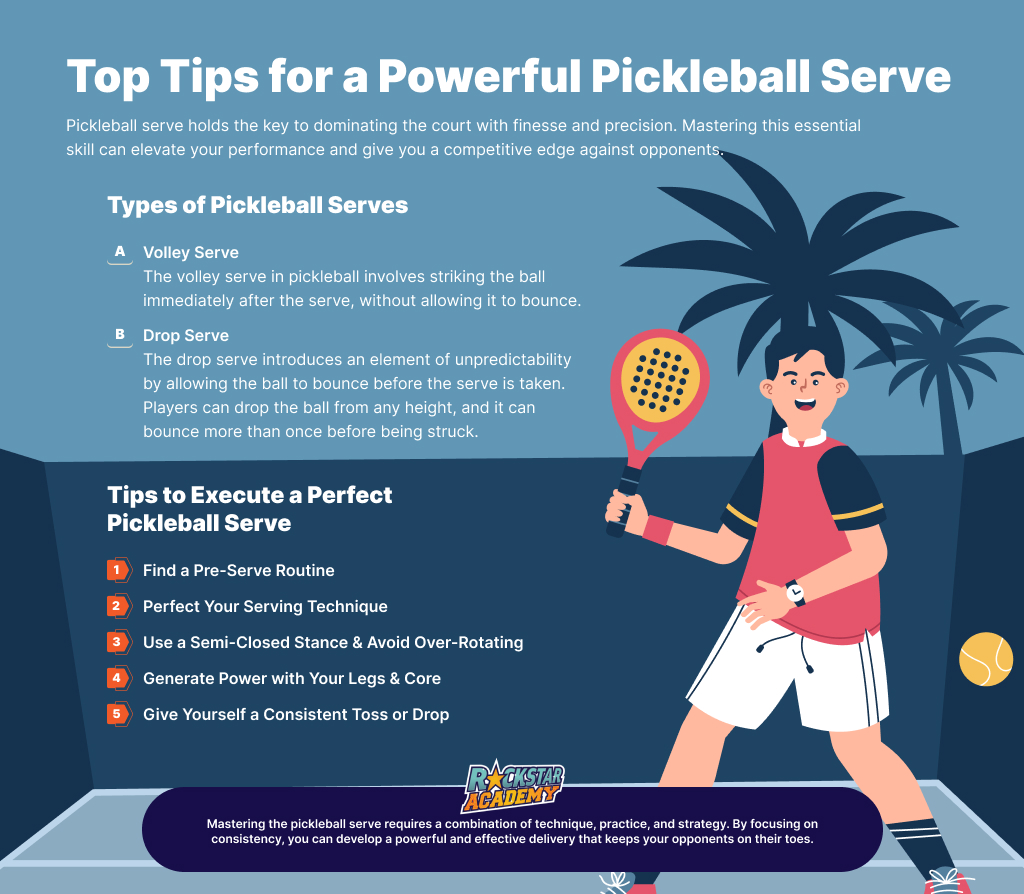
The basics: what makes a legal pickleball serve
If you ask how do you serve in pickleball, start with the rules. When you know the rules, you can build a clean motion that holds up under pressure. Here is what makes a legal serve today.
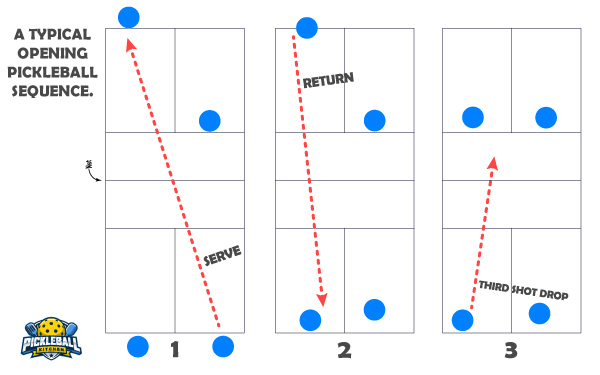
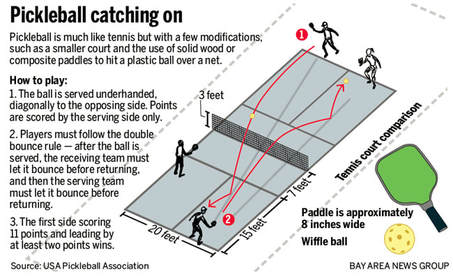
- Serve diagonally crosscourt. The ball must land in the opposite service box.
- The serve must clear the non-volley zone (kitchen). The NVZ line is out on the serve.
- Baseline and sidelines are in. Hitting any service box line is good, except the NVZ line.
- Feet must be behind the baseline at contact. At least one foot on the ground. Neither foot can touch the baseline or the court inside it.
- Call the score before you serve. In doubles, say server score, receiver score, and server number.
- Only one serve attempt. There are no let serves; if the ball hits the net and lands in, play on.
- Two legal styles exist: the volley serve and the drop serve.
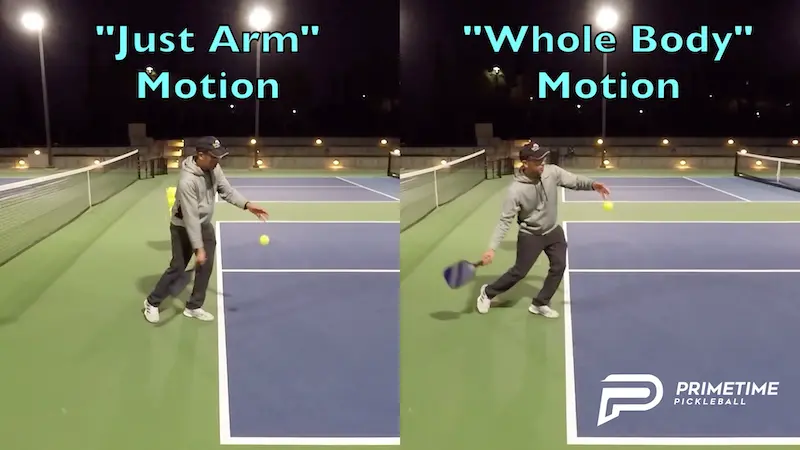
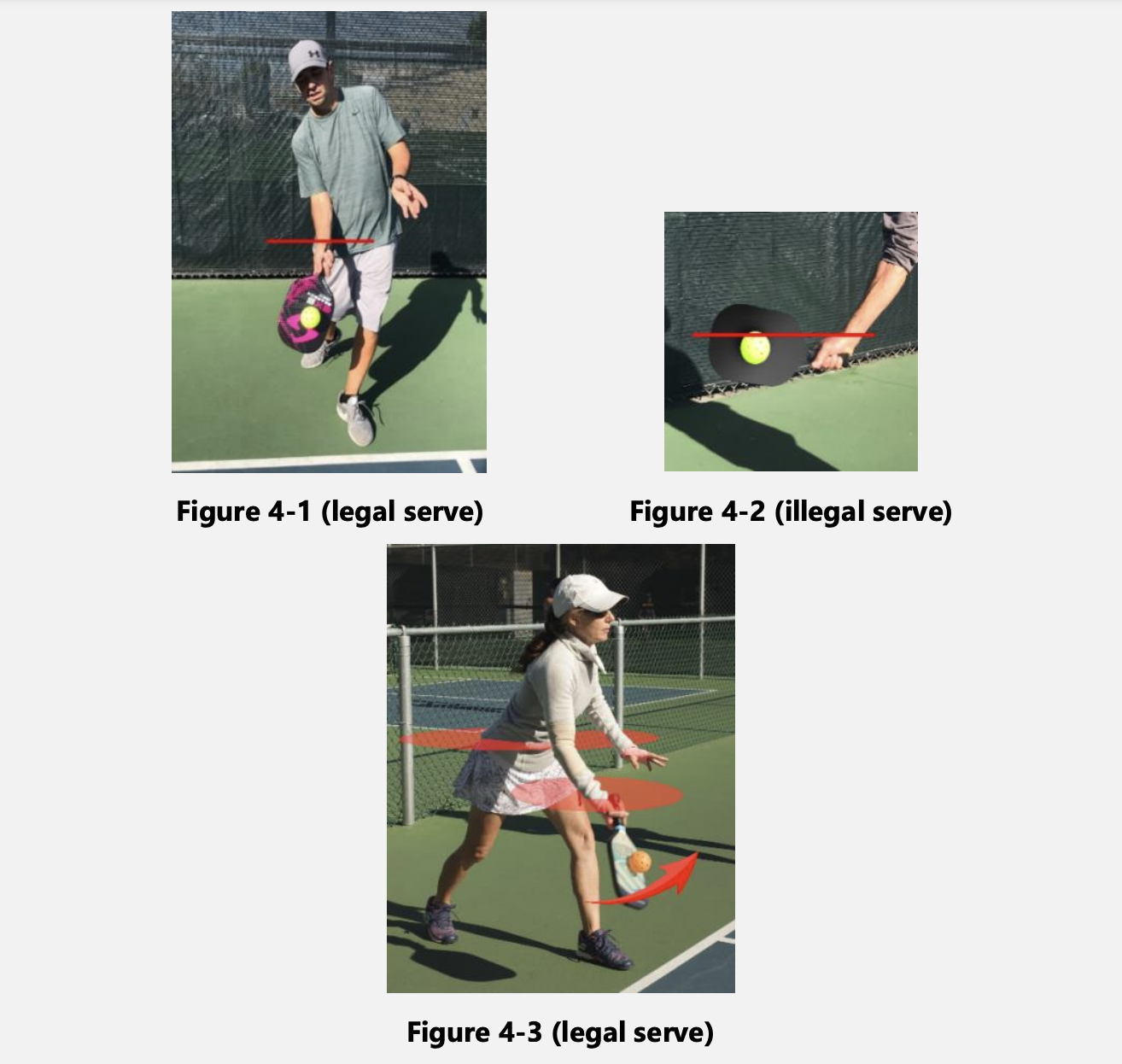
For a volley serve, the motion must go up, the paddle head must be below the wrist at contact, and you must strike the ball below your waist (navel). For a drop serve, you release the ball, let it bounce, then hit it. The upward-motion and below-waist rules do not apply to the drop serve, but you must not propel the ball up or down at release.
How do you serve in pickleball well? Learn the above by heart. It keeps your serve simple and legal in any setting.
Step-by-step: how to serve in pickleball like a pro
Use this clear routine. It answers how do you serve in pickleball in a way you can repeat under stress.
- Pick a target. Choose deep middle or backhand corner to start.
- Set your stance. Feet shoulder-width. Front foot angled to the target. Weight balanced.
- Choose your grip. A relaxed continental grip works for most players.
- Breathe and call the score. This slows your mind and sets your rhythm.
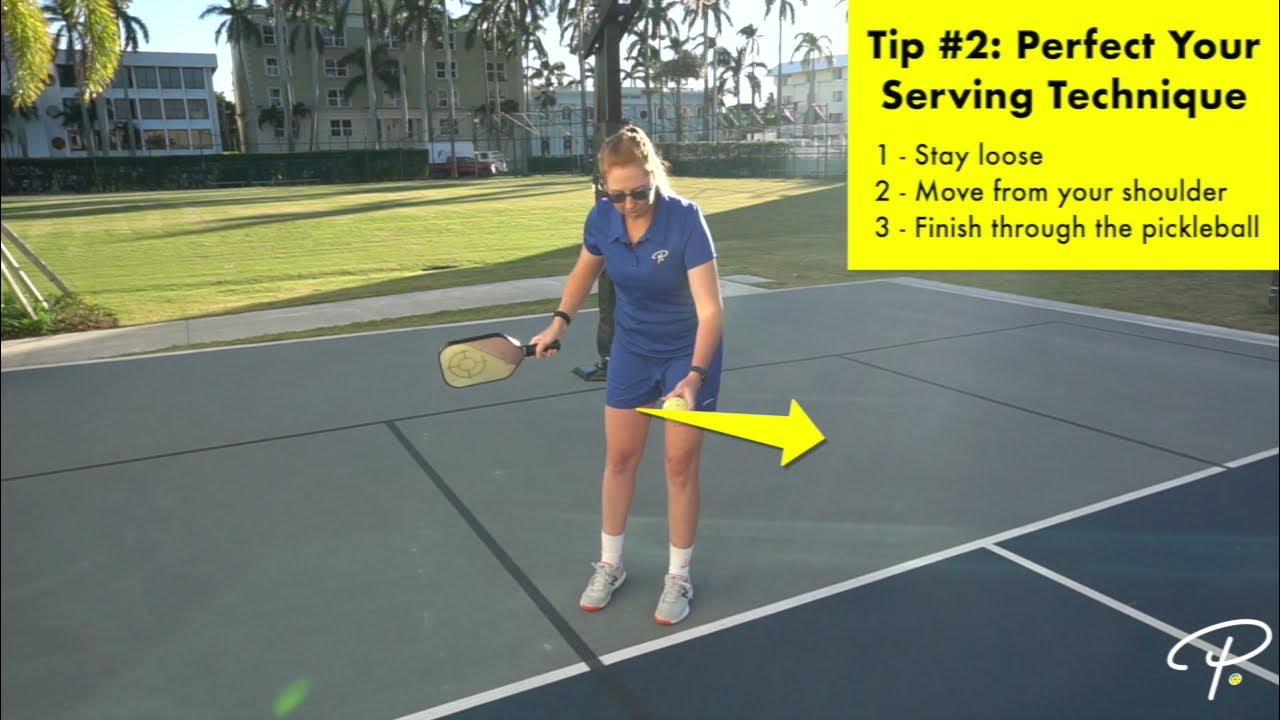
- Drop or present the ball. For a volley serve, hold it out in front at waist height. For a drop serve, release it and let it bounce naturally.
- Swing smooth, not hard. Think easy up and through. Meet the ball out in front.
- Hit below your waist for the volley serve. Keep the paddle head below your wrist at contact.
- Aim deep and crosscourt. Clear the net by a safe margin.
- Hold your finish. Point the paddle at your target. Freeze for a beat.
- Recover. Step in, get ready for the return to your backhand side.
Personal tip: When I coach beginners, we chase height before heat. A soft, high, deep serve wins more points than a hard serve into the net.
Volley serve vs drop serve
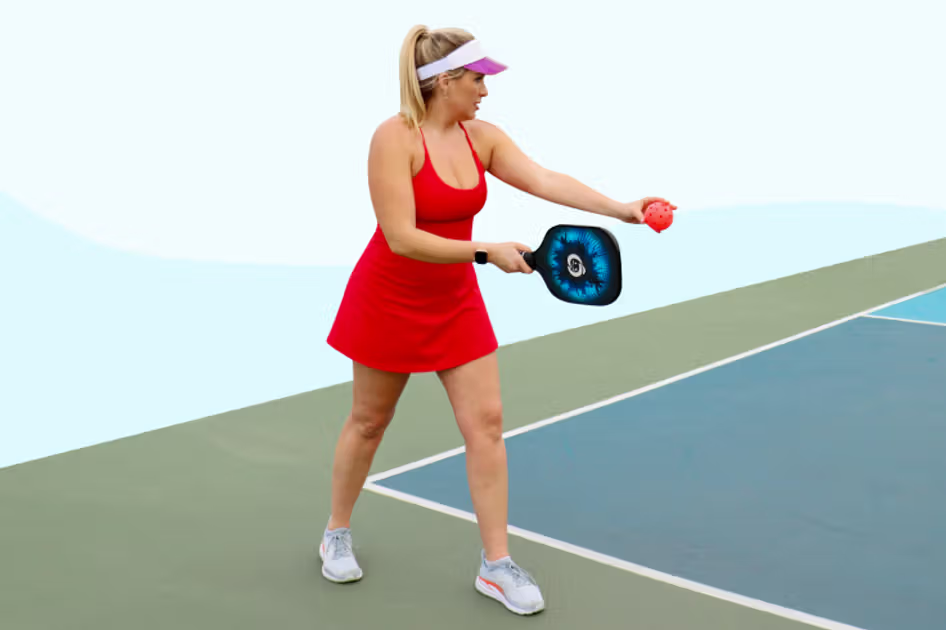
Volley serve: quick and classic
The volley serve is struck out of the air. It requires an upward motion, contact below your waist, and the paddle head below your wrist. It gives a fast rhythm and a crisp ball. I use it when I am in a groove and want a little extra pace.
Drop serve: consistent and calm
The drop serve starts with a clean release. Let the ball fall and bounce, then hit. You do not need the upward motion rule, so it is great for newer players or on windy days. Do not add spin at release; just let it drop.
Which should you choose?
If you ask how do you serve in pickleball with fewer faults, start with the drop serve. Once your contact is steady, add the volley serve for variety. Many of my league players use both, picking the style that fits the moment.

Placement, spin, and speed: serving strategy
Power is nice, but location wins. When I face a new opponent, I test spots first. Here is a simple plan that fits how do you serve in pickleball at any level.
- Go deep to the backhand. This buys time and draws weak returns.
- Mix middle and corner serves. Middle creates doubt over who takes it in doubles.
- Use height for margin. Clear the net by two feet to cut errors.
- Add spin with purpose. A gentle topspin adds dip for control. A soft sidespin can pull the ball to the sideline. Keep it subtle and legal.
- Change one thing at a time. Do not change speed, spin, and target in one serve.
Singles note: Serve deeper and aim more to corners to set up the first ball. Doubles note: Deep middle is gold. It splits teams and slows down drive returns.

Common serve faults and how to fix them
How do you serve in pickleball without faults? Know the traps and the fixes.
- Foot on or over the baseline at contact. Fix: Place your front foot an extra shoe length behind the line.
- Ball lands in the kitchen or touches the NVZ line. Fix: Aim one paddle width deeper than the NVZ line.
- Net into out. Fix: Raise your net clearance. Imagine a low window two feet above the net tape.
- Illegal volley serve motion. Fix: Film from the side. Check for an upward swing, below-waist contact, and paddle head under wrist.
- Rushing the score call. Fix: Breathe, call, then start your motion. A steady rhythm reduces errors.
Small habit that helps: Keep your toss or drop distance consistent. The same setup leads to the same strike.
Drills to build a reliable serve
If you want a clear path for how do you serve in pickleball better this week, do these short drills.
- 20-deep drill: Hit 20 serves that land past the service line. Track makes. Aim for 18+.
- Corner tags: Place two cones near the deep corners. Serve five to each cone. Move on once you hit three of five.
- Ladder challenge: Five zones from safe middle to tight sideline. Only move up after three clean makes in a row.
- Net clearance game: Tie a string or imagine a line two feet above the net. Serve 15 balls over that “window.”
- Pressure reps: Down 8–10 in your head. You must make five deep serves in a row. If you miss, restart.
I run these in 10-minute blocks. Short, focused work beats long, sloppy sessions.
Gear and setup tips that help your serve
How do you serve in pickleball with more control? Dial in your gear and setup.
- Paddle weight: A midweight paddle adds stability at contact. Light paddles are quick but can flutter on off-center hits.
- Grip size: If your grip is too big, you lose wrist feel. Add an overgrip to fine-tune.
- Paddle face: A textured face can help light topspin for control. Keep it legal per current rules.
- Balls: Outdoor balls are firmer and fly faster. On hot days, aim a bit higher and give more margin.
- Shoes: A stable base matters more than swing tricks. Good court shoes help you plant and push.
One more tip: Wipe your grip between points in heat. A dry hand means a clean strike.
Pre-serve routine and the mental game
The best answer to how do you serve in pickleball under pressure is a simple routine. It calms nerves and locks your form.
- Breathe in, breathe out. Drop your shoulders.
- Pick one target. See the flight. Say the score.
- One swing thought. “Smooth up and through” is my favorite.
- Commit. No flinch, no last-second aim change.
- Review after the point. Keep what worked. Adjust one thing if needed.
When I get tight, I slow my exhale, then use a drop serve with extra net margin. It settles my hands fast.
Frequently asked questions of how do you serve in pickleball
What is the difference between the volley serve and the drop serve?
The volley serve is hit out of the air with an upward motion and below-waist contact. The drop serve is hit after a bounce and does not need the upward-motion rule.
Can my serve hit the net and still be good?
Yes. There are no let serves. If your serve hits the net and lands in the correct service box past the NVZ line, it is in play.
Where should I stand when serving?
Stand behind the baseline with at least one foot on the ground. Keep both feet behind the line at contact and aim diagonally to the other box.
How fast should I swing on the serve?
Swing smooth first, then add speed. A steady, deep serve wins more points than a wild, hard serve into the net.
What is the best target for beginners?
Aim deep middle or deep backhand. These spots lower risk, cut angles, and often draw weak returns.
Do I have to call the score before serving?
Yes. In doubles, call server score, receiver score, then server number. In singles, call server score first, receiver score second.
Is spin on the serve legal?
Yes, but follow release rules. Do not add finger spin at release; hit the spin with your paddle at contact.
Conclusion
Serving is the one shot you control from start to finish. Now you know how do you serve in pickleball with clean form, smart targets, and a simple routine. Start with height and depth, add the drop serve for steadiness, and build power only after your make rate is high. Go to the court, pick two drills, and track your progress this week. If this helped, subscribe for more guides, ask a question in the comments, or share your best serve tip with the community.