Pickleball blends tennis, badminton, and ping-pong using paddles, a plastic ball, and simple rules.
Curious about how does pickleball work? You’re in the right place. I coach new players each season, and I’ll walk you through the court, gear, scoring, serving, the kitchen rule, and the simple strategy that makes this game addictive. By the end, how does pickleball work will feel second nature—and you’ll be ready to play with confidence.

What Is Pickleball and Why People Love It
If you’ve ever asked how does pickleball work, think of it as life-size ping-pong on a small court. You use a solid paddle and a light plastic ball. Rallies are quick, and points move fast, so it feels fun from the first game.
It’s easy to learn in one session, yet deep enough to keep you improving for years. Courts are smaller than tennis, so it’s friendly on joints and great for all ages. Community play, drop-ins, and open ladders make it very social.

Court, Equipment, and Basic Setup
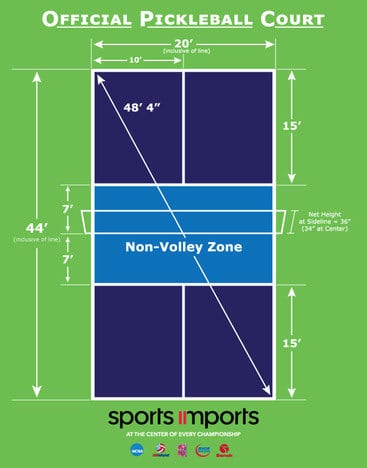
To understand how does pickleball work, start with the court and gear. The court is 20 feet wide by 44 feet long. There’s a 7-foot non-volley zone on both sides of the net, called the kitchen. The net height is 36 inches at the posts and 34 inches in the center.
What you need:
- Paddle A lightweight, solid paddle made of composite, graphite, or wood.
- Ball A plastic, perforated ball; outdoor balls are firmer with smaller holes.
- Shoes Court shoes with good grip and lateral support.
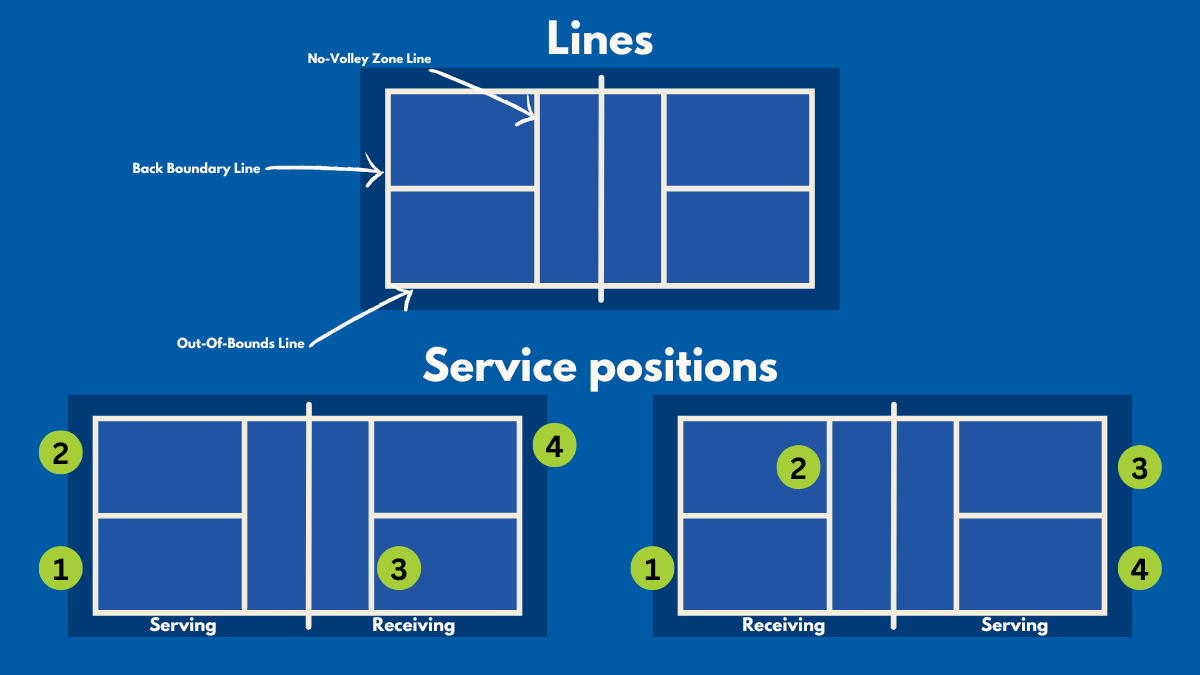
- Lines Baseline, sidelines, centerline, service boxes, and the non-volley zone line.
Pro tip from my clinics: try two paddles before you buy. A control paddle helps you learn touch. A power paddle can mask bad habits early on.
How Scoring Works in Pickleball
A big part of how does pickleball work is the scoring system. Only the serving team can score. Games are usually to 11, win by 2. In some play, tournaments may go to 15 or 21.
In doubles, you call three numbers: server score, receiver score, and server number (1 or 2). Both partners on a team get to serve before a side out, except at the very start of the game when only one server begins. In singles, it’s two numbers and simpler: the server serves from the right when their score is even and from the left when it’s odd.
Example: If you hear “4-2-2,” it means the serving team has 4, receivers have 2, and the second server is serving. When I teach new players, we practice calling the score out loud before every serve to lock in the habit.

Serving Rules and Order of Play
How does pickleball work on the serve? Serves are underhand. Contact the ball below the waist, and keep your paddle moving upward at contact. Hit diagonally cross-court into the service box without landing in the kitchen.
Key points:
- Feet Both feet must be behind the baseline at contact.
- Drop serve You may drop the ball and hit it off the bounce. No tossing upward.
- Double bounce rule The ball must bounce once on the serve and once on the return before anyone can volley.
- No lets Many places no longer play lets on net-cord serves; if the ball lands in, it’s live.
Doubles order: The first server on a team serves until they lose a rally, then their partner serves. After both lose serve, it’s a side out. This rhythm is core to how does pickleball work from point to point.

The Kitchen (Non-Volley Zone) Explained
People ask how does pickleball work with the kitchen all the time. The kitchen is the 7-foot zone by the net where you cannot volley. You can step into the kitchen to hit a ball after it bounces. You cannot volley while standing in it or if your momentum carries you in after a volley.
Practical tips:
- Avoid reaching in and volleying if you’ll fall forward into the kitchen.
- Keep toes behind the line when attacking high balls.
- Use dinks (soft shots) into the kitchen to set up errors.
A common mistake I made early: volleying a winner, then stepping in as I celebrated. That’s a fault. Stay balanced and hold your ground for a beat after you volley.

Faults, Lets, and Line Calls
Understanding faults is crucial to how does pickleball work. A fault ends the rally. Typical faults include:
- Serve lands out or in the kitchen.
- Volleying before the double bounce rule is complete.
- Volleying from the kitchen or touching it after a volley.
- Hitting the ball out or into the net.
- Ball striking you or your partner before it bounces out.
Line calls are made by the receiving team on their side. If you’re not sure, give the benefit of the doubt to your opponent. Honesty keeps the game friendly and trusted.

Singles vs. Doubles: What Changes
How does pickleball work in singles versus doubles? The core rules are the same, but movement and serve targets change. Singles is more physical and rewards deep serves, deep returns, and sharp angles.
In doubles, teamwork rules the day. You and your partner want to move as a unit, close gaps, and earn the net together. Stacking (starting on a preferred side) can help you keep forehands in the middle.
Strategy 101: From First Ball to Winning Patterns
If you want a deeper sense of how does pickleball work tactically, start with three ideas: serve deep, return deep, and get to the net. Then learn to play soft. The soft game draws errors and sets up high balls you can attack.
Core patterns:
- Third shot drop or drive If the return is deep, try a drop to the kitchen to advance. If it floats short, drive it to the weaker body side.
- Dinking with purpose Aim cross-court for a lower net and more space. Change pace and height to cause pop-ups.
- Target feet Hitting at the opponent’s feet makes clean counters hard.
- Reset under pressure When attacked, block softly into the kitchen to slow the point.
From my coaching notes: beginners often overhit. I teach a “70% speed rule” until control improves. You’ll win more with consistency than with highlight swings.

How to Start Playing: Costs, Places, and First Drills
The first step in how does pickleball work in real life is getting on a court. Many parks offer free courts and open play. Community centers and clubs run beginner hours. Ask for a “ladder” or “round robin” to meet partners at your level.
- Paddle Starter paddles $40–$80; solid intermediate $90–$160.
- Balls About $10–$15 for a pack.
- Shoes If you can, use court shoes for safer stops and starts.
Quick starter drills:
- Wall blocks Stand 8 feet from a wall and block soft shots with a relaxed grip.
- Serve targets Place two cones and land 8 of 10 serves deep.
- Kitchen dinks Cross-court dinks for 3 minutes without trying to win the point.
Safety and Court Etiquette
Part of how does pickleball work is staying safe and kind. Warm up your shoulders and calves. Hydrate, especially on outdoor courts. Wear sunglasses or a hat and consider eyewear if play is fast.
Etiquette basics:
- Call the score loudly before every serve.
- Don’t chase balls through other courts; call “Ball” and wait.
- Apologize for net-cord winners and body shots.
- Tap paddles at the end and thank your opponents.
Frequently Asked Questions of how does pickleball work
What are the basic rules for beginners?
Serve underhand cross-court, let it bounce, and let the return bounce. Then you can volley, but never from the kitchen.
How many points do you play to, and who can score?
Games usually go to 11, win by 2. Only the serving team can score points.
What is the double bounce rule?
The serve must bounce once, and the return must bounce once. After that, either side may volley outside the kitchen.
Can I step into the kitchen at any time?
Yes, but only to play a ball that has bounced. You cannot volley while in the kitchen or if momentum carries you into it after a volley.
How does doubles scoring work with the 1 or 2 at the end?
The third number shows which partner is serving, first or second. After both servers lose rallies, it’s a side out to the other team.
Are line balls in or out?
If any part of the ball touches the line, it is in, except for the kitchen line on a serve. Serves cannot land on the kitchen line.
Do we still play lets on serves that hit the net?
In most places, there are no lets on serves anymore. If the ball hits the net and lands in the correct box, play continues.
Conclusion
You now know how does pickleball work from serve to strategy: simple rules, a small court, and a game built on touch, placement, and teamwork. Start with deep serves, deep returns, and soft dinks, and you’ll improve fast.
Grab a paddle this week, join an open play near you, and test one new tip per session. If this helped, subscribe for more step-by-step guides, and drop a comment with your biggest question about how does pickleball work.