Only the serving team can score; games are to 11, win by 2.
If you want to master the game fast, you need to nail scoring. I teach new players every week, and the same question pops up: how does scoring work in pickleball? This guide breaks it down in clear steps with real examples and pro tips. You will learn how to call the score, where to stand, and when points count. By the end, you will feel calm and confident every time you say the score.

The basics of pickleball scoring
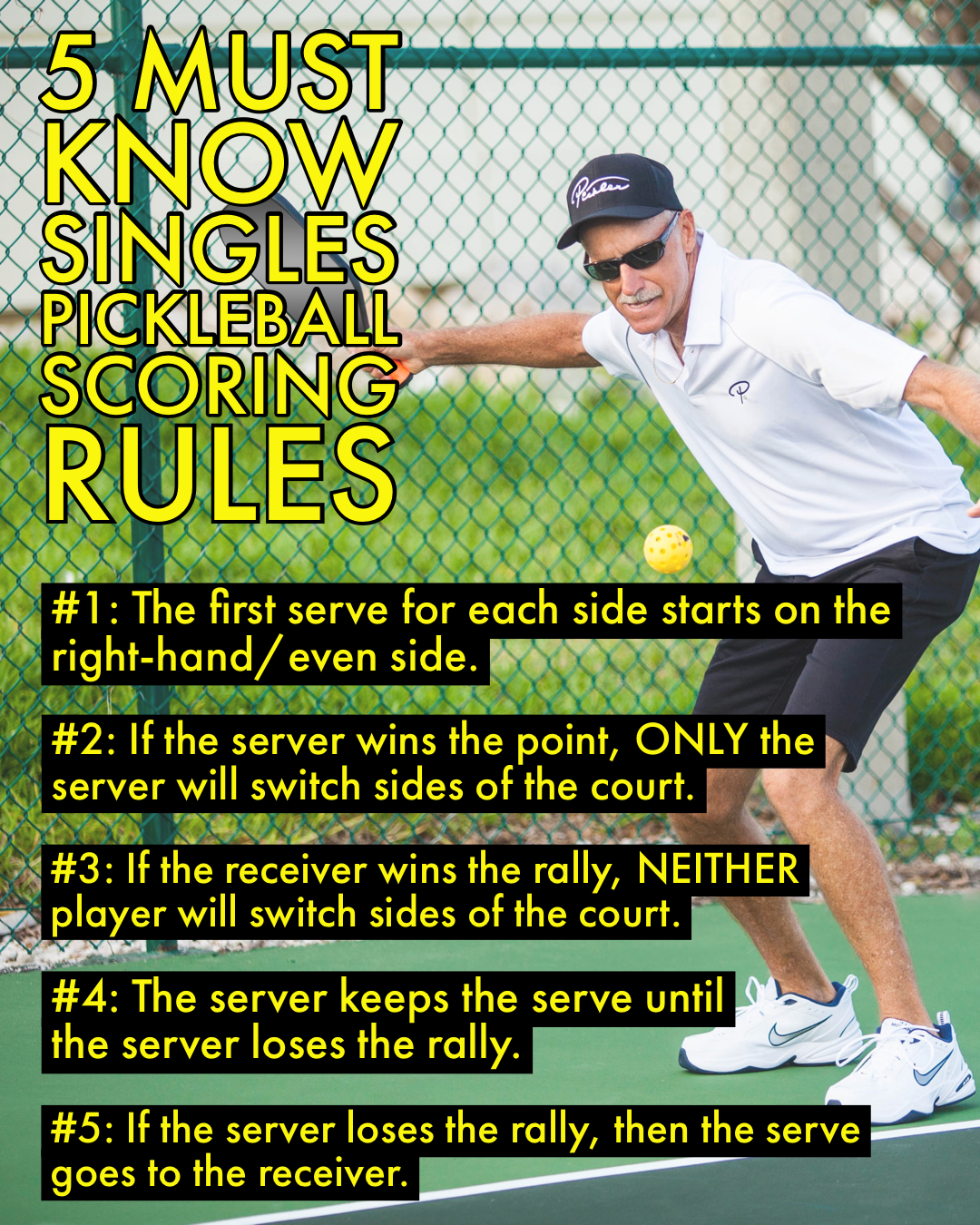
Pickleball uses side-out scoring. Only the serving team can win a point. If the receiving team “wins” a rally, they do not score. They earn the serve.
Most games go to 11 points, win by 2. In some events, games can go to 15 or 21, win by 2. You must call the score before the serve. Serves are underhand. The serve and the return must both bounce once. Then you may volley.
If you are asking how does scoring work in pickleball, start with this rule of thumb. The server’s team only scores when they serve. A fault by the serving team ends that server’s turn. In doubles, the second partner then serves. After both partners lose a rally on serve, it is a side out. That means the other team serves.
The three-number score call explained
In doubles, the score call has three numbers. Say them in this order:
- Server score
- Receiver score
- Server number (1 or 2)
Example: 6-4-2 means the serving team has 6. The receiving team has 4. The current server is the second server on that team.
At the start of each game, the score is 0-0-2. Only one player serves on the first rotation. This balances the first-serve edge. After the first side out, both partners on each side get a chance to serve.
In singles, you call only two numbers. Server score first, then receiver score. There is no third number.
Use the even-odd rule to find your court. If your team’s score is even, the first server for that team serves from the right court. If odd, they serve from the left. This is the easiest way to answer how does scoring work in pickleball during fast play.

Serving rules that affect scoring
Serving rules decide when points count. Keep these in mind:
- Call the full score before you start the serve motion.
- Serve underhand with the contact below your waist.
- You may use a drop serve. The ball can bounce before you hit it.
- Feet must be behind the baseline until contact.
- Serve diagonally to the opposite court.
Position matters. If you serve from the wrong side or the wrong player serves, that is a position fault. In most cases, it is a fault and you lose the serve for that rally. Learn your spot before you hit the ball. I teach partners to whisper “even” or “odd” before each rally to stay synced.
One more key note. You cannot volley the return of serve. The ball must bounce on each side first. This is called the two-bounce rule in the official rulebook.

Singles vs doubles scoring
How does scoring work in pickleball for singles? It is simple. Only the server can score. Call server score then receiver score. If your score is even, serve from the right. If odd, serve from the left.
Doubles has two servers per side on each turn. You call three numbers. At 0-0-2 to start, only one server gets a chance. After that, each partner serves until their team commits a fault. Then it is a side out.
Pro tip from my league nights. In doubles, assign “Server 1” at the first side-out and keep it that way all game. It makes court shifts much easier to track.

Side outs, faults, and rally scoring myths
A side out happens when both partners on a team have lost their serve. Control passes to the other team. No point is awarded on a side out unless the last rally was won by the serving team. Only the serving team scores. This is the core of how does scoring work in pickleball under standard rules.
Common faults that end a rally:
- Serve lands out or in the net
- Return of serve is volleyed before it bounces
- Ball is hit out or into the net
- Non-volley zone foot fault on a volley
- Wrong server or wrong position
You may hear about rally scoring. Some leagues and team events use it, like certain showcase formats. In rally scoring, every rally gives a point to someone. That is not the standard for USA-sanctioned play. Standard play uses side-out scoring. Check event rules if you are unsure.

Practical examples and scoring scenarios
Let’s walk a short doubles sequence so you can feel it.
Opening point:
- Call 0-0-2.
- Server A serves from the right.
- A’s team wins the rally. Score is now 1-0-2.
- Server A switches to the left court and serves again.
Next rally:
- A’s team loses this rally. Since A was the only server at the start, it is a side out.
- Now Team B serves. Call 0-1-1.
- Server B1 serves from the right.
B’s run:
- B1 wins two rallies. Score moves to 2-1-1, then 3-1-1.
- B1 loses the next rally. Now it is B2’s serve. Call 3-1-2.
- B2 loses right away. Side out. Call returns to Team A at 1-3-1.
Singles snapshot:
- Score is 6-4. The server has 6. They serve from the left since 6 is even? Careful. Even scores serve from the right. So with 6, serve from the right.
- If the server wins the rally, it becomes 7-4 and the server moves to the left.
Quick mental check I use in games:
- Ask, how does scoring work in pickleball right now for my team?
- Is our score even? Serve or receive on the right.
- Did we both serve already? If yes and we lost, it is a side out.

Strategy tips to win more points
If only the serving team can score, smart serving matters. Aim deep, to the back third of the court. A deep serve buys time and forces weaker returns.
Use these tips:
- Serve to the backhand more often.
- Keep returns just as deep. Deep returns make third shots tough.
- On your serve, be patient. Work your way to the kitchen in smart steps.
- When receiving, focus on earning the serve back. You do not need a winner. You need a safe, deep return.
- Confirm even or odd before each rally. It prevents free points.
In my clinics, I see teams lose track and give away service turns. A five-second score routine saves you points and stress. It also makes how does scoring work in pickleball feel natural.

Common mistakes and how to fix them
These are the big ones I see all the time:
- Not calling the score before the serve. Solution: Pause, call it, then serve.
- Serving from the wrong court. Solution: Use the even-odd rule. Even score, right court. Odd, left.
- Forgetting server number. Solution: Designate Server 1 at the first side out and stick to it.
- Rushing the return and volleying it. Solution: Say “bounce-bounce” out loud until it clicks.
- Not switching sides after a point. Solution: If your team scored while serving, switch courts with your partner.
If you find yourself asking how does scoring work in pickleball in the middle of a rally, slow down next time. Make a pre-serve checklist. It is not fancy, but it works.

Tournament variations and house rules
Standard matches are to 11, win by 2. Many tournaments also use games to 15 in early rounds. Medal matches can run to 15 or 21. Side-out scoring is still the default. Some events switch sides at 6 or 8 points to balance wind and sun. Always read the event sheet.
You may run into rally scoring in team leagues or exhibitions. Some formats freeze the receiving team at game point. Others have special tiebreaks. These are not the same as the standard rules for how does scoring work in pickleball. Confirm rules before play so you do not get caught mid-match.
At home or in drills, people try rally scoring for faster games. That is fine for practice. For league or sanctioned play, use side-out scoring. Check the current official rulebook for any updates.
Frequently Asked Questions of how does scoring work in pickleball
What is the starting score in doubles and why is it 0-0-2?
Doubles starts at 0-0-2 so only one server serves on the first turn. This balances the first-serve advantage and speeds up the opening rotation.
How do I know where to stand when serving or receiving?
Use the even-odd rule. If your team’s score is even, you start on the right; if odd, on the left.
Can I score points when I am receiving?
No. Only the serving team can score under standard side-out scoring. If you win a rally while receiving, you earn the serve.
Does singles use the third number in the score call?
No. Singles uses two numbers only. Call the server score first, then the receiver score.
What happens if the wrong person serves?
It is a fault if discovered during or after the rally in most cases. The solution is to correct positions and restore the proper server for the next rally.
Is rally scoring official in pickleball?
Not for standard play. Some events use rally scoring, but USA-sanctioned tournaments use side-out scoring.
What does win by 2 mean?
You must lead by two points to win the game. For example, 11-10 is not enough; you must reach at least 12-10.
Why do people say double-bounce rule?
It is commonly used, but the book calls it the two-bounce rule. The serve and return must both bounce before volleying.
How often should I call the score?
Before every serve. It helps both teams track server, position, and score.
How does scoring work in pickleball if we forget the score?
Pause and agree on the last known point and server. Reconstruct the points using server order and court positions.
Conclusion
You now have the full picture. Only the server scores. Call the score in the right order. Use the even-odd rule to find your court. With a steady routine, you will never wonder how does scoring work in pickleball again.
Put this into action today. Make a simple pre-serve checklist, and try the examples in your next game. Want more tips and drills? Subscribe for weekly guides, drop your questions in the comments, and share this with your partner so you stay in sync.