Padel and pickleball differ in walls, gear, rules, court size, and pace.
If you have asked how is padel different from pickleball, you are not alone. I coach new players in both sports and see the same confusion each week. In this guide, I will break down how is padel different from pickleball with clear facts, simple tips, and real court advice. By the end, you will know which game fits your style and why the question how is padel different from pickleball matters when you pick a sport, a paddle, or your next weekend plan.

Court and Equipment Differences
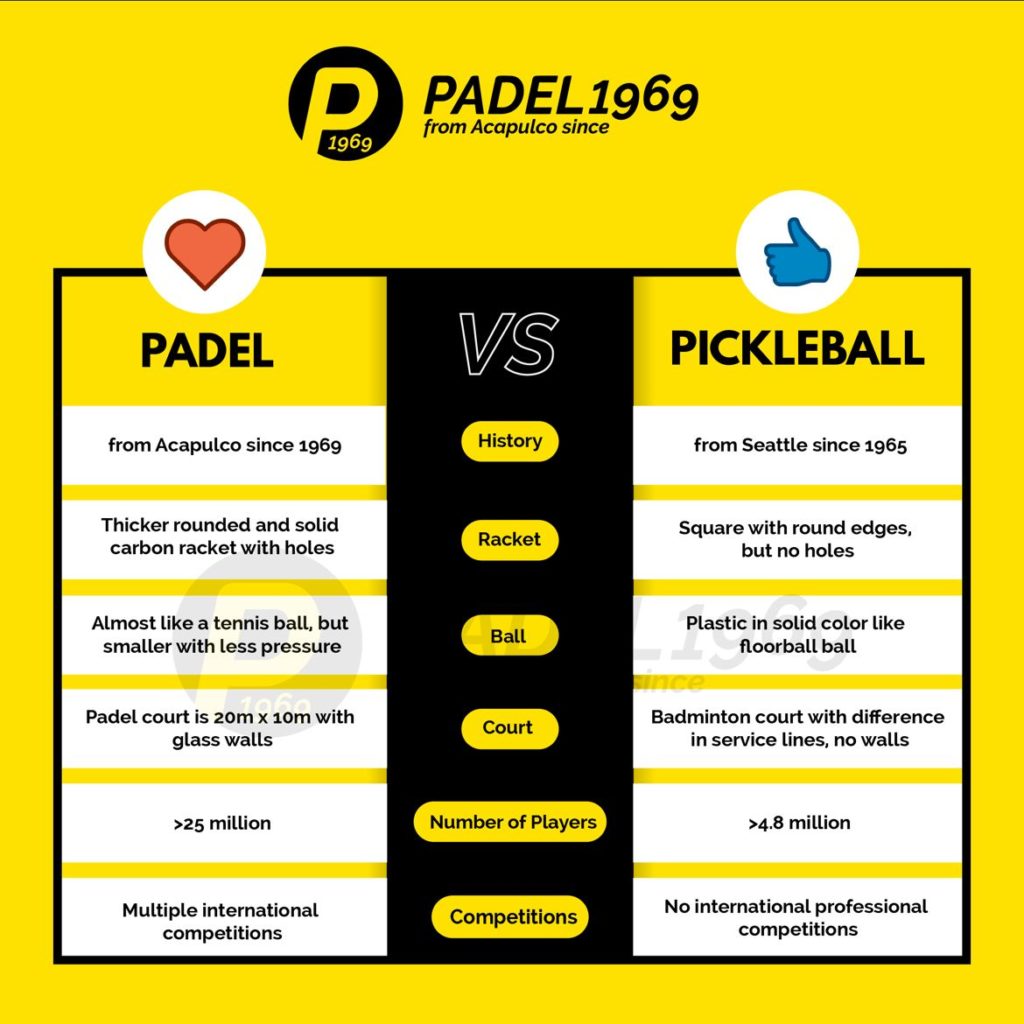
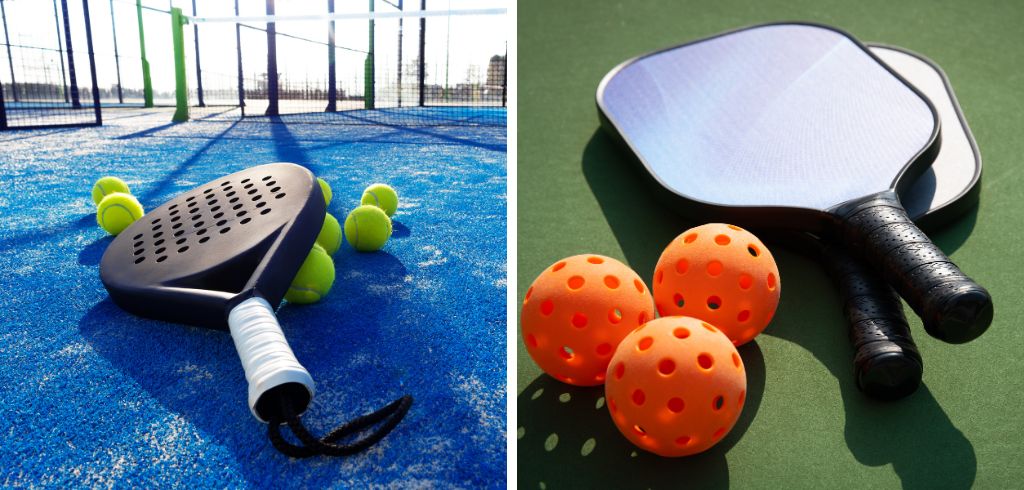
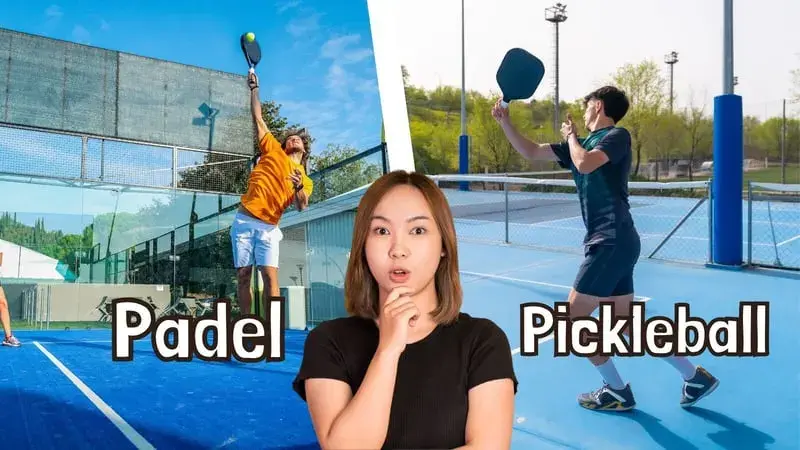
Both games use paddles and a net, but the setup is not the same. Padel is played on a 20 x 10 meter court with glass and mesh walls. Pickleball uses a smaller 44 x 20 foot court with no walls and a 7 foot non-volley zone near the net.
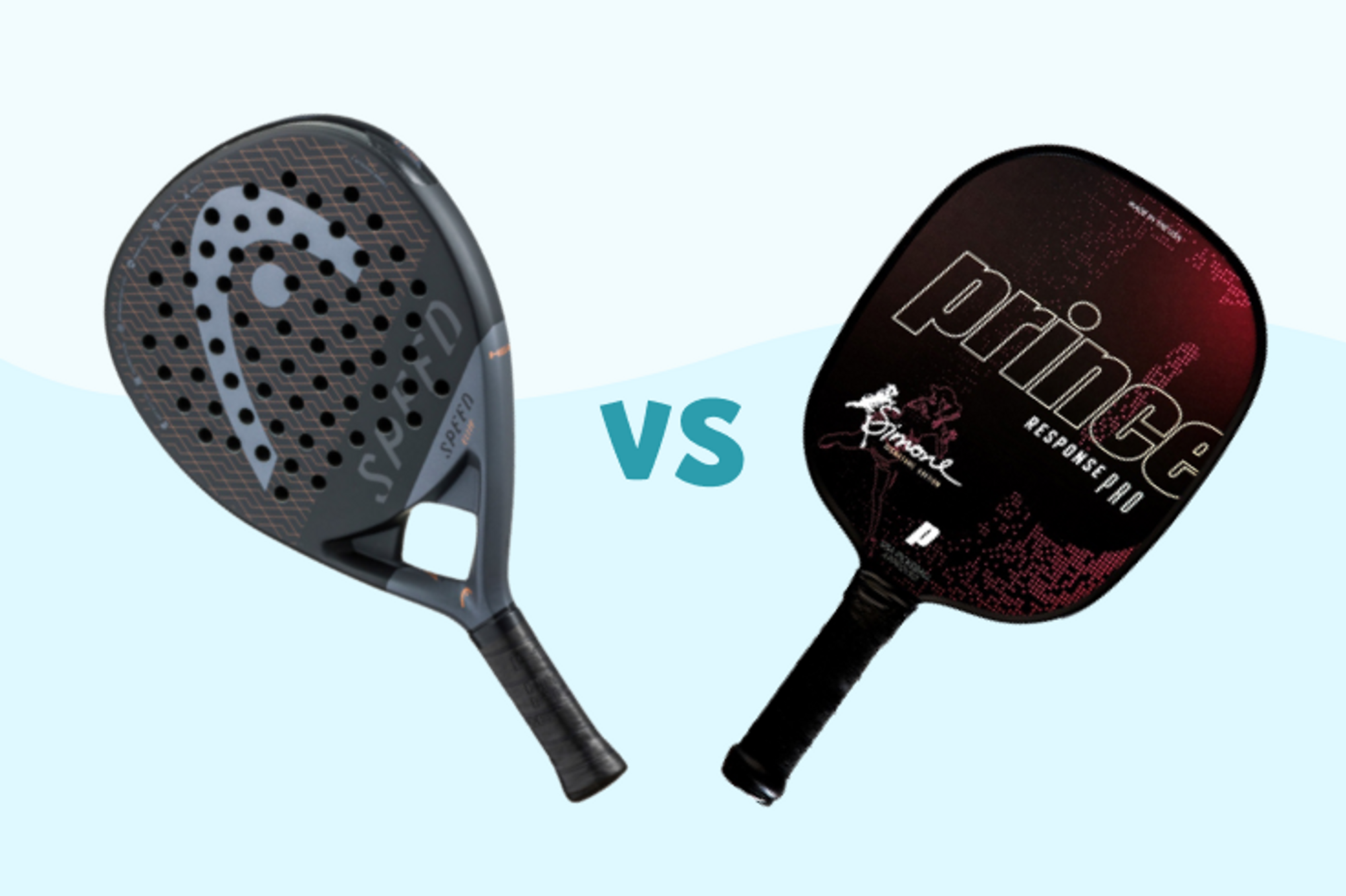
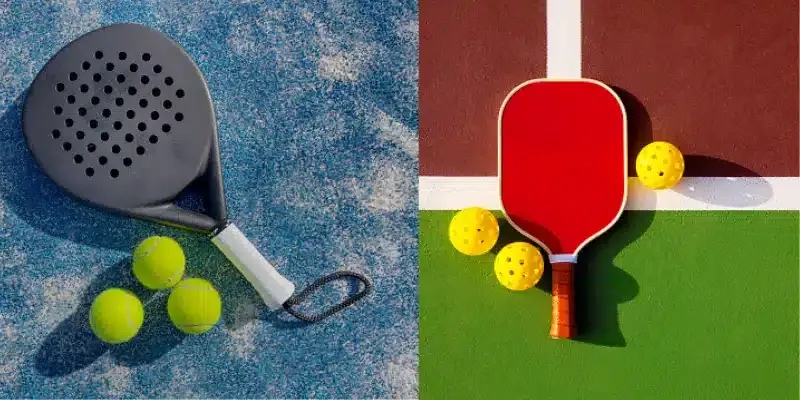
The paddles feel different in hand. Padel rackets have no strings, are foam cored, and have holes in the face. Pickleball paddles are flat, composite or graphite, and also have no strings. The balls are different too. Padel uses a pressurized felt ball, like a softer tennis ball. Pickleball uses a light plastic ball with holes.
Net height is close but not equal. Padel nets sit about 34.6 inches at the center. Pickleball nets sit 34 inches at the center and 36 inches at the sides. This small shift changes net play feel.
Key takeaways that answer how is padel different from pickleball:
- Padel has live walls. Pickleball has lines and a kitchen.
- Padel uses a felt ball. Pickleball uses a plastic ball with holes.
- Padel court is much larger and enclosed. Pickleball is smaller and open.
- Padel rackets are thicker and dampen shock. Pickleball paddles are lighter and crisp.
Rules and Scoring: What Changes Your Tactics
Here is where how is padel different from pickleball becomes very clear. In padel, you can play shots off your own glass walls after the bounce. You can also use your opponents’ walls if the ball first lands in. In pickleball, walls do not exist. Lines matter, and the non-volley zone changes net play.
Serving rules shape the point. Padel serves must bounce first and contact the ball below the waist, with one try per serve box. Pickleball serves are underhand, below the waist, with a drop or volley serve allowed, and you get one attempt. Padel scoring mirrors tennis with games to 40 and sets. In pickleball, only the serving team scores, and games often go to 11, win by 2.
The double-bounce rule sets pickleball apart. On the serve, the ball must bounce once on each side before volleys are allowed. Padel has no such rule, but the wall rules make point patterns longer.
How is padel different from pickleball in flow? Padel points are longer, with more resets off the wall. Pickleball points hinge on kitchen control and early positioning.
Play Style and Strategy: Walls vs. Kitchen
Padel rewards patience, smart lobs, and use of glass. You set up with deep lobs, then finish with volleys, bandejas, and viboras. The walls keep points alive, so defense matters. You can turn a tough ball into an attack after the glass.
Pickleball is about the kitchen line. You serve, you reach the line, and you dink to earn a pop-up. Soft hands win. Third-shot drops are a must. Speed-ups at the body and counters at the line are key skills.
From my coaching sessions, here is how is padel different from pickleball in skill focus:
- Padel shot mix: lobs, walls, overhead control, soft volleys.
- Pickleball shot mix: third-shot drops, dinks, speed-ups, resets.
- Padel footwork: deeper court coverage with diagonal recovery.
- Pickleball footwork: short bursts to the line and side steps at the kitchen.
Learning Curve and Accessibility
If you ask how is padel different from pickleball for beginners, think ease of entry. Pickleball is fast to learn. The court is small, and early rallies feel natural. New players can play a real game on day one.
Padel takes a bit longer due to the walls. Reading rebounds is a skill. That said, the larger court and softer ball reduce strain. Many tennis players cross over to padel well, since grips and spin feel familiar.
Tips from my first-timer clinics:
- Start pickleball with serve, return, and a soft dink triangle.
- Start padel with wall timing: let the ball drop, step, swing short.
- Use control paddles first in both sports. Power can wait.
)
Safety, Fitness, and Injury Risk
How is padel different from pickleball when we talk health? The risk types vary. Padel has more overheads and deep runs, so shoulders, calves, and hamstrings need warm-ups. Pickleball has fast kitchen battles, so wrists, elbows, and knees often need care.
Simple steps that help in both:
- Warm up for 5 to 8 minutes with light jog and band work.
- Use shoes made for court grip. Running shoes can twist ankles.
- Build a habit of soft hands to reduce shock to the elbow.
Pickleball can be intense due to quick reflex play. Padel can be intense with long rallies. Both are great cardio if you keep rallies going.

Cost, Gear, and Access
How is padel different from pickleball when booking a court? Many cities have pickleball courts in parks. You can play free or cheap. Padel courts need glass walls, so they are private and often need a booking fee.
Gear costs overlap but vary by brand. Padel rackets are thick and can cost more at the top end. Pickleball paddles range widely, and balls are cheap in bulk.
What I tell my students:
- Start with a mid-price paddle or racket. Look for control and comfort.
- Try a demo day if your club offers one.
- If budget is tight, pickleball is easier to access in most towns.

Social Feel and Growth Trends
How is padel different from pickleball in culture? Padel is huge in Spain, Italy, Argentina, and the Middle East. Many clubs run league nights with a tight social scene. Pickleball has grown fast in the US and Canada. Parks are busy, and drop-in play is common.
Both sports bring people together. Doubles is the norm in both, which speeds learning. In my area, beginners meet friends faster in pickleball due to open play. In padel, club ladders and mixes make community strong once you join.
Switching Between Sports: Common Mistakes to Avoid
I see this a lot in mixed groups. Tennis players try to blast every shot in pickleball. Padel players over-read the ball in pickleball and drift back too far. Pickleball players in padel often ignore the wall and lose easy saves.
Fixes that work fast:
- In pickleball, stay at the kitchen line and keep the paddle up.
- In padel, practice two wall drills each session: forehand glass, backhand glass.
- In both, shorten your swing near the net. Control beats power.
Keep asking how is padel different from pickleball as you switch. The answers will shape your drills and save your joints.
Who Should Play Which?
You might still wonder how is padel different from pickleball for you. If you like fast hands, quick points, and easy access, try pickleball first. If you love long rallies, tactics off the wall, and a club vibe, try padel.
Pick one based on your goals:
- Best for small spaces and drop-in play: pickleball.
- Best for long rallies and shared tactics with tennis: padel.
- Best for shoulder-friendly starts: pickleball with soft play.
- Best for leg and core work: padel with smart movement.
If you can, play both. Your touch in one helps the other. Your footwork in one makes you safer in the other. That is how is padel different from pickleball turns into a real edge for your game IQ.
Real-Life Scenarios and Tips
From my lessons, here are moments that show how is padel different from pickleball:
- I had a tennis dad try padel. He learned a soft bandeja to keep net and stop lobbing wars. That single shot won him two leagues.
- A retired runner picked up pickleball. She used drop serves and learned a dink arc. Her elbow pain went down when she slowed her swing.
Practical tips you can use today:
- In padel, aim one more ball at the back glass each rally. Learn the bounce.
- In pickleball, practice a five-ball dink pattern before every match.
- In both, breathe on contact to relax your grip.
Skill Progression and Drills
Drills that make the most impact in week one:
- Padel wall ladder: feed to the back glass, let it come out, short swing to the middle. Ten reps each side.
- Padel lob to bandeja: one player lobs, the other takes a soft overhead to the corner. Switch every 10 balls.
- Pickleball third-shot drop: serve, return deep, drop to kitchen, and advance. Repeat for 5 minutes.
- Pickleball dink to speed-up: three cross dinks, then a gentle speed-up to the shoulder, partner blocks.
Keep sessions short and sharp. Ten-minute blocks build skills fast and reduce strain. This is where you feel how is padel different from pickleball in your hands and feet.
Frequently Asked Questions of how is padel different from pickleball
Is padel easier than pickleball for beginners?
Pickleball is easier on day one due to the small court and simple aim. Padel takes time to read the glass, but once you learn, rallies feel smooth.
Which sport gives a better workout?
Both can be great cardio. Padel has longer rallies with more movement, while pickleball has fast bursts and lots of squats near the kitchen.
Can I use the same paddle for both?
No. Padel rackets and pickleball paddles are built for different balls and rules. Use gear designed for each sport for control and safety.
How does serving differ between padel and pickleball?
Padel serves bounce first and must be hit below the waist. Pickleball serves are underhand and go direct, and the double-bounce rule governs the start of play.
What are the main rules that change strategy?
Padel allows wall play, which extends points and rewards lobs and resets. Pickleball has a non-volley zone and a double-bounce rule, which make soft dinks and drops key.
Which sport is better for older players?
Both work well. Many older players enjoy pickleball for easy access and shorter sprints, while padel is kind to joints due to softer, more controlled swings.
Are injuries common in either sport?
Overuse can happen in both. In pickleball, watch your elbow and knees; in padel, watch your shoulder and calves. Good shoes and warm-ups help a lot.
Conclusion
Now you know how is padel different from pickleball in courts, gear, rules, style, and feel. Padel thrives on walls, lobs, and smart overheads. Pickleball shines at the kitchen with soft hands, drops, and quick counters. Choose the one that fits your space and your vibe, then build skills step by step.
Ready to test both? Book a padel intro, try a local pickleball open play, and see which makes you smile more. Share your take in the comments, and subscribe for weekly drills and gear tips.