
About 13–36 million Americans play pickleball, depending on how participation is measured.
If you want a clear, trusted answer to how many people play pickleball in the US, you’re in the right place. I track this sport for clubs, brands, and parks, and I’ll unpack the latest counts, why numbers differ, and what they mean. You’ll get up-to-date stats, plain-language insights, and practical takeaways you can use.

What counts as “playing” pickleball?
Before we lock in a number, we need to define “play.” Different surveys use different cutoffs, which is why estimates vary so much. Some count anyone who picked up a paddle once in the past year. Others track active participants who play several times a year or even monthly.
This matters when you ask how many people play pickleball in the US. One-off “samplers” inflate totals, while recurring players show the real health of the sport. I use both views to give a full picture, and I’ll flag which figure you’re seeing at each step.
The latest numbers: active players vs. people who tried it
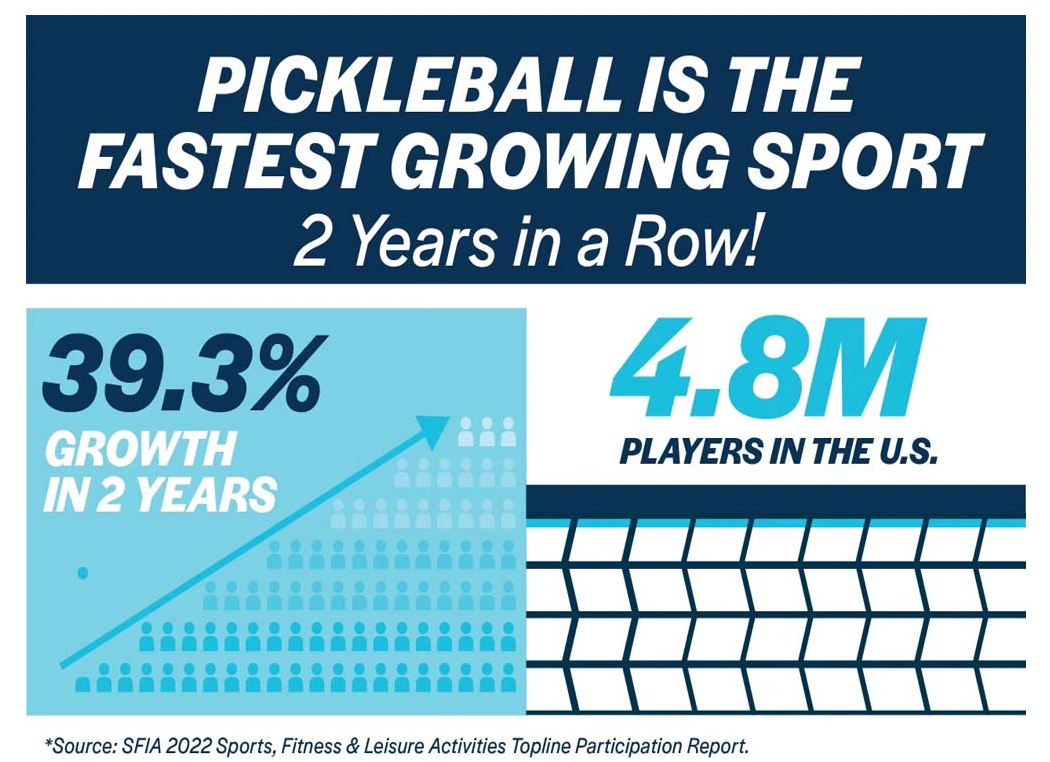
If you want the tightest answer to how many people play pickleball in the US, look at active participants. Recent national reports put active players in the 13–14 million range for 2023. That reflects people who play at least a few times per year, not just once.
The broader “played at least once” figure is much bigger. Multiple large-scale surveys reported 36 million or more people tried pickleball during 2022. Newer estimates suggest that number grew further in 2023, driven by more courts, leagues, and school programs.
Here’s the short version:
- Active players in 2023: about 13–14 million.
- Played at least once in the last year: 36–40+ million, depending on the survey window.
If your goal is market sizing or planning programs, use the active number first. If your goal is brand awareness or top-of-funnel interest, the larger “tried it” number shows how many Americans are in the pipeline. Both help answer how many people play pickleball in the US from different angles.

Who is playing: age, gender, and where they live
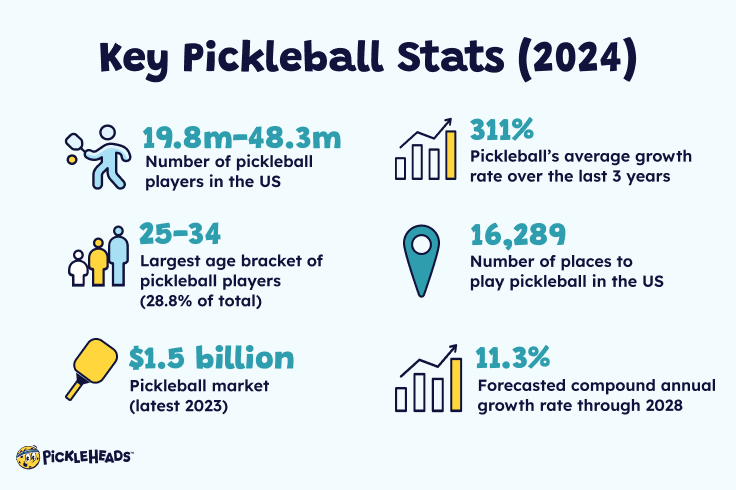
When people ask how many people play pickleball in the US, they also want to know who they are. The sport started with older adults, but it’s now a true cross-generational game. The fastest growth has come from ages 18–34, while 55+ remains a strong base.
Gender participation is getting more balanced as women’s leagues and social ladders expand. Growth is broad across the map, with hot spots in the Sun Belt, Pacific Northwest, Mountain West, and Midwest metros. Suburbs with strong parks and rec budgets tend to add courts faster, which draws more players.
From my work with city programs, weekday mornings are still popular with retirees. Evenings and weekends now fill with younger players, families, and high school clubs. That mix supports the higher estimates of how many people play pickleball in the US today.
How fast is pickleball growing?
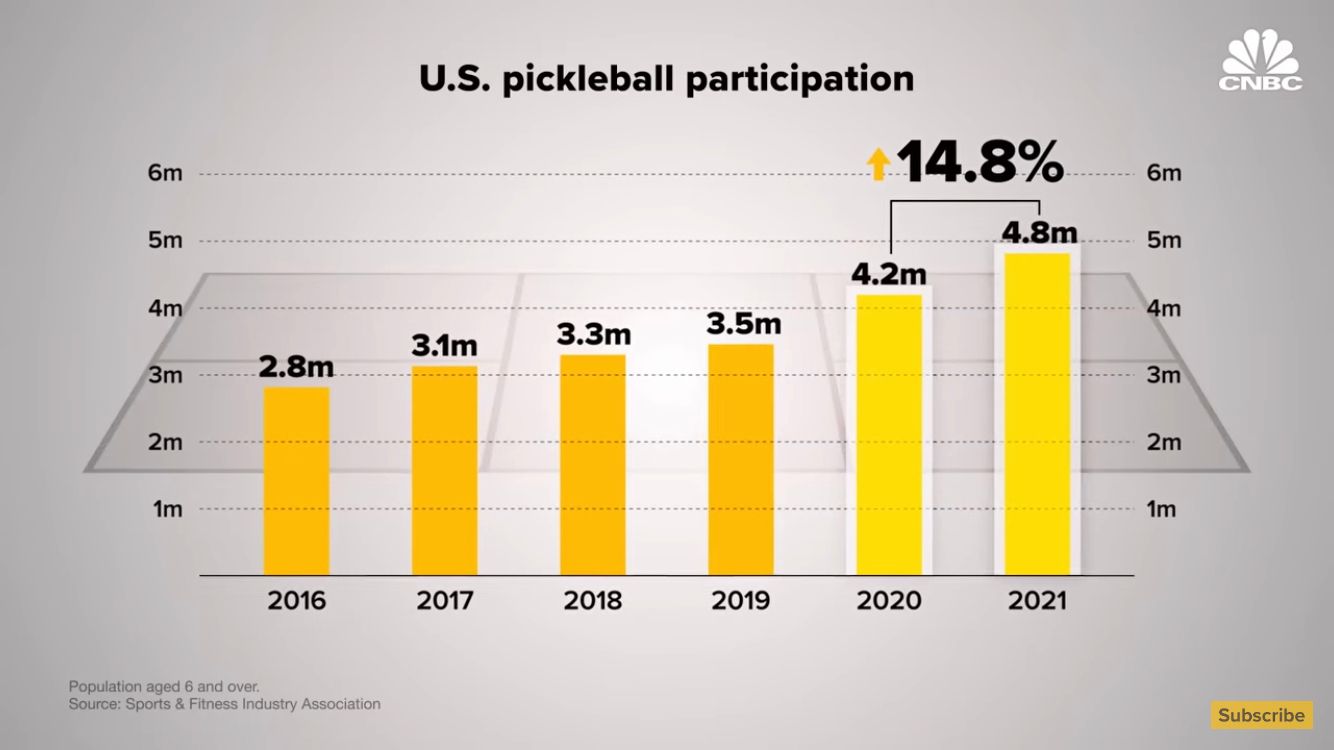
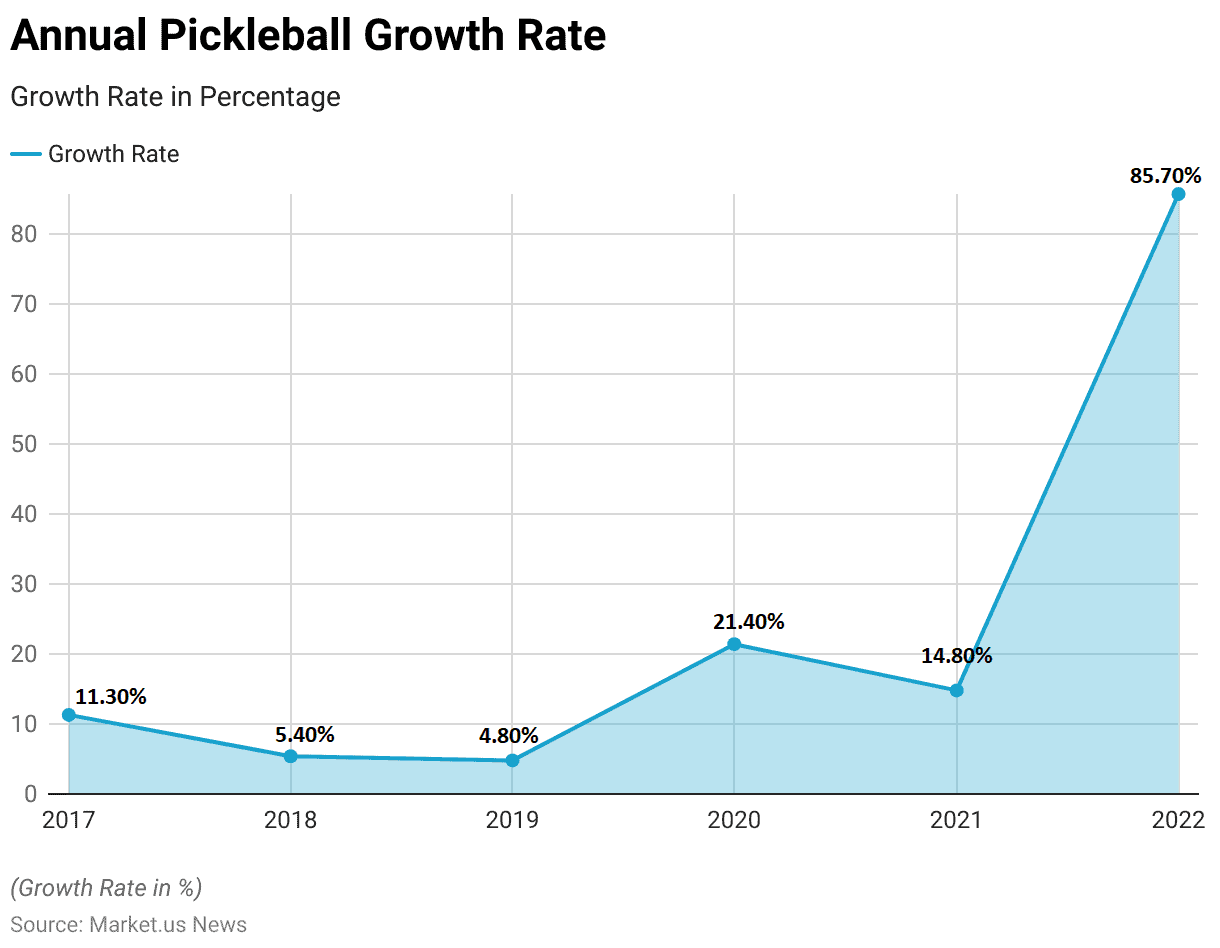
If you’re tracking how many people play pickleball in the US over time, the trend is steep. Participation nearly doubled from 2021 to 2022 by some measures. Growth stayed strong into 2023 as more communities added lines, nets, and beginner clinics.
A simple way to picture it: a snowball rolling downhill. Early adopters brought friends, clubs formed ladders, and then parks built permanent courts. Even if growth cools, the base is large, and retention is improving as more players find regular groups.
Where the numbers come from and why they differ
It’s normal to see different answers to how many people play pickleball in the US. Here’s why:
- Definition differences. “Played at least once” vs. “active participant” creates a big gap.
- Survey methods. Some use large online panels; others use phone or multi-stage samples.
- Time windows. Rolling 12-month windows can capture spikes or seasonal swings.
- Data cleaning. Removing duplicates, weighting for age/region, and error margins all matter.
As a rule of thumb:
- Use active participants to plan leagues, ladders, and membership targets.
- Use “played at least once” to forecast awareness, content reach, or first-time classes.
When I advise local clubs, I tell them to triangulate. Start with national ratios, then test them against your facility sign-ups, court reservations, and event attendance. That’s the most reliable way to localize how many people play pickleball in the US where you live.
What these figures mean for parks, clubs, and brands
The size of the player base shapes real decisions. If 13–14 million Americans are active, demand for courts, coaching, and events will stay high. If 36–40+ million tried the sport, there’s a huge audience for beginner programs and family-friendly events.
Practical moves I’ve seen work:
- Parks and rec. Convert underused tennis courts during peak hours; keep clear signage to reduce friction.
- Clubs. Offer a beginner series with loaner paddles; graduate players into social ladders.
- Retailers and brands. Stock bundles for duos and families; create entry-level content with simple drills.
- Schools and colleges. Intramurals are a high-impact gateway for growth.
In short, when you ask how many people play pickleball in the US, think in segments. New, casual, and core players each need different programs and products.

How many courts and places to play exist
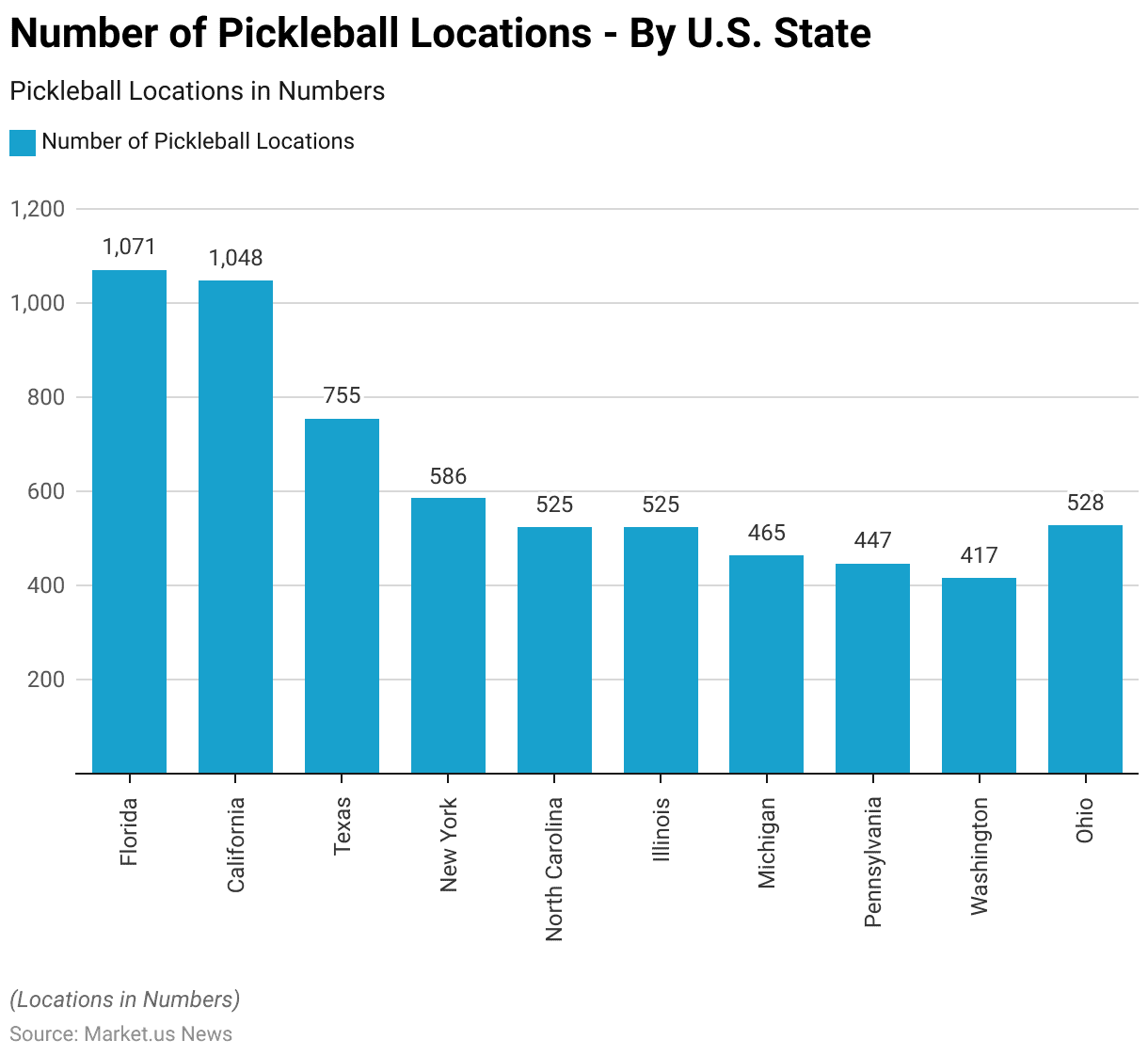
Courts are the heartbeat behind how many people play pickleball in the US. Public databases and association trackers list well over 10,000 places to play, with tens of thousands of dedicated and shared courts. Many cities now run reservation apps to manage demand.
From my experience helping a mid-sized city, a 6–8 court complex can host several hundred unique players each month. That single site can onboard hundreds of new players per season with beginner nights and open play. Court supply is still tight in fast-growing regions, which is why new builds fill up quickly.

Tips to estimate local demand (and avoid common mistakes)
Wondering how many people play pickleball in the US near you? Use these quick checks:
- Count court-hours. Multiply available court-hours by average players per hour to estimate capacity.
- Track peak vs. off-peak. Evenings and weekend mornings often run at 90%+ capacity.
- Survey your audience. A 3-question QR survey at open play can map skill levels and frequency.
- Watch conversion. Track how many beginners return within 30 days; aim for 40–60%.
Common mistakes I’ve seen:
- Building schedules for experts only. Keep beginner ladders and socials so new players stick.
- Ignoring neighbors. If nearby towns lack courts, expect spillover demand.
- Under-communicating. Post clear rules and levels at the gate; confusion drives people away.
These steps ground the big national stats in local reality and give a clearer view of how many people play pickleball in the US in your area.
Frequently Asked Questions of how many people play pickleball in the us
What is the most reliable number for how many people play pickleball in the US?
Use active participants. Recent national data places that at about 13–14 million in 2023. It reflects people who play several times a year.
Why do some reports say 36 million or more played?
Those larger figures count anyone who played at least once in the past year. They show broad interest, not steady engagement.
Is pickleball still the fastest-growing sport in the US?
Yes, by many measures. Growth surged from 2021–2023 and remains strong due to more courts, school programs, and social formats.
Which age group is growing the fastest?
Ages 18–34 have grown the fastest recently. The 55+ group remains large and very active.
How many people play pickleball in the US at competitive levels?
A smaller share competes in leagues or tournaments, but it’s growing. National memberships number in the tens of thousands, while local leagues serve hundreds of thousands.
How many people play pickleball in the US compared to tennis or golf?
Pickleball’s active base is smaller than tennis or golf but catching up fast. The sport benefits from lower costs, easier learning, and shorter play times.
Where can I find updated counts on how many people play pickleball in the US?
Check major national sports participation reports and association updates each year. Local parks and clubs also share usage data that can supplement national numbers.
Conclusion
If you’re looking for a single best answer to how many people play pickleball in the US, use about 13–14 million active players, with 36–40+ million having tried it in the past year. That split explains the packed courts and long waitlists, but also the steady stream of new players arriving each week.
If you run a program, plan for both groups: give beginners a soft landing and give regulars a clear path to level up. Want more data, templates, and local demand tools? Subscribe for updates or leave a comment with your city, and I’ll share a tailored estimate for your area.