Pickleball is played with 2 for singles or 4 for doubles.
Curious about how many people to play pickleball and what to do with odd numbers? You’re in the right place. I coach new and seasoned players, and I’ll show you the official formats, smart rotations, and real-life setups that work at parks, clubs, and driveways. This guide makes how many people to play pickleball simple, so you can spend more time playing and less time guessing.

Singles or doubles: the official answer
The official game supports two formats. Singles uses two players, one on each side. Doubles uses four players, two per side. Most open play and leagues favor doubles because it’s social, fast, and easier on the body.
Here is what changes by format:
- Court: Same size for both. The only extra line to note is the non-volley zone (the kitchen).
- Scoring: Rally only counts on the serving team’s side. Games are usually to 11, win by 2.
- Serving: Diagonal serve, underhand. In doubles, both partners serve before a side-out, after the first service turn.
- Movement: Singles demands more court coverage. Doubles rewards teamwork and positioning.
If you came here asking how many people to play pickleball, the official rulebook makes it clear: two or four is standard. But many fun formats let you play with three, five, or even a crowd.
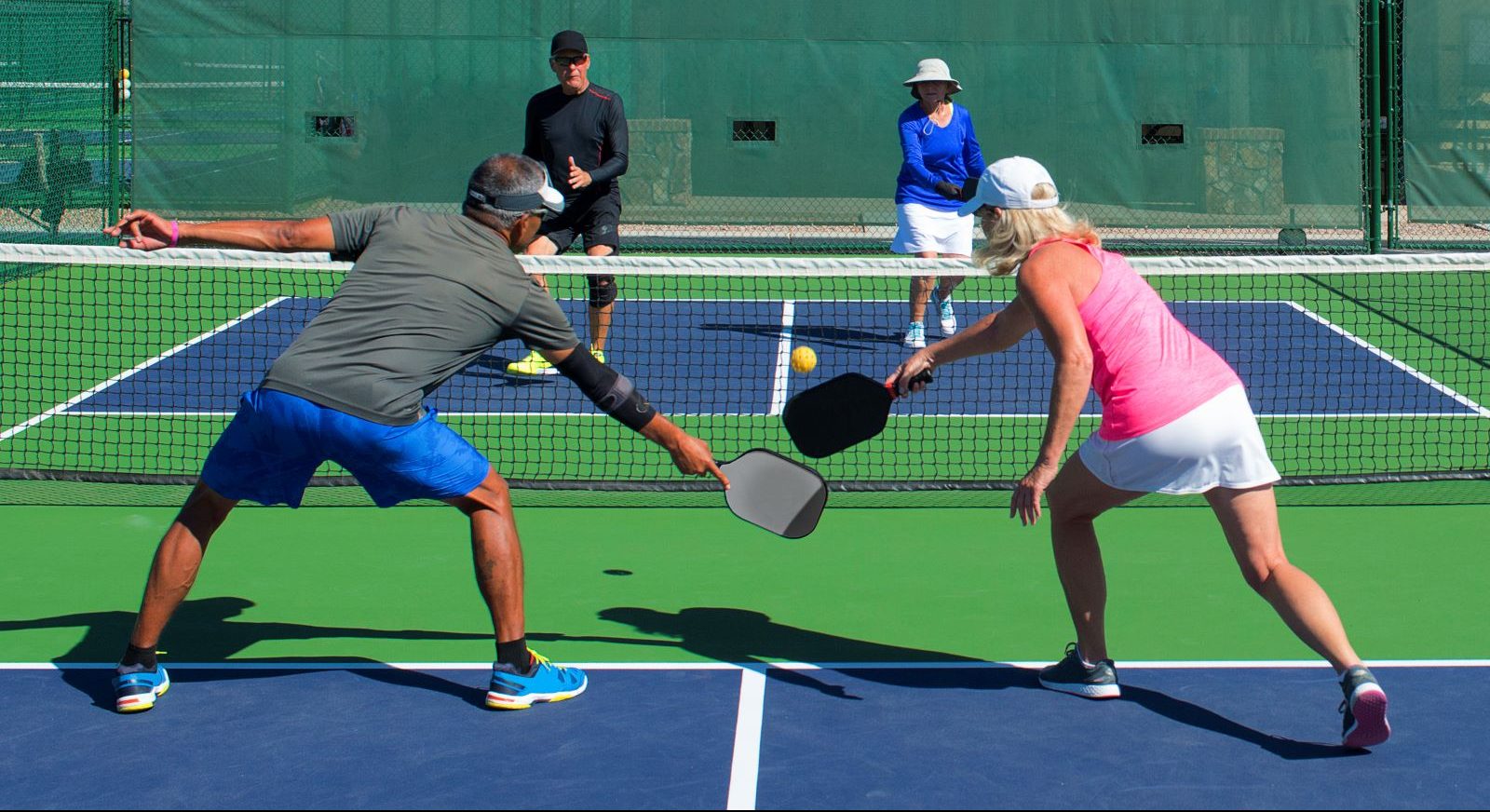
Group size guide: exactly how many people to play pickleball in every scenario
Wondering how many people to play pickleball when your group size changes? Use this quick guide I rely on during clinics and open play.
Two players
* Best option: Singles.
- Great for fitness, footwork, and serves.
- Try “skinny singles” to reduce running. You play only half the court, either diagonal or straight on.
Three players
- Best option: Canadian doubles. One side has two players at the kitchen. The single player serves and receives on both sides.
- Rotate the single after each game to keep it fair.
- Or play skinny singles round-robin. Quick games to 7.
Four players
- Best option: Standard doubles.
- Switch partners each game for a social mix, or keep set teams for a challenge court.
- If learning, try cooperative dinking rallies to build control.
Five to six players
- Best option: Doubles with a waiting rotation.
- Winner-stay-and-split keeps teams fresh and wait times short.
- If you ask how many people to play pickleball without long waits, five or six works well with short games to 7.
Seven to ten players
- Best option: Two courts, or one court with fast rotations.
- Use a paddle stack so players know their spot in line.
- Run mini-games to 7, win by 1, to keep things moving.
When people ask how many people to play pickleball for a casual night, I say four is ideal, but three and five also work with the right format. The key is to set clear rules, rotate fairly, and keep games short.
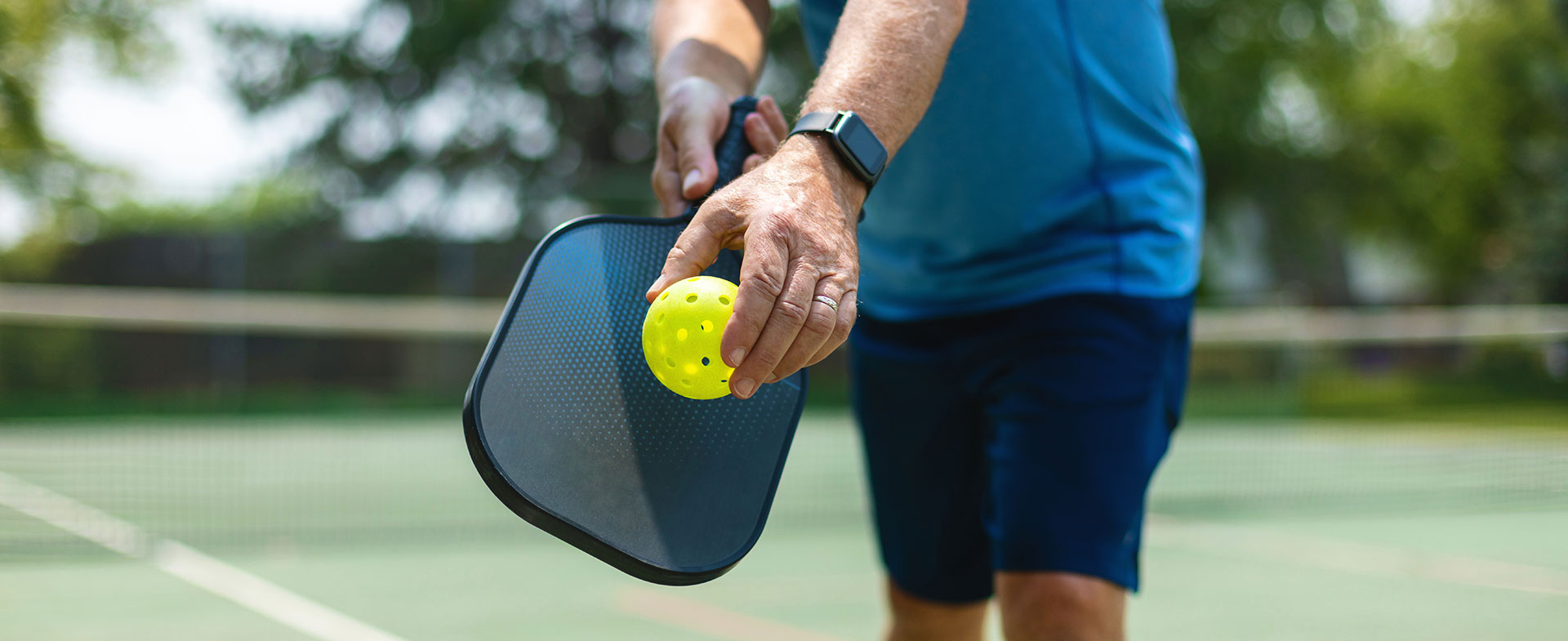
Formats that work with odd numbers
If your group is odd and you still want to know how many people to play pickleball smoothly, try these tested formats I use in lessons and social play.
Canadian doubles (3 players)
- One player vs two. The single serves and receives both sides.
- Rotate who is solo each game.
- Keep games short. To 7 or 9 points.
Skinny singles (2 or 3 players)
- Use half the court. Choose cross-court or straight down the line.
- Rotates fast. Great for control and placement.
- Less running, more accuracy.
King or queen of the court (5 to 10 players)
- One challenge court. Winners stay for one more game, then rotate out.
- Short games keep the line moving.
- Works for doubles or skinny singles.
Winner-split rotations (5 to 6 players)
- Winners split and play with new partners.
- This mixes skill levels and improves pairing fairness.
- Good when you cannot set strict teams.
When friends ask how many people to play pickleball without drama, I suggest these formats first. They are fair, fast, and fun.

How to run fair rotations at parks, clubs, and driveways
A little structure saves time and keeps things friendly. This is how I set it up when people ask how many people to play pickleball at our local courts without chaos.
- Paddle stack system: Place paddles in a line. First four go on court. Winners stay or all four come off, based on posted rules.
- Time-box games: Play to 9 or 11, or use a 12-minute timer. Short games reduce wait times.
- Challenge court: One court for higher-level play. Winners stay for one game only, then rotate.
- Clear labels: Post the format. New players relax when they see the plan.
- Respect skill balance: If new players are waiting, mix them in. Pair them with a mentor for one game.
Mistakes to avoid:
- No one likes “captains” stacking teams forever. Rotate partners often.
- Don’t let one group squat on a court all evening. Rotate off. Share.

Choose the right format for your goal
Your goal guides the format. This also answers how many people to play pickleball for the result you want.
- Fitness and movement: Singles or skinny singles. Two players.
- Fast social play: Doubles with winner-split. Four to six players.
- Skill building: Cooperative drills, then point play. Two to four players.
- Warm-up or rehab: Skinny singles and kitchen dinks. Two to three players.
- Family fun: Doubles with soft balls. Four players, short games.
If you ask me how many people to play pickleball when teaching basics, I choose four for doubles. It teaches communication, positioning, and soft game control.

Sample practice plans by player count
Use these simple plans that I use in clinics. They keep things moving and build skills fast.
Two players, 30 minutes
- 5 minutes: Warm-up dinks at the kitchen.
- 10 minutes: Serves and returns to targets.
- 10 minutes: Skinny singles, first to 7.
- 5 minutes: Volleys and resets.
Three players, 40 minutes
- 10 minutes: Triangle dinks. Each player hits to the next.
- 15 minutes: Canadian doubles, rotate solo each game.
- 10 minutes: Third-shot drops, rotate hitter.
- 5 minutes: Stretch and review.
Four players, 45 minutes
- 10 minutes: Cooperative dinks and resets.
- 15 minutes: Doubles games to 7, switch partners.
- 10 minutes: Target serves and returns.
- 10 minutes: Challenge rally: first team to 10 clean dinks.
Five to six players, 60 minutes
- 10 minutes: Warm-up on-court, others shadow footwork off-court.
- 30 minutes: Doubles to 7. Winner-split rotation.
- 10 minutes: Cross-court dink ladders.
- 10 minutes: King or queen of the court finisher.
With these plans, how many people to play pickleball becomes flexible. You can improve with any group size.
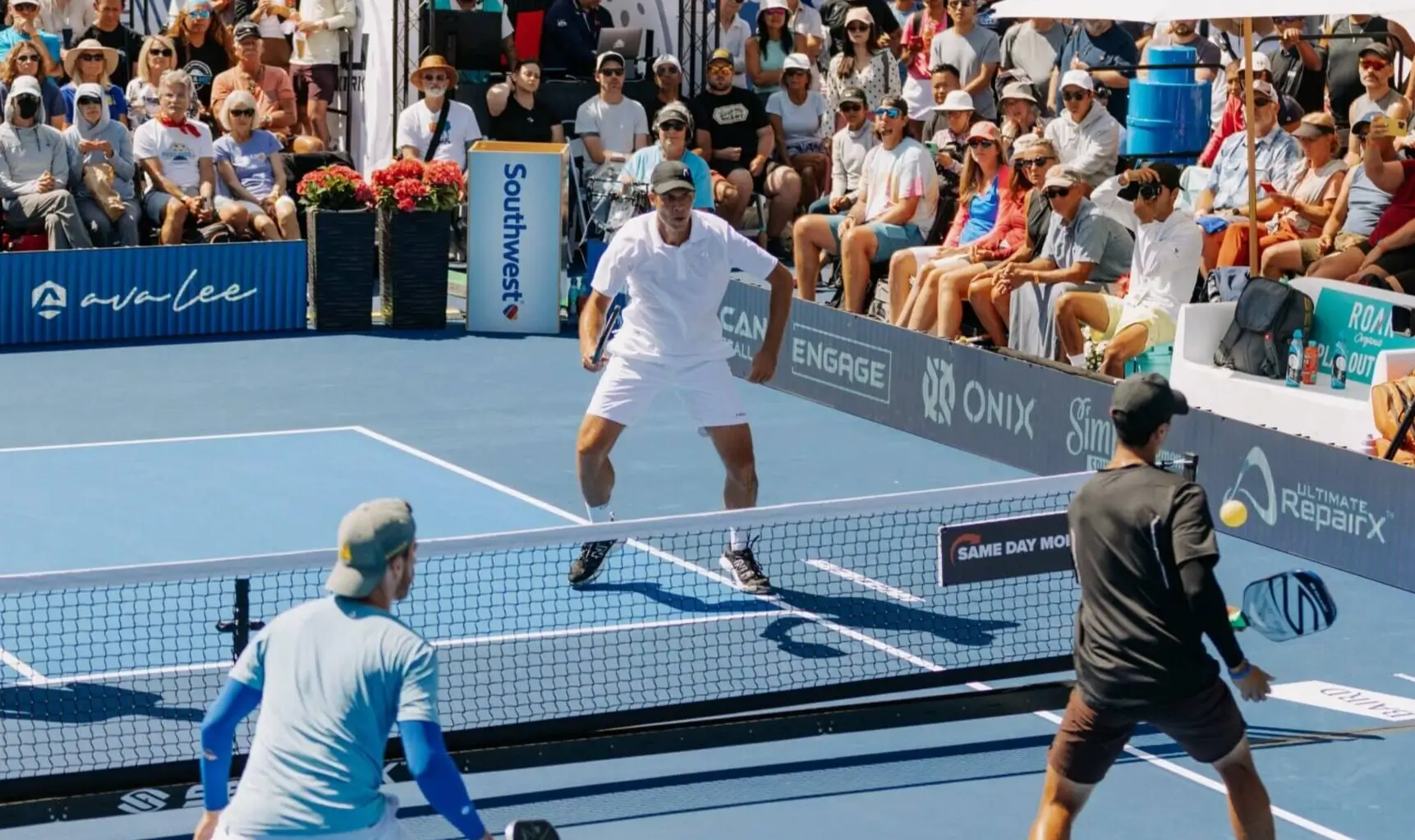
Safety, space, and equipment tips by group size
Safety and simple gear choices make play smoother, no matter how many people to play pickleball you bring.
- Shoes: Wear court shoes for grip and ankle support. Running shoes can slide.
- Balls: Use outdoor balls on rough courts. Indoor balls for smooth floors.
- Nets: Portable nets are fine for driveways. Check center height at 34 inches.
- Space: Keep bags and water off the court edges to prevent trips.
- Warm-up: Light jog, shoulder circles, and wrist flicks. Two minutes saves weeks of soreness.
- Lighting: If you play at dusk, face the sun away from the server’s view.
I once skipped a warm-up in a rush game and felt it for days. Take two minutes every time. You’ll thank yourself.

Frequently Asked Questions of how many people to play pickleball
How many people do you need to play pickleball?
Two for singles or four for doubles. That’s the official setup and the most common way to play.
Can you play pickleball with 3 players?
Yes. Use Canadian doubles or skinny singles. Rotate who plays solo to keep it fair.
What’s the best way to handle 5 players on one court?
Run doubles with a waiting rotation. Keep games short to 7 so the wait is brief.
Is singles harder than doubles?
Singles is more physical with more court to cover. Doubles requires teamwork and softer touch at the kitchen.
Can kids and adults play together?
Yes, with softer balls and short games. Mix teams so each side has a steady player.
How long does a pickleball game last?
Most casual games take 10 to 20 minutes. Shorter if you play to 7, longer if you play to 11 or 15.
Do the rules change for 3 or 5 players?
Official rules cover singles and doubles. For odd numbers, use house formats like Canadian doubles and agree on rotation.
Conclusion
You now know how many people to play pickleball in almost any setting. Two players for singles, four for doubles, and smart formats for odd groups. With clear rotations, short games, and simple safety steps, you can turn any meetup into smooth, fun play.
Grab a paddle, pick a format that fits your group, and try a quick game to 7. If this helped, share it with your crew, subscribe for more guides, or drop your favorite local rotation in the comments.