
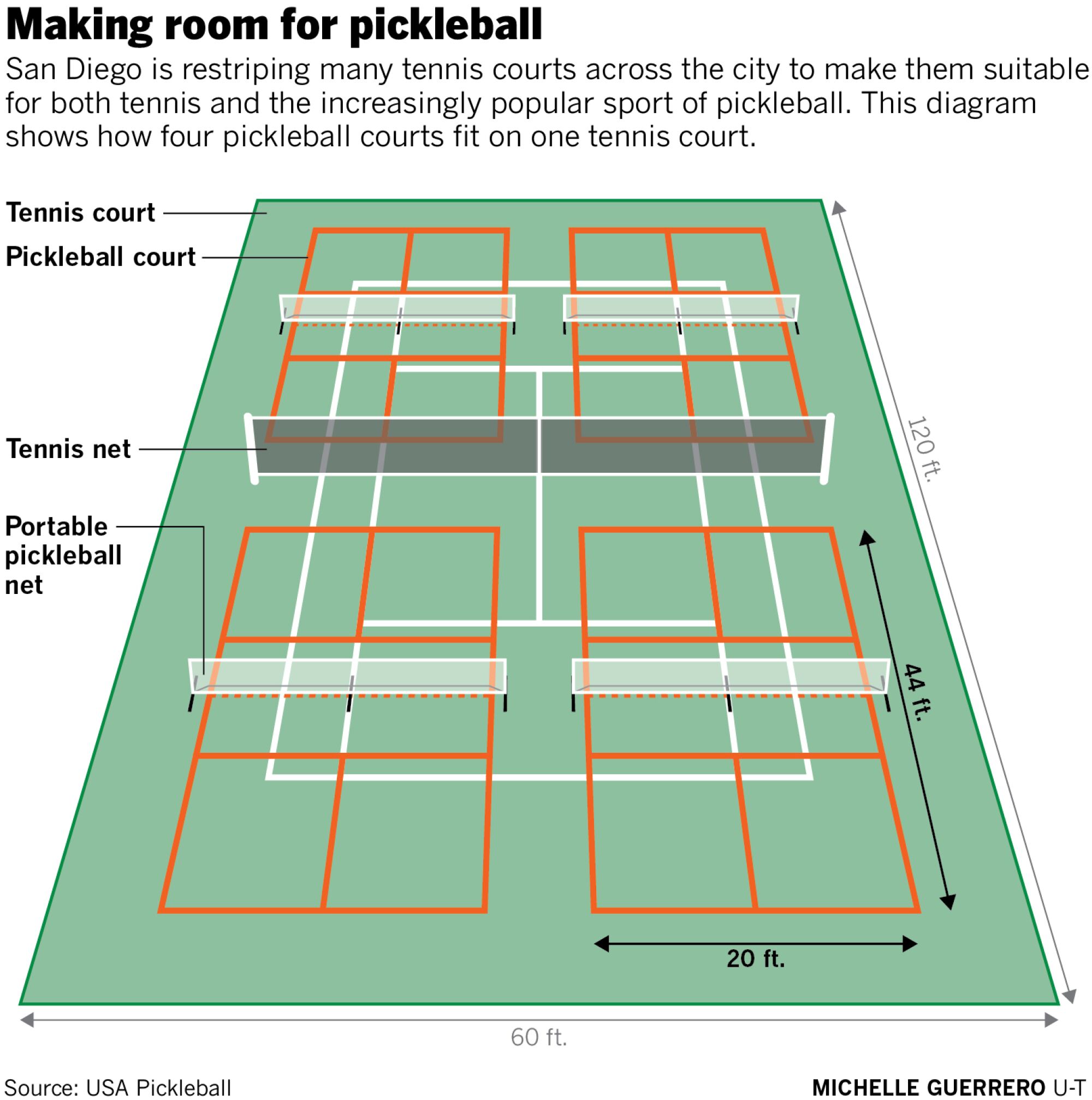
You can fit 2 to 4 pickleball courts on one standard tennis court.
If you want a quick, safe setup, plan for two. If you want max play, four is common with tight buffers and smart striping. In this guide, I break down how many pickleball courts fit in a tennis court in different layouts, what dimensions to use, and what works best in real life. I’ve converted dozens of courts for clubs, schools, and cities, and I’ll share the steps, costs, and lessons that will save you time and headaches.
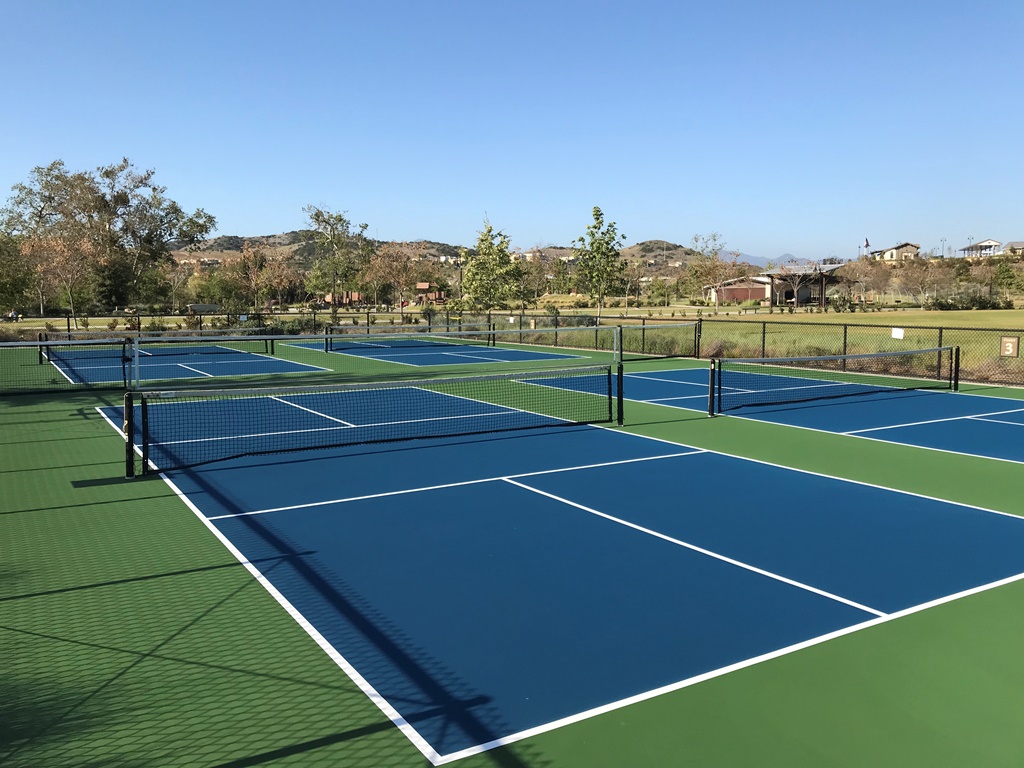
Court sizes and clearances you need
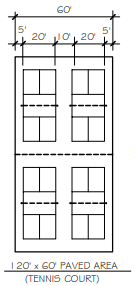
Pickleball court dimensions are 20 feet by 44 feet. That is the playing area. To play well and avoid crashes, you need space around the lines. The minimum recommended total area per pickleball court is 30 feet by 60 feet. The preferred total area is about 34 feet by 64 feet for top play.
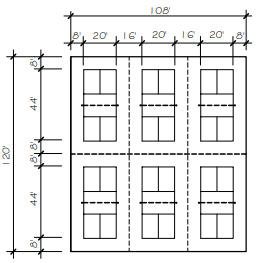
A standard tennis court within the fence is 60 feet by 120 feet. That fenced footprint is the key when we ask how many pickleball courts fit in a tennis court. Using the 60 by 120 space, four pickleball courts can fit in a grid with modest shared space. Two courts fit with generous safety space and walkways. Three courts fit when you want more comfort but still host more players.
Here is the rule of thumb I use:
- Four courts on one tennis court is common for open play with shared interior runoffs.
- Two courts is best if you want more space and fewer line conflicts.
- Three courts is a sweet spot for comfort while boosting capacity.
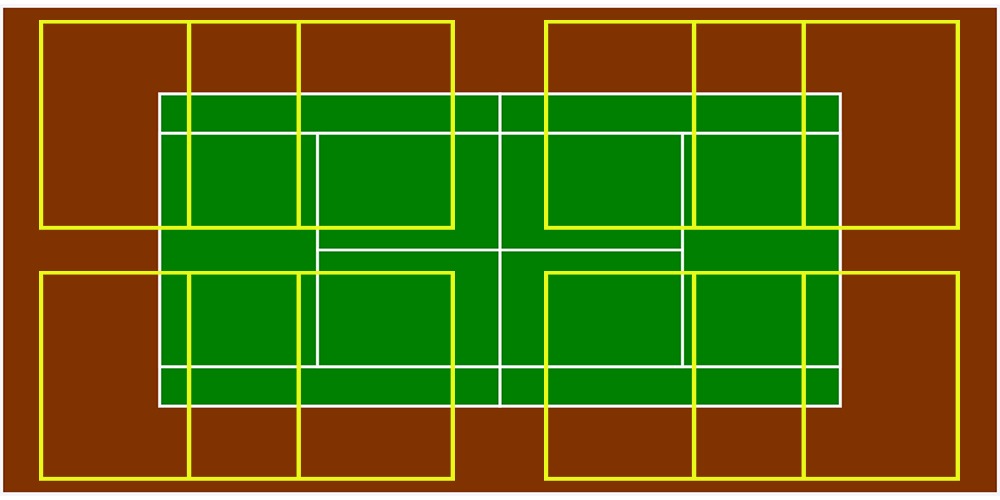
The short answer by layout: 2, 3, or 4
You are here to know how many pickleball courts fit in a tennis court. The short answer depends on the space you allow around each court.
-
Four courts
- Works inside 60 by 120 with each court near 30 by 58 to 60 total area.
- Great for open play and events.
- Use shared aisles between courts of 4 to 8 feet if possible.
-
Three courts
- Adds safer space along sides or behind baselines.
- Ideal when you expect beginners or kids.
- Easier for ball control and fewer run-ins.
-
Two courts
- Gold standard for space and safety.
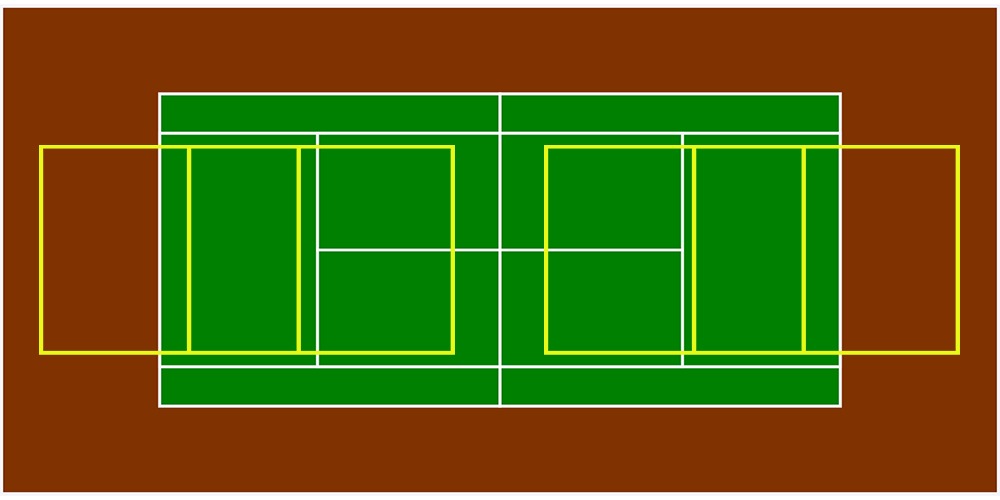
- You can honor the 30 by 60 minimum for each court and add walkways.
- Best for clinics, coaching, or higher-level play.
If you must ask how many pickleball courts fit in a tennis court for tournament-level spacing, go with two. If your goal is to get more people playing at once, four works, and it is what many parks choose.
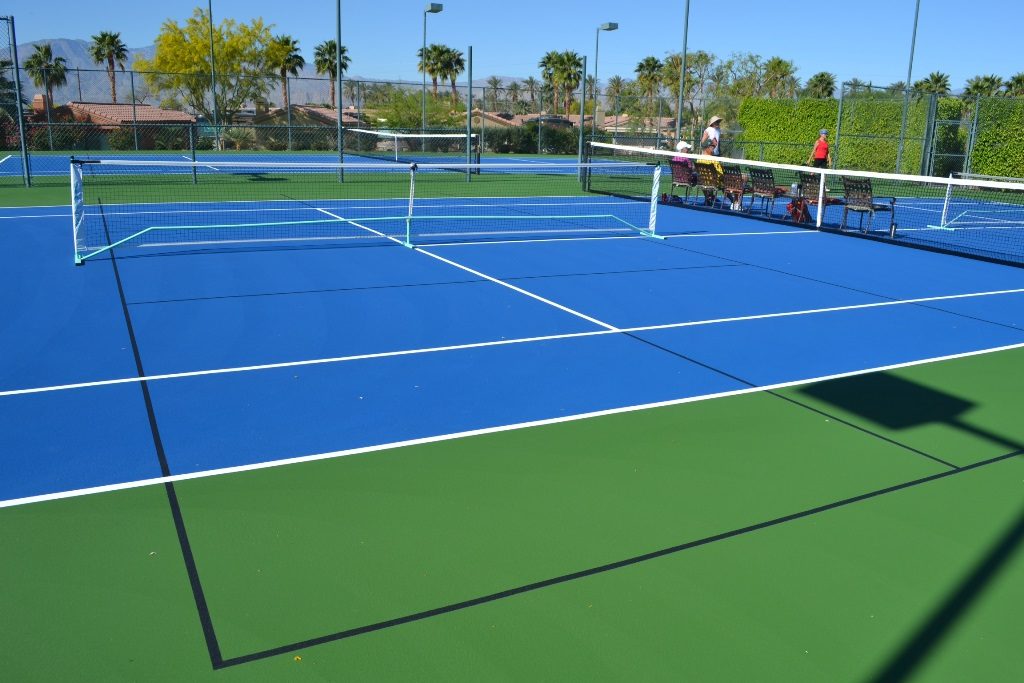
Step-by-step layout guide on a real court
I use this exact checklist when I help a city stripe a shared tennis-to-pickleball setup. It keeps things neat and safe.
- Measure the full fence-to-fence space. Confirm it is 60 by 120 feet.
- Pick your layout. Four courts in a 2-by-2 grid, or two courts side by side, are the most common.
- Choose orientation. Place pickleball courts so the sun angle is fair for both ends. A north-south layout helps.
- Mark your centerlines. Snap chalk lines for the main axes. Accurate centerlines prevent drift when you paint.
- Block out each court. For four courts, aim for about 30 by 58 to 60 feet per court, with shared lanes in the middle.
- Mark the 20 by 44 playing box for each court. Then add the non-volley zone lines 7 feet from the net.
- Add sidelines and baselines. Keep side runoffs near 5 feet and baseline runoffs near 7 to 10 feet when you can.
- Place net posts and nets. Portable pickleball nets are 22 feet wide and sit at 34 inches in the center.
- Test play before paint. Lay down temporary tape first. Hit for 10 minutes. Adjust if runoffs feel tight.
- Paint or tape final lines. Use a color that contrasts the tennis lines. Lighter pickleball lines make it less confusing for tennis.
This process answers how many pickleball courts fit in a tennis court with a plan you can repeat. It keeps you on code while still practical for real play.
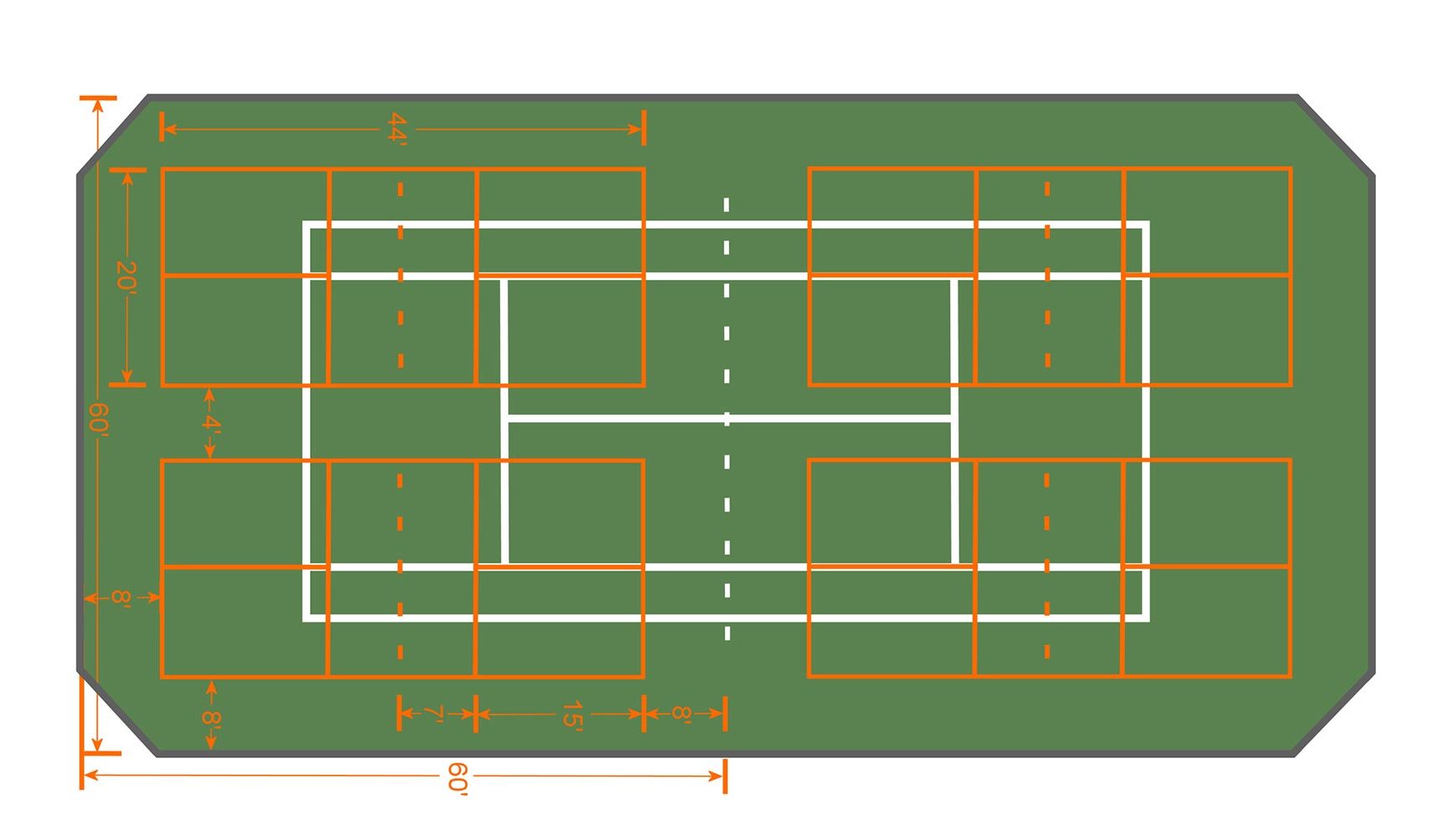
Lines, nets, and gear checklist
The parts you choose can make or break the conversion. Here is what I use and why.
-
Temporary line tape
- Blue painter’s tape or removable vinyl tape.
- Good for gyms and events. Remove it without damage.
-
Paint for permanent lines
- Acrylic court paint with a contrasting color to tennis lines.
- Ask for a light tone so tennis players can still focus on their lines.
-
Portable pickleball nets
- 22-foot nets with center support.
- Look for weighted bases if your area is windy.
-
Measuring tools
- Tape measure, chalk line, and a long straight edge.
- A laser measure helps on large courts.
-
Court markers
- Corner T-markers and temporary dots.
- Great for testing how many pickleball courts fit in a tennis court before you commit to paint.
Safety, spacing, and noise tips
Space is safety. The best play zones have smooth flow and no blind corners.
-
Runoff space
- Aim for at least 5 feet at the sides.
- Aim for 7 to 10 feet behind each baseline when possible.
-
Inter-court aisles
- Leave 4 to 8 feet between adjacent baselines or sidelines.
- Use this space as a safe passing lane.
-
Fences and gates
- Do not start a court right at a gate. Give room to enter and set bags.
- Add wind screens to reduce glare and cut wind.
-
Noise and neighbors
- Paddles and balls make a pop. If that matters, use quieter balls or install sound screens.
- Post court hours to keep good relations.
Safe, happy players are more likely to return. That matters as much as how many pickleball courts fit in a tennis court.
Temporary vs permanent conversion
You can stripe for a day or build for the long run. Both paths work. The choice depends on how often you play and who uses the court.
-
Temporary setup
- Use tape and portable nets.
- Fast to set up and remove. Best for schools, gyms, rentals, and shared tennis use.
- Low cost and flexible. Lines can shift if tape loosens in heat or rain.
-
Permanent conversion
- Paint lines, install sleeves or posts, and add dedicated nets.
- Feels pro, lasts longer, and improves daily use.
- Costs more and may reduce tennis access. Plan with your facility first.
When folks ask how many pickleball courts fit in a tennis court for a one-day event, I suggest four with temporary tape. For a permanent plan, I push two or three to keep playing space generous.
Cost, timing, and budget
Prices vary by city, labor, and materials. These ranges reflect what I see most often.
-
Portable nets
- $150 to $400 each for mid-range sets. Four courts need four nets.
-
Tape and paint
- Temporary tape for four courts: $50 to $150.
- Permanent line painting for one tennis court conversion: $400 to $1,500 depending on labor and coatings.
-
Posts and sleeves
- Permanent net posts and sleeves: $500 to $1,200 per court installed.
-
Full resurface and dedicated conversion
- If you resurface and reline from scratch: $6,000 to $12,000+ per tennis court, based on surface condition.
-
Time to install
- Temporary four-court setup with tape: 1 to 2 hours with a three-person crew.
- Permanent painting for four courts: one day for layout and paint, plus cure time.
Budget also guides how many pickleball courts fit in a tennis court for your space. If cost is tight, start with two and expand to three or four later.
Common mistakes to avoid
I have made a few of these, so you do not have to.
-
Ignoring sun and wind
- Courts placed east-west can blind one side at sunset. Rotate if you can.
-
Tight interior lanes
- Zero room between courts causes crashes. Leave at least a small aisle.
-
Confusing line colors
- Dark pickleball lines on dark tennis paint confuse players. Use contrast.
-
Skipping test play
- Tape first, then play before you paint. Small shifts make a big difference.
-
Poor net specs
- Nets sag if the frame is weak. Get a center strap or a better stand.
Fixing these is easy during layout. It is tough after you paint. Smart planning also helps you decide how many pickleball courts fit in a tennis court for your goals.
Frequently Asked Questions of how many pickleball courts fit in a tennis court
Can four pickleball courts fit on one tennis court?
Yes, four can fit inside the 60 by 120 foot space. You will use shared interior aisles and tighter runoffs compared to a two-court setup.
Is two courts safer than four?
Yes, two courts allow larger buffers and clear walkways. It is better for coaching, kids, and players new to the game.
What are the official dimensions of a pickleball court?
The playing area is 20 by 44 feet with a 7-foot non-volley zone on each side. The recommended total area per court is 30 by 60 feet.
Which way should I orient the courts?
A north-south layout reduces sun glare for both sides. If fences or lights limit that, test at the time you plan to play most.
Can I use tennis nets for pickleball?
You can in a pinch, but they are too high and too long. Portable pickleball nets at 34 inches in the center are better and safer.
What color should I choose for pickleball lines on a tennis court?
Use a light color that contrasts with tennis lines, like light blue or light green. This keeps both games readable.
How do I know how many pickleball courts fit in a tennis court at my park?
Measure the fenced area. If it is 60 by 120 feet, four can work; if space is tight or irregular, aim for two or three with better runoffs.
Conclusion
You can fit two to four pickleball courts on one tennis court, and the right number depends on your goals. If you want safer runoffs and easy coaching, start with two. If you want to host big open play, four will serve you well with careful striping and smart aisles. Try a temporary layout first, hit a few balls, and then lock in your lines with confidence.
Ready to set up your courts? Use the steps above, pick your layout, and get players on the court this week. Subscribe for more practical guides and share your layout questions in the comments.