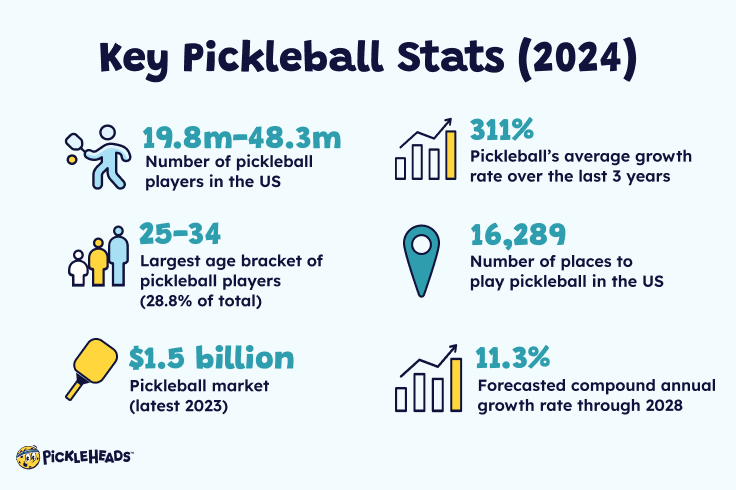
About 13–36 million Americans play pickleball, depending on how participation is measured.
If you want a clear, data-backed answer to how many pickleball players are in the US, you’re in the right place. I track participation studies, talk with club owners, and coach new players, so I see the numbers and the people behind them. In this guide, I break down how many pickleball players in the us by source, method, and what it means for you, whether you play, manage a facility, or build a brand.
The current count: how many pickleball players in the US?
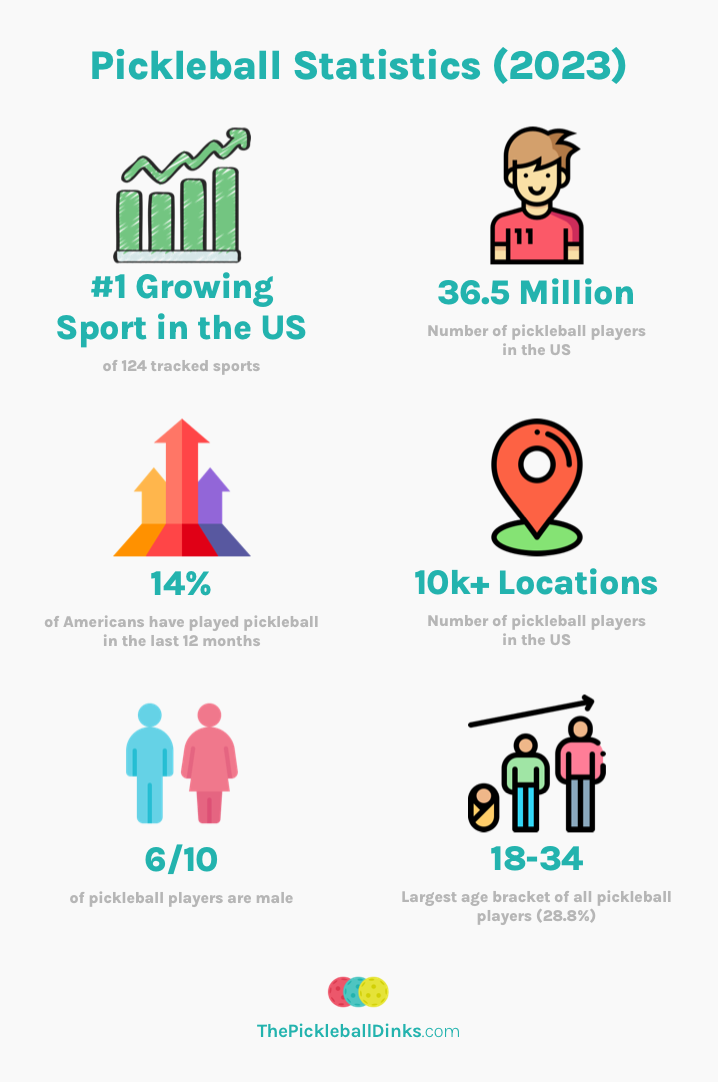
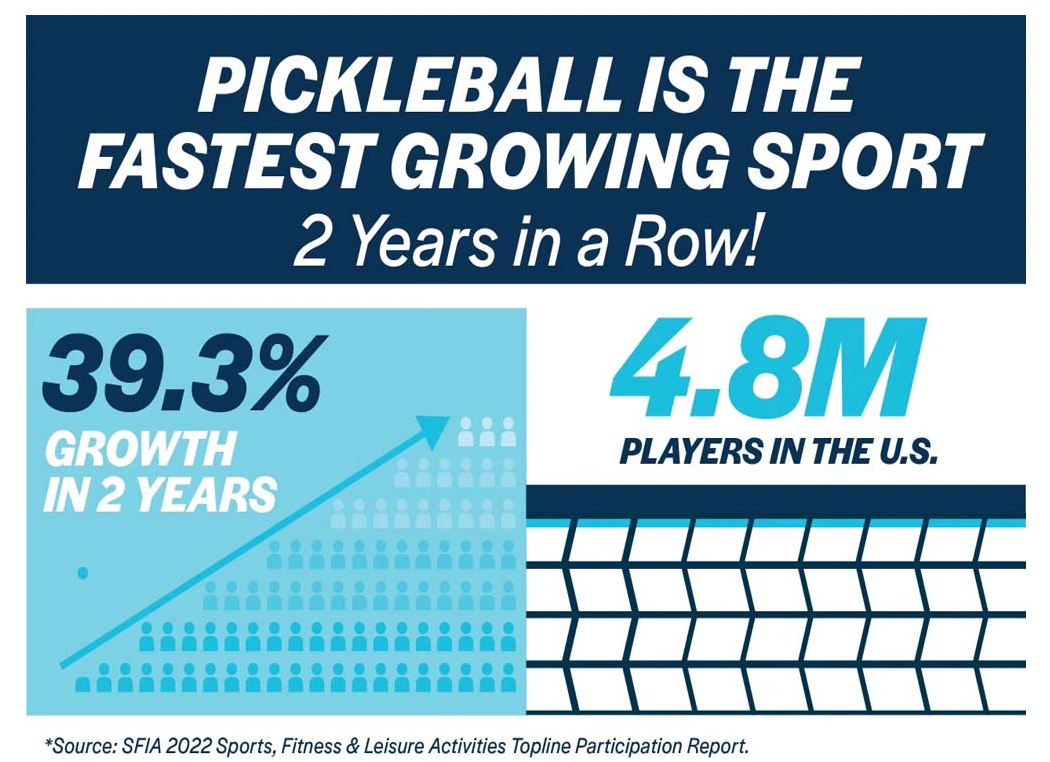
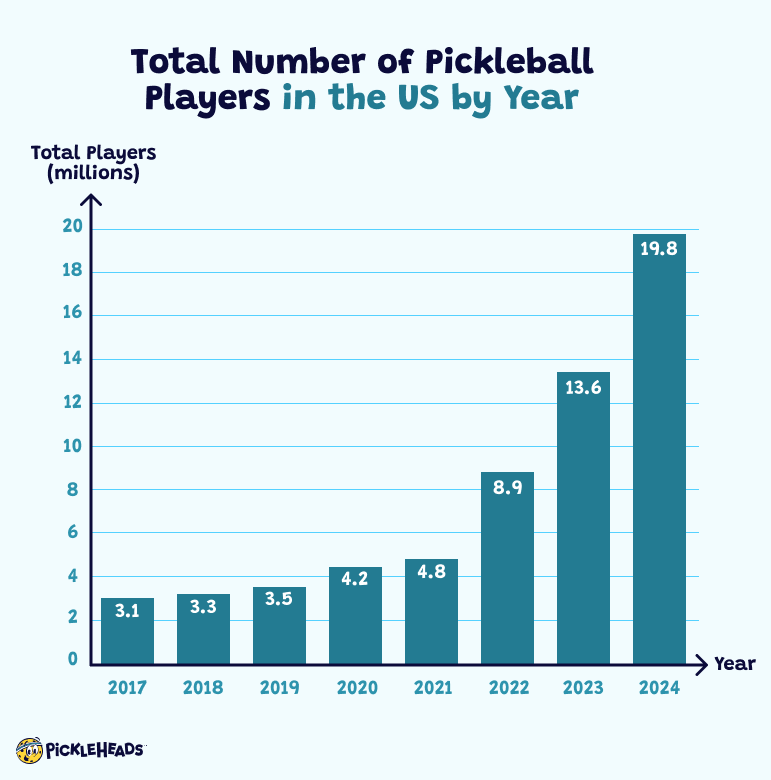
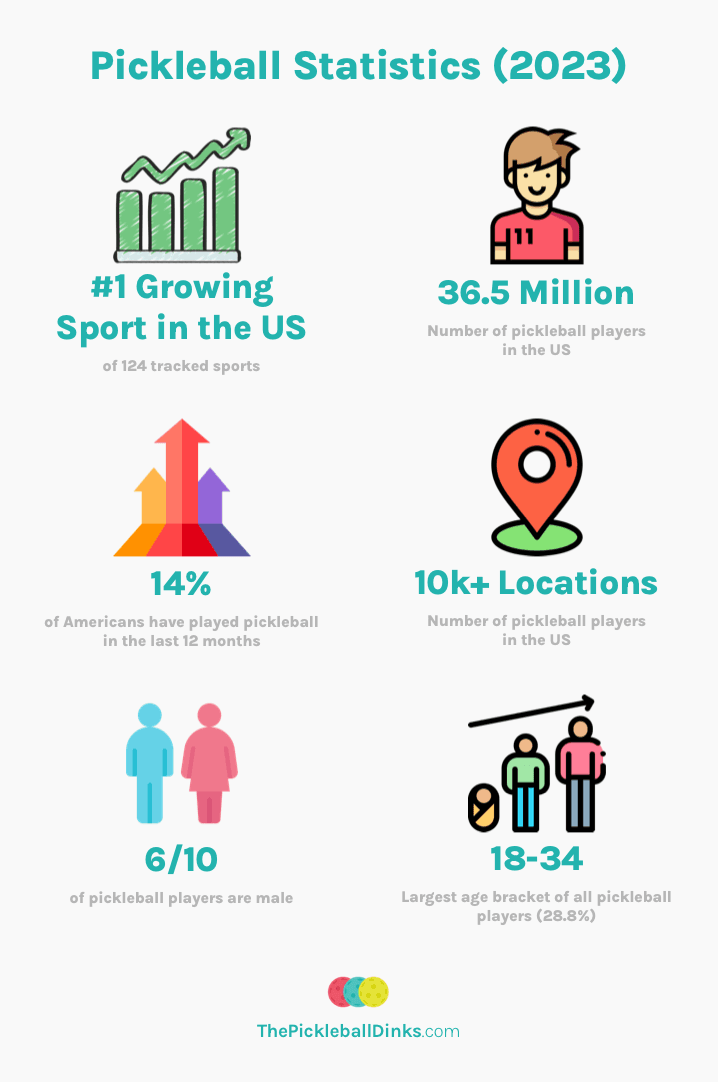
The short version is this. New national participation reports put active US pickleball players at about 13–14 million in 2023. A broader, one-time participation estimate found about 36.5 million Americans played at least once in a recent 12‑month period.
These are both valid. They answer different questions. The 13–14 million figure reflects people who play more than once and treat it as a sport, not a fling. The 36.5 million number captures the huge reach of the game. It includes one‑time players at company picnics, vacations, or school demos.
When people ask how many pickleball players in the us, they usually want active players they can plan around. For that, use the 13–14 million mark and note that the trend is still up in 2024–2025.
What counts as a “player”? casual vs core participation
Not all players are the same. Surveys sort them into buckets:
- Played at least once. Anyone who tried the sport within the past 12 months. This yields the biggest number.
- Casual player. Plays a few times a year. Often social or seasonal.
- Core player. Plays 8 or more times a year. Often joins a club, league, or ladder.
When you compare how many pickleball players in the us across reports, check which bucket is used. Core players drive court demand, league signups, and gear sales. Casual players shape awareness and trial.
From my league signups, I see a steady conversion: many casuals become core within one season once they find a partner and a regular time slot.

Trend lines: growth from 2019 to 2025
Growth is the big story. The sport surged during the pandemic and kept rising.
- 2019–2021. Fast adoption, fueled by open-air play and low cost.
-
- Breakout media year. A striking rise in first‑time players.
-
- Strong jump in active participants to around 13–14 million.
- 2024–2025. Growth continues, but supply (courts, coaches) now shapes how fast local markets expand.
A few takeaways I’ve seen on the ground:
- New facilities fill up within weeks of opening.
- Mixed‑level social events convert curious friends into weekly players.
- Cities with lighted public courts see the fastest evening growth.
If you ask how many pickleball players in the us today versus two years ago, the answer is “far more core players and better retention.” Clubs report more waitlists and earlier signups for leagues.

Who plays: age, gender, and region
Pickleball started with older adults, but it is now wide and balanced.
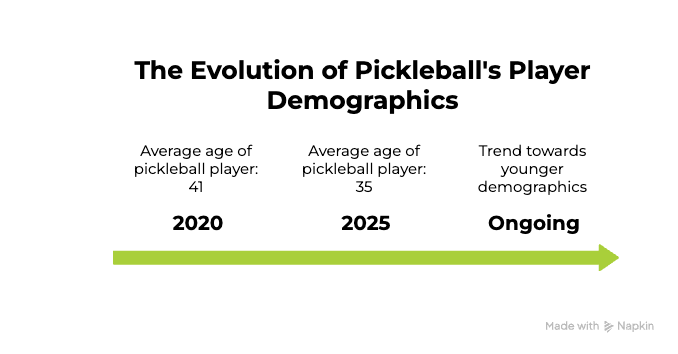
- Age. The fastest growth is under 35, while 50+ remains a strong base. Family play is common, which boosts retention.
- Gender. Men are slightly ahead in participation, but women’s leagues and clinics are rising fast.
- Region. The South and West lead thanks to weather and more outdoor courts. Urban centers add indoor court time to keep up.
In my city, daytime courts skew 50+, while evening slots skew 20–40. That split helps explain how many pickleball players in the us show up in surveys. Different times pull different groups, but they are all growing.

Why estimates differ: methods behind the numbers
If two reports disagree on how many pickleball players in the us, it is usually about methods.
- Definition. “Played at least once” vs “active” vs “core.”
- Recall window. Past 12 months vs calendar year vs seasonal waves.
- Sampling. National online panels vs club databases vs retail data.
- Weighting. Adjustments to match US population demographics.
Use this rule of thumb:
- For national reach, cite the higher one‑time figure.
- For planning courts, clinics, or leagues, use the active/core figure.
- For gear and lessons, factor both: trial volume and repeat play.
I triangulate estimates by matching survey data with local court usage. When court reservations run near full, local “active” players often equal 3–5% of the nearby adult population.
What it means for you: players, clubs, and brands
For players:
- Expect more courts, leagues, and ladder play. Sign up early.
- Try different ball types and paddle shapes to find your fit.
- Learn basic doubles strategy. It speeds up your growth and fun.
For clubs and venues:
- Track prime‑time utilization. Expand ladder slots before open play.
- Offer a clear path from intro clinic to league. This converts casuals to core.
- Partner with parks to meet overflow. Shared schedules help reduce wait times.
For brands and coaches:
- Focus on beginners and returners. They are most common and eager to learn.
- Short, small‑group clinics (60–75 minutes) convert best.
- Content that answers how many pickleball players in the us also draws local readers who are ready to buy or book.
Estimate your local market size
You can build a quick local model with simple inputs.
Step 1: Start with your population
- Use the adult population within a 15–20 minute drive.
Step 2: Apply an active participation range
- Typical active range is 2–6% in areas with courts.
- Use 1–2% if courts are scarce. Use 5–8% if your courts are busy.
Step 3: Convert to court demand
- One active player averages 1.3–1.8 sessions per week.
- A single court supports about 28–42 player sessions per week in shared open play.
- Convert your active count to weekly sessions to size lanes and leagues.
Example:
- 150,000 adults nearby.
- At 4% active, that is 6,000 active players.
- At 1.5 sessions per week, that is 9,000 sessions.
- With 36 sessions per court per week, you need about 250 court‑sessions, or 7 courts, to avoid heavy bottlenecks.
This local math helps answer how many pickleball players in the us matters for your town and how many courts you really need.
Frequently Asked Questions of how many pickleball players in the us
Is pickleball still growing in 2025?
Yes. Participation is still rising, though the pace varies by city. Markets with more indoor courts see steadier year‑round growth.
Why do I see both 13 million and 36 million players cited?
They measure different things. About 13–14 million are active participants, while 36.5 million counts anyone who played at least once in a year.
How many pickleball players in the US are core players?
Core players are those who play 8 or more times per year. They make up the bulk of league and clinic demand and drive most court time.
Which states have the most players?
Warm‑weather states and fast‑growing metros lead, thanks to court supply and climate. Large urban areas with new indoor facilities are catching up fast.
How do surveys count players accurately?
They use national samples and adjust to match US demographics. Definitions and recall windows cause most differences between reports.
What demographics are growing fastest?
Young adults and families show the fastest growth, while 50+ players remain very active. Women’s leagues and beginner clinics are expanding month over month.
How many pickleball players in the US play tournaments?
A small share compared to total players. Most are social or league players, with tournament participation growing as clubs host more events.
Conclusion
If you want the most practical answer to how many pickleball players in the us, plan around 13–14 million active participants and recognize that millions more try the sport each year. The gap between “tried it” and “plays often” is closing as courts, leagues, and coaching expand.
Use the methods here to size your local demand, book smarter, and shape better programs. Ready to dive deeper? Subscribe for updated data, gear tests, and weekly drills, or drop a question in the comments so I can help you grow your game and your pickleball community.