
Most pickleball games go to 11 points, win by 2; some to 15 or 21.
If you want a clear, friendly guide on how many points in pickleball, you are in the right place. I teach new players every week, and I know the little details that confuse people. This article explains how many points in pickleball for singles, doubles, and tournaments. You will learn the scoring basics, pro tips, and common mistakes to avoid so your next match runs smooth.

How many points in pickleball: the standard rules
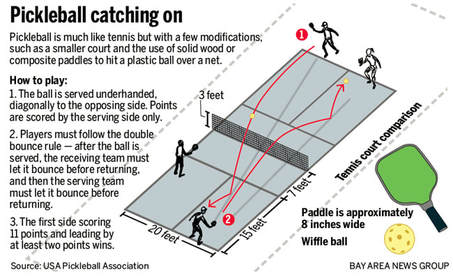
The core rule is simple. Games are played to 11 points, and you must win by 2. Only the serving team can score. In many events, matches are best two out of three games to 11. Some brackets or playoffs may use a single game to 15 or 21, also win by 2.
In doubles and singles, this target is the same in standard play. The score can end 11–9, 12–10, or 15–13 in a longer game. If you are asking how many points in pickleball during league nights, the most common answer is still 11, win by 2.
For official events, check the event sheet. Some finals use a game to 15. A few championship matches use a game to 21. That is why it helps to ask how many points in pickleball before you start the warm-up.
Singles vs doubles: does it change how many points in pickleball?
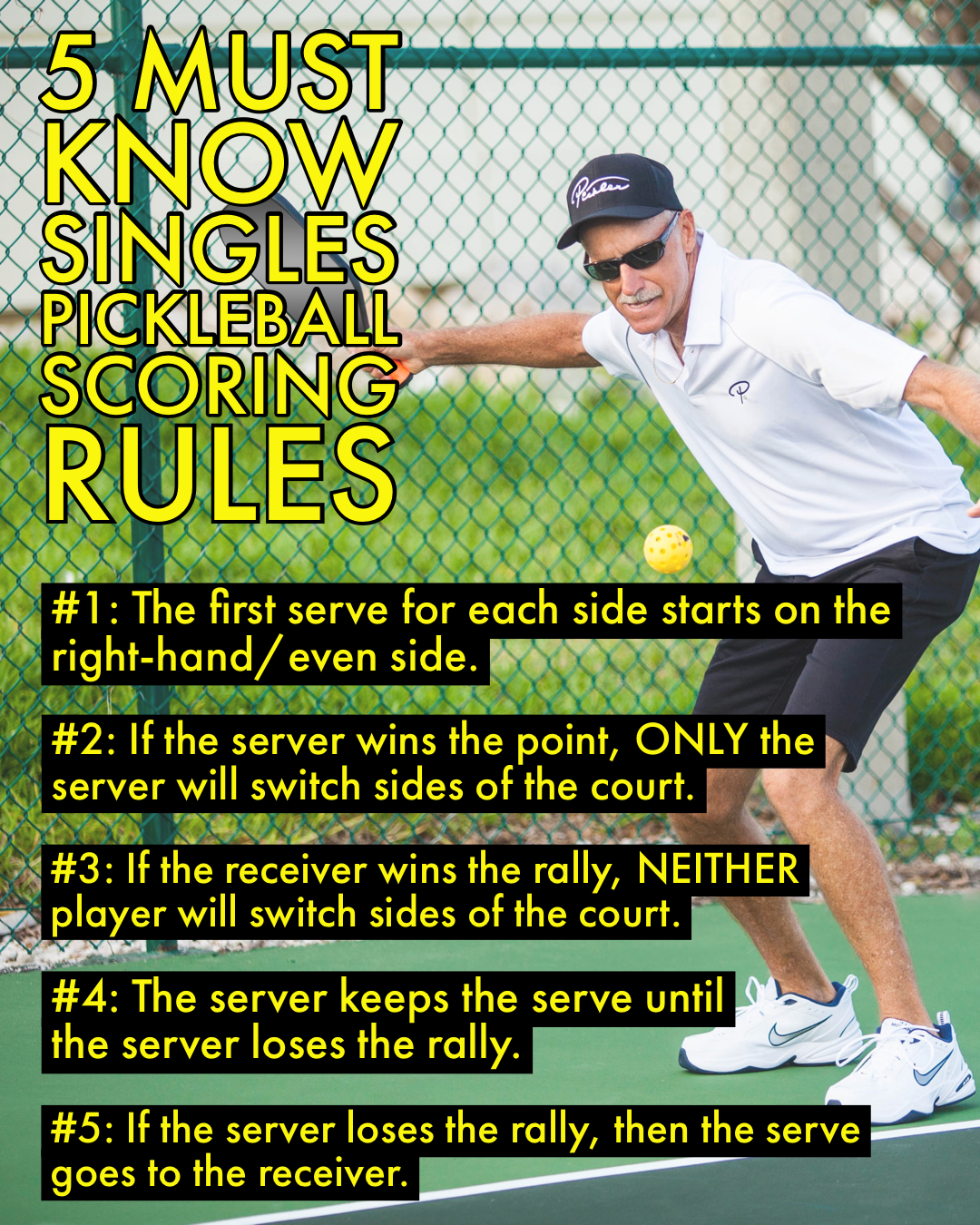
The target score is the same. In both formats, the game is to 11, win by 2. Only the server can earn a point under standard scoring.
The flow is what changes. In doubles, each team has two servers per side out. In singles, a player serves until they lose a rally. The number of points does not change, but the order and spots on the court do.
When people ask how many points in pickleball for singles at clinics, I say, same as doubles. Your serve just rotates side to side after each point you win.

How to keep score step by step
Keeping score is easy once you say it out loud the right way. In doubles, the call has three numbers: server score, receiver score, and server number.
Follow this simple flow:
- In doubles, the first call to start a game is 0-0-2. The starting team has only one server to begin.
- After that first rally, each side gets two servers: server 1 and server 2.
- Only the server can score. If the serving team wins, add one to the server score.
- If the serving team loses the rally, the serve moves to the next server or to the other team.
A quick example:
- Start: 0-0-2. Team A serves and wins the rally. Score is 1-0-2. Team A keeps the serve.
- Team A loses the next rally. Side out to Team B. Call is now 0-1-1 for Team B’s first server.
- Team B wins two rallies. Score moves to 2-1-1, then 3-1-1.
- Team B’s server faults. Now it is 3-1-2. Team B’s second server serves.
In singles, call only two numbers: server score, receiver score. The target is the same. If you wonder how many points in pickleball for singles play, remember that the standard target stays at 11, win by 2.

Side outs, faults, and the server sequence
Side outs control the rhythm of the game. In doubles, each team gets two serves per turn, one for each player. A fault ends a server’s turn. A second fault ends the team’s turn and gives a side out.
Common faults that stop a server:
- The serve lands short, out, or in the kitchen.
- You volley before both teams have made one groundstroke each after the serve.
- You step on the kitchen line when volleying.
A smooth way to learn the flow:
- At 0-0, the first team only has the second server. Call 0-0-2.
- After that rally ends, every side out gives two servers to the new serving team.
- Keep track with a wristband or a soft verbal cue if you lose track. I tell my partner, “I’m 1, you’re 2.”
People often ask how many points in pickleball are needed before you rotate sides. You switch sides only after every point scored by the serving team in singles. In doubles, you change service courts between the two partners when your team wins a point.
Variations you will see: games to 15 or 21, rally scoring, and tiebreaks
Recreation play is flexible. Some groups choose a single game to 15 to save time. Others play to 21 for a longer session, still win by 2. In many round robins, ties or finals may also use 15 or 21.
Rally scoring is a newer twist. In rally scoring, the winner of every rally gets a point, even if they did not serve. This changes strategy and pace. If a league uses rally scoring, confirm how many points in pickleball they use. Many rally sets go to 15 or 21 with win by 2.
Tiebreaks also show up in playoffs. A common tiebreak is to 15, win by 2, with standard serving rules. Always ask the organizer how many points in pickleball for that format before you start.
Strategy to reach 11 faster
You win with smart, simple choices. Points come from pressure and few errors.
Try these tips:
- Serve deep and to the backhand. You set up weak returns and short balls.
- On the third shot, mix drops and drives. Aim for the feet to force pop-ups.
- Target the weaker player in doubles. Keep the ball on that side until you earn a sitter.
- Avoid low-percentage lobs unless you see the player inside the line.
- Stay patient in dink rallies. Wait for a ball you can attack.
When someone asks how many points in pickleball are needed, I ask back, how many high-quality balls can you hit each rally? Cut errors first. You will get to 11 faster.
From my league nights, one habit helps most: plan your first three shots. A strong serve, a steady return, and a smart third shot take control early.

Common scoring mistakes and how to fix them
Even good players get lost with the server number and score calls. A few habits fix that fast.
Use this checklist:
- Call the full score before every serve. Speak slow: server score, receiver score, server number.
- If you lose track, ask for a quick score check. Do it before the serve.
- Stand on the correct side. In doubles, even scores serve from the right, odd from the left.
- Confirm who is server 1 and 2 at each side out.
- Reset if a wrong server hits the ball. The referee or group should correct the issue.
These simple steps clear 90% of errors. They also help answer how many points in pickleball you still need to close the game.

Real-world scoring walk-throughs
Let’s walk through a full doubles example.
Doubles example:
- Start: 0-0-2. Team A serves from the right. They win the rally. Score is 1-0-2.
- Team A loses the next rally. Side out. Team B serves 0-1-1.
- Team B wins three rallies. Score moves to 1-1-1, 2-1-1, 3-1-1. Fault. Now 3-1-2.
- Team B wins one more rally. 4-1-2. Then faults. Side out.
- Team A starts 1-4-1 and goes on a run. They reach 11-9 to win, by 2.
Singles example:
- Start: 0-0. Server wins two points. 2-0.
- Server loses rally. Now the other player serves at 0-2.
- They trade runs until 10-10. The next player to lead by 2 wins.
- Final is 12-10.
If a new player asks how many points in pickleball for these cases, show them these short scripts. It sticks fast once they hear it and say it.

Frequently Asked Questions of how many points in pickleball
Is pickleball played to 11 or 15?
Most games are to 11, win by 2. Some formats or finals go to 15 or 21, also win by 2.
Do only servers score points?
Under standard scoring, yes. Only the serving team can score a point, and receivers gain the serve on a rally win.
What is the starting score in doubles?
You start at 0-0-2. The first serving team begins with the second server to even things out.
How many points in pickleball for singles vs doubles?
The target is the same. Both singles and doubles usually play to 11, win by 2.
What is rally scoring in pickleball?
In rally scoring, every rally earns a point for the rally winner. Many groups play rally games to 15 or 21, win by 2.
Do I switch sides after every point?
In singles, the server switches sides after every point they win. In doubles, you switch service courts only when your team wins a point.
Can I lose points on a fault?
Under standard scoring, you do not lose points as the receiving team on a fault. You lose the rally and the right to serve or continue serving.
Conclusion
Now you know how many points in pickleball and how the scoring really works. Most games go to 11, win by 2, with simple rules that reward steady play and smart choices. Learn the rhythm, call the score, and stay patient at the kitchen.
Put these tips to work in your next game. Ask your group how many points in pickleball they use that day, and plan your serve and third shot. Ready to level up? Share this guide with a partner, subscribe for more quick lessons, and drop your questions in the comments.