Most games play to 11 points and you must win by 2.
If you are wondering how many points to win in pickleball, you are in the right place. I’ve coached and played across rec courts and sanctioned events, and the answer changes with singles, doubles, and tournament formats. Stay with me as we break down how many points to win in pickleball in every setting, with real examples, simple rules, and tips you can use in your next match.

The standard rule: games go to 11, win by 2
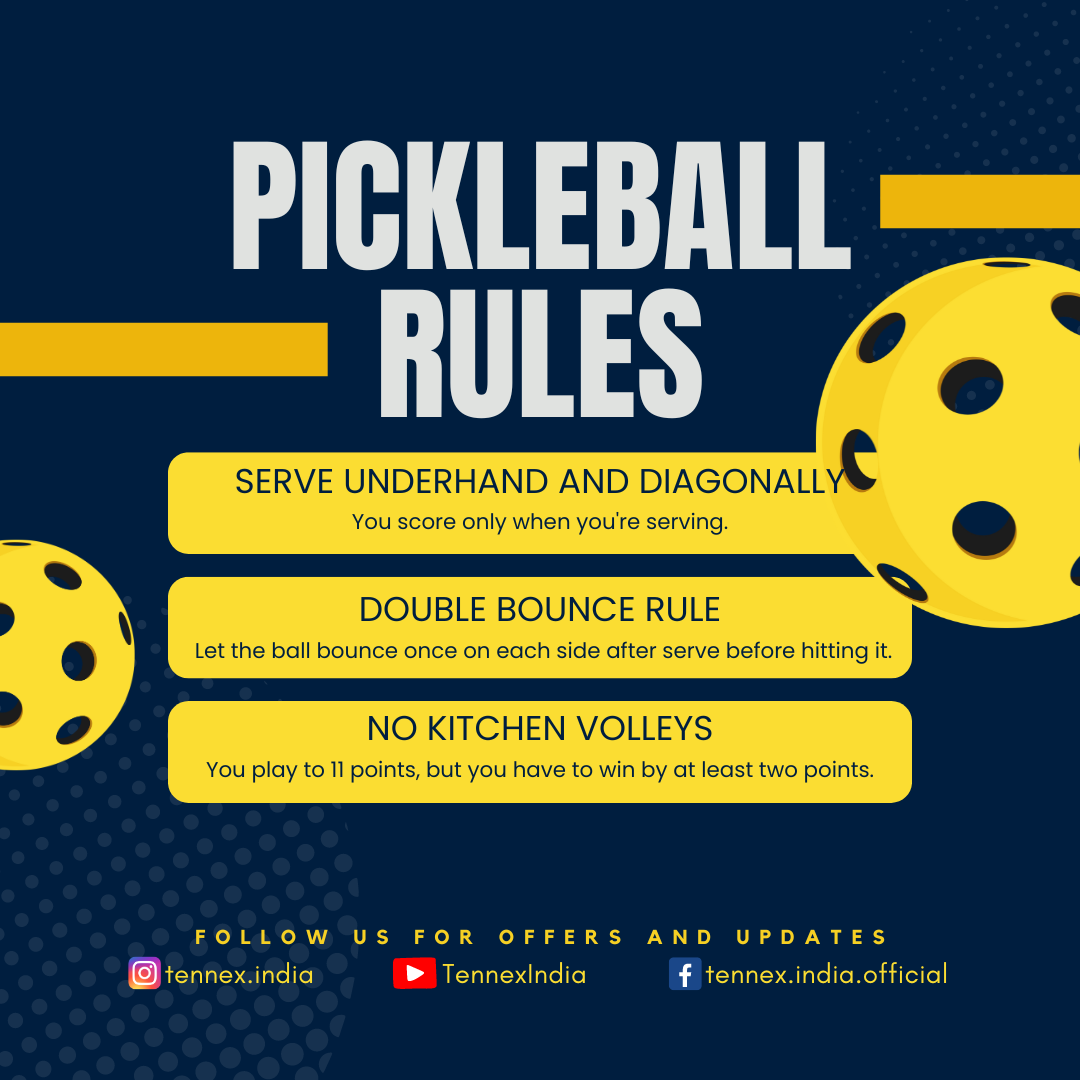
In most casual and sanctioned play, a game goes to 11 and you must win by 2. Only the serving side can score under traditional side-out scoring. That is the core answer to how many points to win in pickleball.
When you think about how many points to win in pickleball, remember the “win by 2” cushion. If the score reaches 10–10, you play on until one team leads by two points, like 12–10 or 14–12. This keeps games fair and adds exciting pressure to each rally.
Many leagues and parks follow this same baseline. So if someone asks how many points to win in pickleball at your local court, you can say “11, win by 2” with confidence.
Singles vs doubles: how scoring and points to win differ
Singles and doubles both use the 11, win-by-2 standard in most games. But the serve and score call work a bit differently.
Here is what to know when someone asks how many points to win in pickleball for singles and doubles:
- Singles uses two numbers in the score call. It is server score, then receiver score. Games are to 11, win by 2.
- Doubles uses three numbers in the score call. It is server score, receiver score, then server number (1 or 2). Games are still to 11, win by 2.
- In doubles, both partners get to serve before a side out, except at the very start of the game. That is why the first server is called “second server” only after the rally rotates.
I remind new players: if you forget how many points to win in pickleball, just ask your court host. Almost always, it is 11, win by 2, for singles and doubles.
Tournament formats: to 11, 15, or 21 depending on the bracket
In tournaments, how many points to win in pickleball depends on the round. Event directors often use different targets to keep brackets moving.
Common setups you may see:
- Winner’s bracket games to 11, win by 2. Often best 2 of 3 games.
- Consolation or backdraw games to 15, win by 2. One game to 15 keeps play brisk.
- Medal matches sometimes to 15 or best 2 of 3 to 11, win by 2. Championship formats can vary.
I have played events where early rounds were two-out-of-three to 11, but bronze and gold were one game to 15. So if you wonder how many points to win in pickleball for your next tournament, check the event sheet before you start. It saves confusion and prevents mid-match disputes.

Rally scoring vs side-out scoring: does the points target change?
Traditional pickleball uses side-out scoring. Only the serving team scores. That is the format tied to the usual answer to how many points to win in pickleball: 11, win by 2.
Some leagues and team events use rally scoring. In rally scoring, whoever wins the rally gets a point, even if they did not serve. Typical rally-scoring targets:
- Many team leagues play to 15 or 21, win by 2.
- Major team formats often use to 21 with special “freeze” rules near the end.
If you hear “rally scoring today,” ask the organizer how many points to win in pickleball under that format. The target might be 15 or 21, not 11.

Serving, faults, and when points count
You cannot answer how many points to win in pickleball without knowing when points count. Under side-out scoring, you only earn points on your own serve. If you commit a fault on your serve, no point is awarded and the serve moves to your partner or the other team.
Key reminders that affect how many points to win in pickleball in real games:
- Serve must land in the correct diagonal court. The kitchen line is out on the serve.
- Both teams must let the ball bounce once on the serve and once on the return. This is the two-bounce rule.
- After the two-bounce rule is met, volleys are allowed outside the kitchen.
If you chase points without clean serves and returns, you will get stuck. I learned the hard way that two early service faults can tilt a whole game when you are racing to 11, win by 2.

Real score walk-throughs so you can visualize the path to 11
Examples make it stick. Here are simple flows that show how many points to win in pickleball in action.
Singles to 11, win by 2:
- You serve at 0–0. You win the rally. Score is 1–0. You keep serving.
- At 10–9, you need one more point. The returner wins the rally. No point for them, because they did not serve. They now serve at 9–10.
- They tie it 10–10. You now must win by 2. Final might end 12–10.
Doubles to 11, win by 2:
- Opening serve is from the right court. Only one partner serves to start.
- Your team leads 10–8–1 (server score 10, receiver 8, first server). You win the rally: 11–8–1. Game over, because you reached 11 and led by 3.
These quick paths help you remember how many points to win in pickleball and why the serve matters so much.

Common mistakes and court-tested tips
New players often ask how many points to win in pickleball and then stumble on scoring. Here are the common traps I see and fixes that work.
Mistakes to avoid:
- Forgetting win by 2. At 10–10, many players think the next point ends it. It does not.
- Mixing up the three-number call in doubles. That third number matters for who serves.
- Not checking event rules. You show up for 11, but the bracket plays to 15.
Tips from experience:
- Call the full score before each serve. It resets focus and keeps both sides aligned.
- Track even and odd courts with your score. If your score is even, you should be on your starting side.
- Ask before game one: how many points to win in pickleball today? Lock in 11, 15, or 21 to avoid disputes.
These small habits have saved me many headaches and close games.

Frequently Asked Questions of how many points to win in pickleball
Is it always 11 points to win?
No. Most rec games are to 11, win by 2, but tournaments may use to 15 or 21. Always check the posted format before you play.
What does win by 2 mean?
You must lead by two points to end the game. If it is 10–10, play continues until one side leads by two, like 12–10.
Can you score when you are not serving?
Under side-out scoring, no. Only the serving side scores. In rally scoring formats, whoever wins the rally scores.
How many points to win in pickleball when using rally scoring?
Common targets are 15 or 21, win by 2. The organizer will set the exact number and any freeze rules.
How many points to win in pickleball for doubles vs singles?
Usually the same: to 11, win by 2. The difference is the serve order and the three-number score call in doubles.
Do medal matches use a different score target?
Often, yes. Some medal matches are to 15 or best 2 of 3 to 11. Read the event sheet for the exact format.
Conclusion
If you remember one thing, make it this: most games are to 11, win by 2. In events or rally formats, the answer to how many points to win in pickleball can shift to 15 or 21, but the win-by-two rule still keeps matches fair. Learn the serve order, call the score clearly, and confirm the format before game one. Now grab your paddle, hit the court, and put these tips to work. Want more guides like this? Subscribe, share this with your group chat, or drop your scoring questions in the comments.