Most games go to 11 points, win by 2. Some formats use 15 or 21.
If you have ever asked how many points to win pickleball, you are not alone. I coach new and mid-level players, and this question starts almost every lesson. In this guide, I break down the exact numbers, why they change, and how to use them to win more. You will learn the official rules, the most common formats, and smart tactics for closing out games with confidence.
Pickleball scoring basics: how many points to win
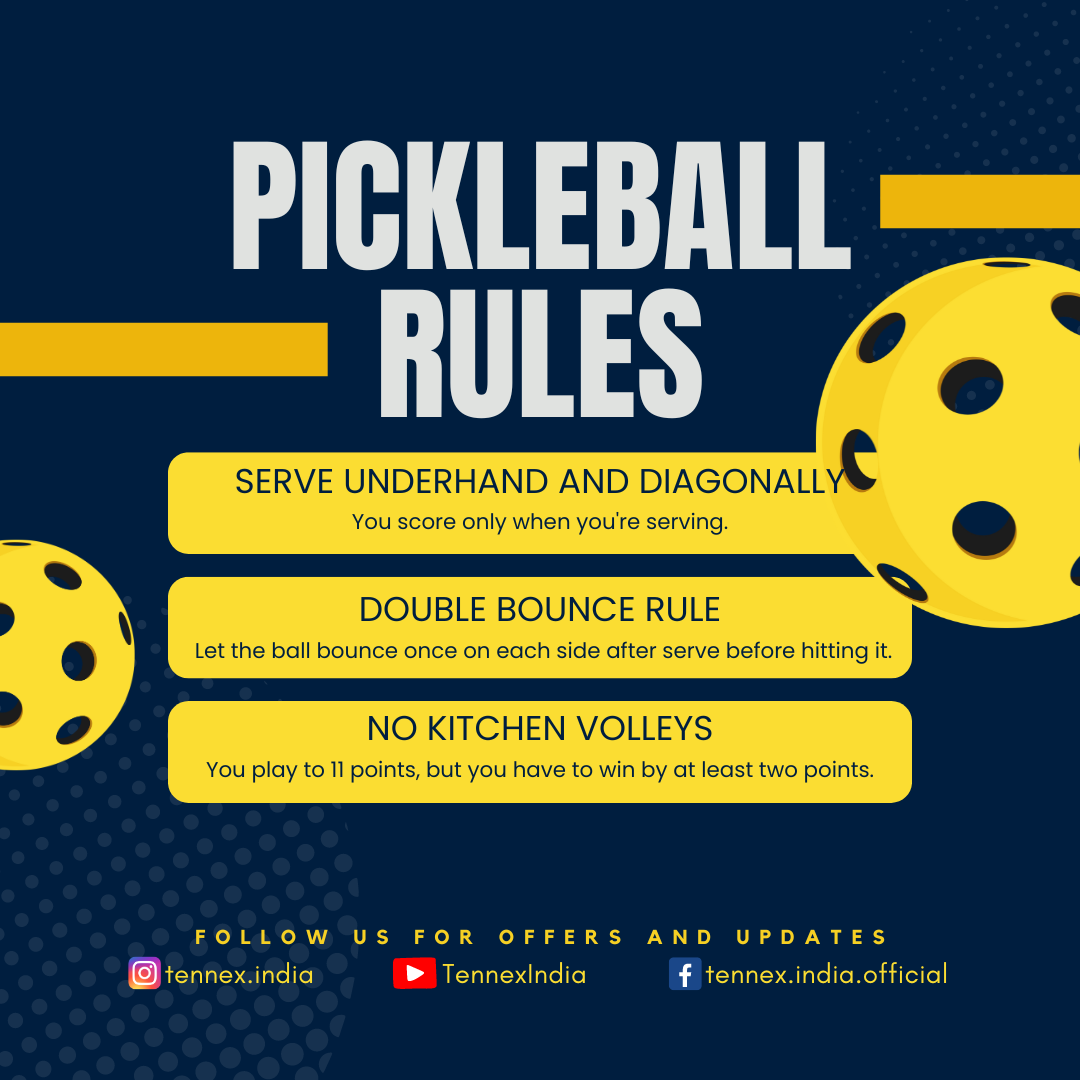
The standard answer to how many points to win pickleball is 11 points, win by 2. This is the default for most casual games and many tournaments. You only score when serving under side-out scoring. If the score reaches 10-10, play continues until one side leads by 2 points.
Some events use games to 15, win by 2. Others use games to 21, win by 2. These longer games show up in tournaments or league playoffs. When people ask how many points to win pickleball, 11 by 2 covers most play, but know your event rules.

Singles vs doubles: does the target score change?
In both singles and doubles, the usual target is still 11 points, win by 2. The answer to how many points to win pickleball does not change by player count. What does change is how you call the score and how serves rotate.
In doubles, the score call is server score, receiver score, server number. In singles, you call server score first, then receiver score. The path to 11 stays the same. So when someone asks how many points to win pickleball in singles, say it matches doubles.
Side-out vs rally scoring: why it matters
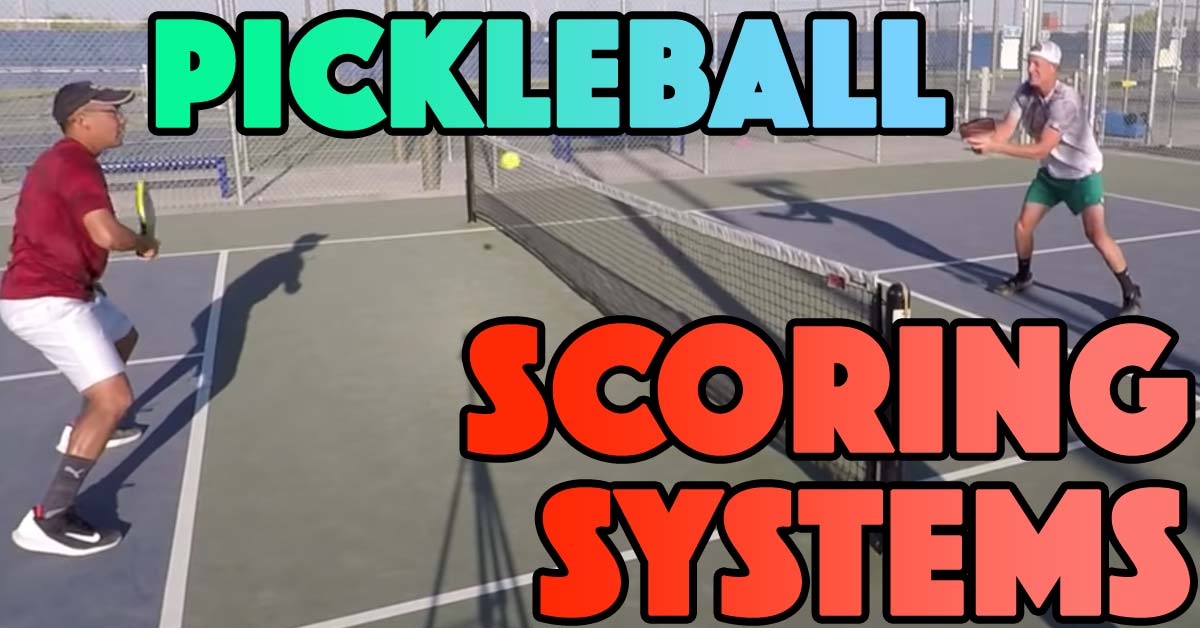
Most play uses side-out scoring. Only the serving team can earn a point. If the receiving side wins the rally, they do not get a point. They only gain the serve. This makes closing the game at 10 a skill test.
Some leagues and showcase events use rally scoring. Every rally is a point. Rally scoring often goes to 15 or 21, win by 2. If your club uses rally scoring, how many points to win pickleball may be 21, not 11. Always check the format before you start.

Win-by-two: what it means in real play
Win by two means you must lead by 2 at the end. If you reach 11-10, the game continues. You could see scores like 13-11 or 16-14. There is usually no cap in standard rules, unless the event posts one.
I once coached a league match that ended 20-18 to 21. The players kept their cool and stuck to safe plays. When friends ask how many points to win pickleball, I remind them the real test comes after 10-10. Patience wins tight sets.

How to keep score correctly
Scoring right keeps games smooth. This is key when people debate how many points to win pickleball.
- Call the score before every serve. In doubles, say server score, receiver score, server number.
- Start doubles at 0-0-2. The first server is number 2 by rule to even out serve chances.
- In singles, call server score, then receiver score, like 7-6.
- Switch sides at the correct times if your event requires it, such as after games or at 6 in a game to 11.
- Confirm the score after long rallies. A quick check saves arguments.

Strategy to close out games at 9, 10, and beyond
When close to the target, tighten up. The last points are about control. The question how many points to win pickleball matters less than how you earn them.
- Serve deep to the backhand. You want a weak return.
- Use a safe third-shot drop. Keep the ball low. Avoid low-percentage blasts.
- Target the weaker player in doubles. Make them hit one extra ball.
- Slow the pace in a tight game. Breathe. Reset dinks when the ball gets hot.
- In tournaments, use timeouts at 9 or 10 to reset your plan.
From my own play, I win more at 10 by aiming middle. It causes confusion and soft errors. Simple shots seal the deal.
Common situations and examples
Examples make the rules stick. These cover common cases tied to how many points to win pickleball.
- Casual doubles at the park: You play to 11, win by 2. Only servers score. Final might be 11-7 or 12-10.
- Tournament game to 15: You play to 15, win by 2. Longer rallies favor fit teams. Use timeouts at 12 to re-focus.
- League match with rally scoring: You play to 21, win by 2. Every rally counts. Keep returns deep to avoid easy points.
- Mixed doubles tiebreak: Event posts a 15-point breaker. Switch sides at 8. Be clear on server order.

Official rules and common variations
The official rule book sets 11 points, win by 2, with side-out scoring as the base. Tournament directors can choose games to 15 or 21. They may use two-out-of-three games to 11 or a single game to 15. Some pro team events use rally scoring to 21 with special freezes near the end.
Clubs may post house rules. Read the board or ask before you start. This ends confusion about how many points to win pickleball for that court. If you run a meetup, post the format on the sign-up sheet.

Frequently Asked Questions of how many points to win pickleball
Is the standard game always to 11 points?
Most games use 11, win by 2. Some events use 15 or 21, so ask first.
Can you win 11-10?
No. You must win by 2. The lowest winning score after 10-10 is 12-10.
Do singles and doubles use the same target score?
Yes. Both use 11, win by 2 in standard play. The difference is how you call the score and rotate serves.
Why does rally scoring change how many points to win pickleball?
Rally scoring gives a point on every rally. To balance that, many formats use 15 or 21 as the target.
Is there ever a score cap?
Most standard games have no cap. Some events cap at a posted number, so read the sheet.
How do I remember the score call in doubles?
Say server score, receiver score, server number. For example, 6-4-1.
What happens if we disagree on the score?
Pause and replay the last agreed rally if needed. Clear calls prevent disputes later.
Conclusion
You now know how many points to win pickleball in every common format. Most games use 11 points, win by 2, but some use 15 or 21. Keep your focus on clear score calls, smart serves, and safe finishes at 10.
Take this to the court this week. Try the deep serve and middle target at 9 and 10. If this helped, share it with your group, subscribe for more tips, or leave a question so I can help you dial in your next win.