
You get one serve attempt in pickleball; there is no second serve like tennis.
If you came here to settle the debate on how many serves in pickleball, you’re in the right place. I coach new players every week, and this question pops up more than any other. Stick with me, and I’ll break down how many serves in pickleball you get, how serving works in singles and doubles, and the exact rules that decide who serves, when, and what happens after a fault. You’ll also learn smart tips to make that one serve count every time.
The simple rule: how many serves in pickleball?
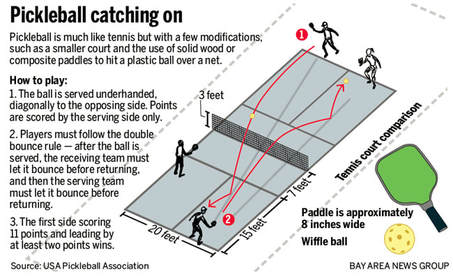
You get one serve attempt per rally. There is no second serve. If you fault on the serve, your turn ends. In doubles, it moves to your partner, or to the other team if your partner already served. In singles, it goes straight to your opponent.
There are no service lets. If your serve clips the net and lands in the correct service court, the ball is live. Keep playing. This single-serve rule is the heart of how many serves in pickleball you have, and it keeps the game quick and fair.
Singles vs doubles: who serves and how many service turns
The serve order changes how many serves in pickleball you’ll see in a row. It depends on singles or doubles.
-
Singles
- You serve once. If you win the rally, you keep serving and switch courts.
- If you lose the rally, your opponent serves next. No partner involved.
-
Doubles
- Both partners on a team get a chance to serve before a side out.
- The exception is the first service sequence of the game. It starts at 0-0-2. Only the “second server” on the first serving team gets to serve before a side out.
Example in doubles: You serve and lose the point. Your partner then serves. If your partner loses, it’s a side out and the other team serves. That sequence explains how many serves in pickleball flow through a doubles game.
Pro tip from the court: When players learn how many serves in pickleball each side gets, they stop rushing. They value every chance and place the ball deep, not fancy.

What happens after a service fault
If you make a serving fault, there is no second try. That’s the key answer to how many serves in pickleball you have per turn: it’s one.
Common service faults:
- The ball lands in the non-volley zone or on the non-volley zone line.
- You serve to the wrong box or miss the court.
- You foot fault by touching the baseline or the court when you hit the serve.
- You serve before the entire score is called, or you exceed the 10-second rule.
Consequences:
- Singles: You lose the serve, and your opponent serves.
- Doubles: The serve moves to your partner. If your partner already served, it’s a side out.

Serving rules that affect your one serve
Your serve must follow a few clear rules. These shape how many serves in pickleball you’ll see stay in play.
-
Direction and target
- Serve crosscourt into the opponent’s diagonal service court.
- The ball must clear the non-volley zone. Landing on the non-volley zone line is a fault.
- Centerline, sideline, and baseline are good if the ball lands on them.
-
Foot position
- Keep both feet behind the baseline at contact.
- Do not touch the court or baseline with your feet while striking the ball.
- Stay within the imaginary extensions of the sideline and centerline.
-
Serve types
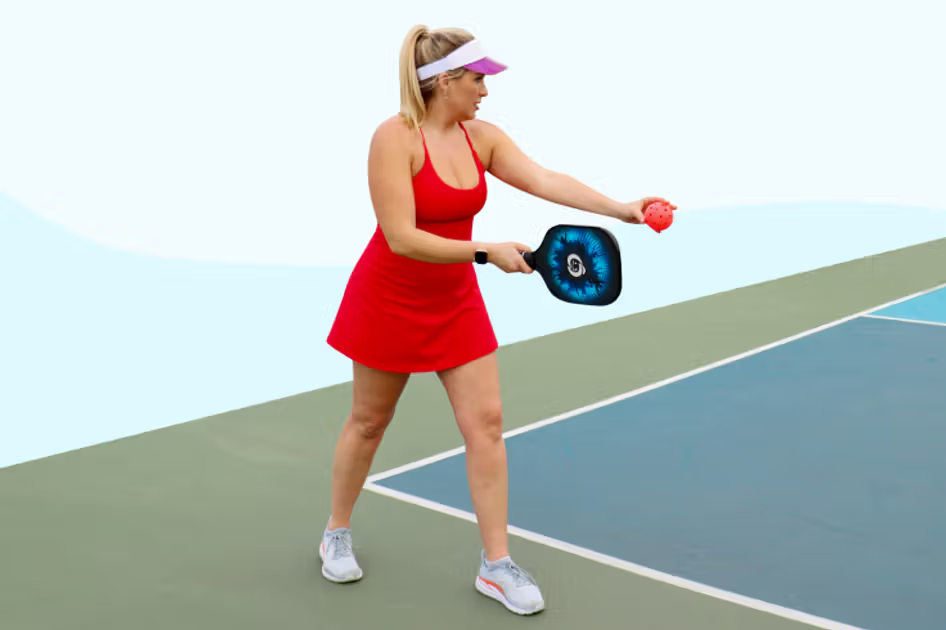
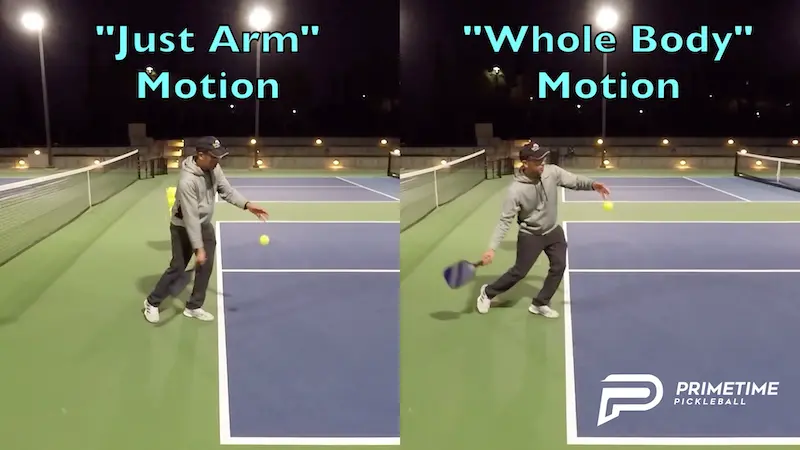
- Volley serve: Hit it out of the air with an underhand motion. Paddle head moves up, contact is below your waist.
- Drop serve: Drop the ball from your hand, let it bounce, then hit. The motion rules relax, but foot rules still apply.
-
Spin and release
- You may not add spin to the ball with your hand at release.
- You can add spin with the paddle when you hit the serve.
-
Tempo and timing
- You have 10 seconds to serve after the full score is called.
- If you serve too soon or delay, expect a fault or a warning.
These details seem small, but they decide how many serves in pickleball finish cleanly instead of ending as faults.

Strategy tips to make that one serve count
When you only get one serve, high-percentage choices win. Here’s what works for me and my students.
- Aim deep and safe
- Target the back third of the court. Deep serves buy time and push returns back.
- Pick smart targets
- Middle is safe. Backhand corners are gold if you spot a weak backhand.
- Mix it up
- Vary speed and height. A high, deep serve can jam players. A low, skidding serve forces errors.
- Keep a steady routine
- Bounce. Breathe. Focus. Call the score. Then serve. A simple routine cuts nerves.
- Use the drop serve if needed
- If your volley serve floats, switch to a drop serve. It often boosts consistency.
In real games, I see players chase power and miss long. When you think about how many serves in pickleball you get, you learn to trade a few miles per hour for accuracy. That shift alone can raise your win rate.

Common myths about how many serves in pickleball
Let’s clear up a few myths that confuse new players.
- You get two serves like tennis
- False. You get one serve attempt. That is the core of how many serves in pickleball are allowed per rally.
- Net-touching serves are replays
- False. If the ball clips the net and lands in, it is live. Keep playing.
- The serve cannot land on any lines
- False. Centerline, sideline, and baseline are in. Only the non-volley zone line is a fault on the serve.
- Spin at release is always legal
- False. You cannot add spin with your fingers when you release the ball. Add spin with your paddle at contact.
- The drop serve changes how many serves in pickleball you get
- False. It only changes the motion. You still get one serve.
Frequently Asked Questions of how many serves in pickleball
Do you get two serves in pickleball?
No. You only get one serve attempt. If you fault, the serve moves to your partner or your opponent.
What is the starting score in doubles and why does it matter?
Doubles starts at 0-0-2. Only the second server on the first team serves before a side out, which affects how many serves in pickleball you see at the start.
Can my serve hit the net and still be good?
Yes. If it lands in the correct service court, the ball is live. There are no let replays.
Where should my serve land?
Serve crosscourt into the diagonal box, beyond the non-volley zone line. The centerline, sideline, and baseline are in.
What is a foot fault on the serve?
Touching the baseline or the court with your foot at contact is a fault. Stay behind the baseline and within the sideline and centerline extensions.
Is a drop serve easier for beginners?
Often yes. It removes some motion limits and can boost consistency. It does not change how many serves in pickleball you get.
How long do I have to serve after the score is called?
You have 10 seconds. Serve too soon or too late and you risk a fault or a warning.
Conclusion
When you understand how many serves in pickleball you get, your game plan becomes simple: protect that single attempt with smart targets, solid footwork, and a steady routine. One consistent serve beats a flashy miss every time. Use deep placement, mix speeds, and pick safe lines to win more free points.
Get out on the court this week and try the deep-middle target on every serve. If this helped, share it with your partner, subscribe for more bite-size tips, or drop a question in the comments so we can sharpen your serve together.